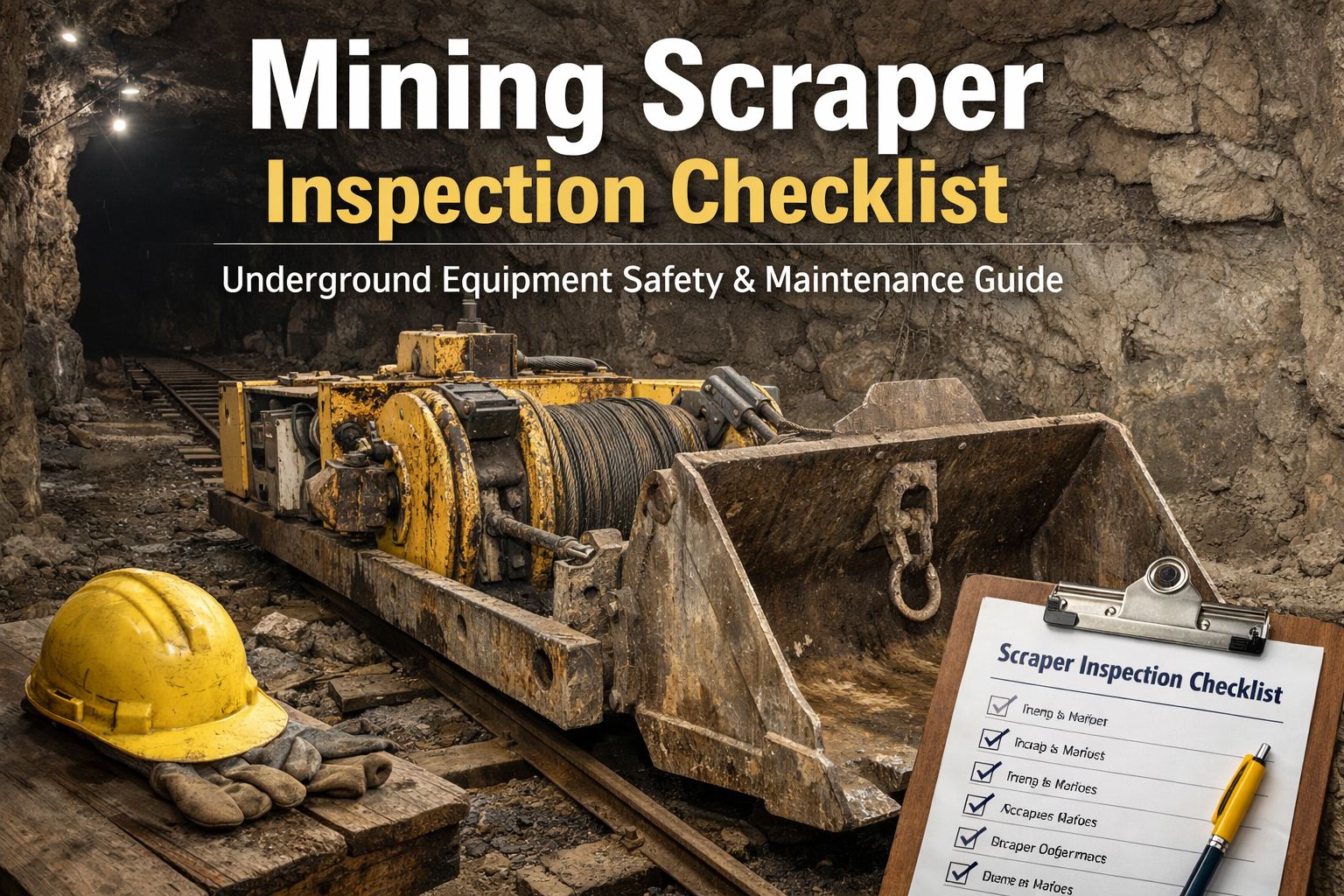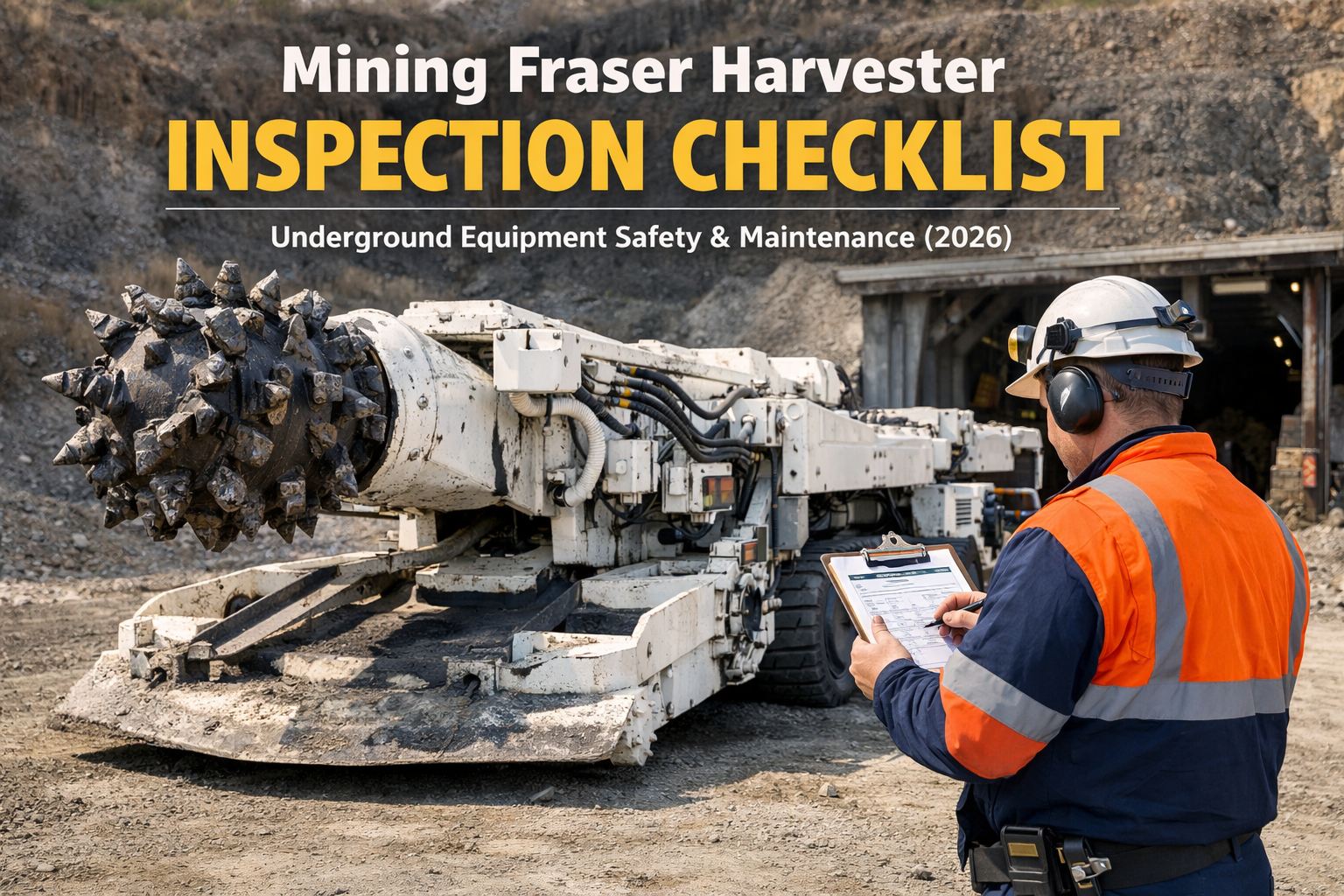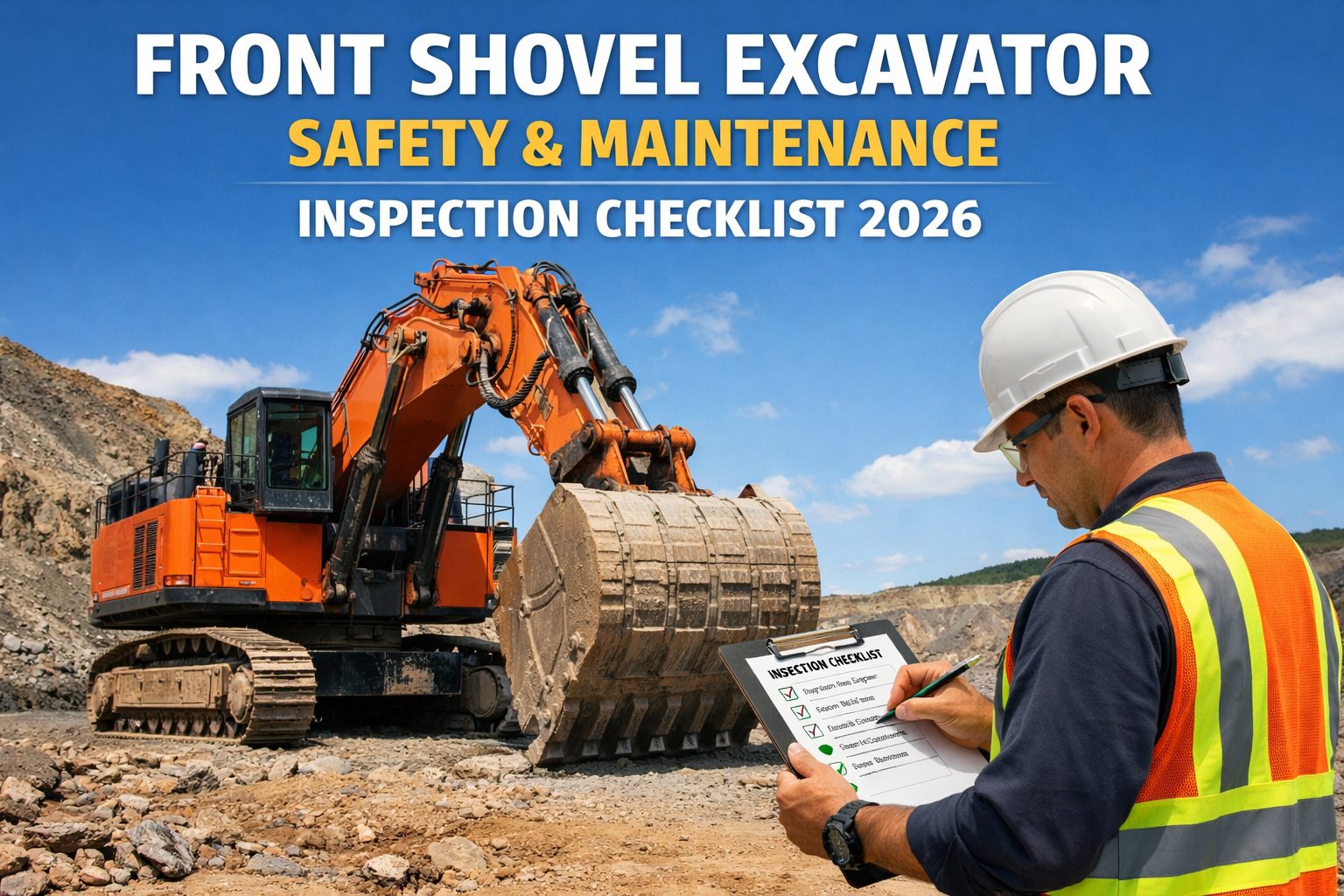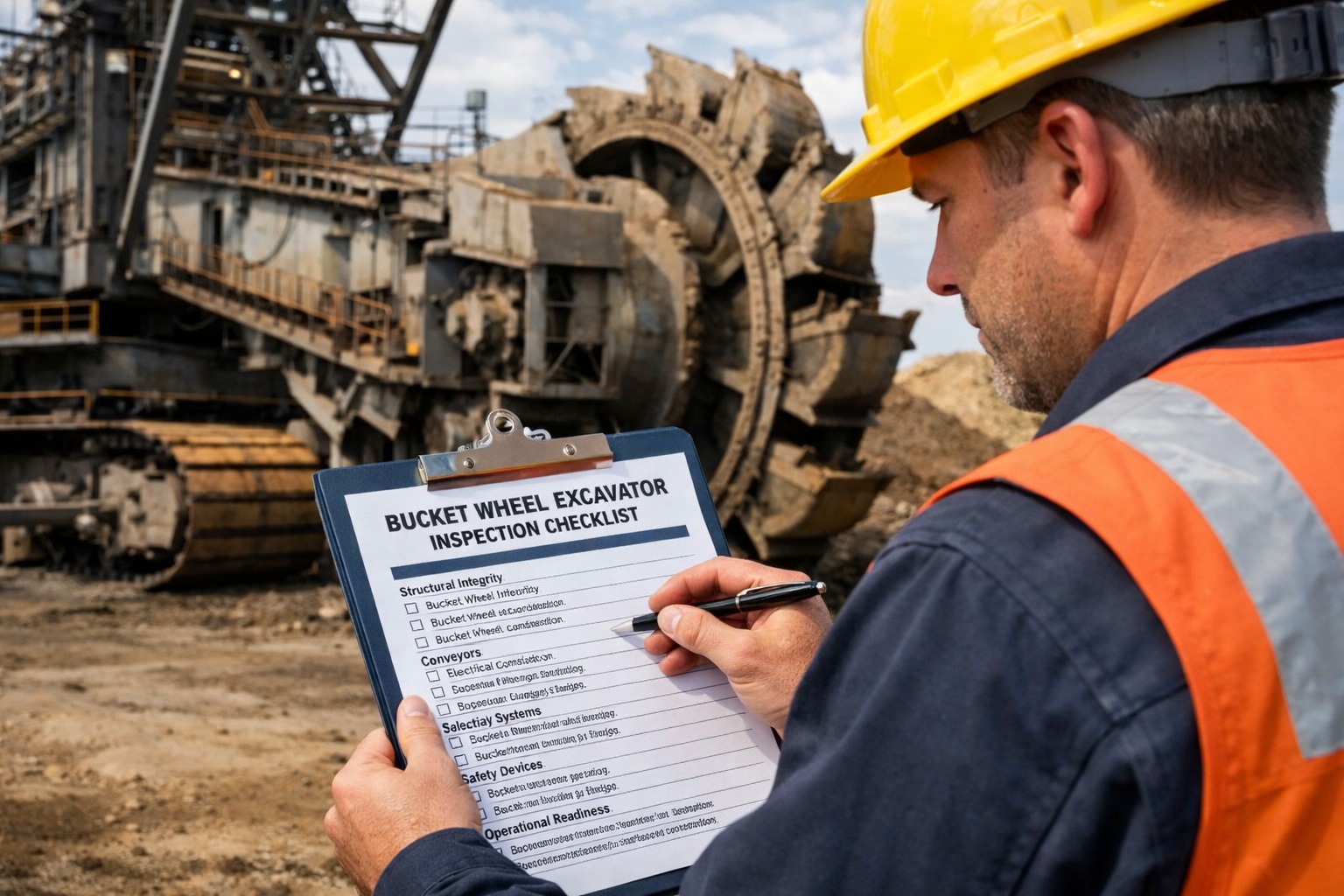
Importance of Bucket Wheel Excavator Inspections
Operator Safety
- Comprehensive excavator inspection protects operators from structural failures, hydraulic system malfunctions, and mechanical breakdowns by verifying turret integrity, confirming ROPS/TOPS protection, ensuring emergency exit accessibility, validating hydraulic cylinder and hose condition, and identifying structural cracks or damage before operation in demanding mining and earthmoving environments.
Production Reliability
- Systematic inspection identifies developing problems before failures halt production, verifies bucket and attachment condition ensuring material removal efficiency, confirms hydraulic system integrity, ensures proper fluid levels maintaining engine and hydraulic performance, and validates undercarriage condition preventing mobility failures during operations.
Component Longevity
- Regular inspection catches wear before catastrophic failure, identifies lubrication needs, verifies proper tension in tracks and chains, detects hydraulic leaks requiring immediate attention, and ensures maintenance occurs before minor issues become major repairs requiring extended downtime.
Structural Integrity
- Inspection verifies critical structural components including roller frame integrity, boom and stick pins, bucket linkage and cylinder pins, rotec bearing condition, and identifies carbody cracks requiring repair before propagation causes catastrophic structural failure in heavy-duty mining operations.
1. ON THE MACHINE
On-machine component verification. Schedule a 30-minute demo to see how digital platforms streamline bucket wheel excavator inspections with mobile checklists, component wear tracking, maintenance scheduling based on operating hours, and automated alerts for critical system verification.
2. BUCKET/ATTACHMENT
Material handling attachment verification:
3. ENGINE
Power system components verification:
4. FLUIDS
Critical fluid level verification:
5. GENERAL
General equipment condition and visibility:
6. HYDRAULICS
Hydraulic system integrity verification:
7. STRUCTURAL
Critical structural component integrity:
8. TURRET
Operator station and control system verification:
9. UNDERCARRIAGE
Mobility system inspection:
Why Use Digital Fleet Management for Bucket Wheel Excavator Inspections?
HVI App Benefits for Mining Equipment Programs:
- ✓ Component-specific checklists covering all critical excavator systems
- ✓ Photo documentation of structural cracks, wear patterns, and component condition
- ✓ Hour meter tracking with maintenance scheduling based on operating hours
- ✓ Immediate supervisor alerts when critical defects are identified
- ✓ Undercarriage wear tracking identifying replacement needs before failures
- ✓ Complete inspection history for warranty compliance and preventive maintenance planning
Frequently Asked Questions About Bucket Wheel Excavator Inspections
1. Why are structural inspections critical for bucket wheel excavators?
Bucket wheel excavators operate under extreme stress from continuous material removal in mining operations. Structural inspection identifies roller frame and carbody cracks before propagation causes catastrophic failure, verifies boom and stick pin integrity preventing component separation, confirms bucket linkage and cylinder pin condition, checks rotec bearing wear, and validates coupler condition. Undetected structural damage leads to expensive emergency repairs, extended downtime, and potential operator injury from component failure during operation.
2. What are the most critical excavator inspection items?
Critical items include structural components (roller frame cracks, boom/stick pins, bucket linkage pins), hydraulic system integrity (cylinders, hoses, fittings), turret safety systems (ROPS/TOPS, emergency exit, seat belt), undercarriage condition (track shoes, links, rollers, sprockets), bucket cutting edge wear, fluid levels (engine oil, coolant, hydraulic oil), and operational controls (turret rotate, boom/dipper/attachment function). These items directly impact both safety and production capability.
3. How often should bucket wheel excavators be inspected?
Daily pre-operation inspections before shift start cover critical safety and operational systems. Weekly inspections verify structural integrity, undercarriage wear, and hydraulic system condition. Monthly comprehensive inspections following manufacturer intervals check all systems including less frequently accessed components. Additional inspections are required after any incident, following major repairs, and when equipment shows performance changes indicating developing problems.
4. What should operators do if they identify structural cracks during inspection?
Operators identifying structural cracks must immediately report findings to supervisors, tag equipment as out-of-service, document crack location and size with photos, and not operate the excavator until qualified technicians assess the damage. Even small cracks propagate rapidly under operational stresses in mining environments. Structural cracks require immediate engineering assessment determining if welding repairs are adequate or if component replacement is necessary before equipment returns to service.
5. How does digital inspection tracking improve excavator maintenance?
Digital platforms maintain comprehensive inspection checklists ensuring thorough verification across nine system categories, track component wear trends identifying replacement needs, schedule preventive maintenance based on operating hours from hour meter readings, document structural crack progression with dated photos, alert maintenance teams when hydraulic leaks or fluid level issues are detected, maintain complete equipment history for warranty claims, and identify recurring problems requiring engineering solutions rather than repeated repairs. Sign up for a free trial and get instant access to customizable bucket wheel excavator checklists, structural integrity tracking, and automated maintenance scheduling - no credit card required for your 14-day trial period.
6. What causes most bucket wheel excavator failures?
Common failure causes include structural cracks from fatigue stress propagating through roller frames or carbody, hydraulic system failures from hose ruptures or cylinder leaks, undercarriage component failures from inadequate lubrication or wear, bucket cutting edge and tooth failures from excessive wear or impact damage, engine overheating from cooling system neglect, and pin failures from inadequate inspection or lubrication. Most failures are preventable through systematic inspection identifying developing problems before catastrophic failure occurs during production operations.
Take Action: Implement Systematic Excavator Inspections
Download our FREE Bucket Wheel Excavator Inspection Checklist and establish comprehensive inspection programs that prevent structural failures, maintain production reliability, and protect operators. Digital fleet management ensures consistent system verification, tracks component wear, schedules preventive maintenance based on operating hours, and maintains complete equipment history for warranty and compliance. Protect your mining operations.
Prevent Structural Failures with Comprehensive Excavator Inspections
Complete coverage: structural integrity, bucket/attachment condition, hydraulics, engine systems, turret functions, undercarriage—all verified systematically with digital tracking for reliable mining operations.