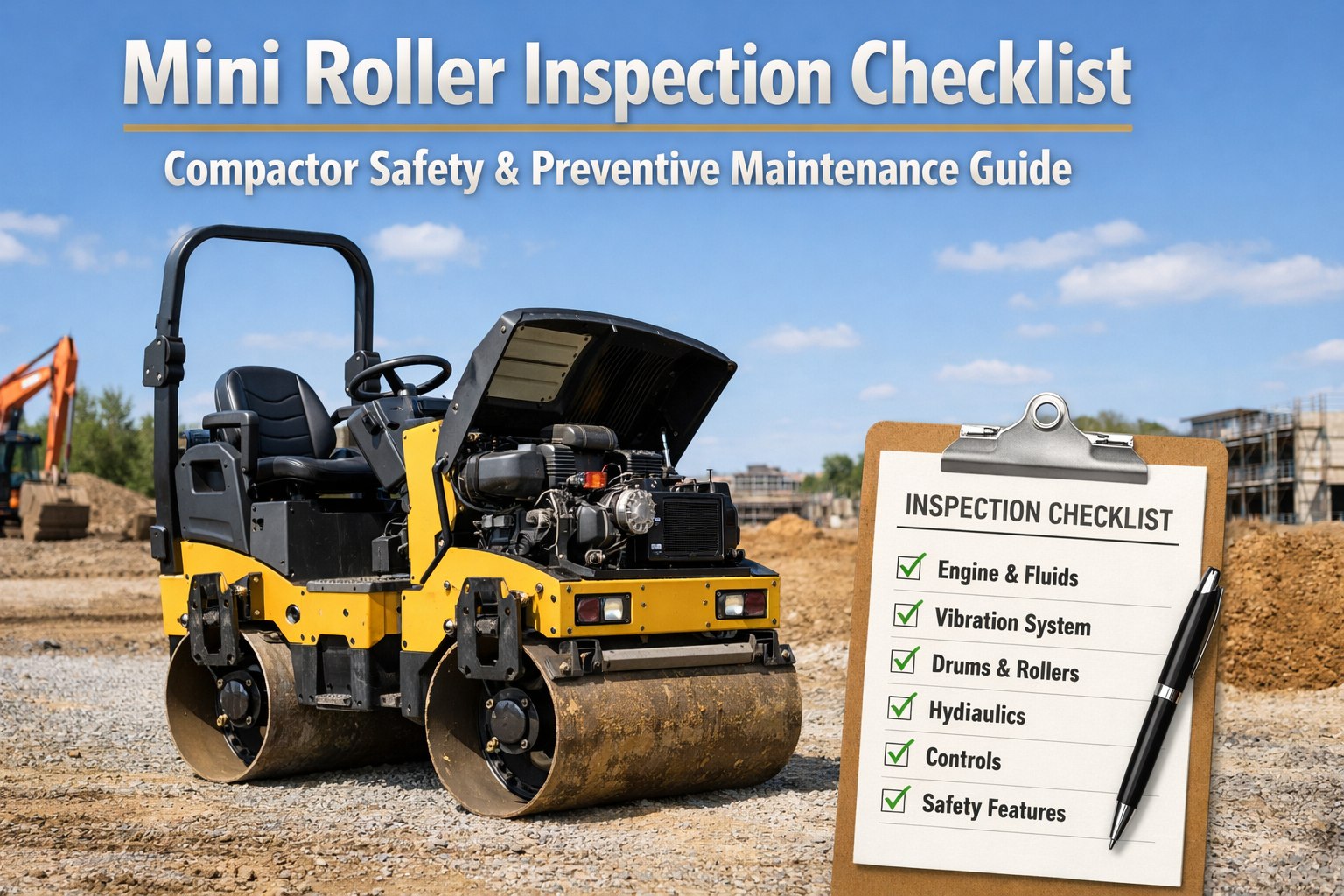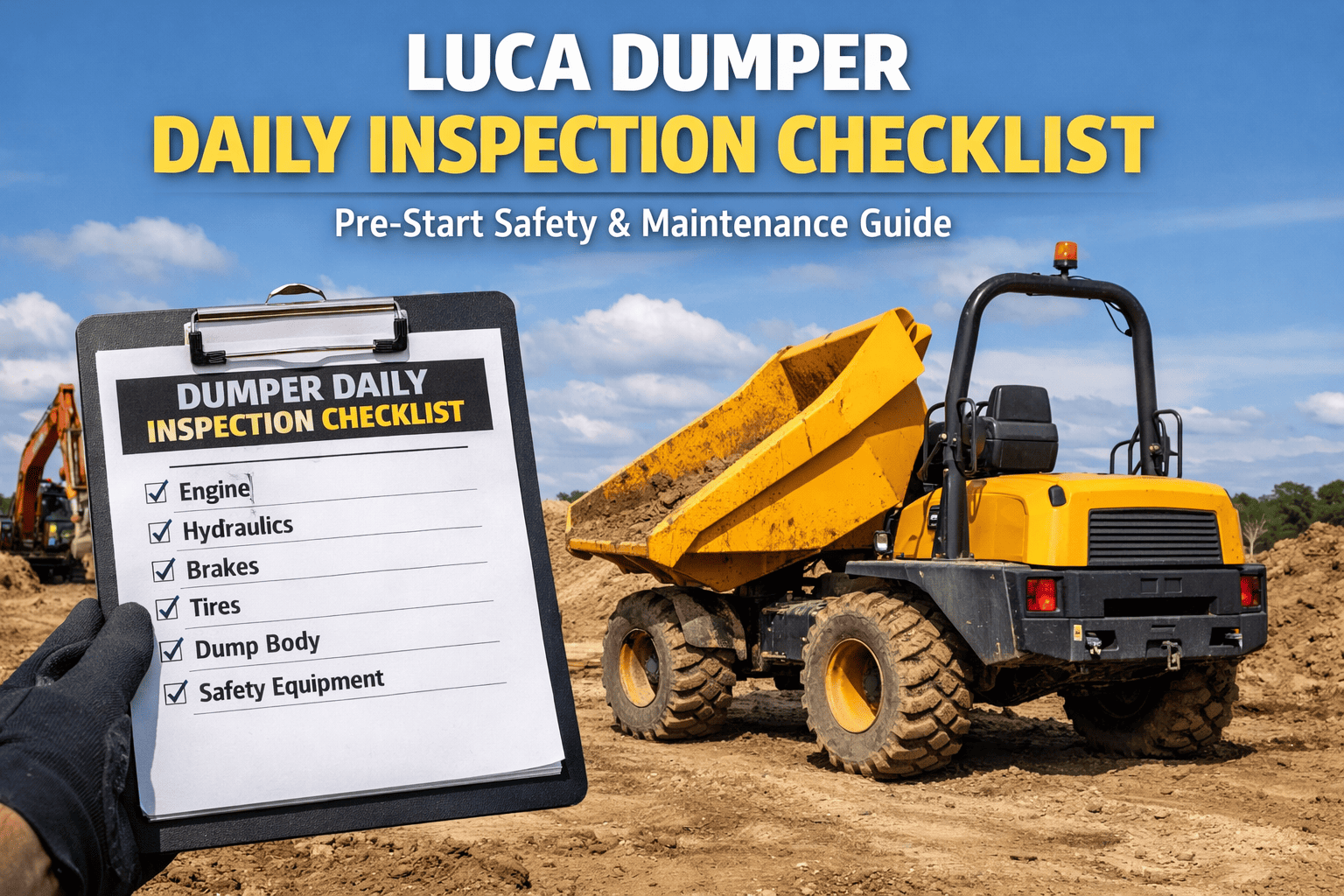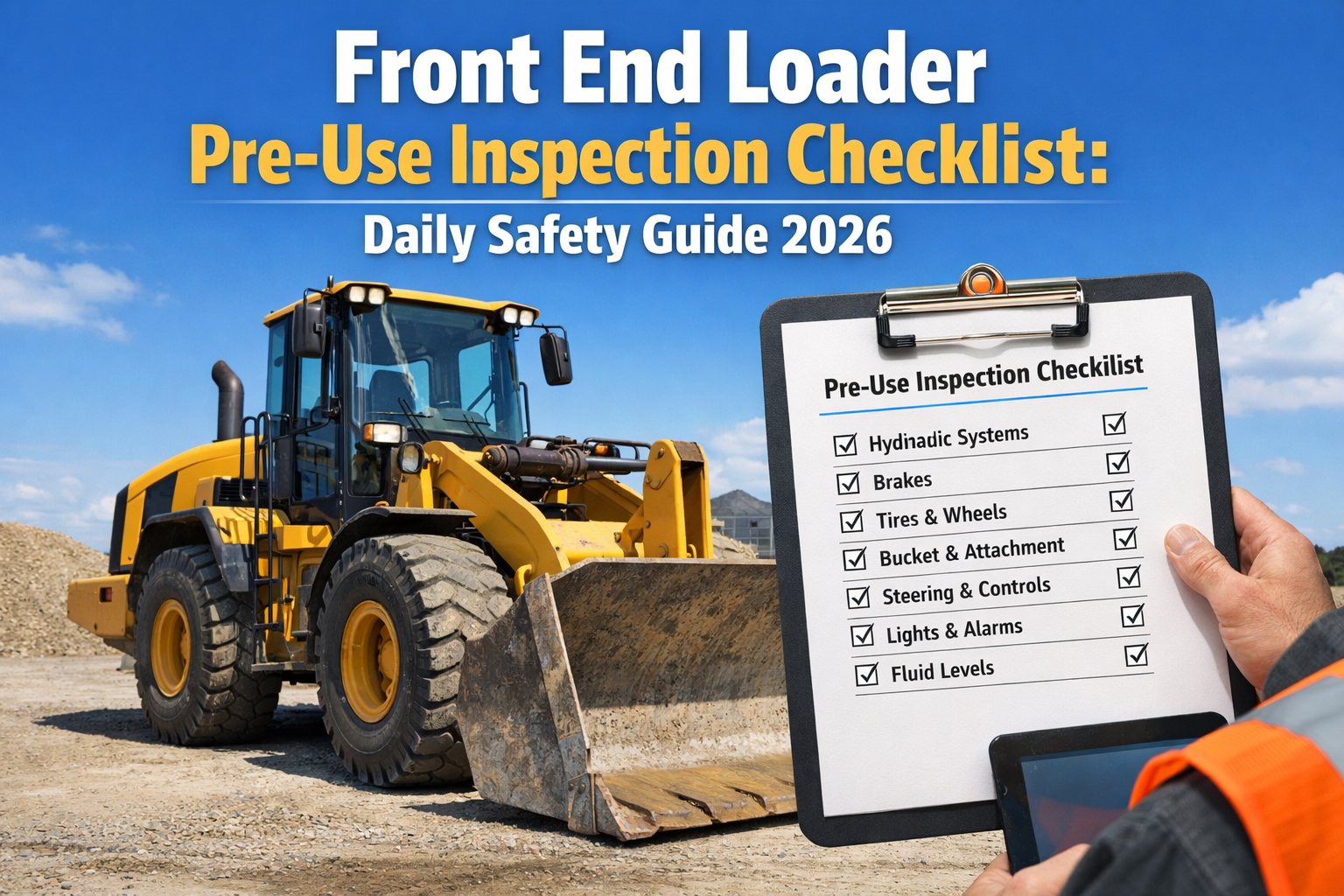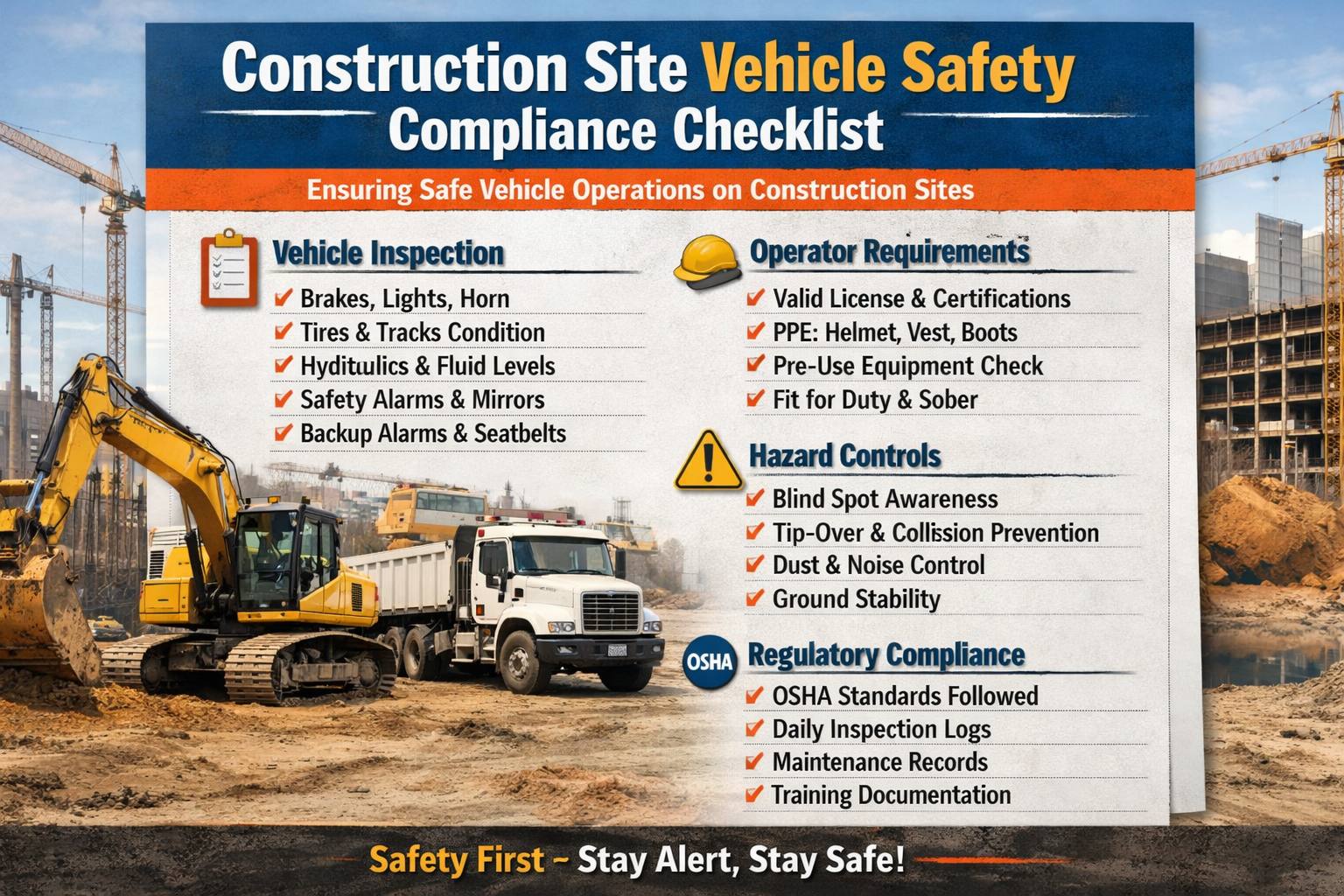
Importance of Compactor Inspections
Operator Safety
- Inspection verifies ROPS/FOPS protection, seat belts, and controls function properly. Prevents rollovers and struck-by incidents during compaction operations. Start your free trial for digital compactor tracking with defect alerts and maintenance history.
Equipment Reliability
- Regular inspection identifies hydraulic leaks, drum damage, and mechanical problems before failures halt compaction work and cause project delays.
Drum Integrity
- Drum inspection ensures vibration systems function properly, identifies cracks preventing catastrophic failures, and verifies material buildup doesn't affect compaction effectiveness.
Compliance
- Documented inspections satisfy OSHA equipment requirements, demonstrate proper maintenance for liability protection, and ensure safe operation on construction sites.
1. Documentation & Records
Documentation and inspection record verification. Schedule a demo to see digital compactor inspection with mobile checklists and automated maintenance alerts.
2. Test Run
Operational testing and performance verification:
3. Visual Walk-Around
External condition and structural integrity:
4. Fluid Levels & Lubrication
Fluid and lubrication system verification:
5. Engine & Powertrain
Engine and drive system inspection:
6. Electrical & Lighting
Electrical system and lighting verification:
7. Controls & Safety Devices
Control systems and safety device verification:
8. Hydraulic & Drum Systems
Hydraulic and drum system inspection:
9. OperatorÂ's Cab
Operator cab condition and safety equipment:
10. Worksite & Environment
Worksite safety and environmental conditions:
Digital Compactor Inspection Management
HVI App Benefits:
- ✓ Pre-operation checklists ensuring inspection before use
- ✓ Photo documentation of hydraulic leaks and structural damage
- ✓ Immediate alerts for safety-critical issues
- ✓ Equipment lockout until repairs completed
- ✓ Complete inspection history and maintenance records
- ✓ Automated service scheduling based on operating hours
Frequently Asked Questions
1. What are critical compactor inspection items?
Critical items include ROPS/FOPS protection preventing operator injury during rollovers, seat belts securing operators, service and parking brakes ensuring stopping ability, vibration system function for effective compaction, drum integrity preventing catastrophic failures, hydraulic system preventing uncontrolled equipment movement, and backup alarms warning ground personnel. These items directly impact operator and worker safety.
2. How often should compactors be inspected?
Daily pre-operation inspections verify safety-critical items before each shift. Periodic inspections follow manufacturer schedules (typically every 250-500 operating hours) covering comprehensive system verification. Immediate inspection required after any rollover incident, hydraulic failure, or drum damage. High-vibration operations accelerate wear requiring more frequent inspection.
3. Why is drum inspection critical?
Drum inspection identifies structural cracks before catastrophic failures during operation, verifies material buildup doesn't reduce compaction effectiveness, ensures vibration system functions properly for soil density requirements, checks drum edges for damage affecting finish quality, and confirms drum scrapers remove material preventing imbalanced operation. Failed drums create projectile hazards and loss of equipment control.
4. What are signs of compactor problems?
Warning signs include excessive vibration beyond normal operation, unusual noises from drum or hydraulic systems, steering requiring excessive effort or having excessive play, brakes not stopping machine effectively, vibration function not engaging under load, visible hydraulic leaks reducing system pressure, and warning lights or gauge abnormalities. Any malfunction requires immediate inspection before continued operation.
5. How does digital inspection improve compactor safety?
Digital platforms ensure pre-operation checklists are completed before equipment use, enable photo documentation of hydraulic leaks and structural cracks, generate immediate supervisor alerts for safety issues, prevent equipment operation until critical repairs are completed, maintain permanent inspection records for compliance demonstration, track vibration system maintenance, and schedule lubrication based on operating hours. Sign up for a free trial - no credit card required.
6. What causes compactor accidents?
Common accident causes include rollovers on unstable ground or slopes, operator ejection from non-functional seat belts, struck-by incidents when backup alarms fail, loss of control from brake failures, hydraulic failures causing uncontrolled movement, drum failures from undetected cracks, and ground personnel entering hazard zones during operation. Most accidents are preventable through systematic daily inspection identifying defects before operation and proper worksite evaluation.
Take Action: Implement Compactor Safety Inspections
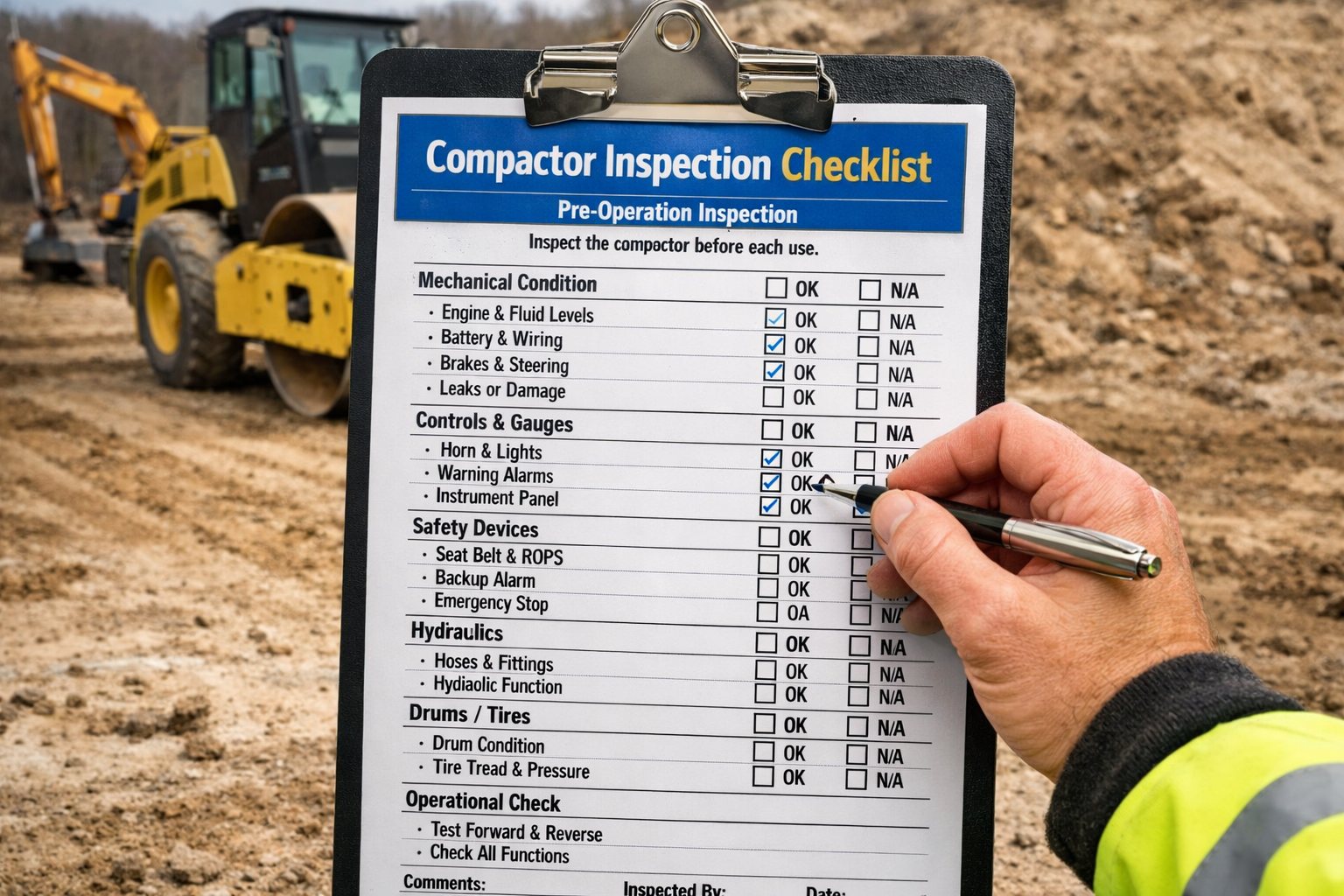
Download our FREE Compactor Inspection Checklist covering 48 critical components. Digital tracking ensures daily inspections occur, identifies safety hazards, and maintains complete equipment records.
Ensure Safe Operation with Systematic Compactor Inspections
Complete coverage: drums, hydraulics, ROPS/FOPS, vibration systems—all verified with digital tracking for construction site safety.