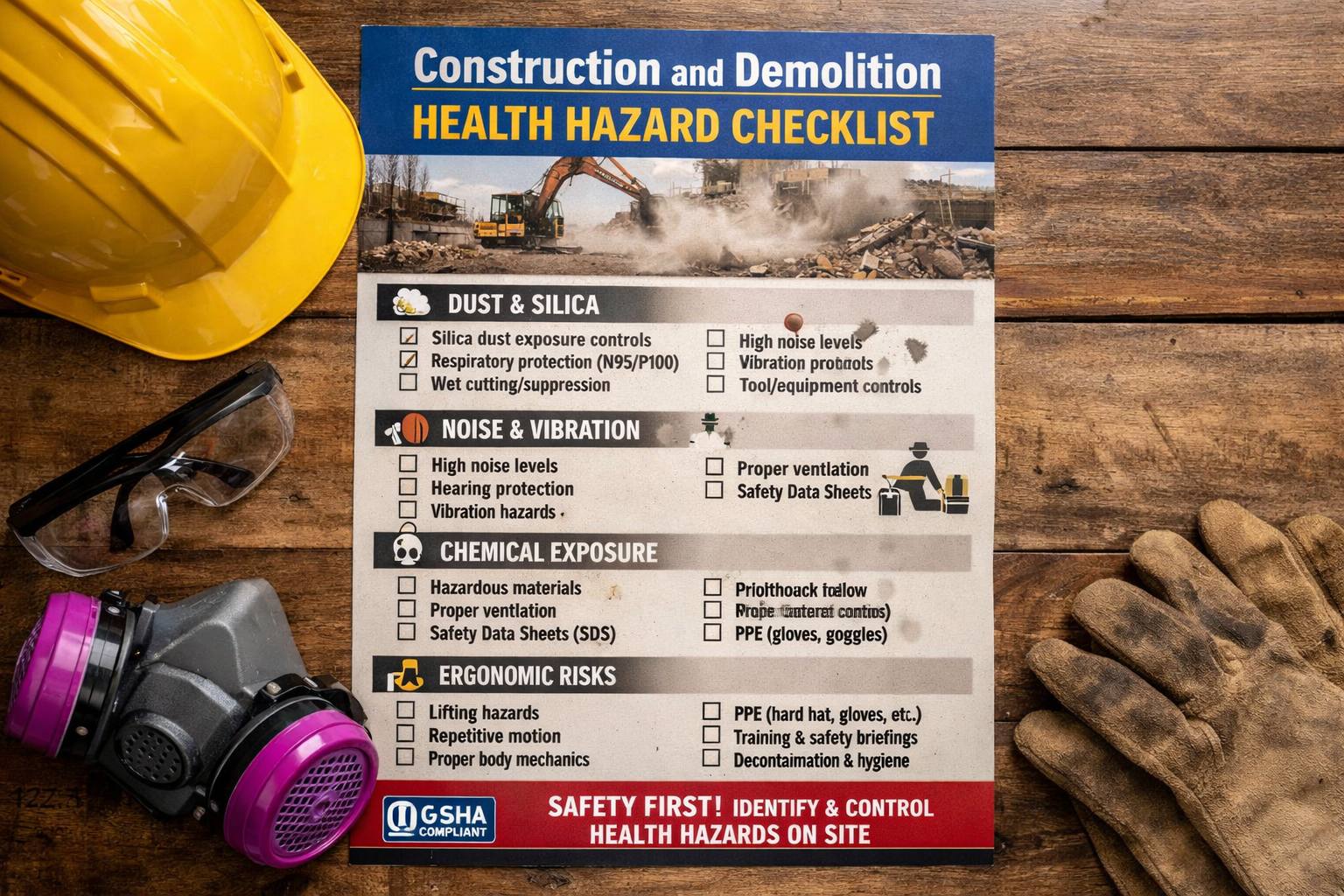
Importance of Construction and Demolition Health Hazard Control
Worker Health Protection
- Comprehensive health hazard identification and control protects workers from respiratory illnesses, hearing loss, chemical exposures, and other serious occupational diseases. Proper hazard assessment prevents long-term health consequences and ensures safe working conditions on construction and demolition sites.
Regulatory Compliance
- Following OSHA health standards ensures regulatory compliance and avoids costly citations for silica exposure, noise hazards, respiratory protection, and hazardous materials. Proper health hazard programs demonstrate commitment to worker protection and legal requirements for construction operations.
Exposure Prevention
- Effective health hazard control includes engineering controls, administrative measures, and personal protective equipment to minimize worker exposure. Systematic assessment and monitoring ensure hazards are identified early and controlled before causing occupational illness or injury.
Long-Term Safety
- Proactive health hazard management prevents chronic occupational diseases, reduces workers' compensation claims, and protects your workforce's long-term health. Regular monitoring, exposure assessment, and control verification create safer jobsites and healthier construction careers.
1. Hazardous Materials and Asbestos
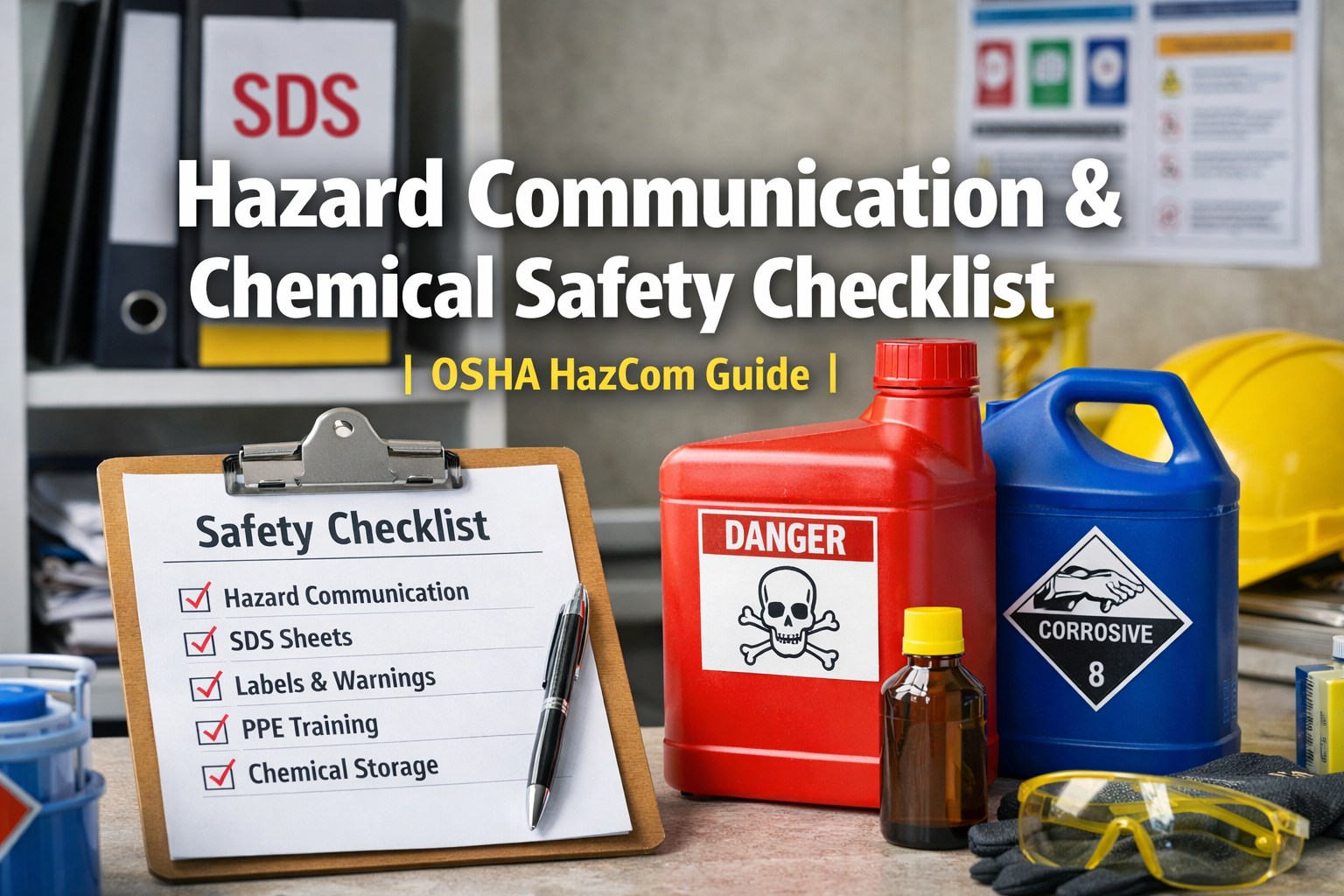
Critical hazardous material identification and asbestos control requirements:
2. Respiratory and Air Quality Hazards
Essential respiratory hazard identification and air quality monitoring:
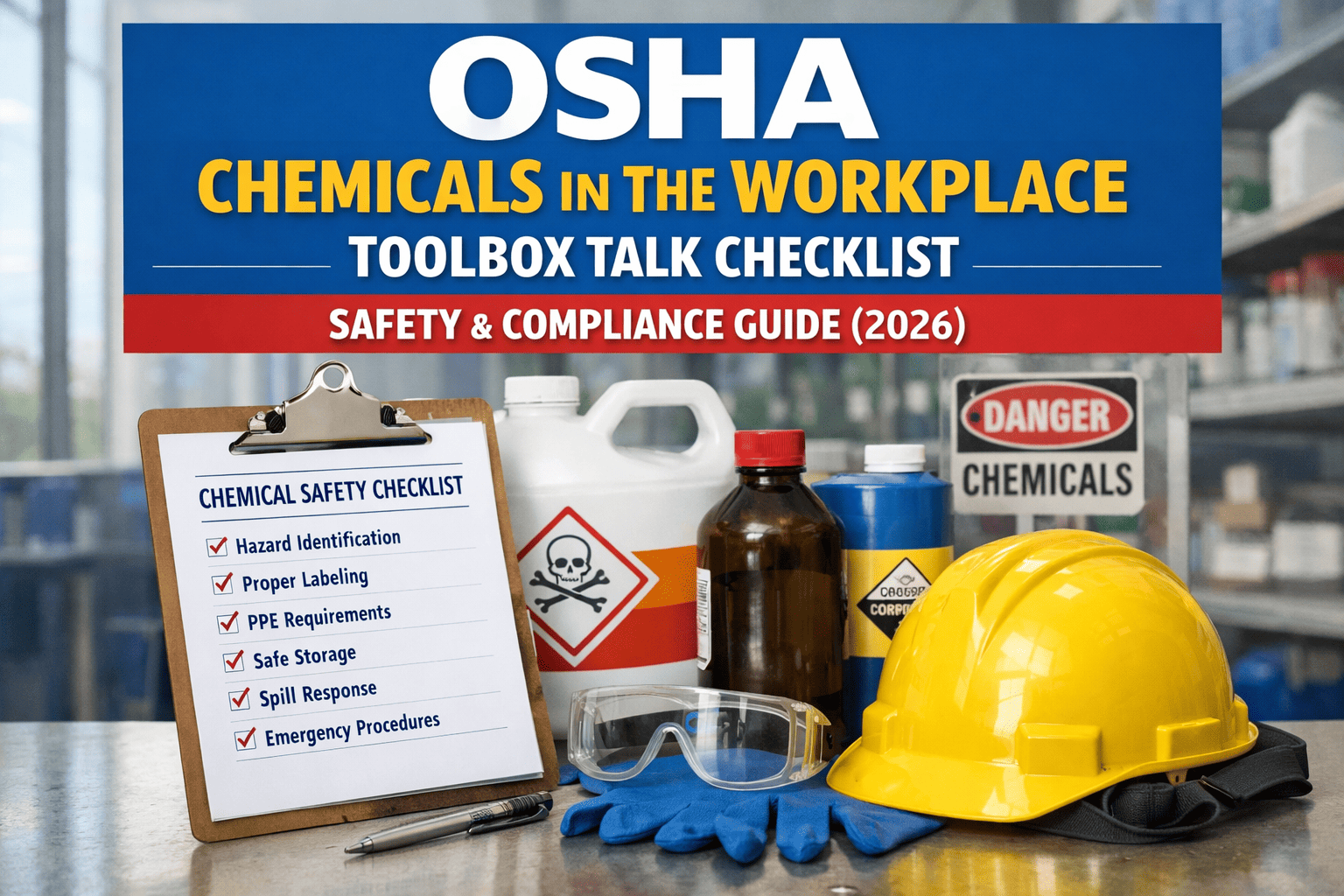
3. Chemical and Coating Hazards
Comprehensive chemical exposure and coating material hazard assessment:
4. Noise and Physical Hazards
Critical noise exposure and hearing protection requirements:
Why Use Digital Safety Management?
HVI App Benefits for Construction Health Hazard Control:
- ✓ Automate health hazard assessments and exposure monitoring documentation
- ✓ Track respiratory protection requirements and fit testing compliance
- ✓ Manage noise exposure monitoring and hearing conservation programs
- ✓ Maintain complete audit-ready records of all health hazard controls
- ✓ Create standardized assessment procedures and control verification protocols
- ✓ Ensure regulatory compliance with OSHA health standards and exposure limits
Frequently Asked Questions About Construction and Demolition Health Hazards
1. What are the most common health hazards in construction and demolition?
Common health hazards include silica dust exposure from concrete cutting and demolition, noise-induced hearing loss from power tools and equipment, respiratory hazards from welding fumes and chemical vapors, asbestos exposure during renovation work, lead paint disturbance, chemical exposures from coatings and solvents, and biological hazards in demolition environments.
2. When is respiratory protection required on construction sites?
Respiratory protection is required when workers are exposed to hazardous airborne contaminants above permissible exposure limits, including silica dust during concrete work, welding fumes, chemical vapors from paints and coatings, asbestos fibers, and other respiratory hazards. A written respiratory protection program with medical evaluations and fit testing is mandatory.
3. What noise levels require hearing protection in construction?
OSHA requires hearing protection when noise levels exceed 85 dBA as an 8-hour time-weighted average. Hearing protection must be available to all workers exposed to noise levels at or above 80 dBA, and a complete hearing conservation program is required when exposure reaches 85 dBA or higher for extended periods.
4. How should asbestos-containing materials be handled on demolition sites?
Asbestos-containing materials must be identified by a qualified person before any demolition work begins. If asbestos is present, only trained and certified asbestos abatement contractors can disturb or remove these materials following strict OSHA and EPA regulations, including containment, proper PPE, air monitoring, and regulated disposal procedures.
5. How does the HVI App help manage construction health hazards?
The HVI App automates health hazard assessments, tracks exposure monitoring results, manages respiratory protection and hearing conservation programs, maintains complete compliance records, creates standardized control verification procedures, and ensures regulatory compliance with OSHA health standards through digital documentation and automated reminders.
6. What is the OSHA silica standard for construction?
OSHA's silica standard limits respirable crystalline silica exposure to 50 micrograms per cubic meter as an 8-hour time-weighted average. Construction employers must use engineering controls (water suppression, dust collection), implement work practice controls, provide respiratory protection when needed, offer medical surveillance for high-exposure workers, and train employees on silica hazards and controls.
Take Action: Implement Comprehensive Health Hazard Control
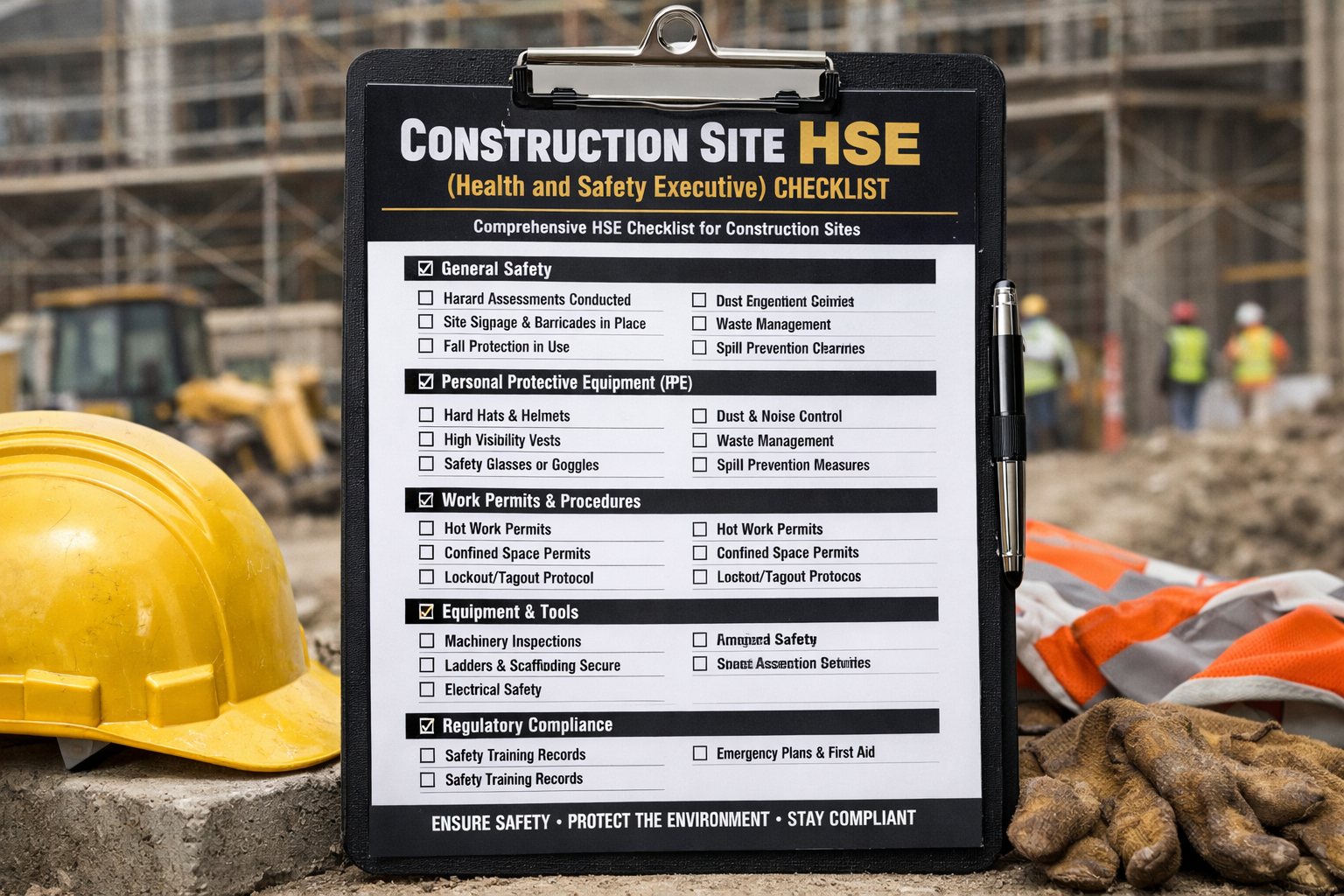
Download our FREE Construction and Demolition Health Hazard Checklist and start implementing safer, more compliant health protection procedures. Integrating digital safety management with your health hazard program streamlines every aspect of exposure assessment, control verification, and worker protection, ensuring your jobsites remain safe, compliant, and healthy. Experience the power of automated health hazard tracking to enhance your safety program and prevent occupational illnesses.
Protect Workers from Construction Health Hazards
Implement proven health hazard control: respiratory protection, noise monitoring, chemical exposure control, asbestos identification, and comprehensive safety measures—all managed digitally for complete regulatory compliance.