Importance of Earth Compactor Operating Procedures
Compaction Quality
- Proper operating procedures ensure consistent soil compaction density, which is critical for foundation stability, road longevity, and structural integrity. Following systematic compaction patterns and proper speed prevents weak spots and uneven settling.
Equipment Protection
- Pre-start inspections and correct operation techniques prevent premature wear on drums, hydraulic systems, and engine components. Early detection of issues like leaks or unusual vibrations saves thousands in repair costs and extends equipment life.
Operator Safety
- Systematic safety checks including ROPS condition, steering, brakes, and backup alarms protect operators from preventable accidents. Proper operating procedures minimize rollover risks, caught-between hazards, and equipment-related injuries on construction sites.
Site Productivity
- Well-maintained and properly operated compactors work efficiently, reducing rework and project delays. Regular monitoring of gauges and maintaining safe operating speeds maximizes productivity while preventing breakdowns that halt site operations.
Schedule a 30-minute demo to see how digital checklists prevent equipment failures
1. Pre-Start Checks
Critical pre-start inspection items before operating earth compactor:
Sign up now and digitize your pre-start inspections in under 5 minutes
2. Operational Checks
Essential operational system checks before beginning compaction work:
Book your personalized demo - see real-time safety compliance tracking in action
3. During Operation
Safe operating practices during earth compaction work:
Sign up free - track defects instantly with photo proof and automatic work orders
4. Post-Operation
Proper shutdown and post-operation inspection procedures:
Why Use Digital Equipment Management?
HVI App Benefits for Compactor Operations:
- ✓ Automate pre-start, operational, and post-operation inspection checklists
- ✓ Track equipment hours, maintenance schedules, and service alerts in real-time
- ✓ Document operator compliance with photographic evidence and GPS stamps
- ✓ Create instant work orders when inspection defects are identified
- ✓ Generate audit-ready safety compliance reports for regulators and clients
- ✓ Monitor fleet-wide equipment health and prevent unexpected breakdowns
Schedule a live demo - see automated equipment tracking save hours of paperwork weekly
Frequently Asked Questions About Earth Compactor Operations
1. Why are pre-start checks important for earth compactors?
Pre-start inspections identify potential mechanical issues before operation begins, preventing equipment damage, ensuring operator safety, and maintaining optimal compaction performance. Checking fluid levels, hydraulic systems, drums, and safety equipment prevents breakdowns that could halt site operations and create safety hazards.
2. What is ROPS and why is it critical for compactor safety?
ROPS (Roll-Over Protection Structure) is a safety framework that protects operators in the event of equipment rollover. It must be inspected regularly for structural integrity, cracks, or damage. Combined with proper seat belt use, ROPS significantly reduces fatality risk during rollover incidents on uneven terrain or near excavations.
3. How often should compaction drums be inspected?
Compaction drums should be inspected before each shift during pre-start checks and after operation. Look for cracks, deformation, excessive wear, and material buildup. Damaged drums reduce compaction quality, create vibration issues, and can lead to catastrophic failure during operation.
4. What are safe operating speeds for earth compactors?
Safe operating speeds vary by machine type and soil conditions, but generally range from 2-5 mph for vibratory compaction. Operating too fast reduces compaction effectiveness and increases rollover risk. Always follow manufacturer specifications and adjust speed based on terrain, soil type, and visibility conditions.
5. How does the HVI App improve compactor safety compliance?
The HVI App digitizes pre-start and post-operation checklists, ensuring all required safety checks are completed before equipment operation. It creates timestamped records with photo documentation, GPS location data, and operator signatures—providing complete audit trails for OSHA inspections and client safety requirements.
6. What should operators do if they notice unusual vibrations during operation?
Stop operation immediately and investigate the source. Unusual vibrations can indicate drum damage, loose components, hydraulic issues, or mechanical failures. Continuing to operate can cause severe equipment damage or create safety hazards. Document the issue and contact maintenance before resuming work.
Take Action: Implement Safe Compactor Operating Procedures
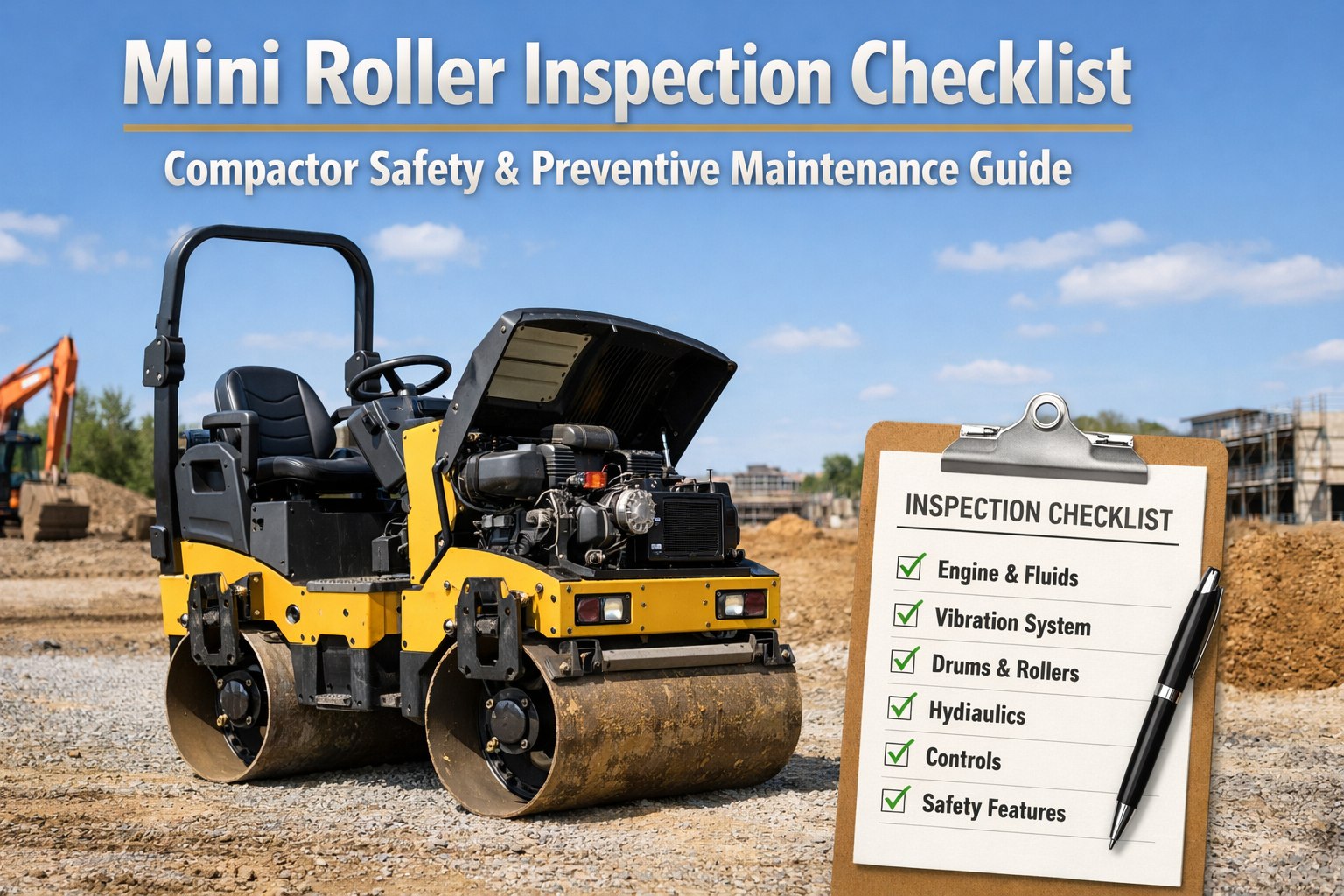
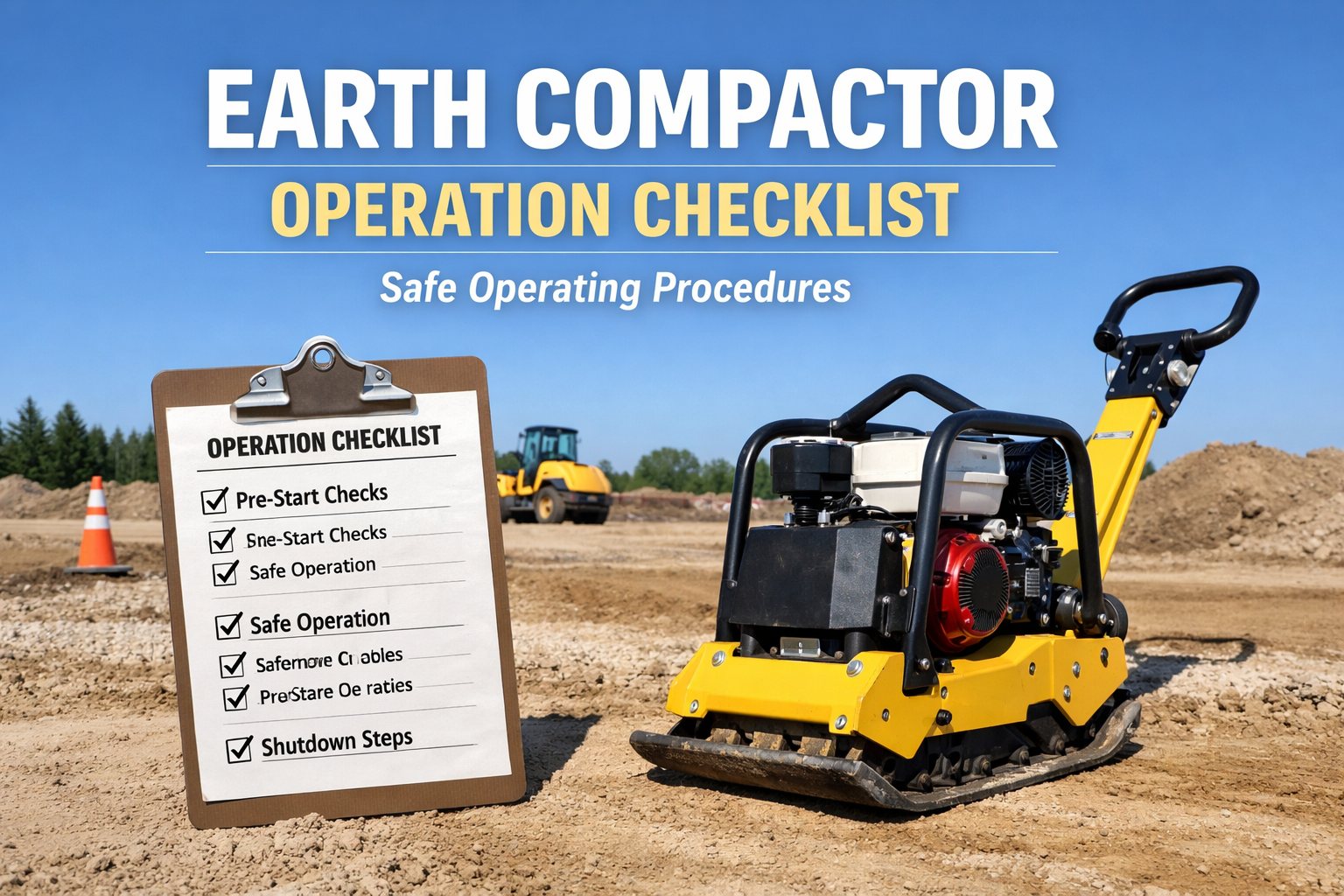
Download our FREE Earth Compactor Operation Checklist and establish systematic safety protocols for your equipment fleet. Integrating digital inspection management with your compactor operations ensures every operator follows proper procedures, maintains equipment health, and creates compliance documentation that protects your business. Experience the power of automated equipment tracking to enhance safety, prevent breakdowns, and improve jobsite productivity.
Ensure Safe and Effective Earth Compactor Operations
Follow comprehensive operating procedures: pre-start checks, operational safety, compaction monitoring, and proper shutdown—all documented automatically with digital equipment management.