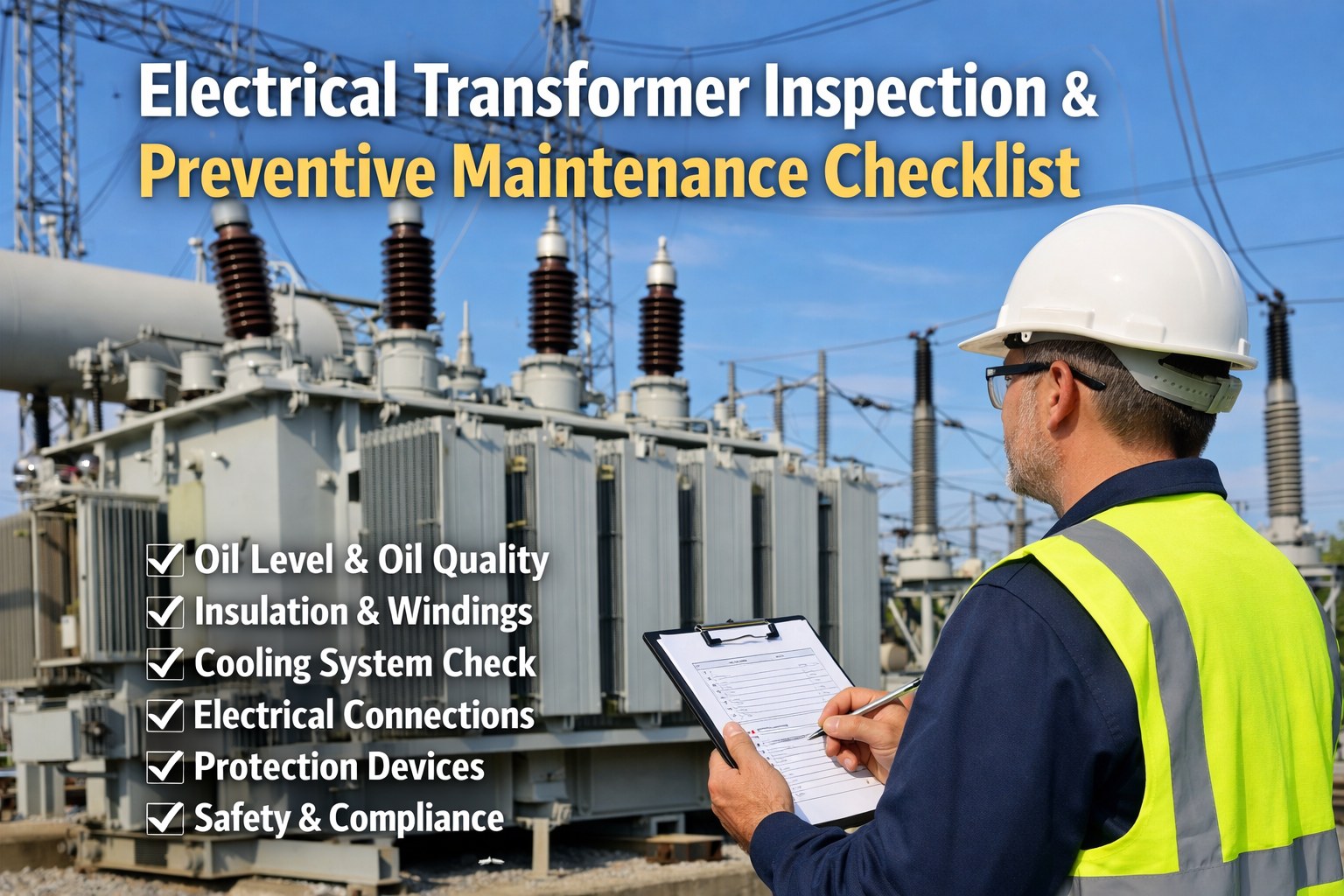
Importance of Transformer Inspection and Preventive Maintenance
Failure Prevention
- Regular transformer inspections prevent catastrophic failures by identifying oil degradation, insulation breakdown, overheating, and connection issues before they cause equipment damage or power outages.
Safety Assurance
- Comprehensive electrical safety inspections protect workers from arc flash hazards, electrical shock, and fire risks by ensuring proper grounding, guarding, and NFPA 70E compliance.
Regulatory Compliance
- Following transformer inspection protocols ensures compliance with OSHA electrical safety standards, NFPA 70E requirements, and manufacturer specifications, protecting your organization from citations and liability.
Reliability & Uptime
- Preventive maintenance extends transformer life, optimizes performance, and prevents unplanned downtime that disrupts operations and causes costly production losses.
Electrical safety
Critical electrical safety inspection items for transformer systems:
Why Use Digital Transformer Maintenance Management?
HVI App Benefits for Transformer Maintenance:
- ✓ Automate scheduled transformer inspections and PM intervals
- ✓ Track oil analysis results, temperature readings, and test data
- ✓ Document NFPA 70E compliance and arc flash boundary assessments
- ✓ Schedule preventive maintenance based on manufacturer recommendations
- ✓ Generate audit-ready records for electrical safety inspections
- ✓ Alert maintenance teams to abnormal conditions and required actions
Book a demo to see automated transformer maintenance tracking
Frequently Asked Questions About Transformer Inspection and Maintenance
1. Why is transformer preventive maintenance important?
Regular transformer PM prevents catastrophic failures, extends equipment life, ensures reliable power distribution, and protects workers from electrical hazards. Neglected transformers can fail suddenly, causing expensive downtime, equipment damage, and safety risks including arc flash incidents and fires.
2. How often should transformers be inspected?
Visual inspections should be performed monthly to check for oil leaks, unusual sounds, overheating, and physical damage. Comprehensive preventive maintenance including oil testing, insulation resistance testing, and connection tightening should be performed annually or per manufacturer recommendations. Critical transformers may require more frequent inspection.
3. What are the most common transformer failure causes?
Common failure causes include insulation breakdown due to moisture or aging, overheating from overloading or cooling system failure, loose connections causing arcing, contaminated or degraded transformer oil, lightning strikes, and inadequate maintenance. Regular inspections identify these issues before failure occurs.
4. What is NFPA 70E and why does it matter for transformer work?
NFPA 70E is the Standard for Electrical Safety in the Workplace. It establishes requirements for safe work practices, arc flash risk assessment, proper PPE, and qualified worker training when working on or near energized electrical equipment including transformers. Compliance protects workers and reduces liability.
5. What is the 36-inch clearance requirement for electrical equipment?
OSHA and the National Electrical Code require minimum 36 inches of clear working space in front of electrical equipment operating at 50-600 volts. This ensures safe access for operation, inspection, and maintenance while protecting workers from electrical hazards. The space must remain unobstructed at all times.
6. What is arc-rated (AR/FR) clothing and when is it required?
Arc-rated or flame-resistant (AR/FR) clothing protects workers from arc flash burns. NFPA 70E requires AR/FR PPE when workers are exposed to potential arc flash hazards while working on or near energized electrical equipment. The specific rating required depends on the arc flash incident energy level.
7. What is a Control of Hazardous Energy (LOTO) Program?
A Lockout/Tagout (LOTO) program establishes procedures for de-energizing, isolating, and securing electrical equipment before maintenance work. OSHA requires written LOTO programs and trained authorized workers to prevent accidental energization that could cause serious injury or death during transformer maintenance.
8. How does the HVI App help manage transformer maintenance?
The HVI App automates inspection scheduling based on time intervals, tracks maintenance history and test results, stores oil analysis data and temperature trends, manages LOTO procedures and qualified worker authorizations, generates compliance reports, and alerts teams to abnormal conditions requiring immediate attention.
Take Action: Implement Comprehensive Transformer Maintenance
Download our FREE Electrical Transformer Inspection & Preventive Maintenance Checklist and start implementing systematic transformer care. Integrating digital maintenance management with your inspection schedule ensures reliability, safety, and compliance while preventing costly failures. Experience the power of automated maintenance tracking to enhance electrical system performance and protect your workforce.
Keep Your Transformers Safe and Reliable
Follow a proven transformer inspection and PM schedule: electrical safety checks, NFPA 70E compliance, LOTO procedures, and qualified worker requirements—all tracked automatically with digital maintenance management.