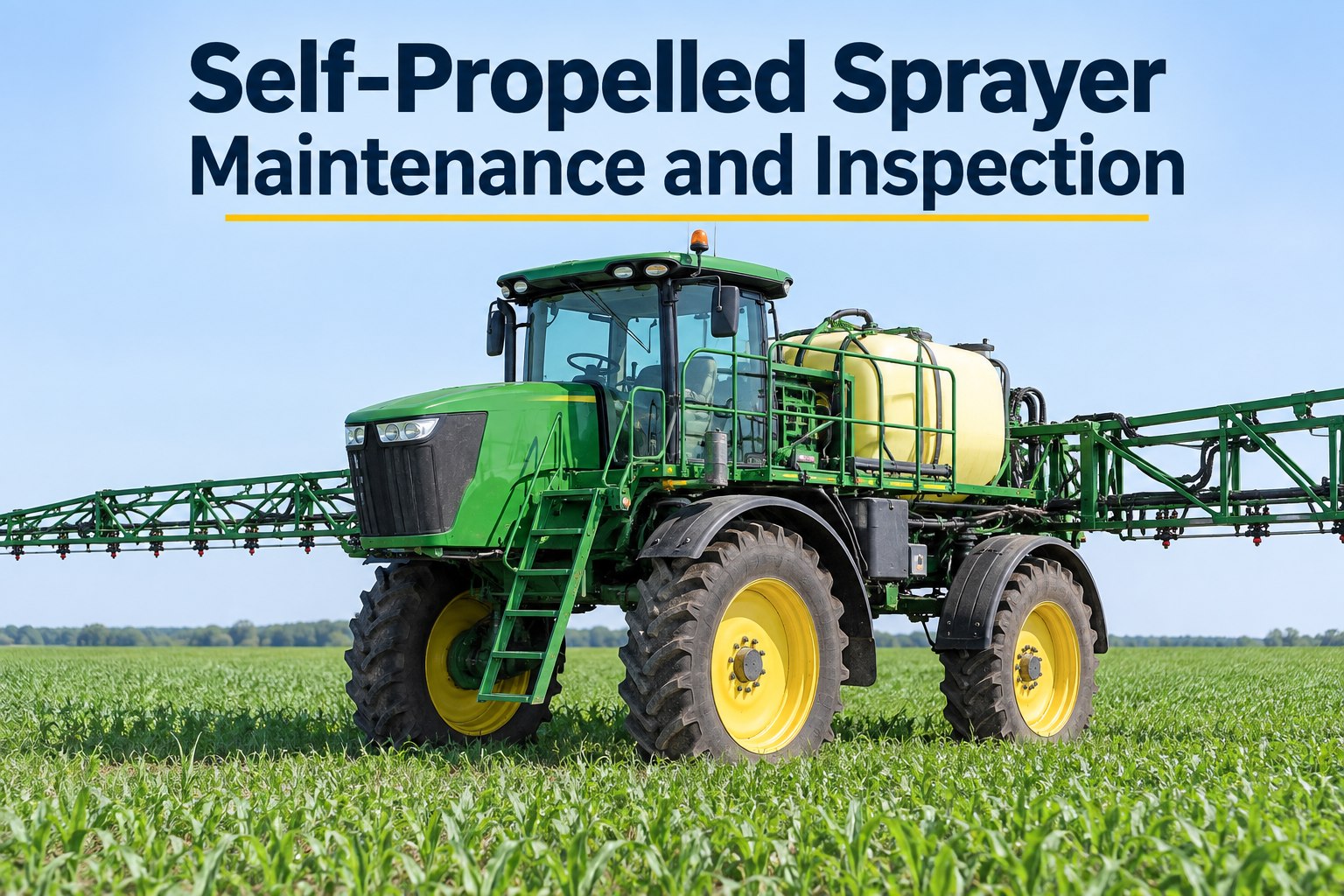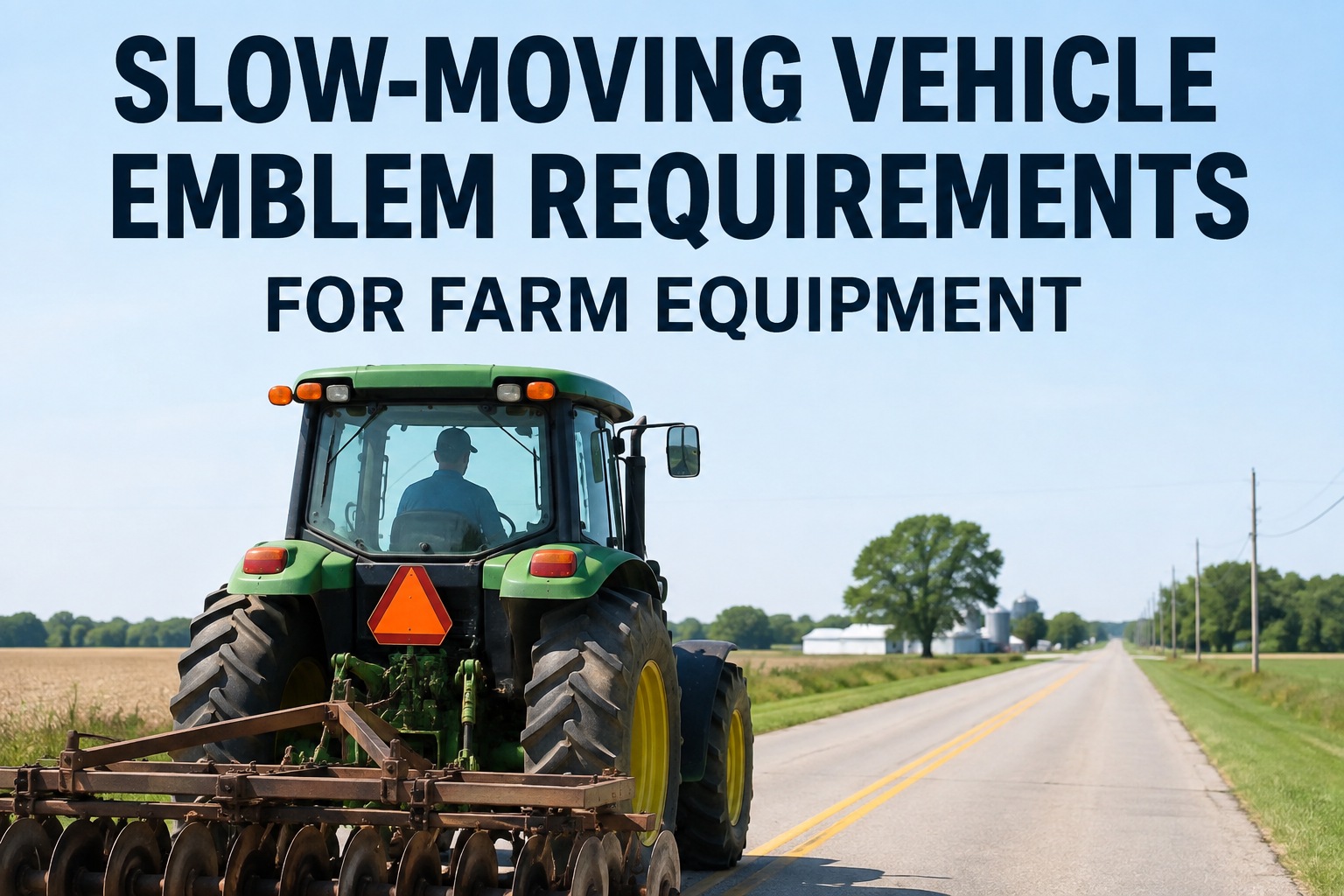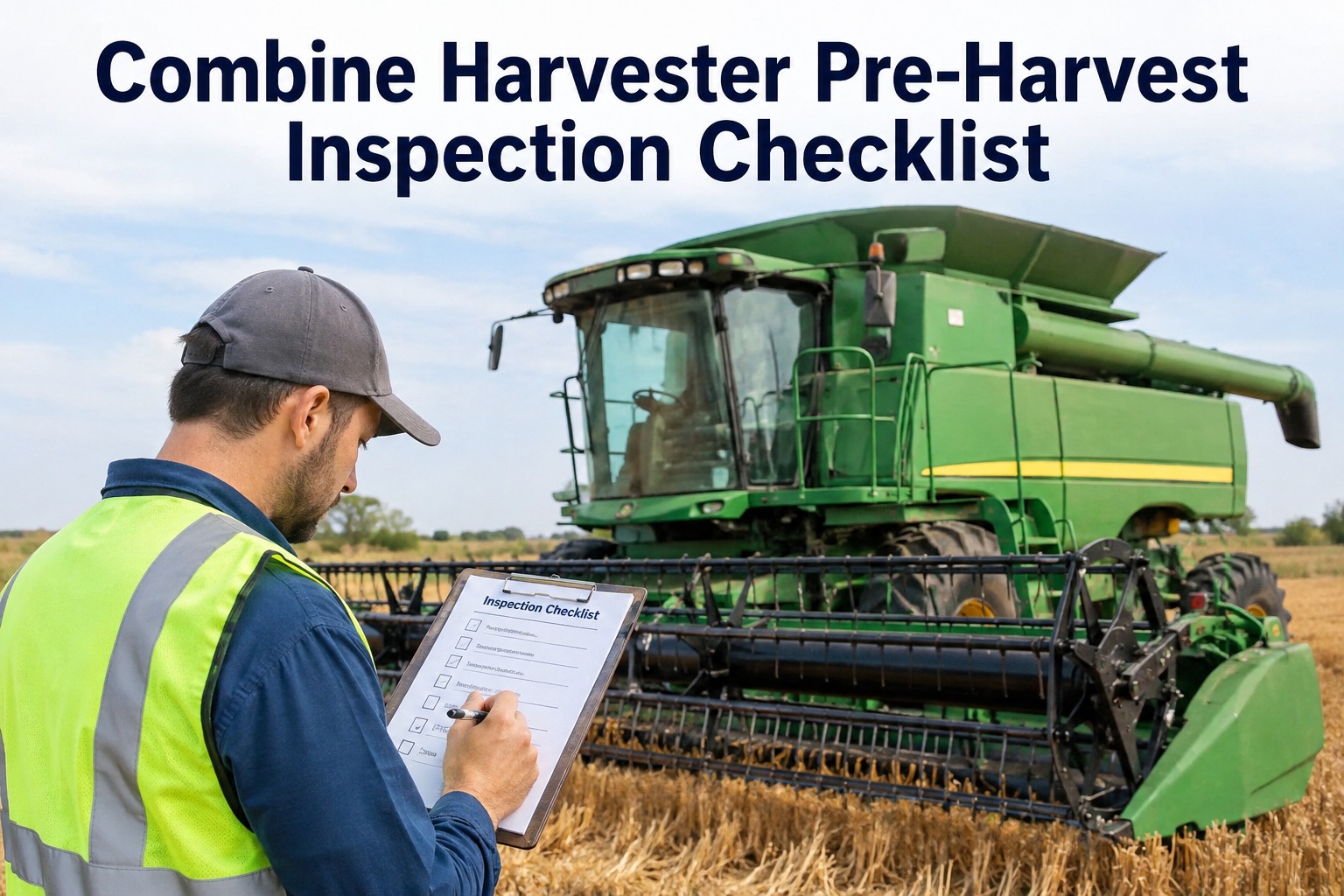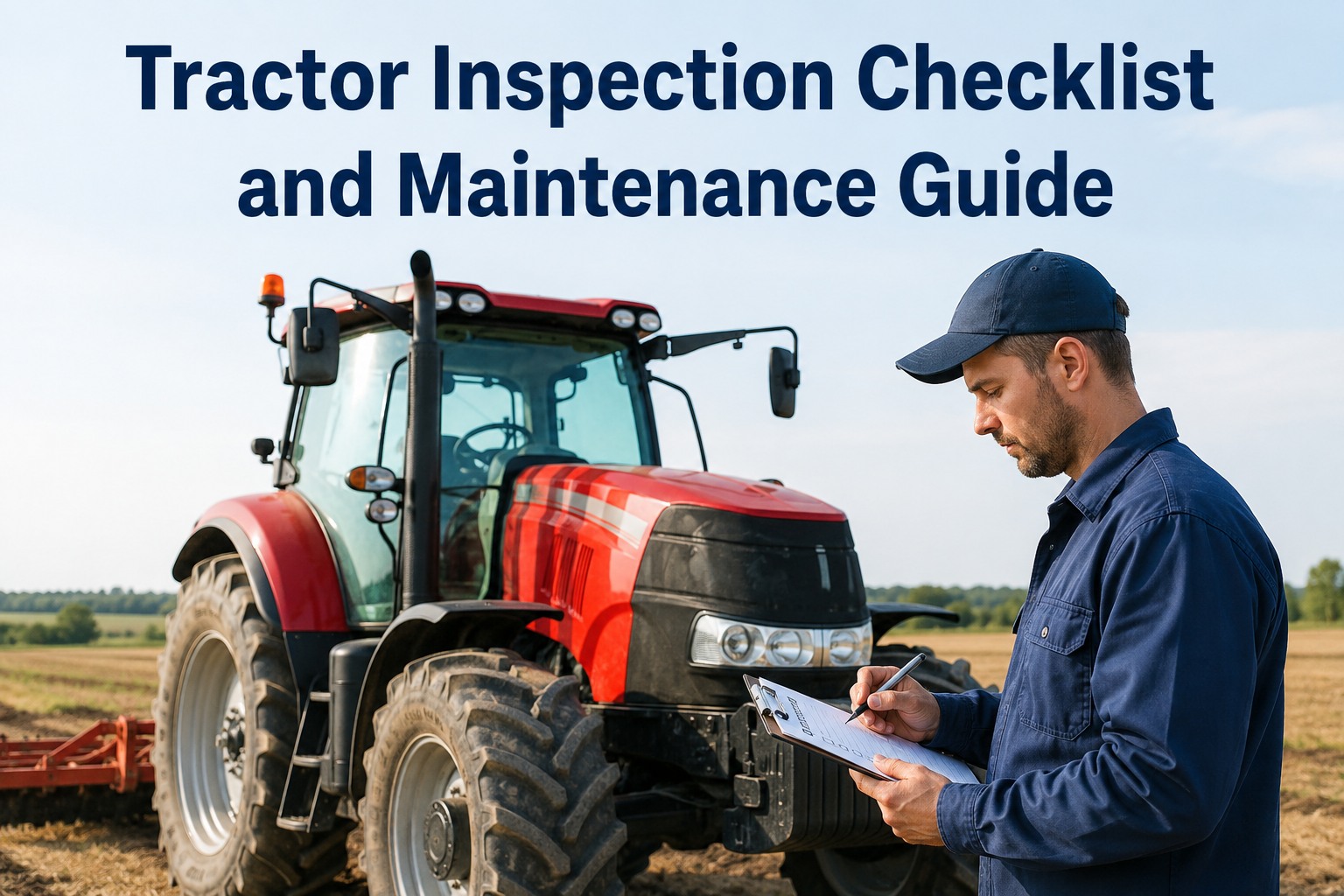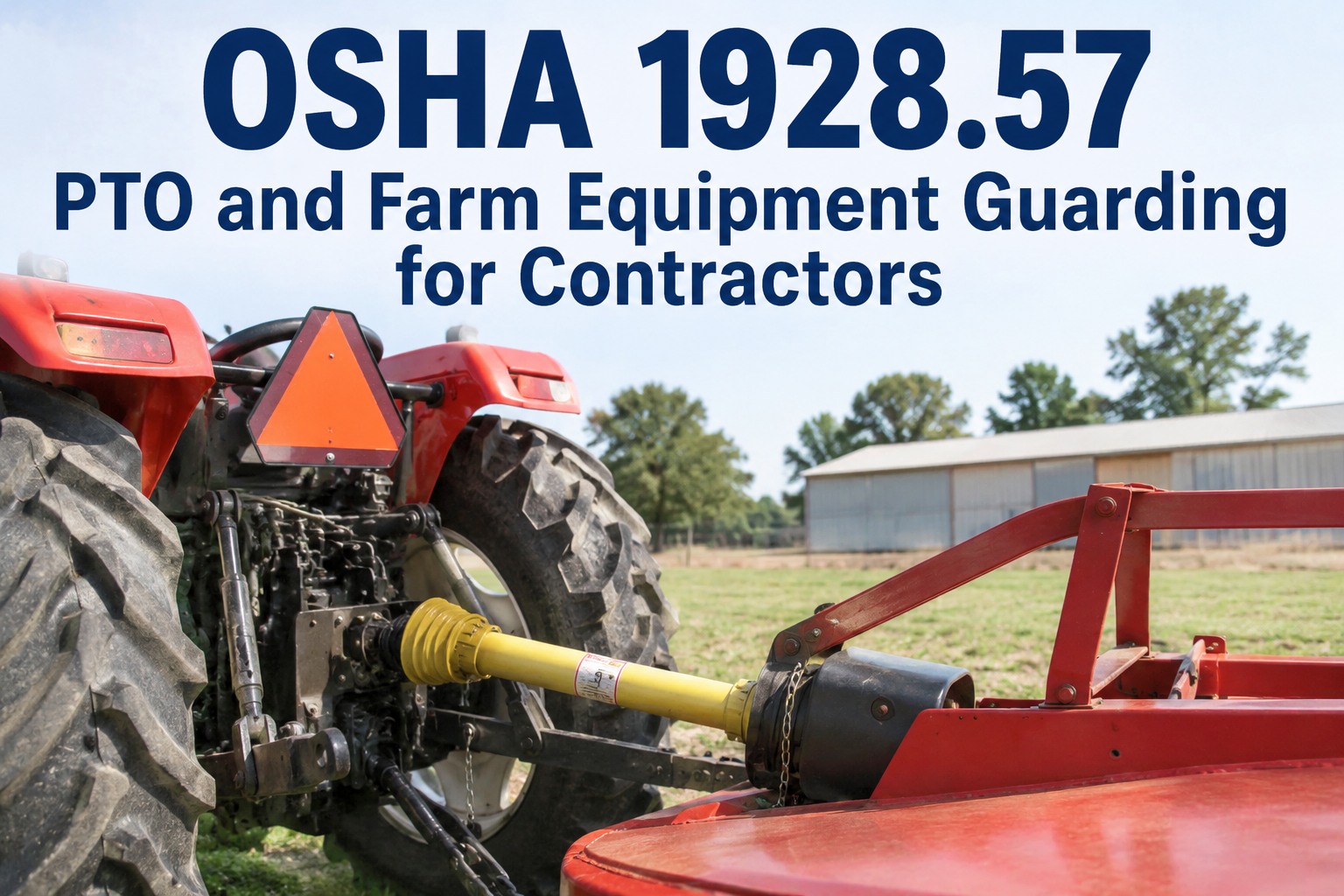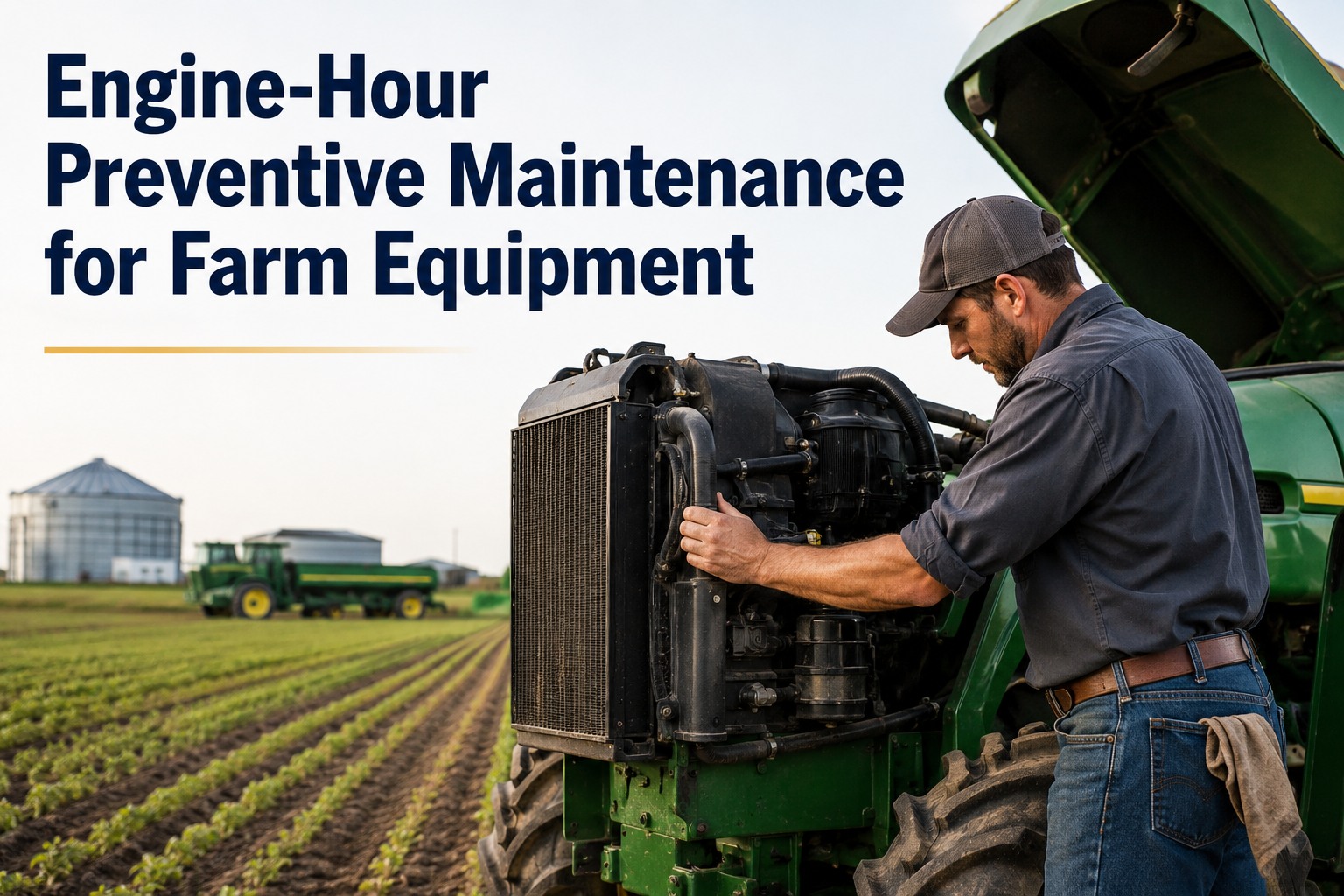
The pre-start inspection is the cheapest five minutes you will ever spend on a tractor, combine, or sprayer — and it is always the first thing cut when the weather window is closing and everyone is behind. A proper farm pre-start inspection checks engine and fluid levels, hydraulic leaks, tire condition and pressure, PTO shield integrity, and cab safety devices including ROPS and seat belt condition before a machine leaves the shed. The problem is not that operators do not know what to look for; it is that a clipboard checklist in a dusty cab does not survive a busy week, and the farm manager never sees the defects until a hose lets go in the back paddock. If you want a guided walkaround that actually gets done at first light, you can walk through it on your own units with a 30-minute setup.
FARM PRE-START INSPECTION APP
Five minutes at the shed door. Zero paper. Zero guesswork.
Guided mobile pre-start checks built for gloves, dust and first light. Voice notes replace typing, photos prove the defect, and the farm manager knows before the machine reaches the gate.
THE REAL COST OF SKIPPING THE CHECK
What a missed pre-start actually costs your farm
Every skipped check is a bet that today is the day nothing fails. Most days you win that bet. The day you lose, the numbers add up fast — and they land on the manager's desk, not the operator's.
Take a 200-hp tractor that burns through a hydraulic hose. Caught at the shed during a walkaround, you are looking at a $40 hose and twenty minutes. Caught when it lets go in the back field during seeding, you are looking at lost downtime, a service call, fluid top-up and possibly a tow. A pre-start check is not about finding every problem — it is about catching the obvious ones before they become the expensive ones. If you want to see how the numbers stack up on your own kit, you can walk through it on your own units with a live demo.
WHAT BELONGS ON THE CHECKLIST
The tractor pre-start checklist every operator should run
A tractor pre-start check covers the systems that, if they fail in the field, stop work entirely. These are the items that belong on every walkaround, every morning, on every unit.
Engine and fluids — before you turn the key
Hydraulics, tires and PTO — the failure points
Cab safety — ROPS, seat belt and controls
EQUIPMENT-SPECIFIC VARIATION
Combine pre-start checks: what a tractor does not have
A combine is not a tractor with a bigger front end. It has header, rotor and belt systems that a tractor does not have, and a combine pre-start check has to reflect that — otherwise you are inspecting the wrong machine.
| Check area | Tractor pre-start | Combine pre-start |
|---|---|---|
| Header | N/A — implement is attached separately and checked at the hitch | Header height, knife condition, auger guard and reel position checked before cutting |
| Rotor and concave | Not present on a standard tractor | Listen for unusual bearing noise, check concave clearance setting for the crop |
| Belts and drives | PTO shaft guard checked at the hitch point | All drive belts checked for tension, fraying and tracking — a thrown belt at harvest costs a day |
| Engine and fluids | Oil, coolant, hydraulic, fuel | Same baseline, plus engine air cleaner check in dusty harvest conditions |
| Tires and tracks | Pressure and condition, front and rear | Pressure and condition, plus track tension on tracked combines |
| Cab safety | ROPS, seat belt, mirrors, lights | Same baseline, plus fire extinguisher checked — harvest fire risk is real |
The point is that a guided checklist per machine type is not a nice-to-have. If you run the same tractor checklist on a combine, you miss the header, the rotor and the belts — which is exactly where a combine fails. HVI loads the right checklist for the right machine, so the operator sees combine items on a combine and tractor items on a tractor. If you run a mixed fleet, you can see the machine-type setup on a live demo and check it against your own lineup.
THE FIVE-MINUTE DESIGN CONSTRAINT
Why anything over five minutes will not survive a busy week
You can design the most thorough inspection sheet in the world. If it takes twelve minutes at first light, in week two it becomes a tick-and-flick exercise. The constraint is not the checklist — it is the operator's attention span when there is work to do.
Voice notes, not typing
Operators wearing gloves cannot type on a phone screen. Voice notes on every checklist item mean the defect gets described in words, not guessed at from a checkbox.
Photo on every item
A photo of the cracked hose or the missing PTO shield is worth a paragraph of text. The manager sees exactly what the operator saw, without a phone call.
Instant defect alert
The moment an operator flags a defect, the farm manager gets a notification. No waiting for the clipboard to come back to the office at the end of the day.
Signed PDF report
Every check generates a timestamped, signed PDF. That is your proof the inspection happened — for safety audits, insurance claims and client assurance.
BEFORE AND AFTER THE APP
Paper clipboard vs mobile inspection: what actually changes
The shift is not from paper to screen. It is from "nobody knows" to "everybody knows, instantly." Here is what that looks like on a real morning.
- Operator grabs a clipboard from the shed, ticks boxes from memory
- Defects noted in handwriting no one can read later
- Clipboard stays in the cab, gets dusty, goes through the wash
- Manager finds out about the hydraulic leak when the machine stops in the field
- No proof the check happened — just a missing sheet
- Operator opens app, scans machine, guided checklist loads automatically
- Voice note and photo on any defect — no typing with gloves on
- Checklist lives on the phone, same place every morning, can not be lost
- Manager gets a defect alert the moment it is flagged, before the machine moves
- Signed, timestamped PDF report stored in the cloud — audit-ready
The operator's morning does not get longer. It gets visible. The same five minutes produces a record you can hand to an auditor, an insurer or a client without phoning anyone. If that is the shift you are after, you can start logging inspections free and run it on your next shift.
WORKED EXAMPLE
The math: what one caught defect saves
Take a mid-season morning. An operator spots a fraying hydraulic hose during the walkaround. Here is what that five-minute check is worth, compared to the same hose letting go in the field two hours later.
That is ten times the cost for the same hose, same machine, same day — the only difference is when you found it. One caught defect pays for the app for the year. If you want to run that math on your own fleet's common failures, you can see the cost reporting on a live demo and judge it for yourself.
HOW HVI HELPS
How HVI turns the farm daily checklist into an audit-ready record
HVI is not just a digital clipboard. It is the connective tissue between the operator's walkaround and the manager's desk — with the work order, the parts and the history all linked to the same machine.
5-minute guided pre-start per machine type
The right checklist loads for the right machine — tractor, combine, sprayer, truck. Operators follow a guided walkaround that takes five minutes, not fifteen. The outcome: the check actually gets done, every morning, on every unit.
Photo and voice note on every checklist item
Every item can carry a photo and a voice note. No typing with gloves, no guessing at handwriting. The outcome: the manager sees the cracked hose, not a ticked box that says "hose — OK."
Instant farm manager notification on any flagged defect
The moment an operator flags a defect, the manager's phone buzzes. The outcome: you decide before the machine moves whether it is a fix-now, a fix-tonight or a watch-item — not after the breakdown.
Signed PDF report, stored and audit-ready
Every check generates a timestamped, signed PDF in the cloud. The outcome: when the auditor, insurer or client asks for proof, you hand them a link — not a promise that someone checked it.
Beyond the pre-start, flagged defects flow straight into work order management — so the hose that got spotted at 6am is a work order by 6:05, with parts pulled from inventory and the repair tracked against the machine's history. If you want to see that flow on your own setup, book a walkthrough with your machine types and we will show you the full chain.
KEY TAKEAWAYS
The farm pre-start inspection, done right
A pre-start check is not about finding every problem. It is about catching the obvious ones before they become the expensive ones — and having proof that you looked.
Five minutes is the ceiling
Anything longer than a five-minute farm pre-start inspection will not survive a busy week. Guided mobile checks keep it inside that window, every morning.
Right checklist for the right machine
A tractor pre-start check and a combine pre-start check are not the same. Header, rotor and belt checks belong on a combine — and only on a combine.
Voice and photo beat typing
Operators in gloves will not type. Voice notes and photos on every checklist item mean defects get recorded accurately, not guessed at.
Proof, not promises
A signed, timestamped PDF is your evidence for every safety, insurance and client audit. No more missing clipboard sheets.
"We used to find out about a blown hose when the tractor stopped in the field. Now the operator flags it at the shed, I get the photo on my phone, and the part is pulled before the machine moves. One caught defect paid for the app for the year — and I stopped phoning operators to ask if they actually checked anything."
— Darren Hess, Maintenance Manager, Hess Grain Operations
FAQ