A demolition excavator can arrive on site with a healthy engine and still lose the shift to a cracked hydraulic hose, loose breaker pin or dust-blocked cooling pack. Managing Book a Demo to Manage Demolition Contractor Equipment means knowing which machines and attachments are safe to assign, what needs service, and which defects must be resolved before the next cut. This guide connects daily checks, preventive maintenance and repair accountability into one practical program.
The machine is on site.
Is it ready to break?
Dust, debris and high-impact attachments punish equipment differently from ordinary earthmoving. Catch the defect before it becomes a stopped demolition shift.
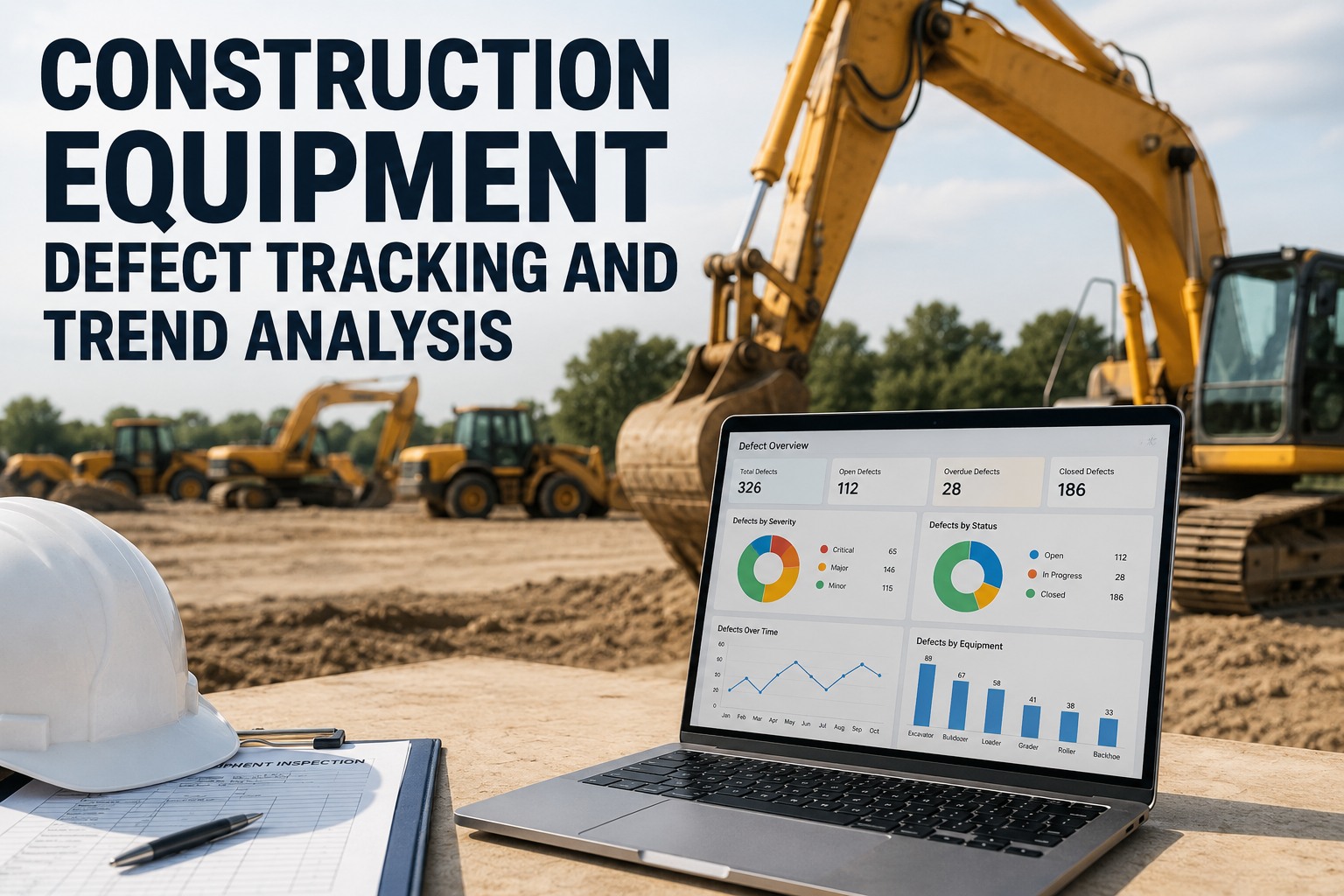
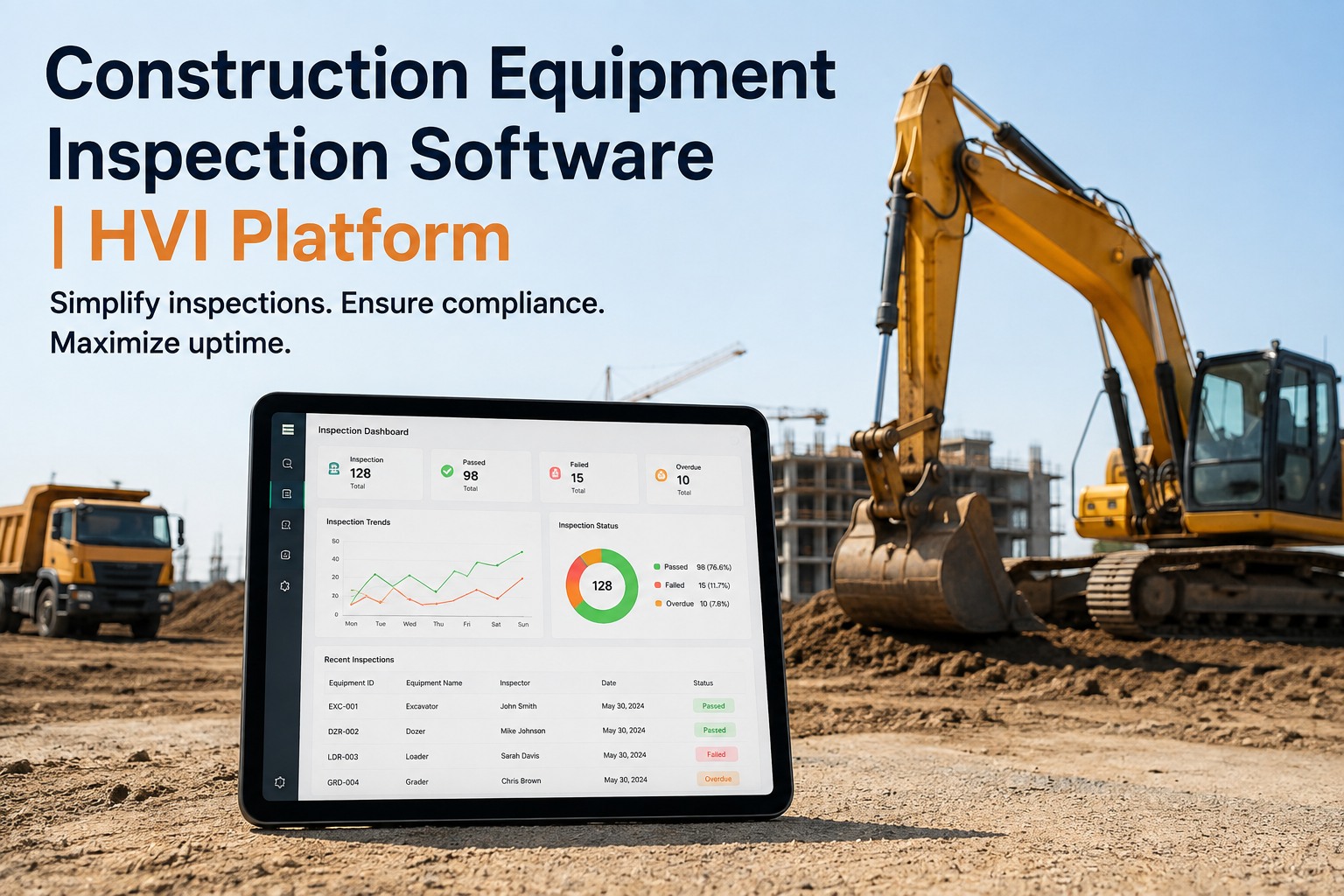
Illustrative records—not a live HVI dashboard or automatic machine telemetry.
The job punishes more than the engine
Inspection plans should follow how demolition equipment actually fails—not just a generic vehicle checklist.
Impact & vibration
Breaker pins, bushings, mounts and attachment connections loosen or wear under repeated impact.
Hydraulic stress
High loads expose hose abrasion, leaking fittings, cylinder damage and overheating.
Dust & debris
Cooling packs, air intakes, seals and undercarriages need closer condition checks.
Attachment swaps
Breakers, shears, grapples and buckets move between machines and sites; history must follow each asset.
A pre-start inspection built for demolition
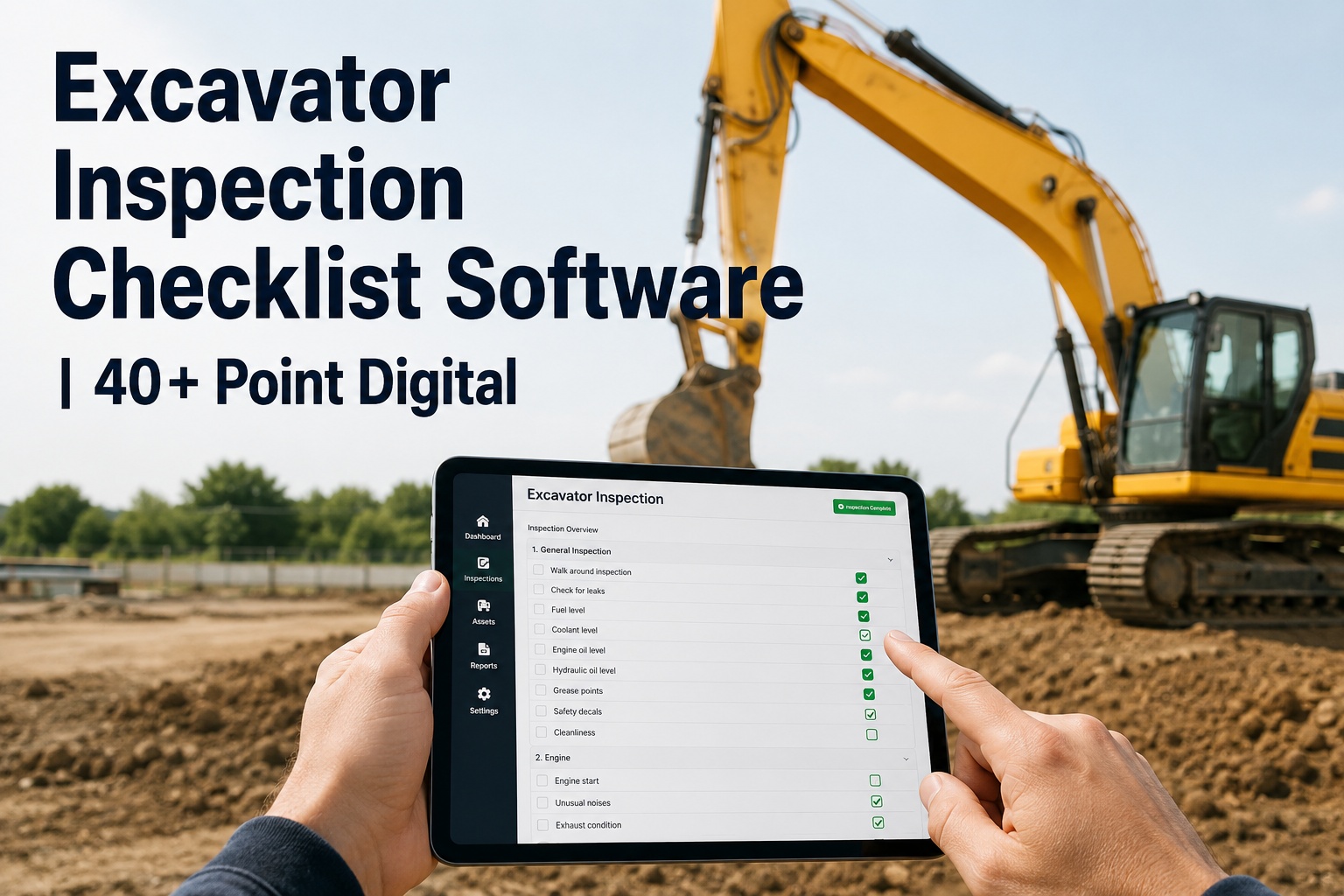
Check the carrier and the attachment as separate assets before the machine enters the work zone.
Carrier: excavator or loader
- Undercarriage, tracks or tires, guards and access steps
- Leaks, hoses, fittings, cylinder rods and hydraulic temperature concerns
- Cooling pack, air intake, filters and debris accumulation
- Lights, alarms, cameras, visibility and operator controls
Attachment: breaker, shear or grapple
- Coupler engagement and locking arrangement per manufacturer
- Pins, retainers, bushings, tool wear and structural cracks
- Hydraulic lines, abrasion protection and coupling condition
- Attachment-specific lubrication and service requirements
Use these as planning examples; site-specific hazards, manufacturer instructions, competent-person assessments and applicable rules determine the actual inspection and removal-from-service requirements.
One machine, several jobsite decisions
Every move or attachment change is a chance for condition information to get lost.
Yard release
Confirm asset ID, open defects and upcoming service before dispatch.
Site arrival
Inspect condition after transport and confirm the assigned attachment.
Shift operation
Log new defects, operating hours and condition changes promptly.
Repair & return
Document work completed and verify readiness before reassignment.
An attachment should not inherit a clean status simply because its carrier passed inspection. Keep each breaker, shear and grapple identifiable, with its own checks and maintenance history. Sign Up Free to Create Equipment Asset Records.
Schedule for duty, not just the calendar
Demolition duty can be severe. Combine manufacturer intervals with operating hours, conditions and inspection findings.
Practical scheduling rule
Use the OEM schedule as the baseline. Review intervals when dust, impact or long shifts accelerate wear, and record why any adjustment was made.
Example planning approach—not universal service intervals.Make equipment exceptions visible before dispatch
A simple exception review is more useful than a long list of assets with no decision attached.
| Asset | Condition | Next action | Owner |
|---|---|---|---|
| EX-12 · Excavator | Inspected | Release after site checks | Site supervisor |
| BR-04 · Breaker | Hold | Inspect retaining pin | Maintenance lead |
| LD-07 · Loader | PM upcoming | Plan service window | Fleet manager |
| SH-02 · Shear | Repair review | Verify hydraulic repair | Technician |
Which scheduled checks were actually submitted?
Which assets should remain unavailable?
What needs a service slot before assignment?
Which fixes are documented and approved?
Review these exceptions at the start of each shift and at weekly maintenance planning. HVI can organize inspections, maintenance history and work order records; it is not a substitute for on-site safety decisions. Book an HVI Demo to Review Equipment and Maintenance Records.
Start with the equipment most likely to stop the job
A focused rollout gives crews a usable routine without waiting for a perfect asset database.
Register priority assets
Identify carriers, attachments, IDs, sites and responsible owners.
Standardize checks
Configure equipment-specific pre-start forms and defect severity rules.
Plan maintenance
Load applicable service triggers and review overdue tasks.
Close the loop
Audit defect closure, repair evidence and shift handovers.
This is a suggested implementation sequence, not a promised HVI deployment timeframe.
Demolition contractor equipment: FAQs
Quick answers for maintenance managers and site supervisors.
What equipment should a demolition contractor track?
Track excavators, loaders, skid steers, breakers, shears, grapples and other powered or safety-critical assets. Give interchangeable attachments their own asset records so inspections, defects and maintenance histories follow the attachment rather than only the carrier.
What belongs on a demolition equipment inspection checklist?
Check hydraulic systems, leaks, hoses, couplers, pins, guards, cooling and filtration, undercarriage, alarms and operator controls. Add attachment-specific checks and site hazards. Use manufacturer guidance and site procedures to finalize each checklist.
How often should demolition equipment be inspected?
Pre-use checks and other inspection frequencies depend on the equipment, manufacturer instructions, applicable regulations and site risk. Demolition's dust, vibration and impact may justify additional condition checks. Do not assume one universal interval applies to all machines or attachments.
How can contractors reduce unplanned equipment downtime?
Capture defects early, prioritize safety-critical repairs, schedule maintenance around actual duty and document verification before release. Review recurring failures to adjust checks, spares and maintenance planning.
How does HVI support demolition contractor equipment management?
HVI supports equipment asset records, configurable digital inspection checklists, preventive maintenance scheduling and work order and maintenance history tracking. These records help managers coordinate readiness and repairs; qualified personnel remain responsible for safety assessments and equipment authorization.