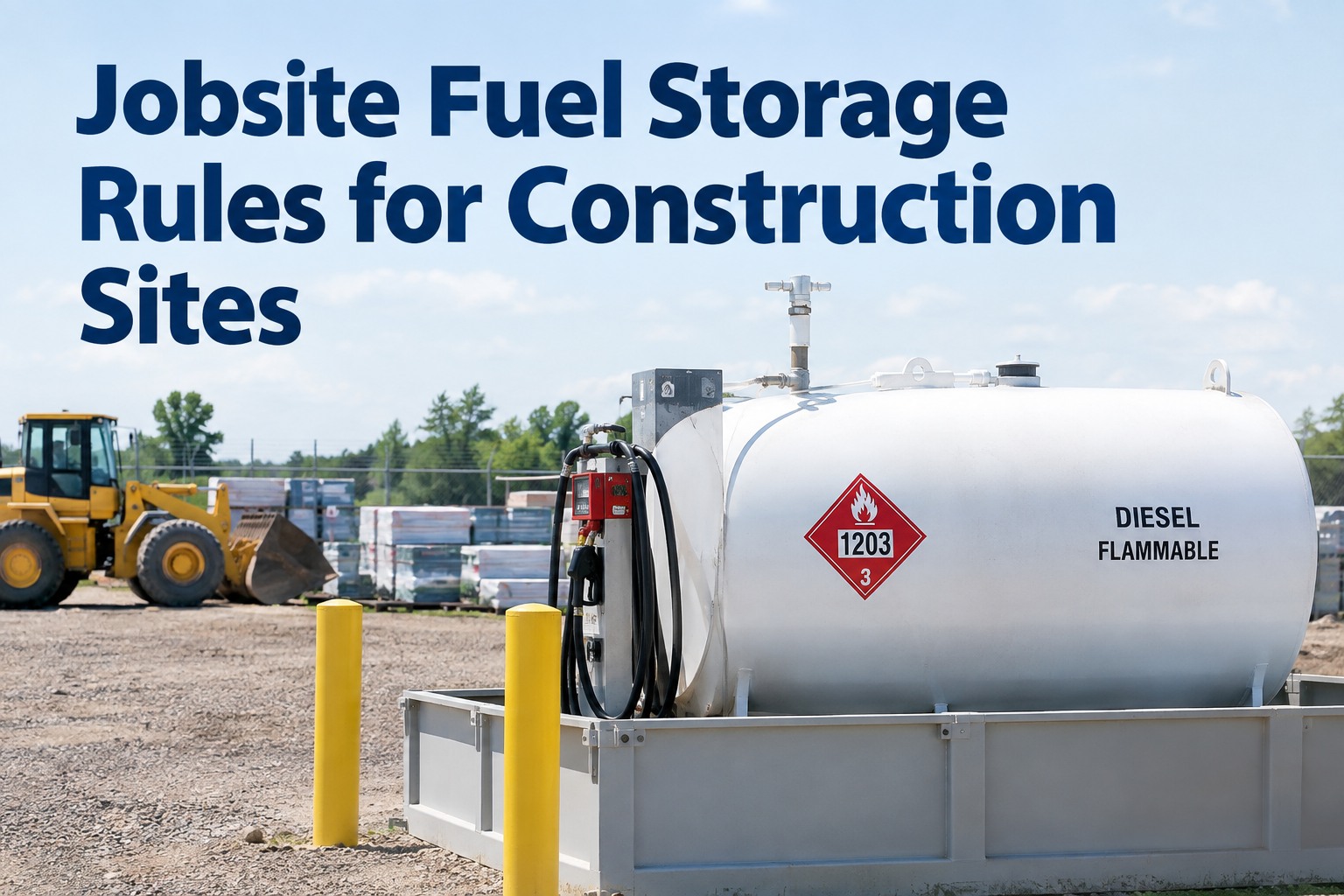
A site that was supposed to be routine excavation turns up an old drum nobody logged, or soil that smells wrong or groundwater test results that come back with numbers nobody wants to explain to a client. The moment that happens, the question stops being "how do we finish this job" and becomes "does this site now fall under hazwoper construction rules." Getting that call wrong in either direction is expensive — over-applying HAZWOPER burns time and budget on training and PPE the job doesn't need, while under-applying it puts a crew in a hazard they were never trained or equipped to handle.
HAZWOPER Requirements for Contaminated Construction Sites: What Actually Applies, and to Whom
Training tiers, protection levels, and site control zones that only make sense once you know which one your crew is actually working under.
This is a practical overview, not legal or industrial hygiene advice. HAZWOPER determinations depend on site-specific facts and applicable state plan requirements — confirm your specific obligations with OSHA, your state's occupational safety agency, and a qualified safety professional before making compliance decisions.
When Does a Construction Site Actually Trigger HAZWOPER?
HAZWOPER construction requirements — 29 CFR 1926.65, which mirrors the general industry standard at 1910.120 — apply to a specific set of situations: cleanup operations at uncontrolled hazardous waste sites, corrective actions at RCRA-regulated facilities, operations at treatment, storage, and disposal facilities, and emergency response to releases of hazardous substances. Not every construction site with a contamination concern automatically falls under it. A job that generates ordinary hazardous materials handled through routine work procedures — covered instead by standards like Hazard Communication or general PPE requirements — doesn't necessarily trigger the full HAZWOPER framework.
What does trigger it is an uncontrolled or unknown hazard: a site where the type, concentration, or extent of contamination hasn't been fully characterized, or a release that requires a coordinated response beyond what the workers already on site can safely manage alone. The determination has to be documented, not assumed — treating a site as HAZWOPER-covered, or confidently treating it as exempt, both require a real hazard evaluation behind the decision. Book a demo to see how that hazard determination gets documented the moment a site condition changes, not reconstructed after the fact.
Training Tiers: 40-Hour, 24-Hour, and the Refresher That Keeps Both Valid
General site workers
For workers with routine, high-level, or long-term exposure potential at or above permissible exposure limits — cleanup crews, equipment operators, and general labor at an uncontrolled hazardous waste site. Generally paired with supervised field experience and medical clearance before independent work begins.
Occasional site workers
For workers with limited, occasional exposure unlikely to exceed permissible exposure limits — groundwater monitoring, land surveying, and similar limited-task roles at the same type of site. Also generally paired with supervised field experience.
Annual refresher
Required every 12 months for anyone trained at either the 40-hour or 24-hour level. A lapsed refresher generally means the worker can't legally perform covered work until it's completed.
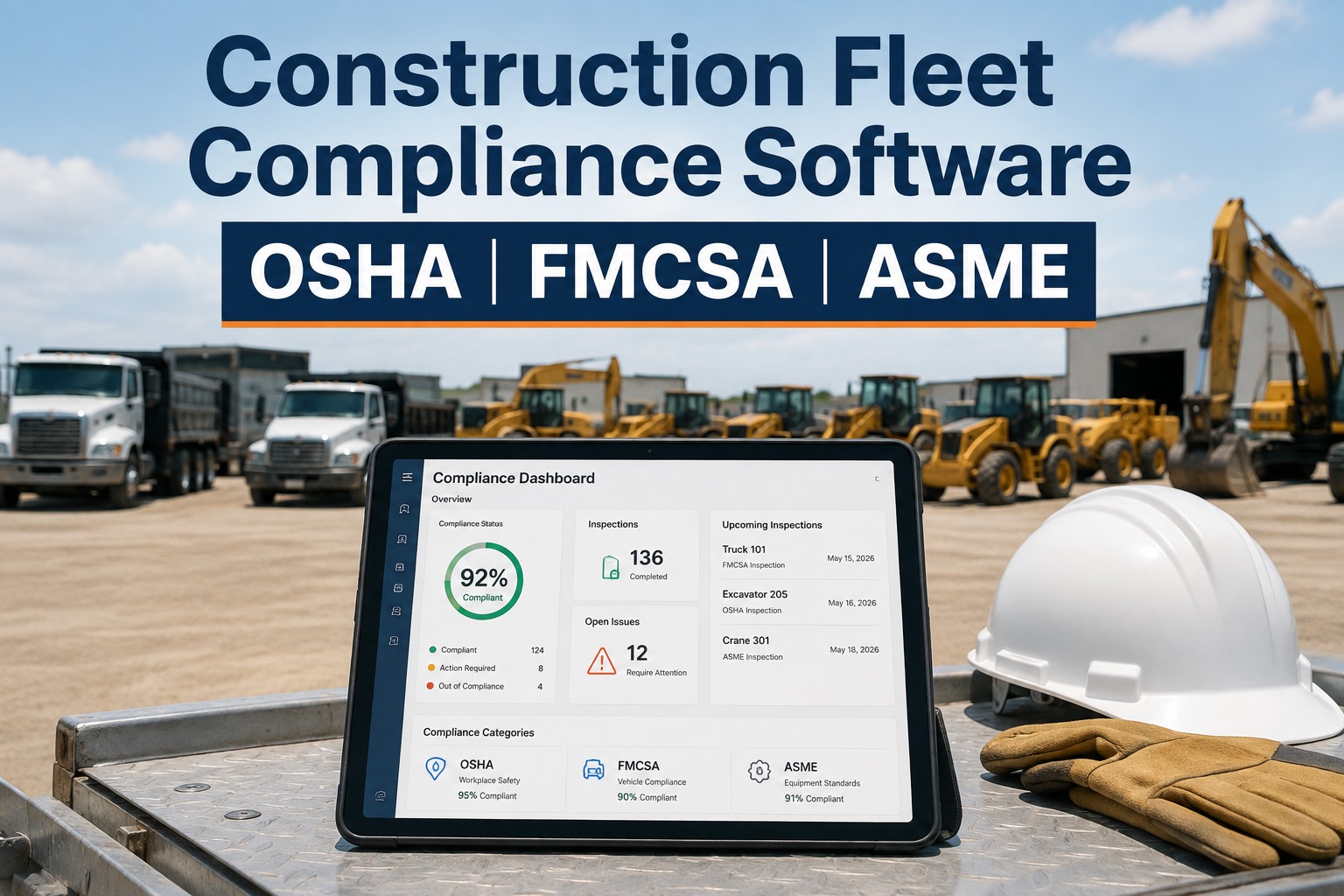
Supervisors overseeing HAZWOPER work generally need the same training level as the crew they manage, plus additional supervisory instruction. Book a demo to see how HVI tracks each worker's training tier and refresher due date automatically, instead of a spreadsheet someone has to remember to update.
Four Levels of Protection, One Site
The standard's non-mandatory Appendix B outlines four PPE protection levels. Which one applies isn't a fixed choice — it's reassessed continuously against site conditions and air monitoring results, and can be upgraded or downgraded as those conditions change.
Level D is often misapplied as a default rather than a confirmed conclusion — it's appropriate only after monitoring data backs it up, never assumed because a site "looks clean." Any new information suggesting an airborne contaminant, splash risk, or unknown substance requires an immediate upgrade.
Three Zones, One Site Control Plan
A controlled HAZWOPER site is organized in concentric zones, and keeping contamination inside the right one is the entire point of the layout.
Command post, recordkeeping, medical station — nothing contaminated enters here
The decon corridor — PPE and equipment are cleaned before crossing outward
Where the actual contamination is — access controlled at the "hotline" boundary
Decontamination stations sit in the contamination reduction zone by design, with wash areas, changing zones, and strict protocols for removing contaminated gear before anyone or anything crosses back toward the support zone. Skipping a decon step, or letting the zones blur together on a busy site, is exactly how contamination ends up somewhere it was never supposed to travel.
Site Characterization and the Plan That Ties It Together
Before anyone enters a new site, a qualified person has to conduct a preliminary evaluation identifying the hazards present, including any areas immediately dangerous to life or health, areas exceeding published exposure limits, or areas with elevated radioactive dose. That evaluation is what everything else in this article depends on — the training tier assigned, the PPE level selected, and how the zones get drawn all trace back to it.
All of it gets documented in a written Health and Safety Plan, which specifies PPE requirements by task and zone, decontamination procedures, exposure monitoring protocols, and emergency response steps specific to that site. A HASP that exists only as a template nobody customized for the actual conditions found on site isn't much better than having none — start a free trial to see site-specific hazard documentation built from the inspection itself, not copied from last year's project file.
What a Safety Manager Actually Deals With
The hardest part isn't running a HAZWOPER site once we know it's one — it's the gray-area call at the start, when a routine excavation turns up something we didn't expect and someone asks me, right there, whether we keep digging.
Having training status and site records in one place means I can actually answer that question with data instead of gut instinct. I know exactly who's 40-hour certified, who's due for refresher, and what PPE level the last air monitoring reading actually supports.
Frequently Asked Questions
What is HAZWOPER and when does it apply to a construction site?
HAZWOPER (Hazardous Waste Operations and Emergency Response) is an OSHA standard — 29 CFR 1910.120 for general industry and the identical 29 CFR 1926.65 for construction — covering cleanup operations at uncontrolled hazardous waste sites, corrective actions at RCRA-regulated facilities, treatment/storage/disposal facility operations, and emergency response to hazardous substance releases. It applies when a site has unknown or uncontrolled contamination requiring specific hazard evaluation, training, and protective measures, rather than routine hazardous material handling already covered by other standards. Whether a specific site triggers HAZWOPER should be based on a documented hazard determination, not assumption.
What's the difference between 40-hour and 24-hour HAZWOPER training?
40-hour training is generally required for general site workers with routine, high-level, or long-term exposure potential at or above permissible exposure limits, such as cleanup crew members and equipment operators. 24-hour training is generally required for occasional site workers with limited exposure unlikely to exceed those limits, such as those performing groundwater monitoring or land surveying at the same type of site. Both tracks are typically paired with supervised field experience before independent work, and both require an 8-hour annual refresher to remain valid.
What are the HAZWOPER PPE levels?
HAZWOPER's non-mandatory Appendix B defines four PPE protection levels. Level A provides the highest protection with a fully encapsulating suit and self-contained breathing apparatus. Level B provides the highest respiratory protection with less skin protection than Level A. Level C uses an air-purifying respirator with skin protection when the contaminant is known and air monitoring confirms conditions are within the respirator's limits. Level D is a basic work uniform appropriate only once monitoring and site characterization confirm no airborne or contact hazard remains. The appropriate level can change as site conditions change.
What is a Health and Safety Plan (HASP) and is it required?
A Health and Safety Plan is a written, site-specific document required under HAZWOPER that describes the hazards identified during site characterization, the required PPE by task and zone, decontamination procedures, exposure monitoring protocols, and emergency response steps for that particular site. It is a required part of the standard's overall safety and health program requirement, and a generic template that hasn't been adapted to actual site conditions generally does not satisfy the requirement.
How often does HAZWOPER refresher training need to be completed?
Workers who completed either the 40-hour or 24-hour initial HAZWOPER training generally need to complete an 8-hour refresher course every 12 months to keep their training current. A lapsed refresher generally means the worker cannot legally perform HAZWOPER-covered work until the refresher is completed. Employers should track individual refresher due dates closely, since certification lapses are a common and avoidable compliance gap.
Book a demo to see HAZWOPER compliance tracked without the spreadsheet
HVI keeps training tiers, refresher due dates, and site-specific safety documentation together, so a gray-area call on a contaminated site gets answered with data instead of a guess.
No credit card · No hardware · Training records ready on day one