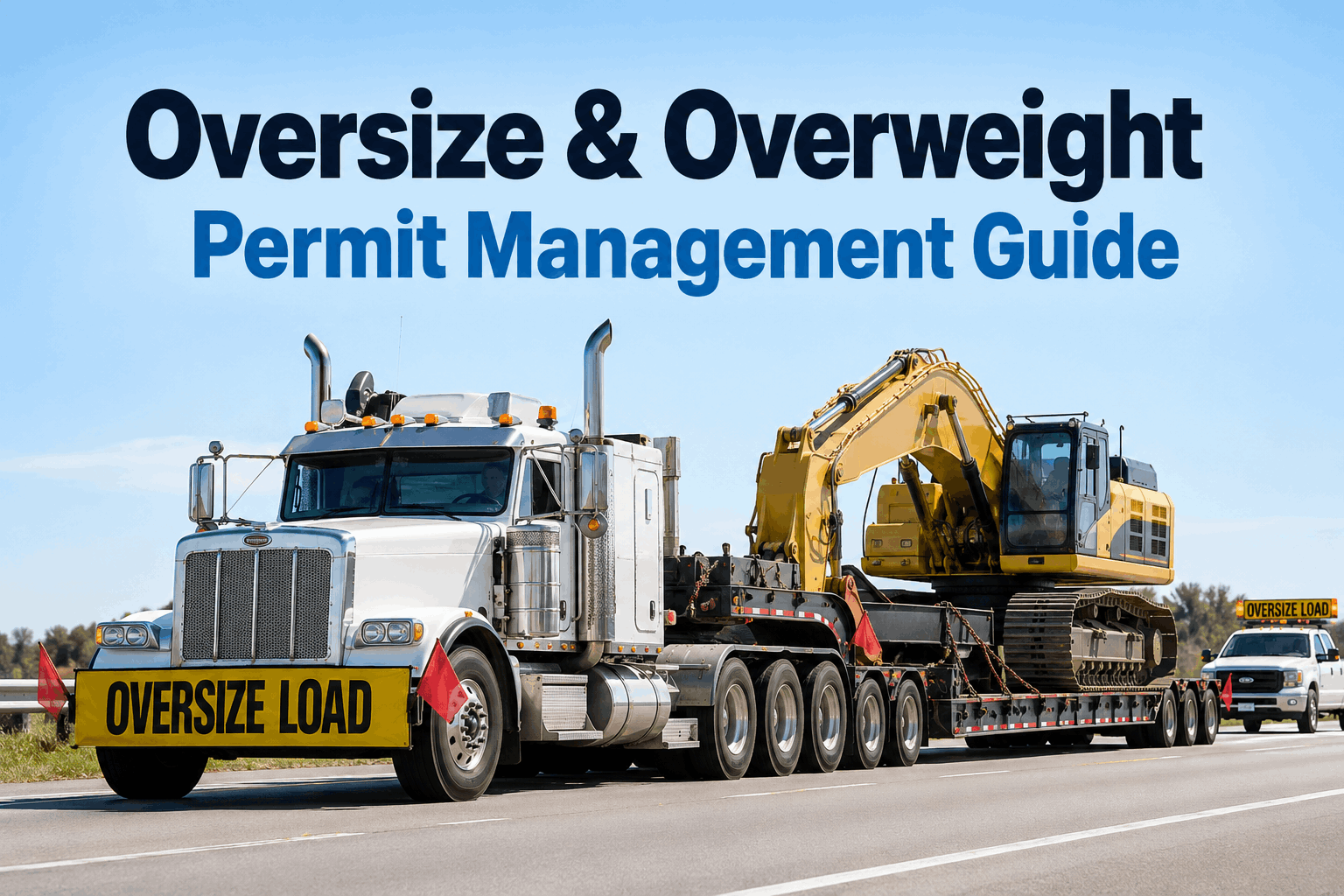
One wrong number on a permit application — a cab height six inches off, an axle weight nobody updated — and the move stops at the first scale, or the permit's rejected and the crew sits idle. Oversize permit management lives and dies on accurate equipment data and organized records, which most fleets keep scattered across emails and a dispatch binder. HVI isn't the permit-filing service — it's the source of truth for every machine's specs and the home for every permit on file. Book a demo to see where the records fit.
Every permit is only as good as the numbers behind it.
Oversize and overweight moves hinge on exact dimensions, weights and valid paperwork. HVI keeps each machine's transport specs and every issued permit in one place — so applications go in right the first time and the permit's always on hand at the scale.
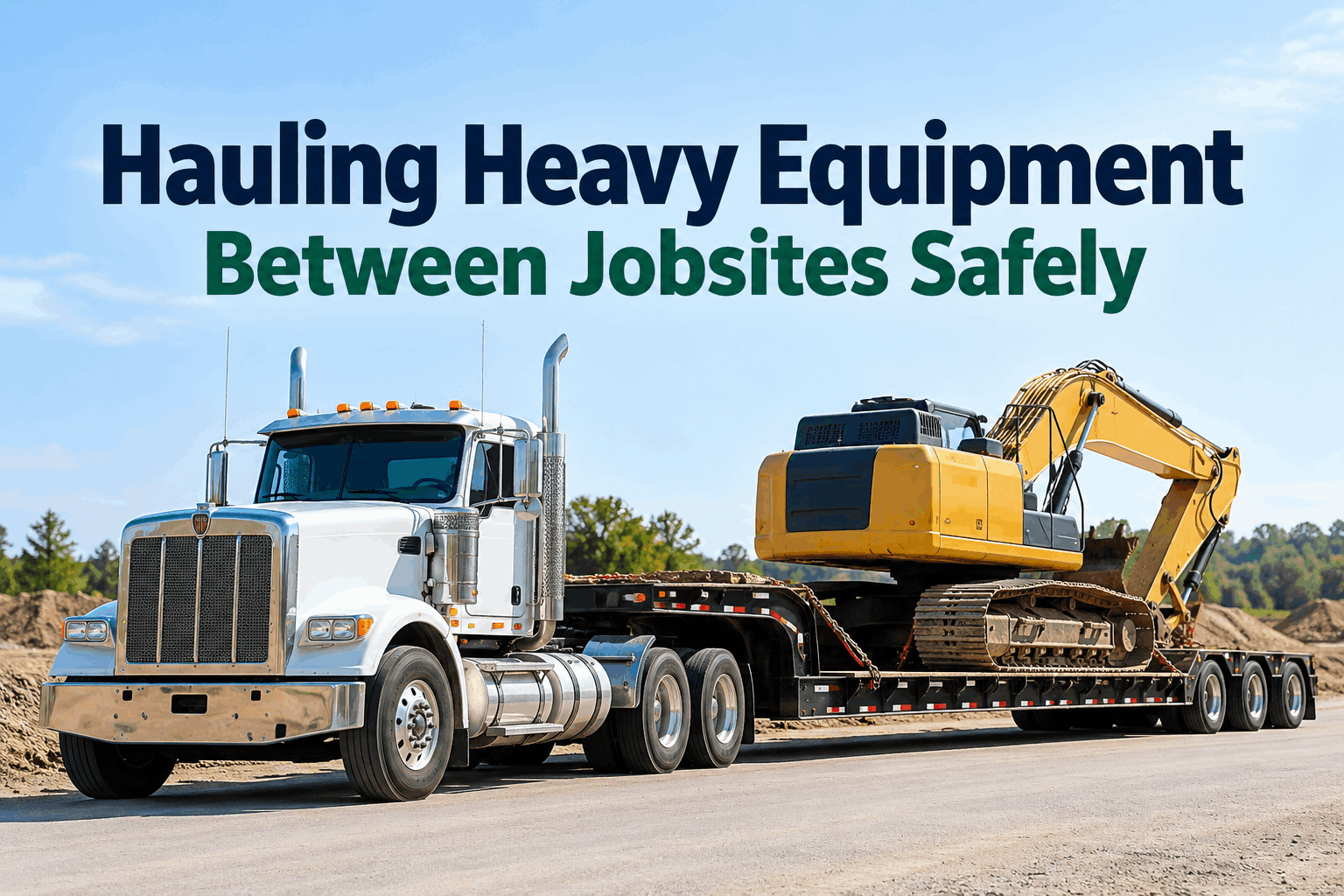
Moving a loader, excavator or crane between jobsites sounds like a trucking problem, but the paperwork is where it goes wrong. The legal size and weight limits on public roads are modest, and most heavy equipment blows past them the moment it's on a trailer — so nearly every mobilization needs an oversize or overweight permit, often one per state crossed. Get the specs and the permit right and the move is routine; get a number wrong and you're looking at a rejected application, a fine at the scale, or a truck held out of service with a loaded trailer. Here's what the process actually requires.
When a move needs an oversize or overweight permitthe legal limits your equipment crosses on a trailer
A load is "oversize" when it exceeds the legal limits for width, height or length, and "overweight" when it exceeds gross or axle-weight limits. The exact thresholds vary by state, but the federal baselines are the line most equipment crosses.
Because the thresholds and rules differ by state, a multi-state move can need several permits, each demanding the same precise numbers. That's the first place accuracy matters — and the first place a single master equipment record per machine saves hours. Book a demo to see transport specs kept ready per asset →
What every permit application needsthe data that has to be exact — every time
Permit offices don't estimate. Every application asks for the same hard numbers, and a value that's wrong or out of date is how applications get rejected and loads get red-tagged at inspection.
Dimensions
Exact length, width and height of the full load as it sits on the trailer.
Gross weight
Total weight of truck, trailer and machine — the figure the scale checks.
Axle weights & spacing
Per-axle loads and spacing, checked against bridge-formula limits.
Vehicle & trailer config
Tractor and trailer type, axle count and configuration for the haul.
Route
Origin, destination and the approved path the permit will specify.
Travel dates
The valid window — permits are time-bound and must cover the move.
Half of these never change for a given machine — its dimensions, weight and axle specs are fixed facts that belong on the asset record, pulled instantly for every application instead of re-measured or guessed. Keeping them accurate and in one place is squarely where HVI's asset management earns its keep. Start free and build a spec record per machine →
Route, escort and travel-window rulesthe operating conditions a permit comes with
A permit isn't just permission to be big — it comes with conditions, and breaking them voids the permit and invites a fine. These are the rules a heavy-haul move plans around.
Escorts & pilot cars
Past certain width, length or height, the move needs one or more pilot cars — and a height pole or police escort for the biggest loads. Thresholds vary by state.
Travel windows & curfews
Many permits bar travel at night, in rush hour, or on weekends and holidays. The load moves only inside the permitted hours.
Approved route & clearances
The permit names the route, routed around low bridges, weight-restricted spans and tight turns. Off-route is a violation.
Signage, flags & lights
"OVERSIZE LOAD" banners, flags on corners and amber lights are required — and checked. Missing signage can stop the load.
Route planning, permit filing and escort booking are specialist jobs — often handled by a permit service or routing software, not HVI. What HVI does is make sure the conditions and the issued permit for each move are recorded against the machine and the job, so nothing travels on an expired or wrong permit. Book a demo to see permits tracked against each move →
The data behind every permit, tracked in HVImachine specs and permit records in one place
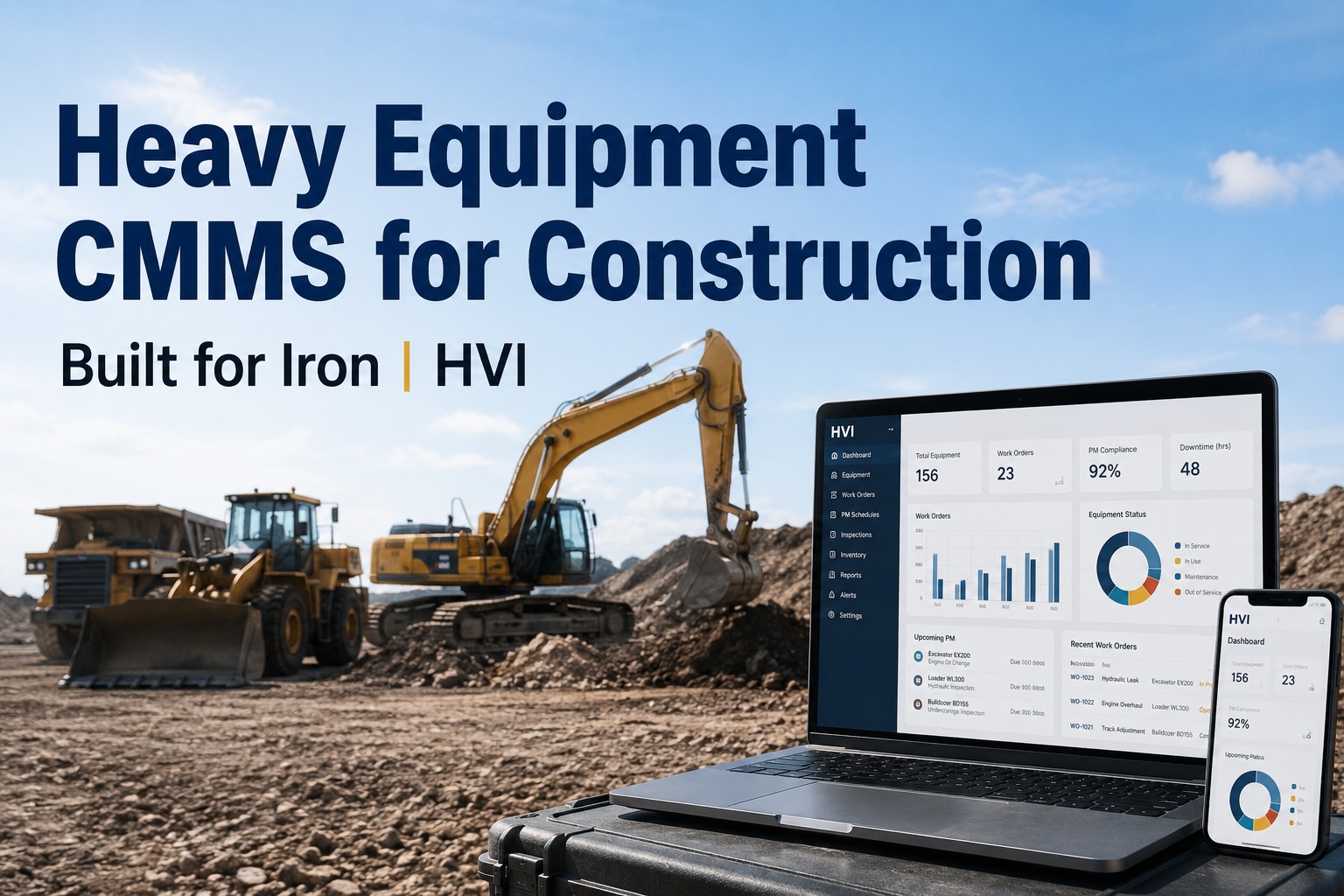
Here's where HVI fits: not filing the permit or routing the truck, but holding the exact specs each application needs and every permit once it's issued — so construction equipment management and permit compliance stop living in a dispatch binder.
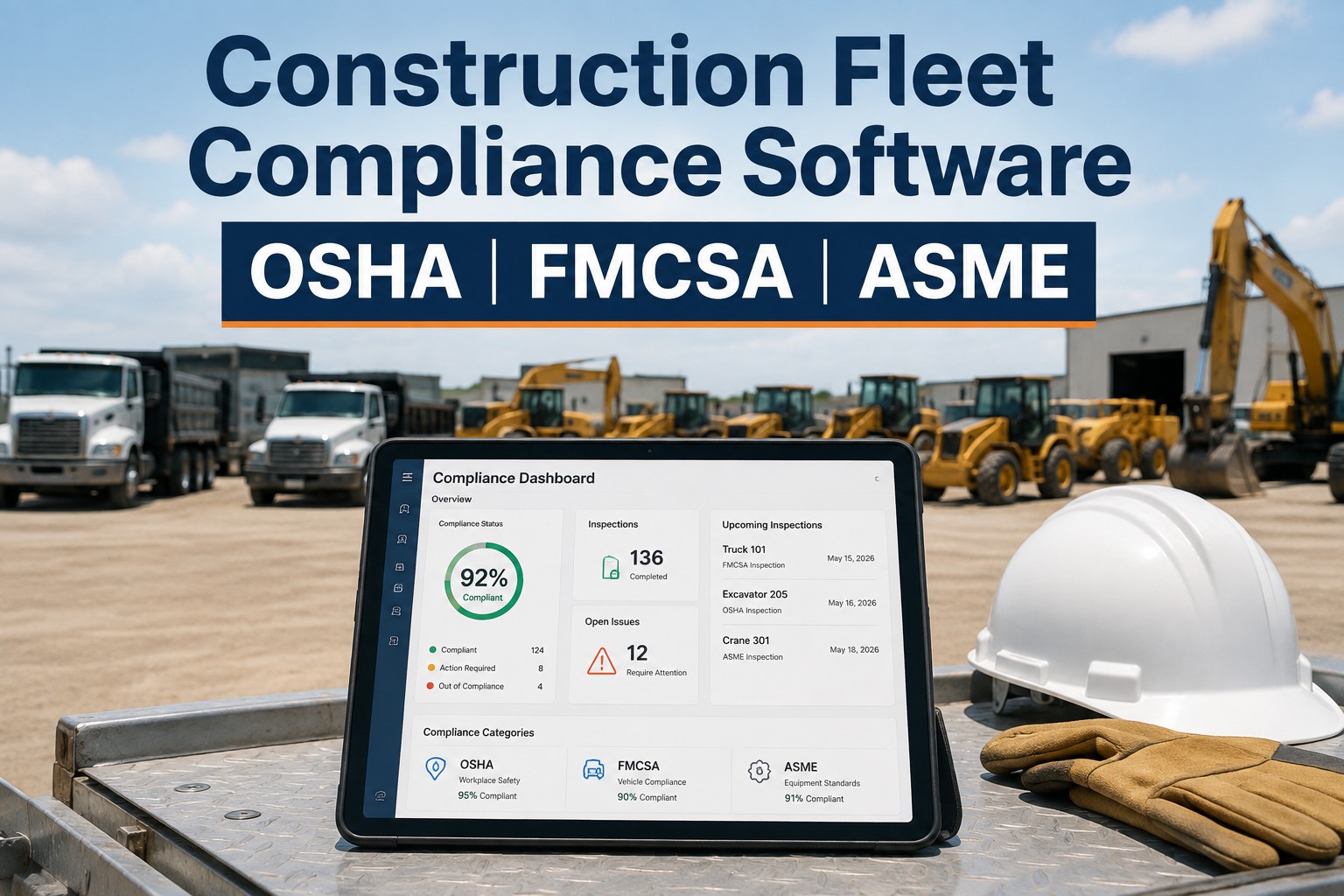
Every machine's numbers are ready to drop into an application, every permit is stored with its dates and route, and an expiring permit or a changed spec is flagged before a load rolls on it. That record is part of your wider construction fleet management and feeds the compliance reporting you already run. Start free and centralize your transport specs →
Oversize permit management checklistbefore the move, on paper, and on the road
Here's a baseline permit-management routine, grouped the way a fleet runs a heavy-haul move — the records half of which lives in HVI.
- Verified dimensions & height on the trailer
- Gross & axle weights confirmed
- Any added weight (counterweights) re-checked
- States on the route identified
- Permit secured for each state crossed
- Travel dates cover the full move
- Escort/pilot-car requirements arranged
- Permit copies stored on the asset record
- Permits carried & valid for the dates
- Approved route followed, curfews observed
- Signage, flags & lights in place
- Completed move logged to the record
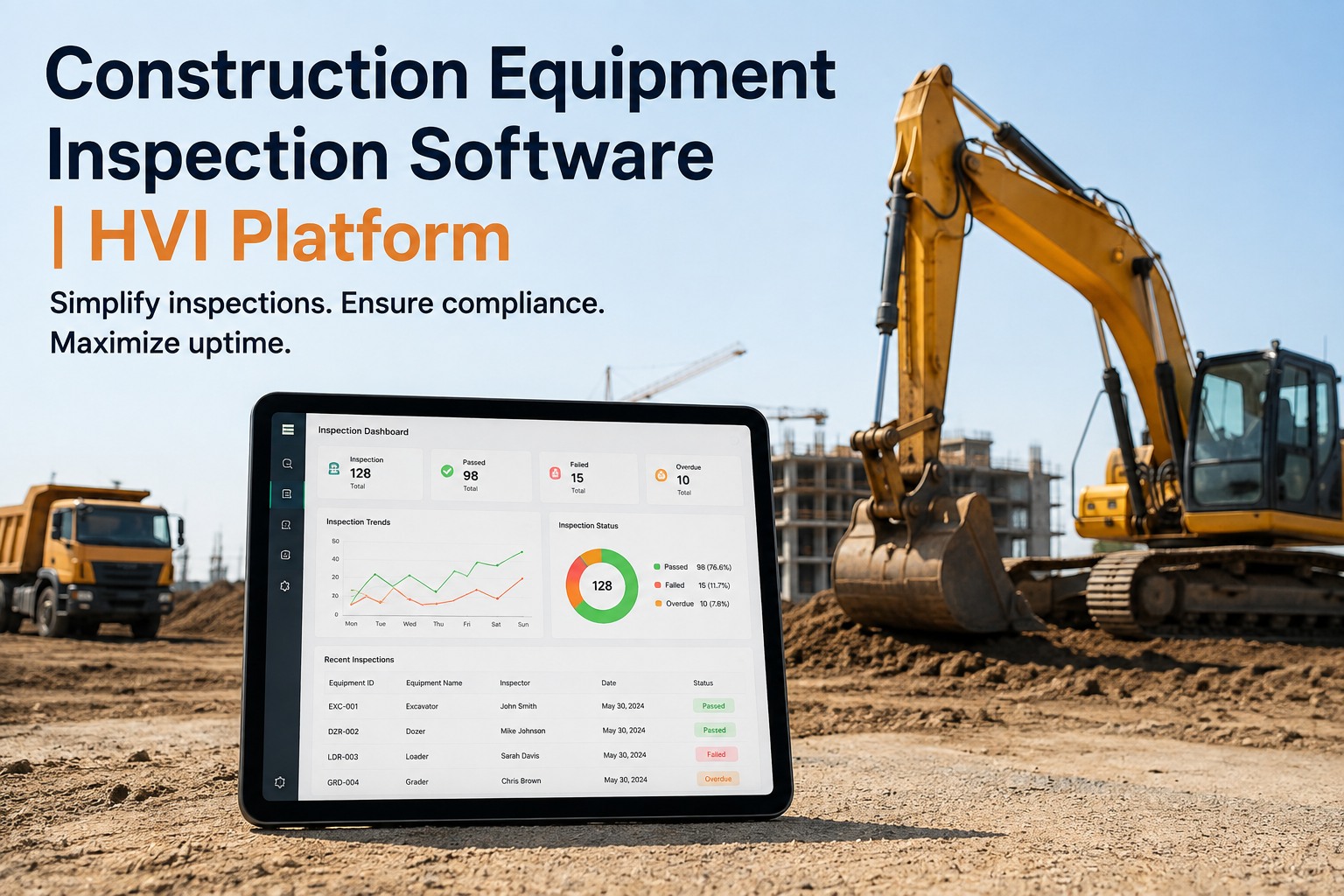
On paper the specs drift and a permit expires unnoticed between the quote and the move; in HVI the numbers are verified on the asset, permits are stored with their dates, and an expiry is flagged before the truck leaves. It runs with the rest of your equipment management. Book a demo to load your transport records →
From a fleet logistics coordinator
We had a crane move rejected because the permit application listed last year's configuration — somebody had added a counterweight and nobody updated the spec sheet. We lost a day and the booking, and the permit office doesn't care that it was an honest mistake.
Now every machine's transport numbers live on its record, and when something changes we re-verify the spec right there. The permits get stored against the move with their dates, so dispatch sees an expiry coming instead of finding out at the scale. It's not glamorous, but it's killed the rejections.
Oversize permit management — FAQs
When do I need an oversize or overweight permit?
When a load exceeds the legal limits for width (typically 8.5 ft), height (states commonly cap around 13.5–14 ft), length, or weight (80,000 lb gross on the Interstate, plus axle limits). Most heavy equipment on a trailer exceeds at least one, so nearly every mobilization needs a permit — often one per state crossed. Exact thresholds vary by state.
Does HVI file permits or plan heavy-haul routes?
No. HVI isn't a permit-filing service or routing software — route planning, state permit applications and escort booking are specialist jobs. What HVI does is hold the exact equipment specs every application needs and store each issued permit with its dates and route, so applications go in accurate and no load travels on an expired or wrong permit.
What information does an oversize permit application require?
The load's exact length, width and height on the trailer; gross weight; per-axle weights and spacing; the tractor and trailer configuration; the route; and the travel dates. Several of these are fixed for a given machine, which is why keeping verified transport specs on the asset record makes every application faster and error-free.
When are escorts or pilot cars required?
Escort and pilot-car rules kick in past certain width, length or height thresholds, with a height pole for tall loads and police escorts for the largest. The thresholds and the number of escorts differ by state, and the permit spells out what each leg of the route requires. Planning them is part of booking the move.
How does HVI help with permit compliance?
HVI keeps each machine's transport dimensions, weight and axle specs verified on its record, stores every issued permit with its validity dates and route, and flags an expiring permit or a changed spec before a load moves. That gives dispatch accurate numbers for applications and a clean compliance record for every move — the records layer behind permit management.
Make every move's paperwork the easy part
HVI gives oversize permit management its missing foundation — verified transport specs on every machine, every issued permit stored with its dates and route, and an alert before anything expires. It won't file the permit or route the truck, but it makes sure the numbers and the records are always right. Live on your fleet in under two weeks.
See it on your own fleet · Specs ready for every application · Records from day one