A new job starts Monday, the excavator shows up Sunday night — and Monday morning it won't start, the hydraulics are weeping, and the service that was due three weeks ago never happened. Now a fully-staffed site stands around waiting on a machine that should have been checked before it left the yard. That's what equipment mobilization is really about: not just getting a machine to the site, but making sure it arrives ready to work. Here's the readiness checklist — book a demo to run it in HVI.
Don't ship it to site until it's cleared to work.
A machine that arrives not ready arrives broken — on a site already burning labor. HVI turns mobilization into a readiness gate: PM current, no open defects, documents in order, and a cleared-to-deploy sign-off before anything leaves the yard.
Mobilization is treated as a logistics task — book the trailer, pull the permit, haul the machine — and the one thing that actually decides whether the job starts on time gets left out: is the machine fit to work the moment it rolls off the deck? A site running a full crew and a tight schedule is the most expensive place to discover a dead battery, a failed inspection or an overdue service. The fix is a readiness check before the machine leaves the yard, where a problem is a quick fix instead of a project delay. Four things decide readiness, and all four are an inspection-and-records job.
What it costs when a machine arrives not readywhy mobilization readiness is a schedule problem, not a yard problem
An unready machine doesn't fail quietly in the yard — it fails loudly on a live jobsite, which is where it hurts most.
Dead on arrival
A no-start, a failed check or a weeping hose means the machine can't turn a wheel — on day one of the job, with the whole site watching.
A crew standing idle
Operators, labor and other trades scheduled around that machine wait and get paid to wait — the costliest form of downtime there is.
A second trip & a black mark
Swapping or recovering the machine means remobilization cost and a hit to the fleet's reputation with the project team.
Every one of these traces back to a check that could have happened in the yard for a fraction of the cost. Catching it before the machine ships is exactly what a pre-mobilization equipment inspection is for. Book a demo to see the readiness gate in action →
The four pillars of equipment mobilization readinesswhat "ready to deploy" actually means — and how to prove it
A machine is mobilization-ready only when all four of these pass. Treat them as a gate — any one failing means it doesn't ship until it's fixed.
Serviced
PM current, no overdue service, fluids and filters good. The machine won't come due for a major service in its first week on the job.
Fit
No open defects, a passed inspection, safety systems working. Nothing flagged that makes it unsafe or unfit to run on arrival.
Documented
Registration, inspection records, transport specs and any permits in order — the paperwork that follows the machine to site.
Deploy-ready
Right attachments, fuelled, operator assigned — so it rolls off the trailer and straight into work, not into a to-do list.
The "documented" pillar overlaps with the transport paperwork and the "fit" pillar with the condition record, which is why mobilization works best when the readiness check lives in the same system as your preventive maintenance and defect tracking — one place confirms all four. Start free and set a readiness gate on every move →
Mobilization readiness, tracked in HVIPM, defects and documents on one status — before a machine ships
Here's the payoff: every machine queued for a move with its readiness status — serviced, fit, documented, deploy-ready — so construction equipment mobilization becomes a cleared-to-ship decision instead of a hopeful one.
A machine with an overdue PM or an open defect can't be marked cleared, so the problem surfaces in the yard instead of on the job. That readiness view is part of your wider construction fleet management and feeds the reporting you already run. Book a demo to see readiness status across your fleet →
Equipment mobilization checklistthe pre-deployment routine that gets the job off to a running start
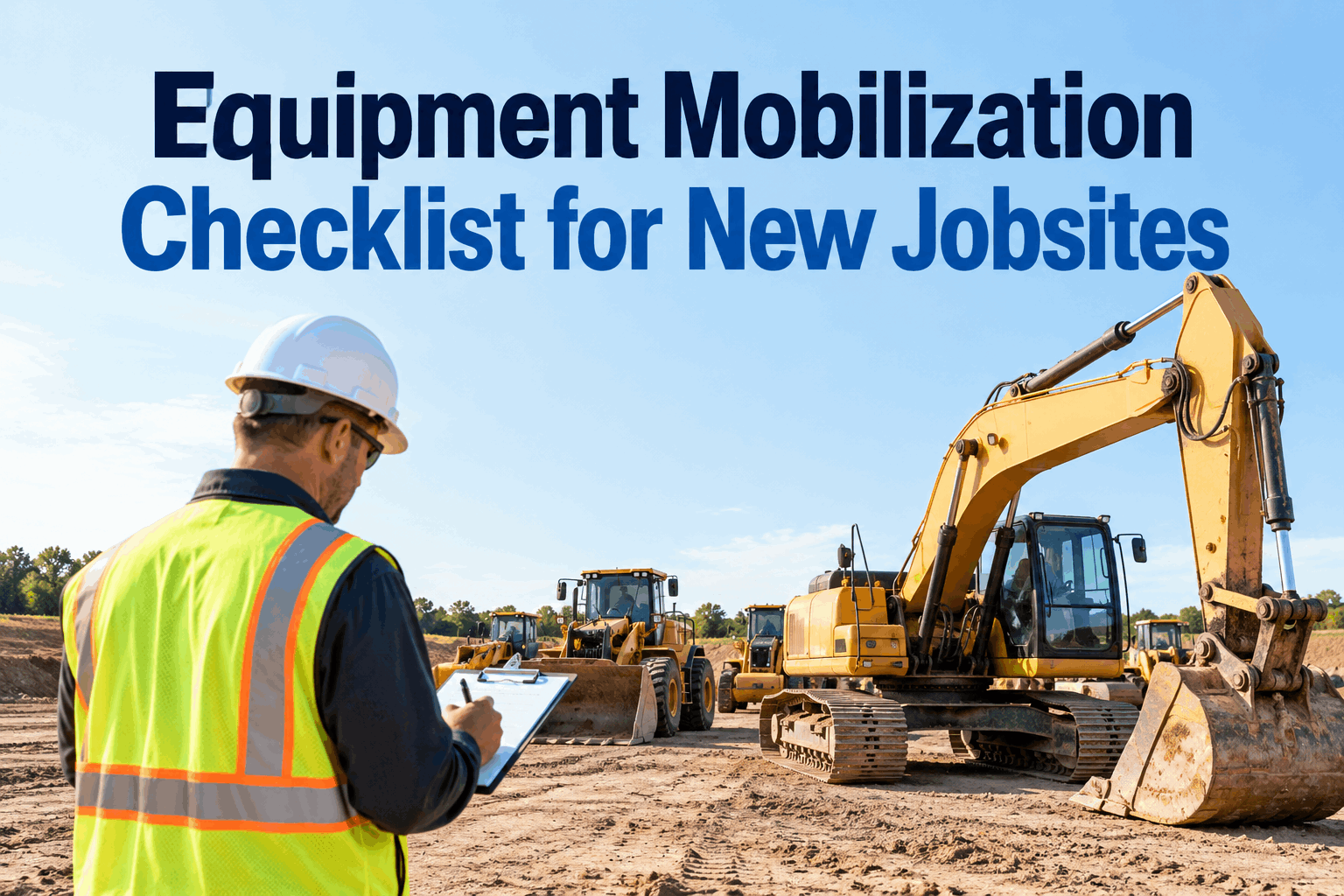
Here's a baseline equipment mobilization checklist, grouped by the readiness pillars — each item logged against the machine before it's cleared to ship.
- PM current, no service due in first weeks
- Fluids, filters & greasing done
- No open defects; inspection passed
- Safety systems & lights working
- Registration & inspection records on file
- Transport specs ready for the haul
- Any required permits arranged
- Machine assigned to the site & job
- Correct attachments loaded
- Fuelled & fluids topped
- Operator assigned & briefed
- Cleared-to-deploy sign-off recorded
On paper the checklist gets signed in a hurry and the overdue service slips through; in HVI the readiness gate pulls live PM and defect status, so a machine literally can't be cleared with an open problem. It runs with the rest of your equipment maintenance management. Book a demo to load your mobilization checklist →
From a construction project manager
We lost the first morning of a paving job because the roller showed up with a hydraulic leak that had been noted weeks earlier and never fixed. Fifteen people and three other machines sat idle while we scrambled a replacement. The repair would've taken an hour in the yard; instead it cost us a day on site.
Now nothing mobilizes until it's cleared — PM current, no open defects, documents attached, signed off. If a machine isn't ready, we find out in the yard and send a different one. We haven't lost a job start to a dead machine since, and the project teams trust what we send them.
Equipment mobilization — FAQs
What is equipment mobilization?
Mobilization is the process of preparing and moving equipment onto a jobsite for a project — making it ready, transporting it, and setting it up to work. Done properly it's not just hauling: it includes a readiness check that the machine is serviced, fit, documented and deploy-ready, so it can work the moment it arrives rather than sitting broken on a live site.
What should an equipment mobilization checklist include?
Four pillars: serviced (PM current, fluids and filters done), fit (no open defects, passed inspection, safety systems working), documented (registration, inspection records, transport specs, permits), and deploy-ready (correct attachments, fuelled, operator assigned, cleared-to-deploy sign-off). Each item should be logged against the machine before it's cleared to ship.
Why do machines arrive on site not ready to work?
Usually because mobilization is run as a logistics task — book the trailer, haul the machine — without a readiness gate. An overdue service, an open defect noted weeks earlier, a dead battery or missing documents slip through because nobody checked before it shipped. A pre-mobilization inspection in the yard catches these while they're cheap to fix.
How is mobilization different from demobilization?
Mobilization moves a machine onto a site and its key task is confirming readiness — is it fit to work on arrival. Demobilization moves it off and its key task is documenting condition — what shape it's in and whether there's new damage. Together they bookend a machine's time on each project and keep its record accurate from one job to the next.
How does HVI help with equipment mobilization?
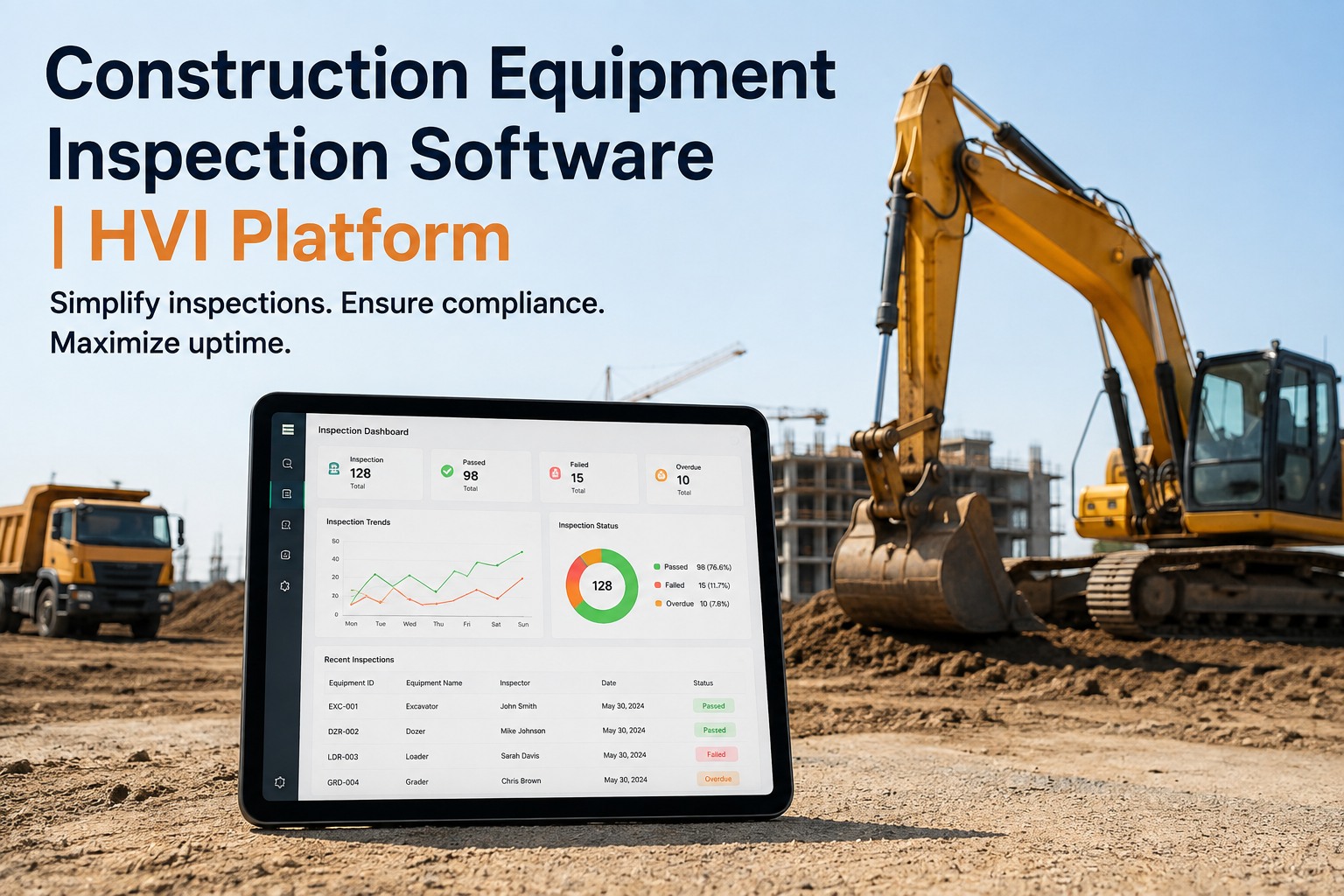
HVI turns mobilization into a readiness gate: a pre-mob inspection from a phone, a live check that PM is current and no defects are open, the documents attached to the asset, and a cleared-to-deploy sign-off. A machine with an overdue service or open defect can't be marked ready, so problems surface in the yard — not on a live jobsite with a crew waiting.
Every machine arrives ready to work
HVI makes equipment mobilization a readiness gate — PM current, no open defects, documents in order, and a cleared-to-deploy sign-off before anything leaves the yard. So the job starts with a running machine, not a crew standing around a broken one. Live on your fleet in under two weeks.
See it on your own fleet · Works offline in the yard · Readiness records from day one