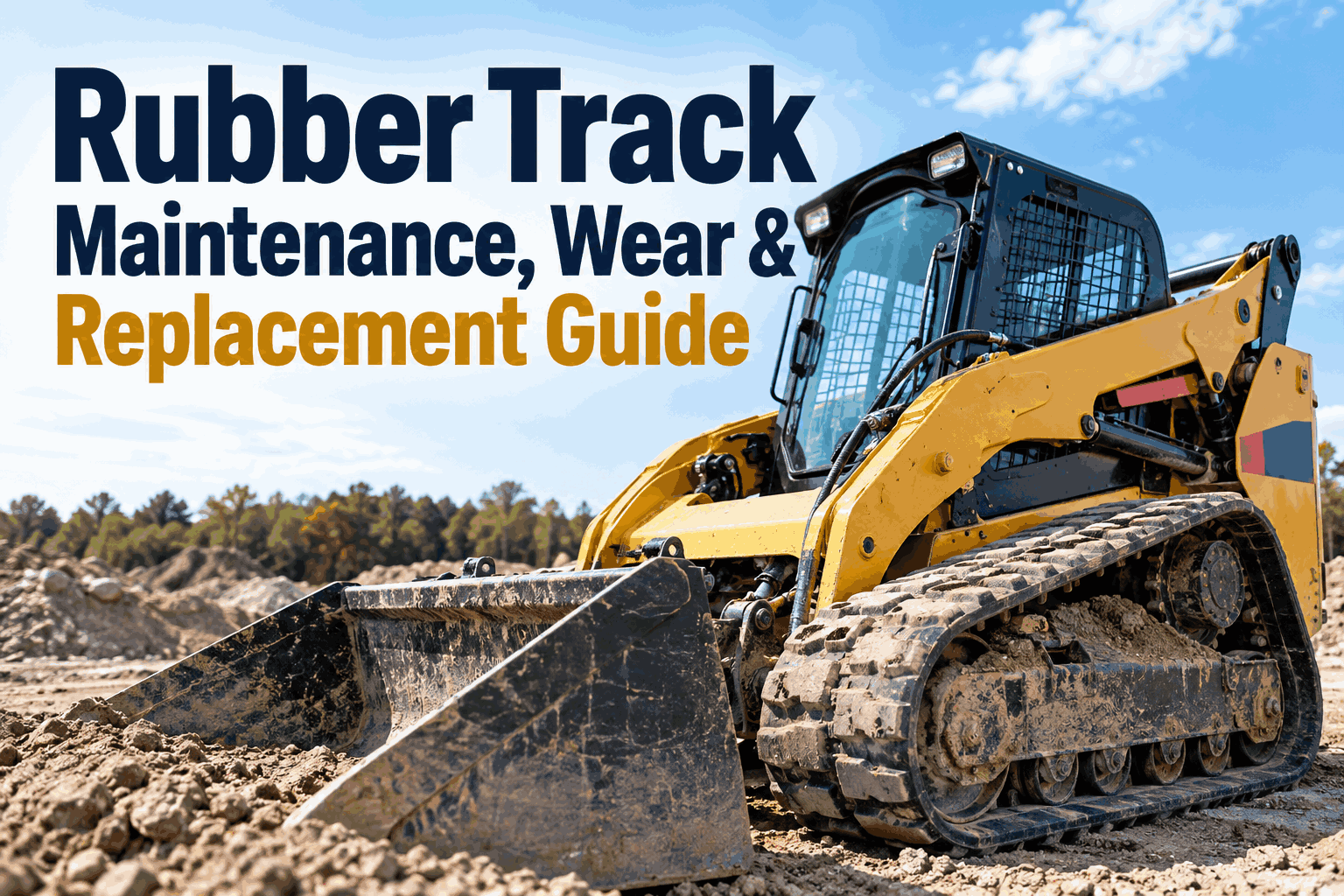
Rubber track replacement should happen because the track condition says it is time—not simply because an hour meter reaches a round number. Cuts, tread wear, exposed internal components, repeated derailment and incorrect tension can all point to a developing problem, while the rollers, sprockets and idlers around the track can influence how quickly it wears. See how HVI helps turn track inspections into planned maintenance.
Don't Wait for a Thrown Track to Decide It's Worn Out
Build a condition-based rubber track maintenance process around visible wear, measured tension, undercarriage condition and machine-specific service guidance.
Illustrative condition record — actual limits and procedures must follow the equipment manufacturer's guidance.
When should rubber tracks actually be replaced?
There is no universal operating-hour number that determines rubber track replacement. Track life changes with machine application, terrain, operating technique, tension, maintenance and the condition of the rest of the undercarriage.
Establish a baseline
Record tread condition, tension and photos while the track is serviceable. Future inspections become much more useful when there is a previous condition to compare against.
KEEP IN SERVICEWear is developing
Tread wear, surface damage or changing tension deserves documentation. Compare the condition with previous checks and inspect the related undercarriage.
MONITOR TRENDReplacement is approaching
Significant tread loss, progressing cuts or cracks, damaged lugs or recurring operating issues justify closer evaluation against the manufacturer's criteria.
PLAN SERVICEContinued use is questionable
Severe structural damage, exposed internal reinforcement or repeated derailment requires prompt assessment using the machine and track manufacturer's service guidance.
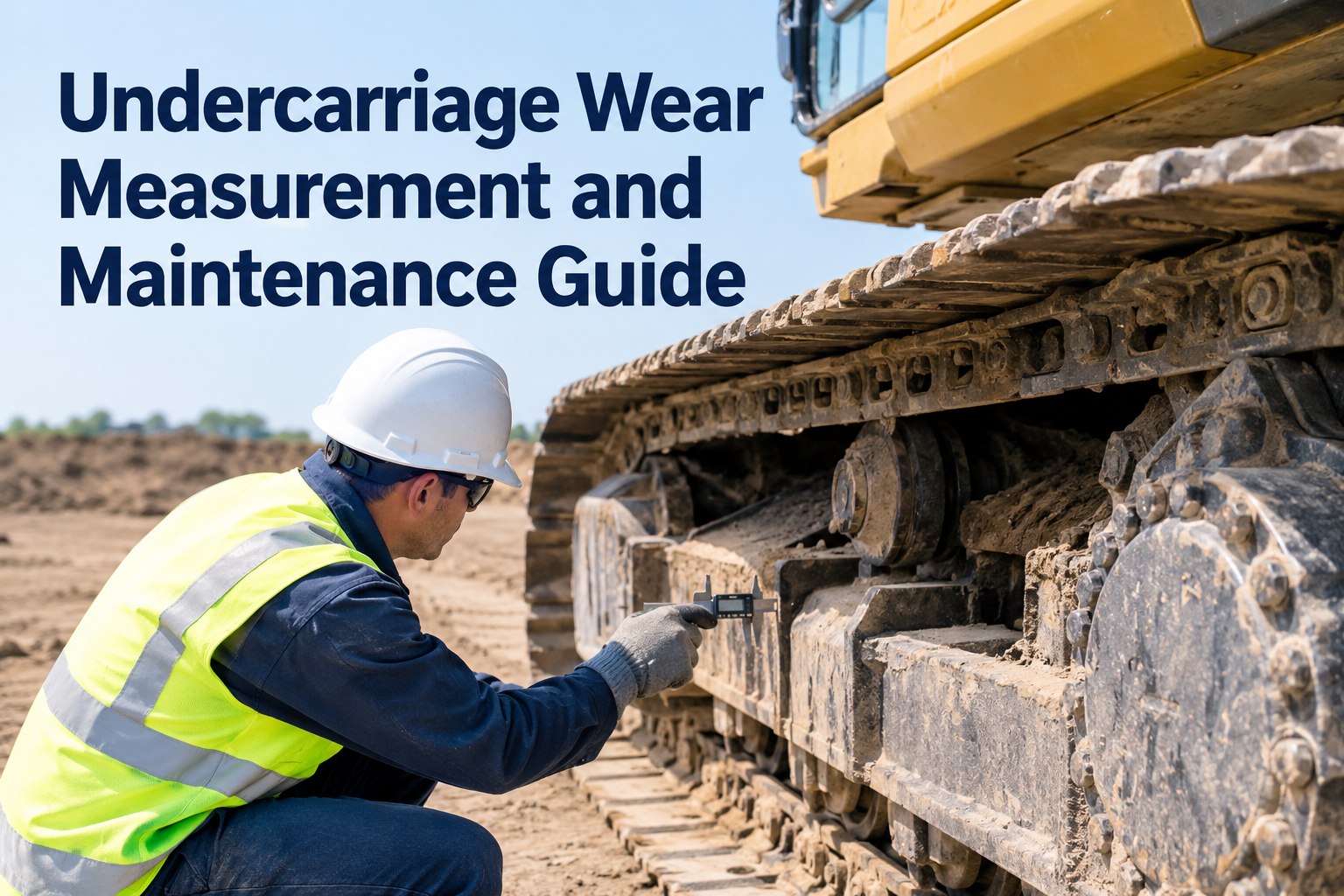
ASSESS / REPLACECaterpillar's mini-excavator rubber-track guidance recommends placing a straight edge across two tread blocks and measuring from the tread block to the top surface of the track when evaluating wear. The acceptable condition should then be judged using the applicable machine and service information.
Four machines can wear the same track four different ways
Rubber track wear is the result of a system. Recording the conditions around the wear gives your maintenance team more information than simply recording the replacement date.
Track tension
Too tight can accelerate wear. Too loose can allow slipping, misalignment or derailment. Measure it using the manufacturer's procedure.
Ground conditions
Rocky, abrasive or hard surfaces generally place different wear demands on rubber tracks than smoother ground.
Operating technique
Sharp turns, higher travel speeds, slope operation and unnecessary travel can increase stress and rubber track wear.
Undercarriage care
Debris, component wear and poor cleaning practices can influence how smoothly the track moves through the undercarriage.
Want these factors captured consistently instead of depending on whoever checks the machine? Start building repeatable rubber track inspection records with HVI.
Where to look before calling a track “good”
A useful rubber track inspection follows the complete running system. The visible tread is only one part of the condition picture.
Tread & lugs
Look for wear, missing material and changes in tread profile. Use measurements where the manufacturer provides a measurement method.
Cuts & cracks
Record location and progression. Photos make it easier to determine whether damage is stable or growing between inspections.
Internal reinforcement
Visible or damaged internal components are materially different from superficial rubber marks and deserve prompt evaluation.
Inner track surface
Inspect the areas that interact with rollers, sprockets and idlers rather than checking only the outside tread.
Alignment & tracking
Repeated derailment or abnormal tracking can point to tension or undercarriage issues that need diagnosis.
Too loose and too tight can both cost you
Rubber track tension should never be set by appearance alone. Use the exact measurement location, machine position and specification stated by the equipment manufacturer.
What may happen
- Track may slip or become misaligned
- Derailment risk may increase
- Track engagement can become inconsistent
What to do
- Measure using the specified procedure
- Record the reading when useful
- Recheck at the recommended interval
What may happen
- Track wear can accelerate
- Additional load can reach running components
- Efficiency and component life may suffer
A new rubber track does not reset a worn undercarriage
If a replacement track is installed without checking the components it runs against, the maintenance team may solve the visible symptom while leaving the cause untouched.
Sprocket
Check tooth condition and track engagement for abnormal wear.
Rollers
Inspect running surfaces, condition and debris around the roller path.
Idler
Include the idler and tensioning arrangement in the same inspection.
Track
Evaluate tread, internal surface, structural damage and tension together.
Packed dirt, stones and other material should also be removed from the undercarriage as required. Caterpillar specifically recommends regular debris removal because accumulated material can contribute to premature wear and interfere with smooth track operation.
This is why undercarriage maintenance should be part of every rubber track replacement decision. A track record that says only “left track replaced” loses the condition information that could explain why the old track wore out. See how HVI keeps track findings and service history together by machine.
Five habits that can help protect track life
Keep the undercarriage clean
Remove packed material and debris around the running gear as appropriate for the machine and jobsite. Debris can interfere with normal movement and contribute to wear.
Avoid unnecessary sharp turns
Caterpillar identifies quick, sharp turns as one operating behavior that can accelerate rubber track wear. Where the work allows it, smoother changes of direction can reduce unnecessary stress.
Manage travel
Higher speeds and frequent travel can add wear. Plan machine movement with the application and site conditions in mind rather than treating tracks like tires on a road vehicle.
Watch hard and abrasive surfaces
Rocky, gritty and hard underfoot conditions can increase rubber wear. Capture operating context when comparing track life between machines.
Maintain correct tension
Correct tension is one of the most important controllable maintenance factors. Both overly tight and overly loose tracks can create problems.
A rubber track replacement should leave a trail of evidence
When inspection findings, photos, maintenance actions and replacement history stay connected, the next track set starts with a useful baseline instead of a blank record.
Track, tension and undercarriage condition.
Measurements, damage, photos and observations.
Clean, adjust or repair identified issues.
Schedule replacement when condition requires it.
Use the history when evaluating the next set.
If track history disappears every time a machine moves to another jobsite, book an HVI demo and see how the maintenance record stays with the asset.
What should happen after you find rubber track wear?
The response depends on severity, progression and the manufacturer's limits. A condition matrix helps standardize escalation without pretending every visible mark requires a new track.
Make track condition visible between service intervals
Manufacturer requirements take priority, but a fleet workflow can still define who looks at the track, what gets recorded and how a defect reaches maintenance.
Visual walk-around
Look for obvious cuts, damaged tread, debris, alignment concerns and visible track problems.
Tension & running gear
Use the manufacturer-specified procedure to check tension and inspect sprockets, rollers, idlers and the track path.
Condition comparison
Compare photos and measurements to determine whether wear or damage is progressing.
Close the history
Record the replacement and inspect related undercarriage components before returning the machine to service.
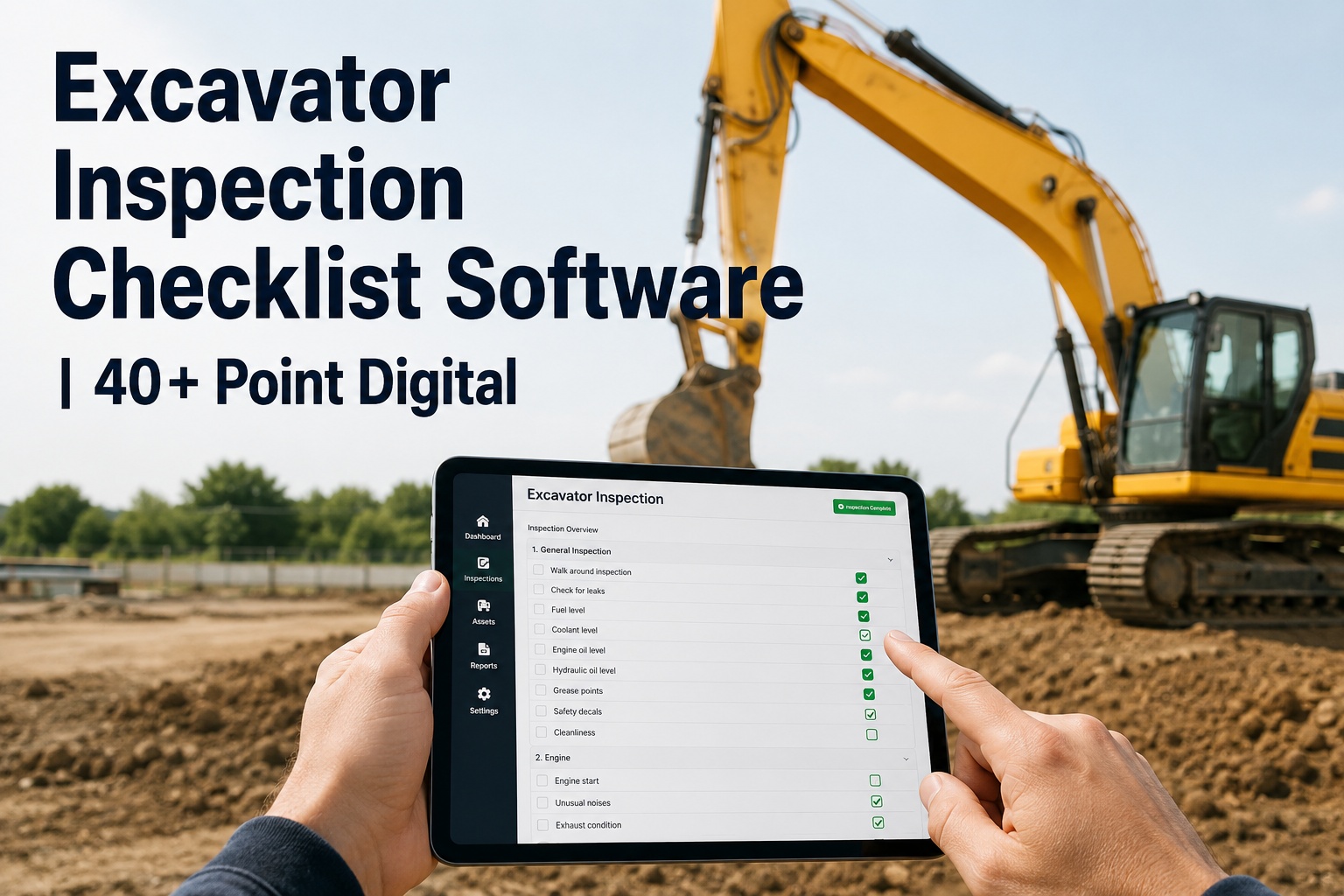
A digital workflow makes this easier to repeat across mini excavators and compact track loader tracks. Start an HVI account and build a repeatable track-maintenance workflow.
Turn a track defect into a completed maintenance record
Inspection
Standardize track, tension and undercarriage checks across machines.
Defect record
Capture damage and condition findings against the correct asset.
Maintenance
Schedule inspection, adjustment, repair or replacement work.
Service history
Keep completed track work and replacements tied to the machine.
Rubber Track Replacement FAQs
When should rubber tracks be replaced?
Rubber track replacement should be based on actual condition and the applicable manufacturer's service criteria rather than a universal hour interval. Significant tread deterioration, severe cuts or cracks, exposed internal reinforcement, recurring derailment or other structural damage can justify replacement assessment. Inspect the rest of the undercarriage at the same time.
How do you check rubber track wear?
Inspect tread and lugs, cuts, cracks, missing material, the inner track surface and any visible internal reinforcement. Caterpillar's current mini-excavator guidance also describes measuring tread wear by placing a straight edge across two tread blocks and measuring the distance to the track surface. Always use the procedure and limits specified for your machine.
What happens if rubber track tension is too tight or too loose?
Excessive tension can accelerate wear, while insufficient tension can allow the track to slip, become misaligned or derail. Correct tension varies by equipment, so measurements and adjustments should follow the machine manufacturer's specified procedure rather than a generic value.
What causes premature rubber track wear?
Application, abrasive or hard ground conditions, operating technique, travel, incorrect track tension, accumulated debris and undercarriage condition can all influence rubber track wear. Comparing these factors alongside inspection and replacement history can help a fleet identify recurring patterns.
How can HVI help manage rubber track maintenance?
HVI helps construction teams standardize equipment inspections, record track and undercarriage defects, schedule preventive maintenance and retain completed service and replacement history against each asset. That gives maintenance teams a consistent record to compare as track condition changes.
Replace tracks from evidence, not guesswork.
Effective rubber track replacement starts long before a new track is fitted. Regular inspection, correct tension, undercarriage cleaning, sensible operating practices and machine-level service history make wear easier to identify and maintenance easier to plan. HVI brings those inspection and preventive maintenance records together so each replacement becomes part of a usable equipment history.