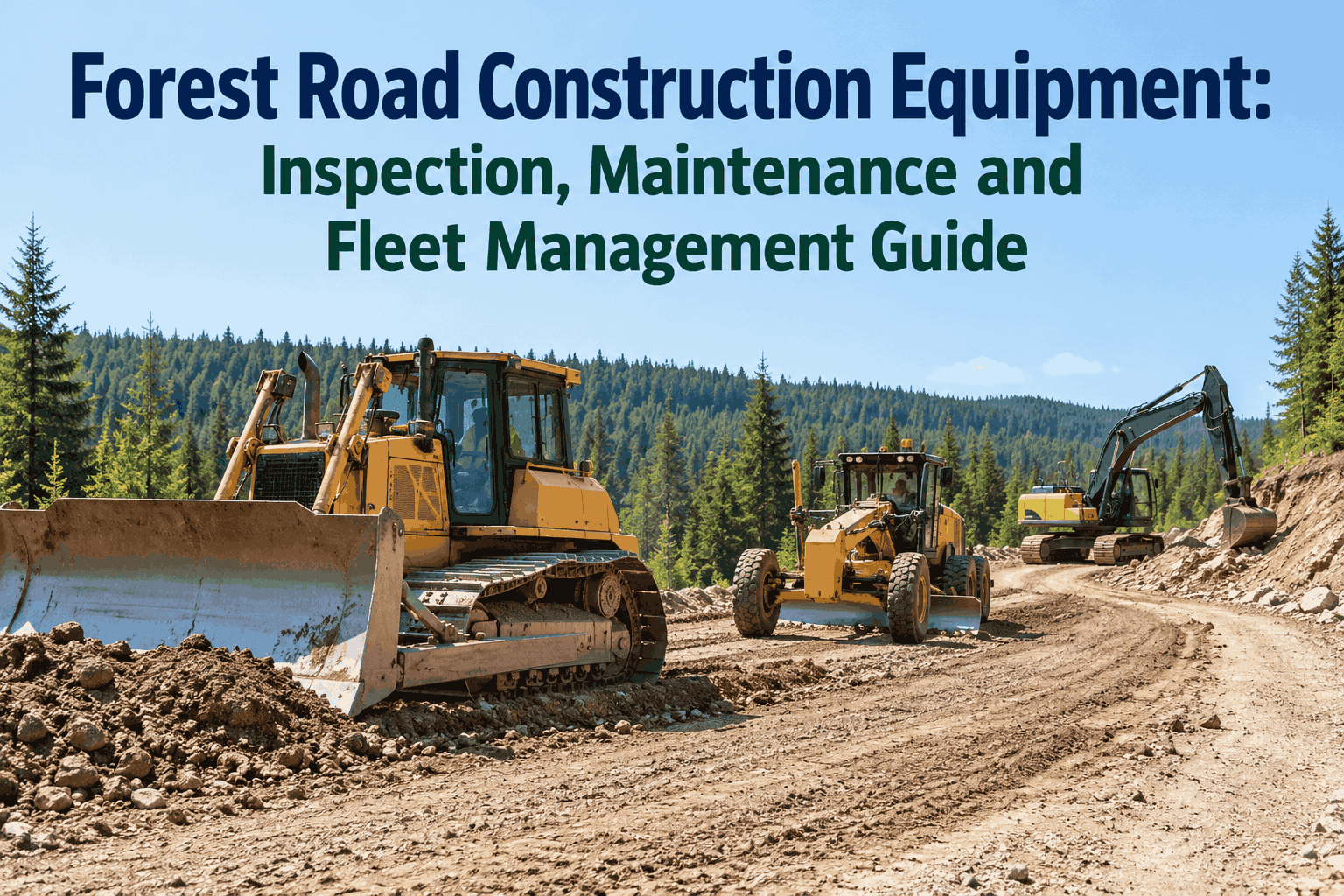
A grader can shape the haul road perfectly, but if its hydraulic hose fails halfway through a remote shift, the entire crew may wait for repairs. Forest road construction equipment works across rough grades, muddy approaches and scattered jobsites where service support is limited. A reliable program combines equipment-specific inspections, planned maintenance and clear defect follow-up so bulldozers, excavators, graders and compactors are ready when the road crew needs them. Book an HVI Demo to See Forestry Equipment Maintenance Tracking.
The road crew is moving. Is every machine ready?
One unreported defect can stall clearing, grading and compaction. Build an inspection-to-repair record for every machine before the next remote shift.
Road progress depends on a chain of machines
Clearing, shaping, drainage and compaction each need different equipment. A failure at one stage delays the next crew—even if every other machine is available.
Check undercarriage, hydraulics and attachment condition.
Check cutting edges, steering and drainage attachments.
Check drums, vibration system and travel controls.
Close defects and schedule service before redeployment.
Keep an asset record for each machine—not just a project equipment list. Book an HVI Demo to See Equipment Asset and Maintenance Records.
A checklist built for forestry road conditions
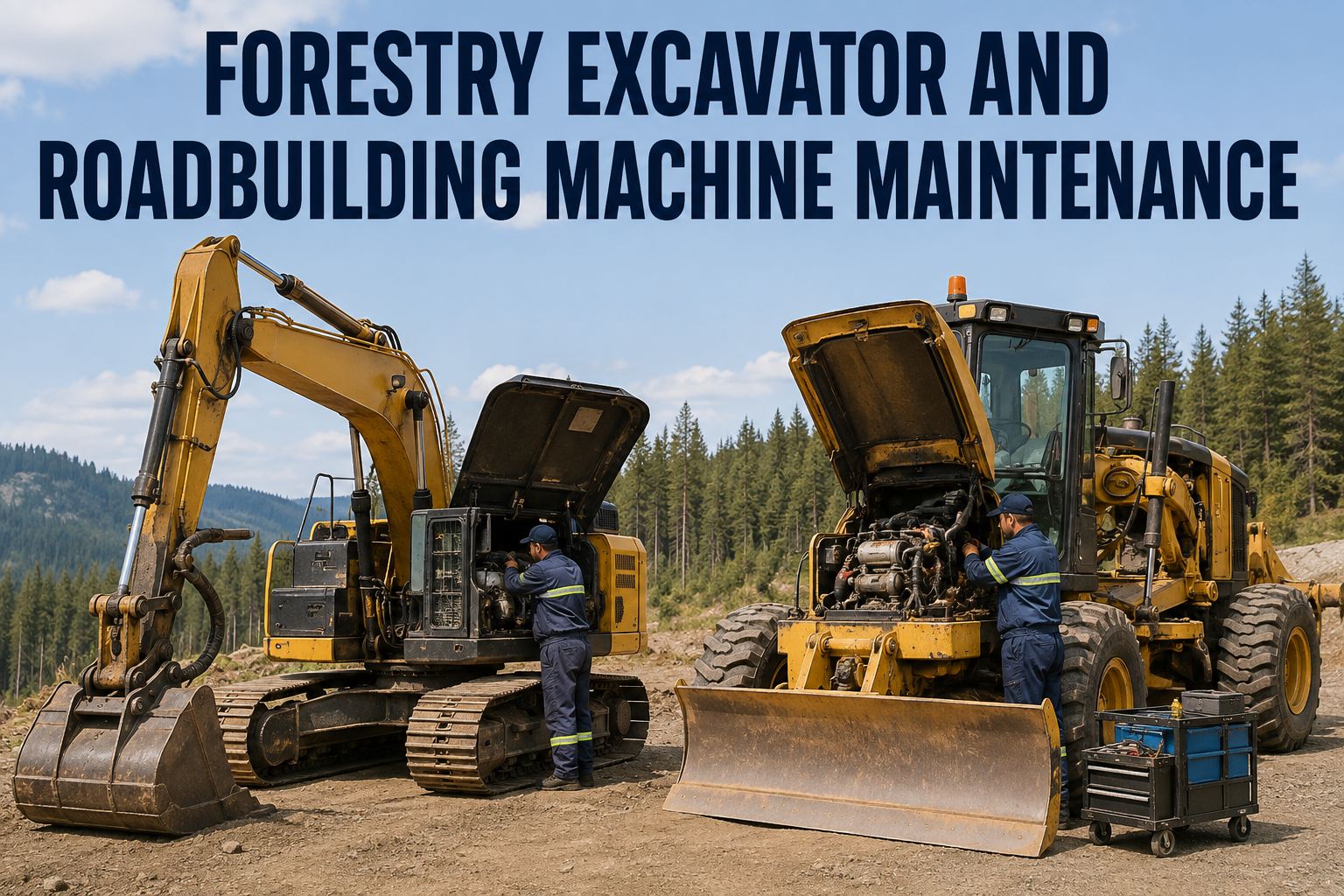
Use machine-specific checks at the start of a shift and after severe exposure, unusual operation or a reported fault. Follow manufacturer instructions and applicable site requirements.
Dozers & excavators
- Tracks, rollers, guards and loose components
- Hydraulic lines, cylinders and fluid leaks
- Attachment pins, couplers and visible cracks
Graders
- Moldboard and cutting-edge wear
- Steering, articulation and braking response
- Tires, hoses and blade controls
Rollers & compactors
- Drum condition and vibration function
- Travel, parking brake and operator controls
- Fluid leaks, lights and warning devices
Plan service around exposure, not only the calendar
Remote forestry projects combine long machine hours with mud, dust, steep grades and difficult access. Record hour-meter readings and operating conditions so maintenance can be planned before an avoidable stoppage.
Fluids, leaks, brakes, controls, undercarriage and attachments.
Filters, lubrication, wear components and equipment-specific checks.
Check for damage after deep mud, rock strikes or unusual loading.
Capture work performed, test results and release decision.
Book an HVI Demo to Explore Preventive Maintenance Scheduling.
The hydraulic leak that should not reach tomorrow's shift
When a machine moves between remote crews, a verbal warning is easy to lose. The repair trail needs to remain attached to the asset, not the shift.
Safety note: A digital record does not authorize operation. Defective equipment must be handled under applicable rules, manufacturer instructions and site procedures.
Build a manageable forest road equipment program
Start with the machines that determine road progress, then expand inspection and maintenance coverage without overwhelming the field crew.
Inventory the road fleet
Record asset IDs, machine types, current sites and maintenance history.
Standardize checks
Set up machine-specific pre-use inspections and defect categories.
Schedule PM
Apply OEM guidance, meter readings and site-exposure reviews.
Review exceptions
Track unresolved defects, missed inspections and overdue service.
Sign Up Free to Start a Forestry Equipment Maintenance Program.
Forest road construction equipment: quick answers
Common questions from forestry contractors and maintenance supervisors.
What equipment is commonly used to build and maintain forest roads?
Typical fleets include excavators, bulldozers, motor graders, loaders, dump trucks and rollers or compactors. Equipment selection depends on terrain, road design, drainage requirements and site conditions.
What should a forest road equipment inspection checklist include?
Check the operator controls, brakes, steering, leaks, undercarriage or tires, guards, attachments and any machine-specific safety systems. Include defects reported on the previous shift and follow the manufacturer's instructions.
How often should forestry road machinery receive preventive maintenance?
Use the manufacturer's service intervals and applicable requirements, adjusted through competent maintenance planning for operating hours, dust, mud, steep grades and abnormal exposure. Inspections and defect-triggered maintenance may be needed between scheduled services.
How should remote jobsites report equipment defects?
Record the asset ID, location, observed fault, severity assessment and equipment restriction where required. Assign repairs, retain maintenance history and document verification before returning equipment to service.
How can HVI help manage forest road construction equipment?
HVI supports equipment asset records, configurable inspections, defect reporting, preventive maintenance schedules and work order history. It helps organize maintenance information; it does not replace qualified operators, technical inspections or site safety decisions.