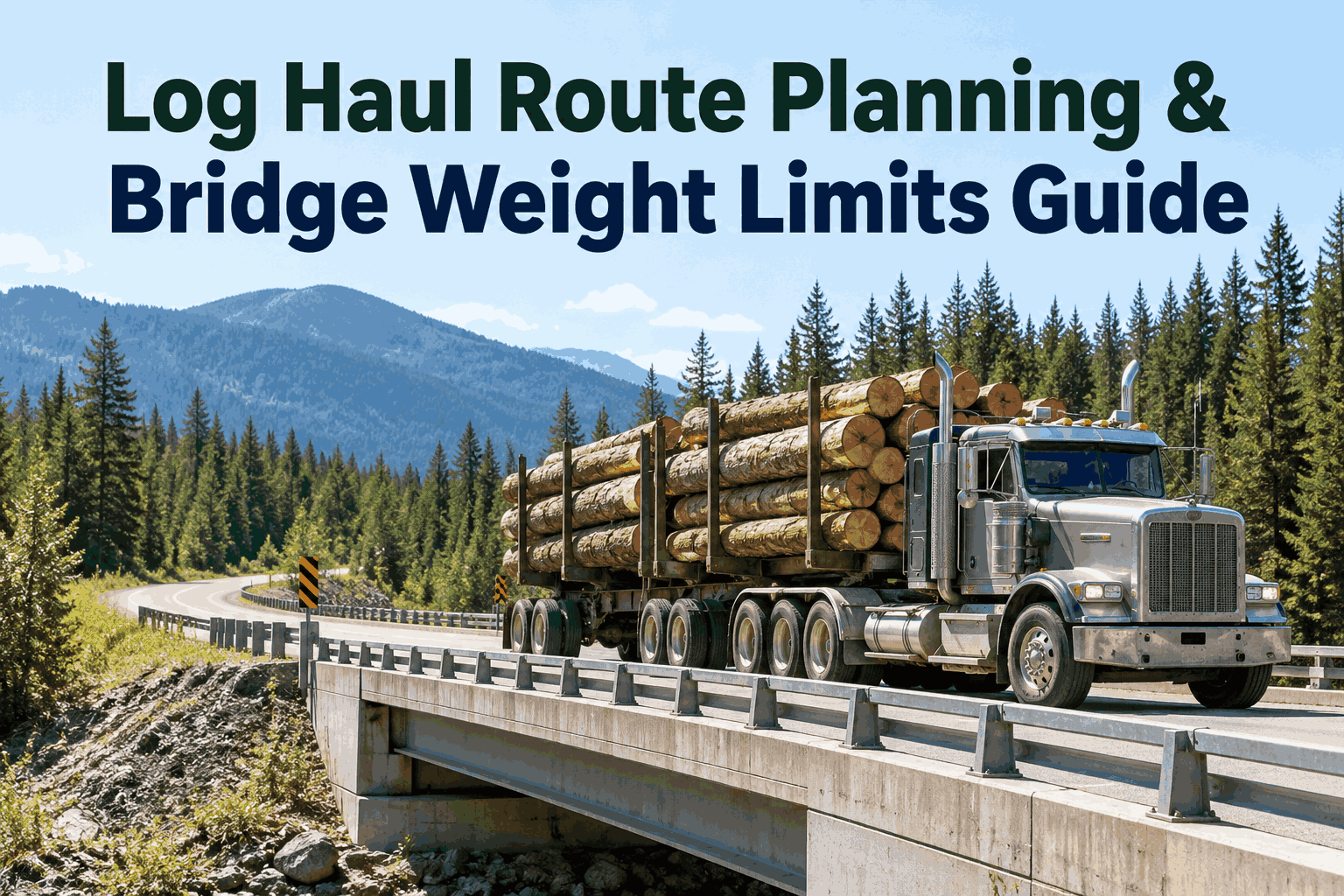
Log haul route planning is where a timber job makes or loses money — the shortest line from landing to mill can run over a bridge that won't take a loaded log truck, a forest road that turns to soup in spring, or a stretch under a seasonal weight restriction. Get the route wrong and you're looking at a turned-back load or a fine. Here's what log haul route planning has to account for, and how HVI keeps the trucks ready for it — or start a free trial.
The shortest route isn't always the one a loaded log truck can take.
Between the landing and the mill sit posted bridges, thaw-weakened forest roads and seasonal weight bans. Good route planning works around them — and the truck still has to roll out road-legal and roadworthy on the day.
The honest boundary up front: HVI isn't a routing or mapping tool, it doesn't calculate bridge load ratings, and it doesn't set weight limits. The route comes from your dispatch, mapping or telematics; bridge limits come from the road authority's postings; legal axle and gross weights come from the jurisdiction. What HVI does is the other half of log haul route planning — keeping each truck and trailer roadworthy, weight-aware and fully documented so the load you planned actually leaves and arrives compliant. It pairs with HVI's logging truck DOT compliance work. Start a free trial to see it on your fleet.
What log haul route planning has to account forthe pre-haul check behind every timber load
A haul plan is really a stack of go/no-go checks — on the route, the road, and the truck. Miss any one and the load doesn't make it.
Route & weightSet by dispatch & the road authority
- Every bridge on the route rated above the loaded truck weight
- Load within legal axle and gross vehicle weight limits
- Permits in hand for any over-dimension or over-weight stretch
- Seasonal or thaw weight restrictions checked for the haul window
Road & truckWhere HVI keeps the record
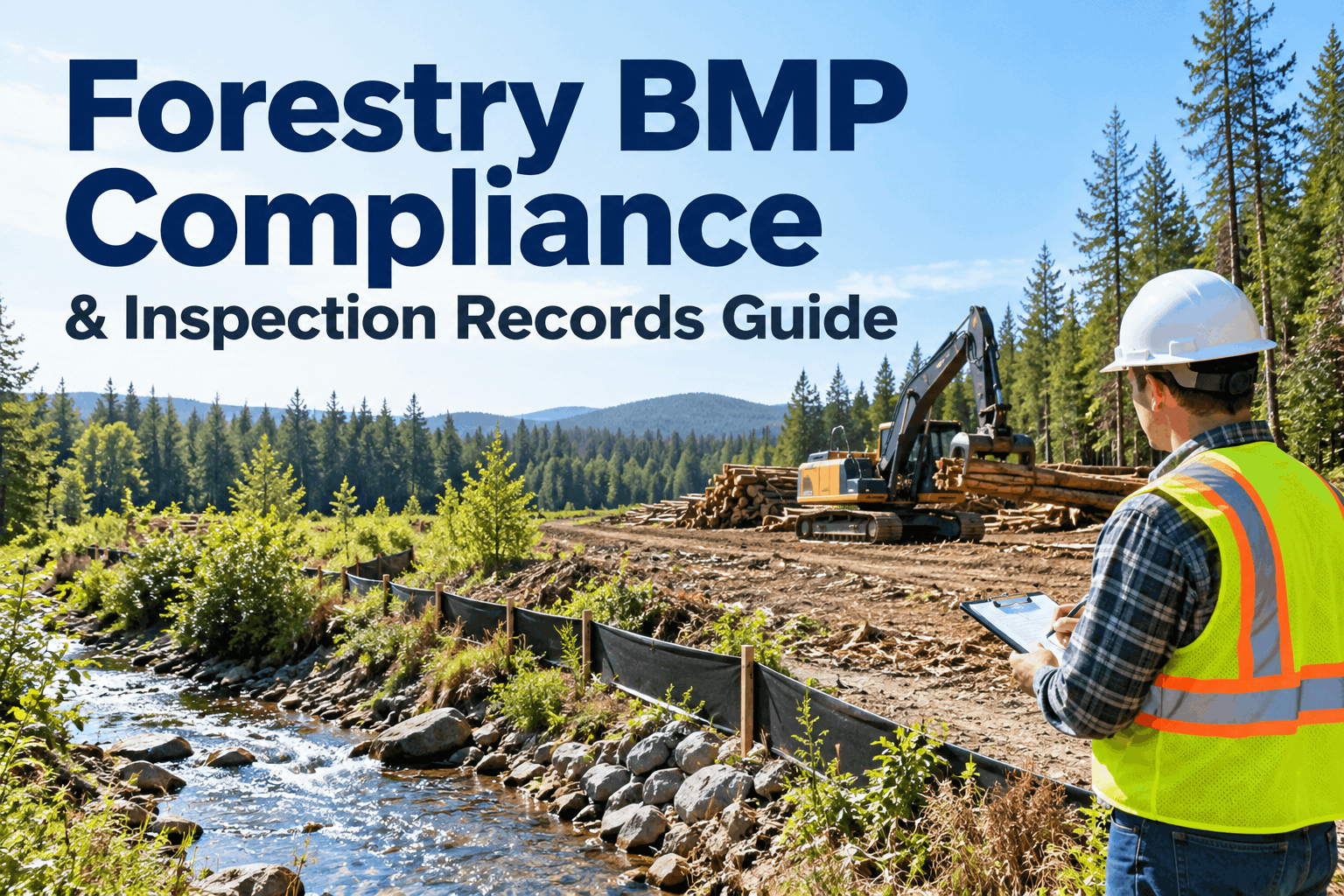
- Forest-road condition noted — soft spots, washouts, grades
- Pre-trip DVIR passed — brakes, tyres, lights, steering
- Load securement, bunks and stakes checked for the log length
- No open defect that would ground the truck mid-haul
The top group is the planner's call; the bottom group is where a digital check earns its keep, every trip. Start a free trial to put the pre-haul check on a phone.
The weight that has to add upwhy bridge weight limits sit at the center of haul planning
Legal weight isn't one number — it's a ceiling that drops as you move from the open highway to a posted forest-road bridge. These are the figures a planner works inside (US examples; Canada, the UK and Australia run equivalent limits and seasonal bans).
A truck that's legal on the highway can be over a posted bridge's limit ten miles later — the route plan has to respect the lowest limit on the line, and the truck has to be inside it. Start a free trial to log weight-compliance records.
Who sets what in a haul planwhere routing ends and vehicle compliance begins
It helps to be clear about which part of the haul is a planning decision and which is a record you keep on the vehicle. Here's the split.
HVI owns the bottom two rows completely — and makes them audit-ready. The rest stays where it belongs, with your planners and the regulators. Book a demo of haul compliance records.
Where HVI fits log haul route planningthe features that keep timber trucks road-ready
HVI covers the vehicle side of the haul — the part that strands a load on the shoulder if it's skipped. Five features carry it.
Vehicle management
Every truck and trailer on one record — specs, weights, service and status, visible to dispatch before a load is assigned.
Fleet inspection / DVIR
Drivers complete a pre-trip DVIR on a phone before the haul — defects flagged and routed before the truck leaves the yard.
Vehicle maintenance records
Brakes, tyres and running gear serviced on schedule and logged — the parts that fail hardest on loaded forest-road grades.
Compliance documentation
Weight, inspection and maintenance records kept together — signed, time-stamped and ready for a roadside or DOT audit.
Asset management
Each unit's full history — specs, limits, costs and downtime — on one record that follows it across every haul.
It runs on the same DVIR and maintenance backbone as the rest of HVI — and connects to your logging truck and trailer program. Book a demo of the haul-readiness workflow.
From a logging transport manager
The route I can plan around — I know which bridges are posted and which roads go off-limits in thaw season. What used to catch us was the truck itself: a unit sent on a long haul with a brake issue the driver "meant to mention," and suddenly there's a load stranded two hours out and a bridge window missed. We put the pre-trip on an app tied to the maintenance history, so dispatch can see a truck's actually fit before it's assigned a haul. The planning got easier because the fleet side stopped surprising us.
Log haul route planning — FAQs
What does log haul route planning involve?
It's choosing a route from the landing to the mill that a loaded log truck can legally and safely travel. That means checking every bridge on the line against the loaded truck's weight, keeping the load within legal axle and gross-weight limits, allowing for seasonal or thaw road restrictions, and factoring in forest-road conditions like grades, soft spots and washouts. The planning sets the route and the limits; the truck then has to be roadworthy and weight-compliant to run it.
Does HVI plan haul routes or set bridge weight limits?
No. HVI is not a routing, mapping or load-rating tool — routes come from your dispatch, mapping or telematics system, and bridge weight limits come from the road authority's posted ratings. HVI covers the vehicle side of the haul: pre-trip DVIR inspections, vehicle maintenance records, and the weight and compliance documentation that prove a truck was fit and legal for the trip. It keeps the fleet ready for the route you plan, rather than planning the route itself.
Why do bridge weight limits matter so much for log trucks?
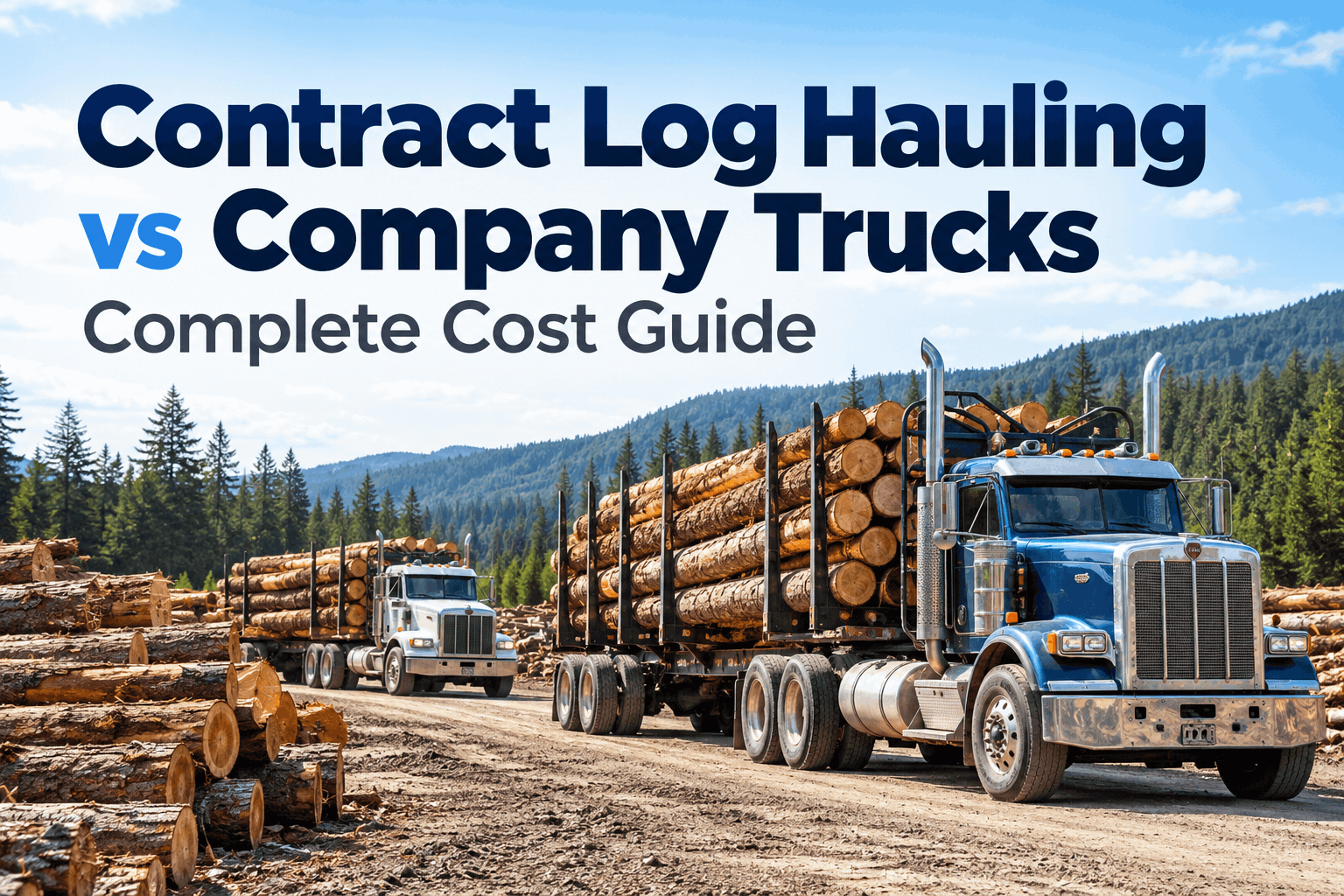
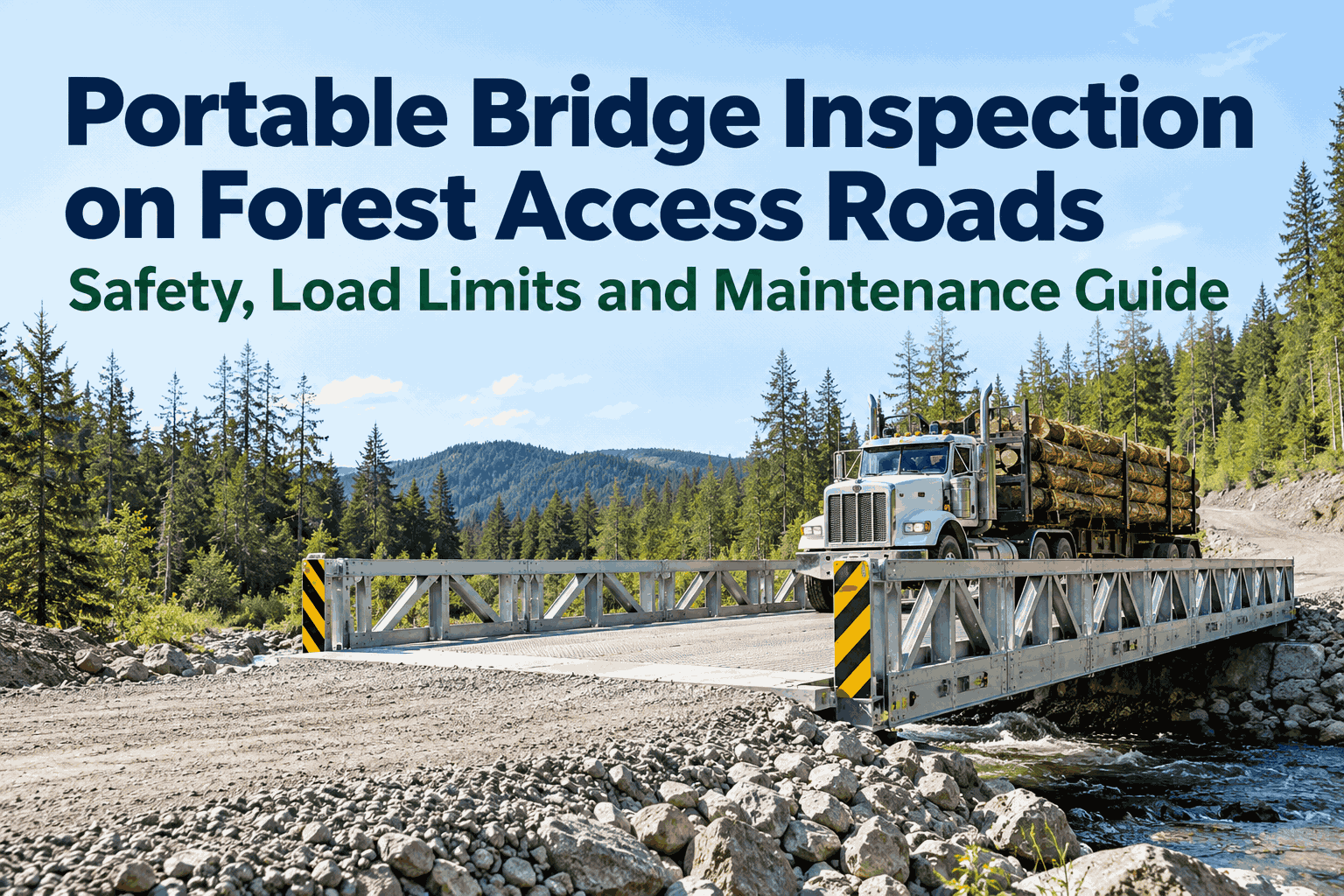
Because a fully loaded log truck is among the heaviest vehicles on a rural road network, and forest-road or secondary bridges are often posted below the legal highway weight. A truck that's legal on the Interstate can be over a posted bridge's limit on the same haul. Crossing an under-rated bridge risks structural damage, a serious fine, and liability — so the route has to be planned around the lowest posted limit on the line, not the highway maximum.
What are seasonal weight restrictions?
Seasonal weight restrictions — sometimes called spring-thaw bans or frost laws — are temporary cuts to allowable road weights when the ground thaws and the roadbed loses strength. They're common on unpaved and secondary routes in colder regions of the US and Canada, and can force heavier reductions than any bridge posting. A haul plan has to check whether the route is under a restriction for the delivery window, because a route that's fine in summer may be off-limits in spring.
How does a digital inspection system support haul planning?
It removes the vehicle from the list of unknowns. With pre-trip DVIR, maintenance history and compliance records in one place, a dispatcher can confirm a truck is roadworthy and documented before assigning it a haul — rather than discovering a defect mid-route. It also keeps a complete, signed record for each trip, so a roadside or DOT check is a quick lookup instead of a scramble. The routing stays with your planners; the fleet readiness stays provable.
Keep the fleet ready for every haul you plan
Route planning decides the line; vehicle readiness decides whether the load makes it. Put the pre-trip, the maintenance history and the compliance records in one place, and the fleet side of log haul route planning stops being the thing that strands a load.
Pre-trip DVIR · Maintenance on record · Audit-ready compliance