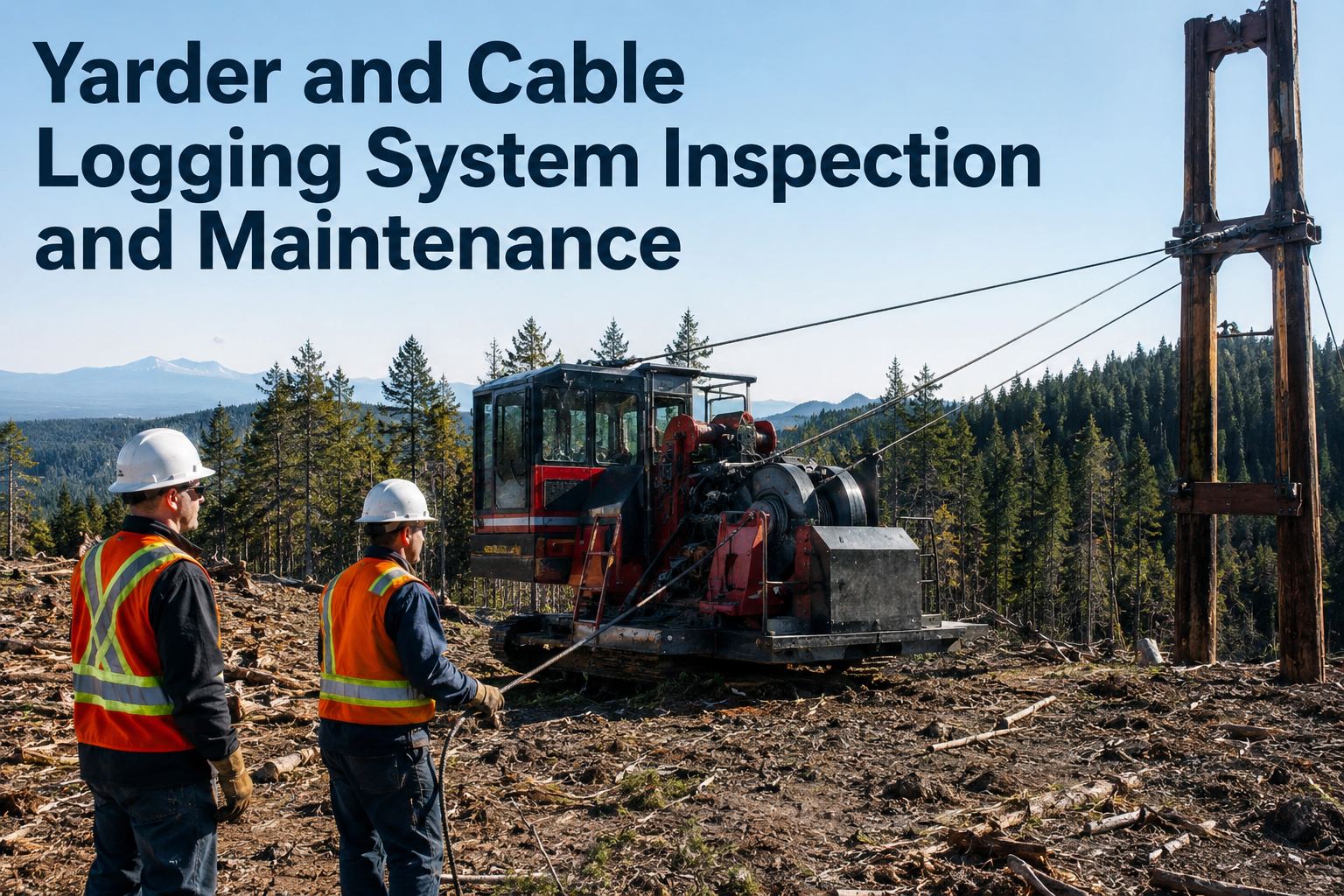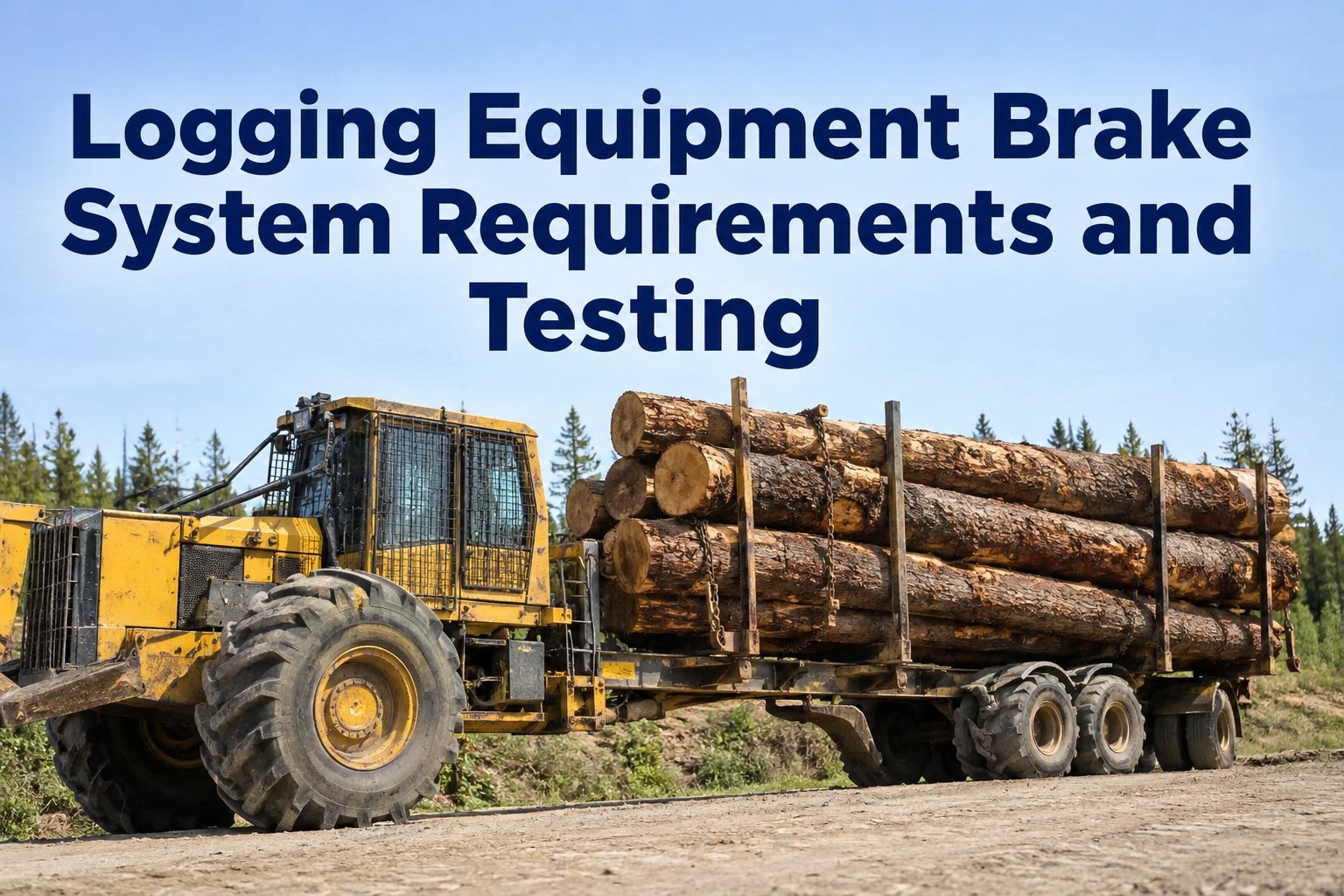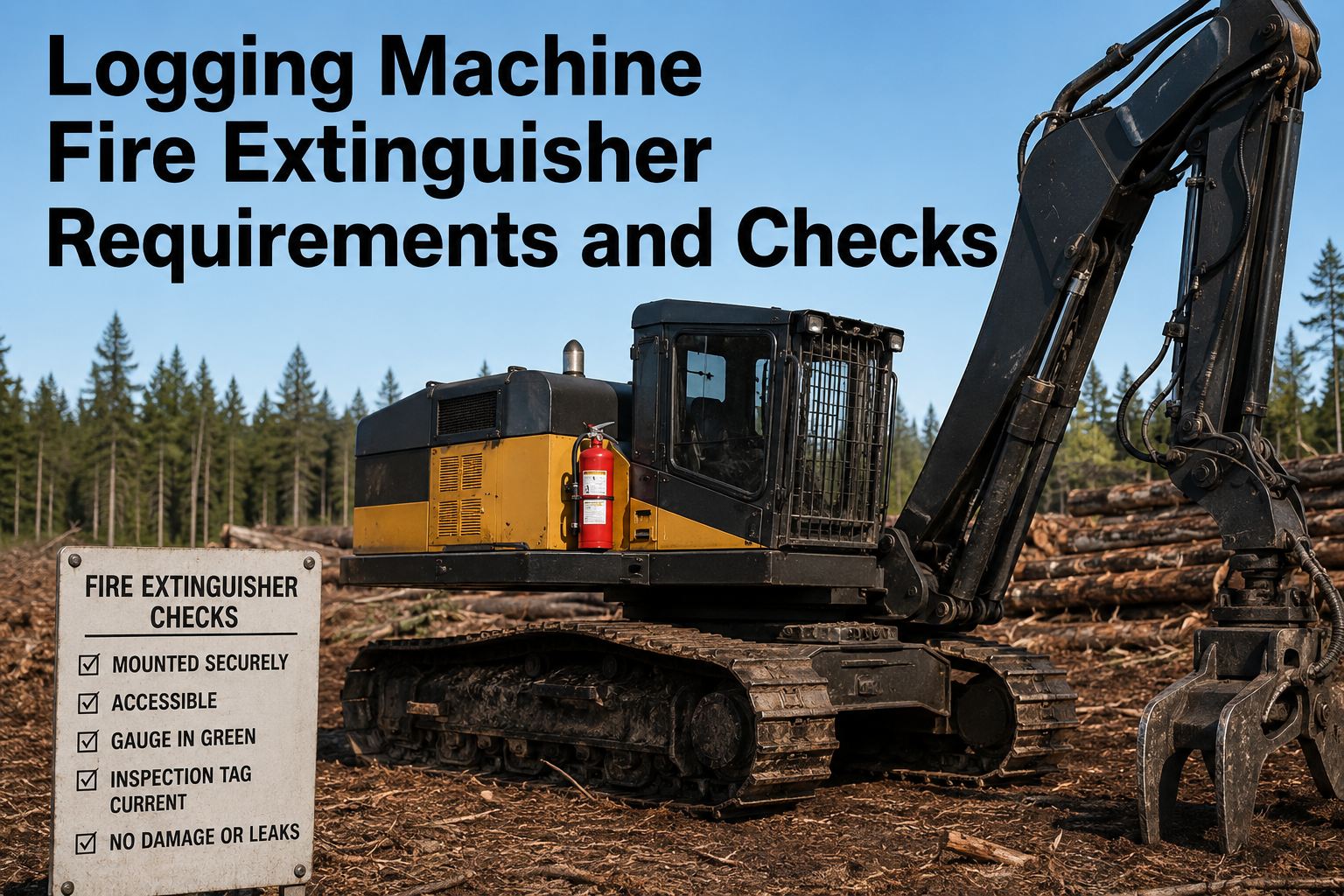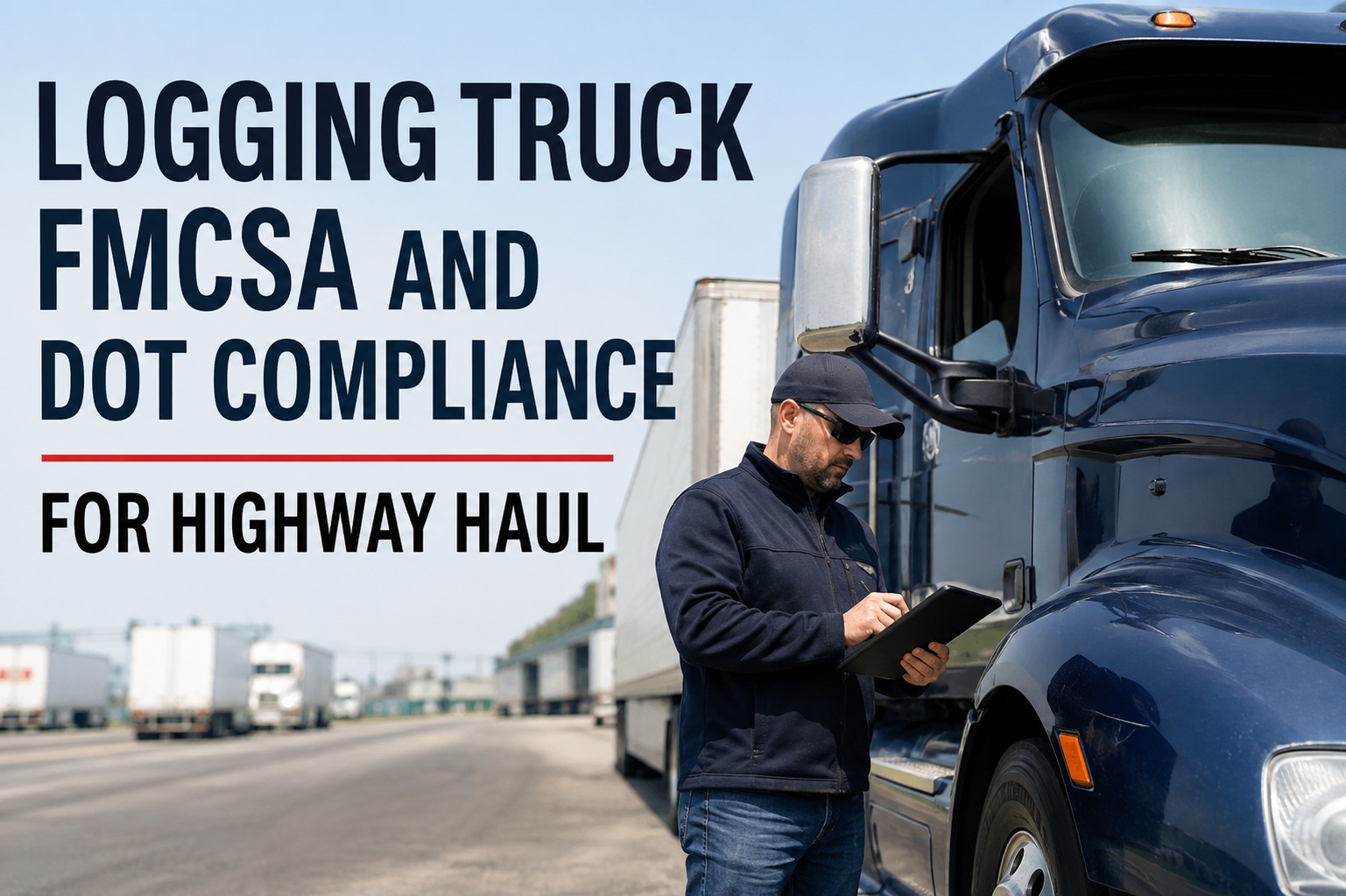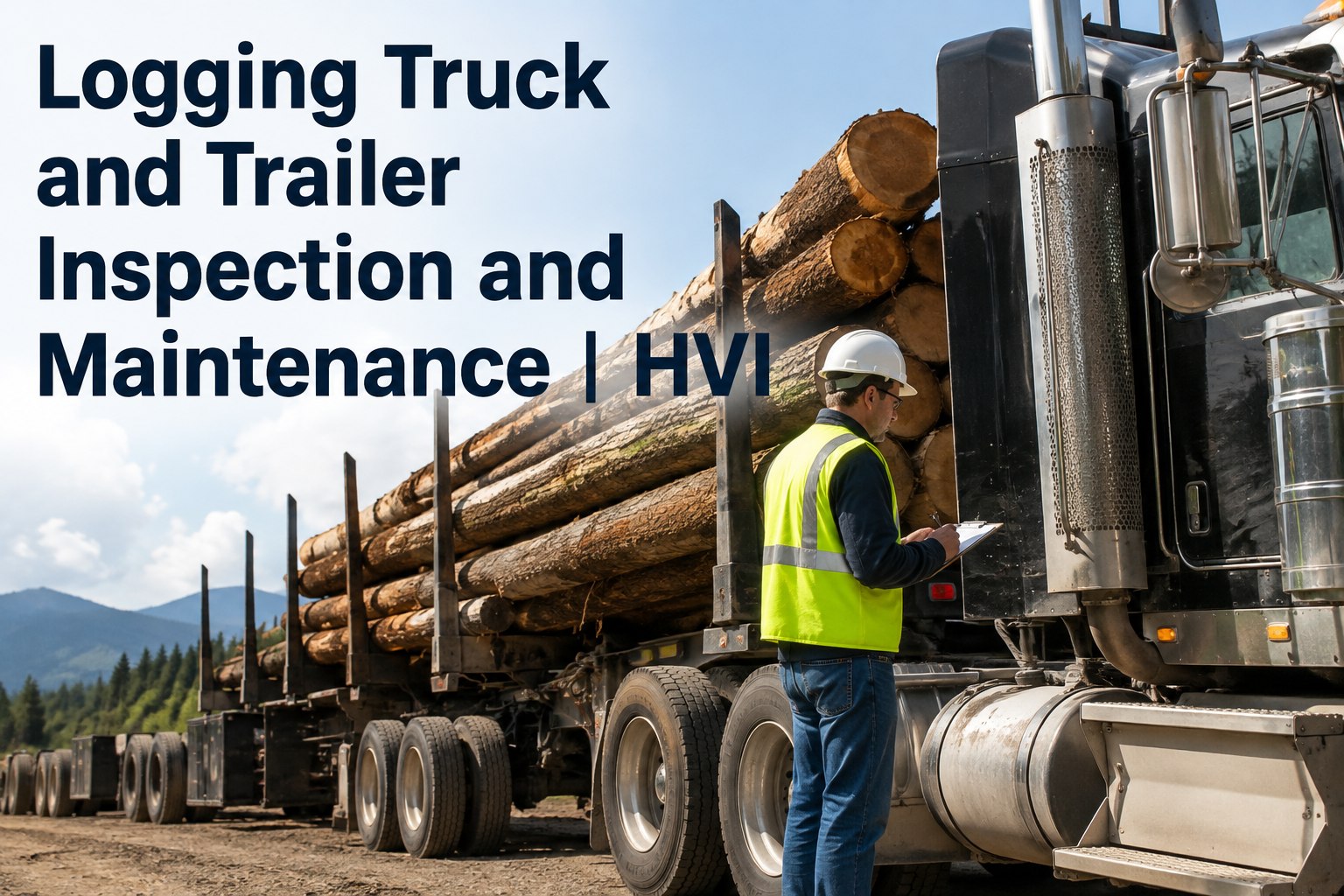
A loaded logging truck inspection is different from any other fleet check you run, because your trucks live two lives at once: highway-legal on Monday morning, axle-deep in mud on a forest road by Monday afternoon. Brakes that held fine on the flat get punished on a 12% descent with 40 tonnes behind them. Tyres that would last a year on asphalt meet rock cuts in a week. And the bunk stakes holding the load are the only thing between a safe haul and a dropped log on a public road. If you are still tracking all of that on paper DVIRs and a whiteboard, the gaps show up as breakdowns, out-of-service orders and loads that never arrive. You can see how digital inspections handle this on a live walkthrough before you change a single process.
Logging truck and trailer inspection and maintenance
The hardest-worked, most-regulated asset in your fleet
Highway log haulers, lowboys and fuel trucks carry the whole operation. HVI gives every unit a digital inspection, a live maintenance schedule and an audit-ready record - from the landing to the mill gate.
What the two-life problem costs you
Four numbers every logging fleet manager should know
Where log trucks actually fail
The five systems that decide whether your logging truck stays on the road
Every log hauler runs the same punishment cycle: loaded descents, rock and mud, shock loading on rough spurs, then back onto the highway where a roadside inspector sees none of that context. These are the five systems that carry the risk - and what a proper log truck PM looks like for each.
Brakes and retarders
Repeated loaded descents cook service brakes. Slack adjuster travel, drum heat checks, air leak-down and retarder function need checking far more often than a highway tractor. A faded brake on a 10% grade with a full load is not a defect - it is an emergency.
Tyres and wheels
Rock cuts, sidewall gashes and bent rims are routine on forest roads. Log truck tyres fail at several times the highway rate, and a missed cut becomes a blowout at highway speed. Drivers need a fast way to photo-report damage from the landing, not a note they forget by Friday.
Bunks, stakes and tiedowns
The load securement system is your dropped-load risk. Cracked bunk welds, bent stakes, worn binders and stretched chains all show up slowly - then fail at once. A structural check on bunks and stakes belongs in every pre-trip, not just the annual inspection.
Suspension and frame
Forest roads deliver shock loading that highway suspension never sees. Broken spring leaves, worn bushings, cracked frame rails around the fifth wheel and leaking air bags all accelerate. Catching a cracked rail early is a weld; catching it late is a truck down for a week.
Highway compliance layer
Driver vehicle inspection reports, annual inspections and load securement rules apply the moment your wheels touch public road. Paper DVIRs that live in the cab do not survive an audit. Every inspection needs a timestamp, a photo and a defect trail a roadside officer or auditor can read.
Lowboys and fuel trucks
The support fleet keeps the show running: lowboys moving processors and skidders between blocks, fuel trucks running diesel to the landing. They carry their own inspection needs - deck condition, ramps, tank integrity, hoses and spill kit - and they belong in the same system, not a separate spreadsheet.
Log trailer maintenance checklist
What a daily logging truck inspection should actually cover
A proper pre-trip on a log hauler takes about 15 minutes on a phone. The table below maps the inspection point to the failure it prevents and the record your inspector or auditor expects to see. This is the structure HVI templates follow out of the box - and you can start running this checklist free on your own trucks today.
| Inspection point | What you are looking for | Failure it prevents | Record kept |
|---|---|---|---|
| Service brakes and slack adjusters | Travel within limits, no heat cracks, no air leaks | Brake fade on loaded descents, OOS order | Measurement + photo, timestamped |
| Retarder / engine brake | Engages on all stages, no warning lights | Runaway risk on steep grades | Pass/fail with defect note |
| Tyres, wheels and hubs | Rock cuts, sidewall damage, inflation, loose lugs, hub oil | Blowout at highway speed, wheel-off | Photo of damage, tyre record updated |
| Bunks, stakes and tiedowns | Cracked welds, bent stakes, binder and chain condition | Dropped load on a public road | Structural check with photos |
| Suspension and frame | Broken leaves, air bag leaks, frame cracks at stress points | Catastrophic failure, week-long downtime | Defect flagged to work order |
| Lights, conspicuity and cab | All lamps working, reflective tape intact, wipers, horn | Roadside citation, night-haul risk | Standard DVIR line items |
See HVI running on your own trucks and trailers
Book a 30-minute demo and we will load one of your log haulers into a live template - brakes, bunks, tyres and all - so you can judge it against your real pre-trip.
From defect to done
How a defect on a forest road becomes a closed work order
The gap between "driver noticed it" and "shop fixed it" is where logging fleets lose trucks. Here is the loop HVI closes, step by step.
Driver flags it from the landing
A rock-cut tyre or a cracked stake gets photographed on any phone, on the roadside or at a remote site - no signal needed to capture, it syncs when coverage returns. No more text-message photos lost in a group chat.
Defect becomes a work order instantly
The flagged item converts to a work order with the photo, the unit, the odometer and the driver's note attached. The shop foreman sees it before the truck reaches the yard, so parts and bay time are planned, not improvised.
PM schedules catch the slow wear
Brake measurements, suspension checks and bunk inspections run on preventive maintenance schedules by date, mileage or engine hours, with due and overdue alerts. Nothing relies on someone remembering a whiteboard entry.
The record closes the loop
Repair, parts used, cost and sign-off all attach to the unit's history. When a roadside officer, client auditor or insurer asks, you pull the timestamped, photo-backed trail in seconds - and you can walk through that audit trail on a demo call with your own fleet's scenarios.
A worked example
What one missed brake defect actually costs
Now run the other side. A 12-truck logging fleet that catches two brake or tyre defects a month before they fail - at roughly $150 in parts and an hour of planned shop time each - avoids even one of those roadside events and the software has paid for itself for the year. That is before you count the audit time saved: pulling a year of DVIRs off paper takes days; pulling them from HVI takes a search. If you want to test the maths on your own numbers, book a demo and bring your downtime figures - the payback calculation takes five minutes.
How HVI helps
One platform for haulers, lowboys, fuel trucks and the machines they support
Configurable templates per asset type
Your highway log truck gets brake, bunk and tyre checks; your lowboy gets deck, ramp and tie-down points; your fuel truck gets tank, hose and spill-kit items. Each template matches the asset, and drivers only see what applies to the unit in their hand.
Photo-backed DVIR and defect-to-work-order
Every inspection is timestamped and photo-backed, and any defect converts to a work order in one tap. Paper binders, spreadsheet PM sheets and group-chat photos all disappear into a single record per unit.
PM scheduling by date, mileage or engine hours
Brake measurements, suspension inspections and annual compliance checks fire automatically, with due and overdue alerts to the shop. GPS and telematics integrations feed the meter readings so intervals stay honest.
One dashboard across the whole fleet
Trucks, trailers, lowboys, fuel trucks and the off-road machines they support all report into one view: uptime, cost per asset, compliance rate and open defects. You see which unit is becoming a problem before it strands a load.
Key takeaways
Logging truck inspection and maintenance, boiled down
- Brakes and tyres are your top two cost lines because forest roads punish both at multiples of highway rates - inspect them daily, measure them on a schedule.
- Bunks, stakes and tiedowns are a structural inspection, not a glance - a dropped load on a public road is the one event your operation cannot afford.
- The compliance layer follows you off the highway - DVIRs and annual inspections need timestamped, photo-backed records that survive an audit, not paper in a cab.
- Lowboys and fuel trucks belong in the same system as the haulers - one dashboard, one standard, no side spreadsheets.
- The payback is fast - one avoided roadside event or one caught frame crack typically covers a year of software for a mid-size logging fleet.
If your current system is a binder, a whiteboard and a group chat, the move is smaller than you think. Most fleets run their first digital pre-trip the same day they create a free HVI account.
The thing that used to keep me up was stakes. Drivers would tell me a stake looked "a bit bent" and I'd find out three weeks later it was cracked through. Now I get a photo the day it happens, and I track one number every Monday: open structural defects across the fleet. Last quarter that number never went above two. Before, I honestly couldn't have told you what it was.
Dan Merrick - Maintenance Manager, regional timber hauling contractor, 18 trucks plus lowboys and a fuel truck
Common questions
Logging truck and trailer inspection FAQs
How often should a logging truck get a brake inspection?
What should a log trailer bunk and stake inspection include?
Do lowboys and fuel trucks need the same inspection system as the log haulers?
Does a digital DVIR work at remote landings with no cell coverage?
How fast can a logging fleet move off paper inspections?
Your trucks work two lives. Their records should only need one system.
Digital inspections, PM schedules, work orders and audit-ready history for every hauler, lowboy and fuel truck you run - on any phone, from the landing to the mill.
Free to start - Works on any phone - No card needed