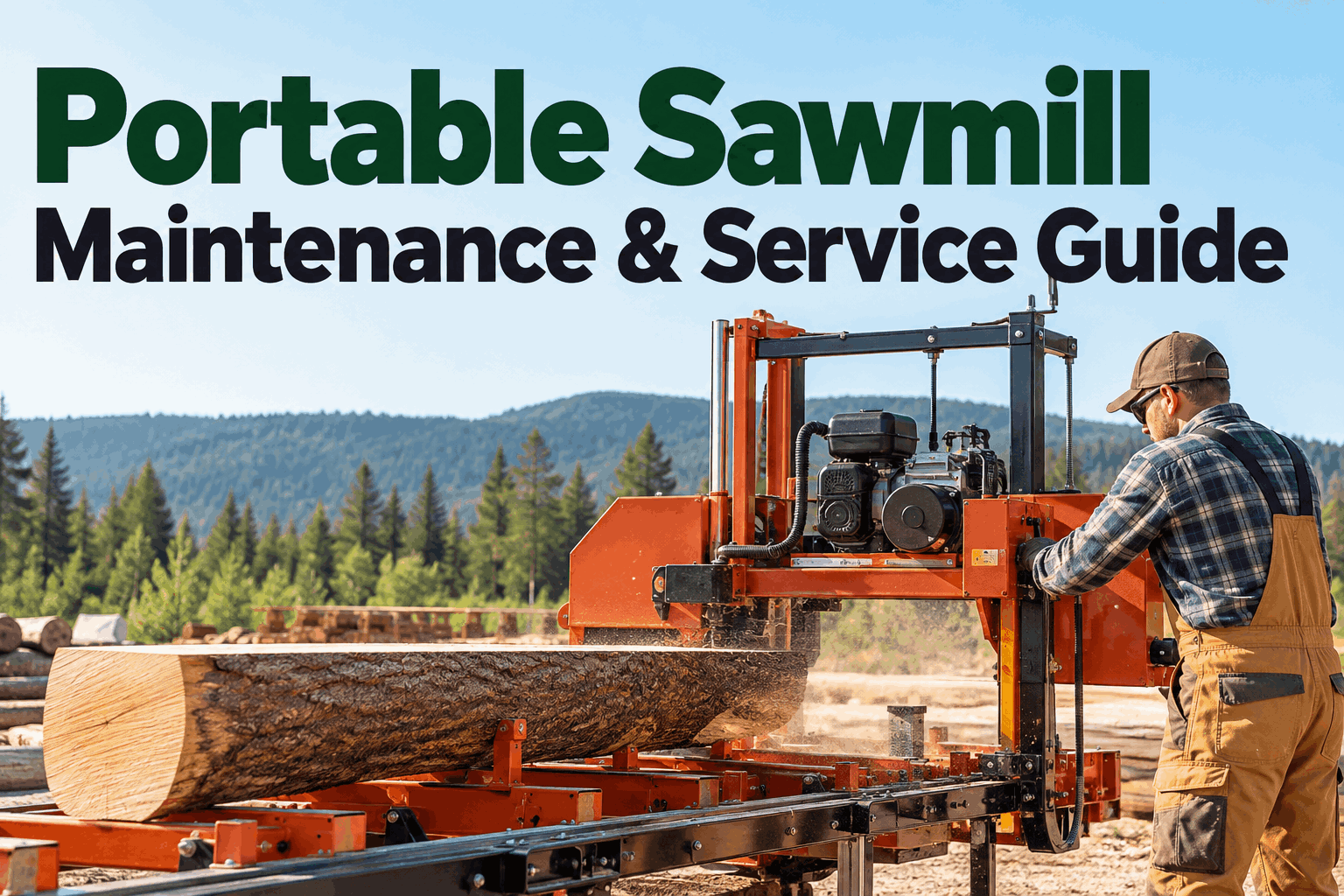
Portable sawmill maintenance keeps the blade, guides, tracking, lubrication and drive components working together through repeated cutting cycles. A practical service program combines routine operator checks with manufacturer-defined preventive maintenance, defect follow-up and equipment history so small changes in blade behavior, bearings or drive condition are addressed before they become larger service problems.
Keep Every Part of the Cut Working Together
A portable sawmill depends on more than a sharp blade. Guides, tracking, lubrication, bearings and drive components all influence reliable operation. HVI helps organize inspections, preventive service, repair work and maintenance history around the mill.
Portable sawmill service works best when maintenance follows the cutting system rather than treating every component as an isolated task. A blade may be the first place an operator notices a problem, but the underlying condition can involve guides, tracking, bearings, belts, lubrication or alignment. The maintenance record should help the team connect those observations over time.
Build Portable Sawmill Maintenance Around Five Reliability Zones
A useful portable sawmill inspection should reflect how the machine actually produces a cut. Start at the blade, move through the components that control and drive it, then include the track and supporting systems that keep the sawhead moving correctly.
The exact checkpoints and service procedures should follow the manufacturer instructions for the mill.
Condition, cleanliness, correct installation and other blade requirements defined for the machine.
Roller condition, free movement, wear and adjustment according to the installed guide system.
Review blade tracking and relevant alignment points when required by the mill's service procedure.
Keep designated lubrication points serviced and inspect applicable bearings for wear or abnormal condition.
Inspect applicable belts, chains, feed components and tension according to the machine configuration.
Portable sawmills vary significantly by model and configuration, so a digital inspection should match the machine instead of relying on one universal checklist. HVI can organize equipment-specific inspections around the service points your mill requires. See how your portable sawmill inspection can be structured in HVI.
Use Cutting Changes as Maintenance Signals, Not Automatic Diagnoses
Operators often notice a maintenance concern through machine behavior before a scheduled service comes due. A change in cut behavior, blade movement, vibration, noise or component temperature can justify inspection—but the symptom alone should not be treated as proof of one specific failure.
Record what the operator observed first, then document the component condition found during inspection or repair. That produces more useful equipment history than recording assumptions as failures.
HVI can keep the original inspection observation and resulting maintenance work connected to the same sawmill record. See how HVI can turn sawmill operator findings into traceable maintenance work.
Build a Portable Sawmill Service Schedule Around Manufacturer Requirements
Not every sawmill maintenance task belongs on the same interval. Some checks may be appropriate around operation or blade changes, while lubrication, alignment, engine, hydraulic or drive-system work may follow operating-hour or other manufacturer-defined schedules.
Use the interval specified for the mill, engine and installed components.
Visible damage, cleanliness, blade condition and other operator-level inspection items.
Use blade changes as a service opportunity where the manufacturer calls for guide or related inspection.
Schedule applicable lubrication, engine, drive or component work at the required operating-hour interval.
Inspect or repair when an operator reports abnormal behavior or a scheduled inspection identifies a concern.
Avoid copying an hour value from another portable sawmill model. Blade guides, bearings, drive belts, engines and lubrication points can have different service requirements. Build the PM schedule from the manuals for the actual machine and installed components.
HVI's preventive maintenance workflows can organize those manufacturer-defined service triggers against each machine rather than relying on memory or a workshop wall chart. See how HVI can turn your sawmill service requirements into a repeatable PM program.
Lubrication, Bearings and Cleanliness Need Their Own Routine
Sawdust and repeated machine movement make housekeeping part of maintenance. Areas around guides, rails, rollers, bearings and drive components should remain accessible enough for inspection, while lubrication points need the correct product, quantity and interval specified for the equipment.
Keep relevant inspection and service areas clear enough to identify component condition.
Use the lubricant, amount and frequency specified for the particular mill or component.
Review applicable rollers and bearings for free movement, wear and other abnormal condition.
Document what was checked, serviced, adjusted or replaced and when the work occurred.
Some components can be damaged by incorrect servicing or excessive lubrication. Use the manufacturer's instructions rather than applying a generic lubrication rule across the sawmill.
Documenting this work helps a maintenance manager distinguish “scheduled lubrication completed” from “bearing inspected because abnormal movement was reported.” See how HVI can retain routine sawmill service and condition-based repairs in the same equipment history.
Turn Portable Sawmill Inspections Into Work Orders and Service History
The maintenance program becomes more useful when the inspection, repair and final service record are connected. Otherwise the operator may report the same issue repeatedly because there is no clear trail showing whether it was inspected, adjusted, repaired or deferred.
Finding is attached to the sawmill rather than left in a separate message.
The technician can review the reported condition before beginning the work.
Adjustment, service or replacement details become part of the machine's history.
Review whether the same system is appearing repeatedly in inspections or repairs.
Keep evidence that scheduled maintenance was actually performed on the machine.
Use the defined PM schedule instead of relying on individual memory.
HVI's maintenance management workflows connect equipment findings with work and service history, giving forestry and sawmill teams a clearer maintenance record for each portable mill.
Keep Blade-System Maintenance Connected From Inspection to Completed Service
Portable sawmill maintenance is easier to control when blade condition, guides, tracking, lubrication, bearings and drive-system work are part of one defined program rather than separate reminders.
HVI helps teams standardize inspections, schedule manufacturer-defined preventive maintenance, manage work orders and retain the service history needed to understand how each sawmill has been maintained.
Portable Sawmill Maintenance FAQs
What should a portable sawmill maintenance program include?
A portable sawmill maintenance program should reflect the specific mill and its manufacturer requirements. Typical areas can include blade condition, blade guides, tracking and alignment, lubrication points, bearings, drive belts or chains, feed components, rails, engine or power-system service and other installed equipment. Routine inspections, preventive maintenance and defect repairs should all remain connected to the machine's service history.
How often should a portable sawmill be serviced?
There is no single service interval for every portable sawmill. Individual tasks may be triggered by operation, blade changes, operating hours, calendar intervals or observed condition. Use the maintenance schedules supplied for the actual sawmill, engine and installed components rather than copying a generic interval from another model.
What should be checked on portable sawmill blade guides?
The exact procedure depends on the guide design. Manufacturer instructions may require checks for cleanliness, free roller movement, bearing condition, roller wear, positioning, adjustment or lubrication. If a guide is worn or incorrectly adjusted, follow the mill manufacturer's inspection, adjustment and replacement procedure.
Can poor cut quality indicate a sawmill maintenance problem?
A change in cut quality can justify further inspection, but it should not be treated as proof of one particular component failure. Blade condition, guides, tracking, alignment, feed behavior and other operating factors may need review. Record the observed symptom first and document the verified maintenance finding after inspection.
How can HVI help with portable sawmill maintenance?
HVI can organize equipment-specific inspections, schedule preventive maintenance, route reported defects into work orders and retain completed service against the sawmill's maintenance history. This gives operators and maintenance teams one record for recurring inspections, planned service and condition-based repairs.