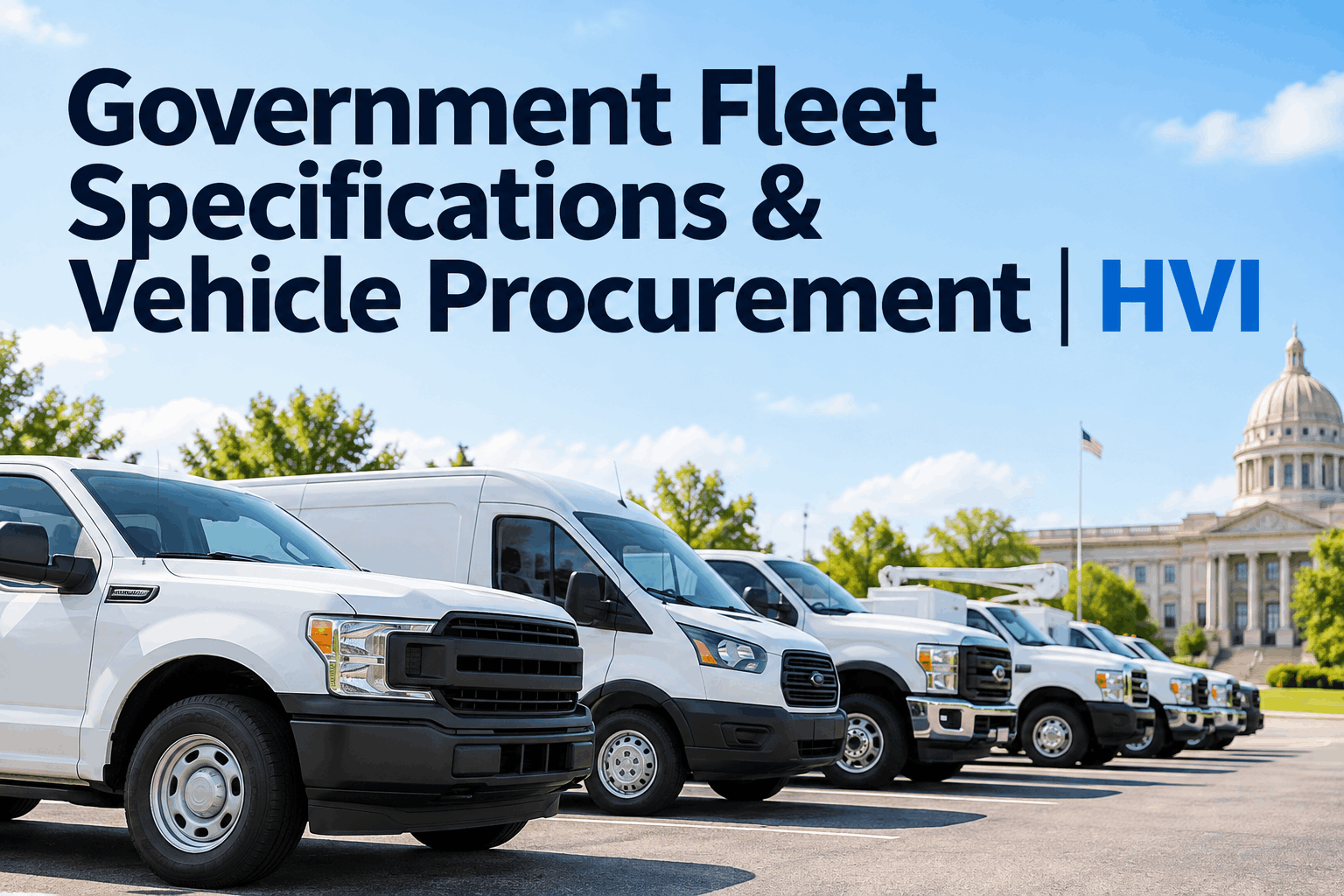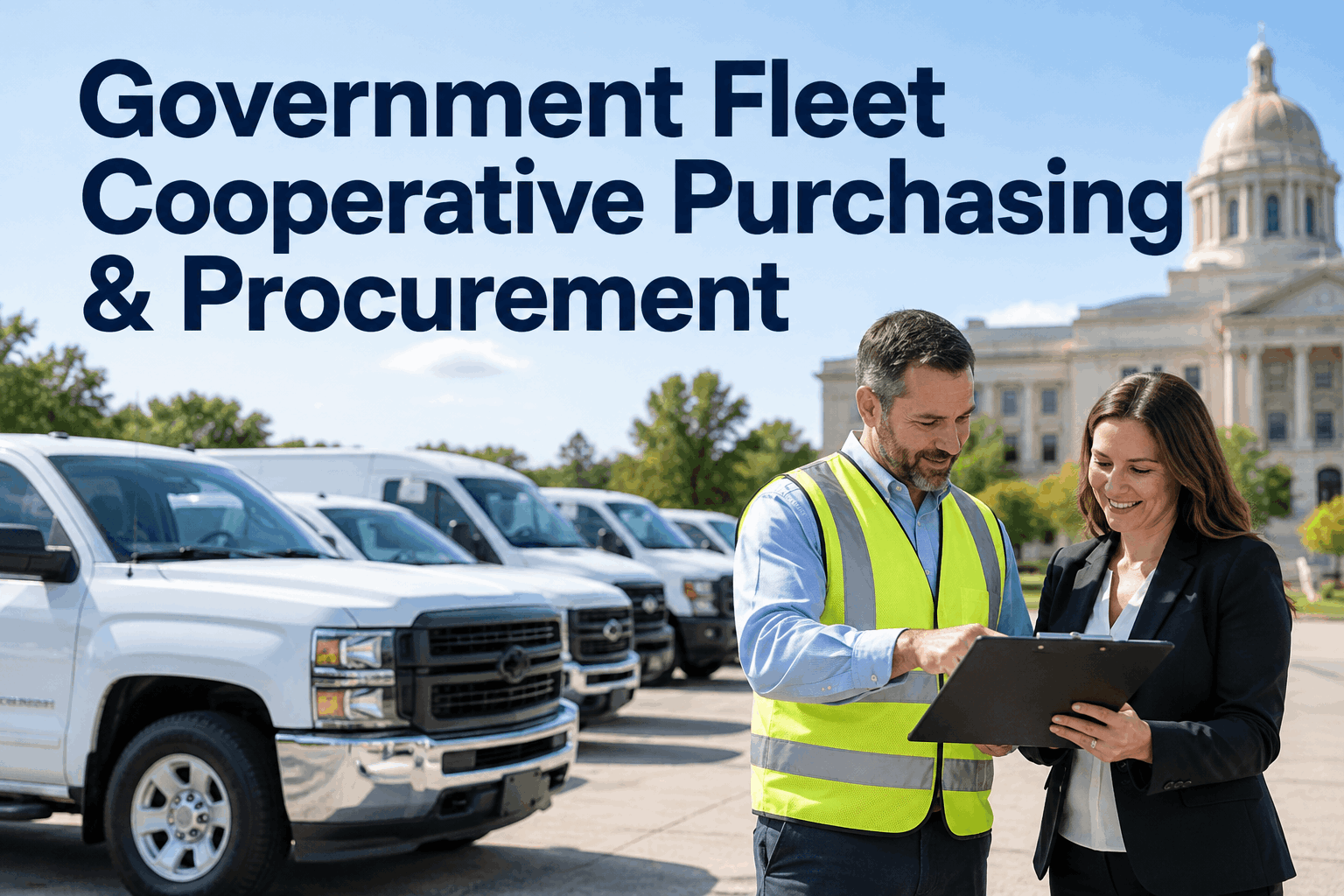
Government fleet cooperative purchasing can shorten the path from an approved vehicle need to a usable procurement contract, but speed should not replace due diligence. Fleet and purchasing teams still need to confirm purchasing authority, contract eligibility, vehicle fit, pricing, terms and documentation before using a cooperative or piggyback procurement route.
Use Cooperative Purchasing Without Losing the Procurement Trail
Move from vehicle need to contract review, fit analysis and documented purchase through one clear decision route. The goal is not simply to buy faster—it is to know why the selected procurement path and vehicle make sense.
Cooperative procurement can give public fleets access to contracts that have already gone through a competitive process, depending on the program and jurisdiction. The practical challenge is deciding whether a particular contract is available to the agency, appropriate for the vehicle being purchased and consistent with the agency's own procurement requirements.
Where Government Fleet Cooperative Purchasing Fits
Not every vehicle purchase needs to follow the same route. An agency may issue its own solicitation, use an eligible cooperative purchasing agreement, access a state or provincial procurement instrument, or—where permitted—piggyback on another public contract. The available options depend on applicable law, policy, contract language and agency authority.
Which procurement path is authorized and best aligned with the requirement?
Useful when the requirement needs a dedicated competitive process or existing contracts do not fit.
May reduce duplicated procurement effort when participation, scope and terms fit the purchase.
Requires careful review of applicable authority, original contract language and agency policy.
“Cooperative,” “piggyback,” “state contract” and similar terms should not be treated as interchangeable legal authority. Procurement personnel should determine which purchasing method is permitted for the specific agency and transaction.
Fleet teams can support that review by keeping the vehicle requirement, replacement justification and asset history together. See how HVI can keep fleet records available while a cooperative vehicle purchase is being evaluated.
Do Not Choose a Cooperative Contract on Price Alone
Finding an available contract is only the beginning. The procurement team still needs to determine whether the contract covers the required vehicle or equipment, whether the agency is eligible to use it, how pricing works, which options and upfits are included, when the contract expires and what ordering conditions apply.
A comparison like this helps prevent the cooperative contract itself from becoming the vehicle specification. The fleet requirement should be established first; the purchasing team can then evaluate whether an available contract actually satisfies it.
Keeping asset and maintenance records connected to the replacement decision can provide useful context when configurations are compared. See how HVI gives procurement discussions a clearer vehicle-history record.
Document Why the Cooperative Vehicle Purchase Makes Sense
One of the most useful procurement habits is preserving the reasoning behind the purchase. Months or years later, another employee should be able to understand what the agency needed, which procurement route was considered, why the selected contract was available and how the purchased configuration matched the operational requirement.
This is where digital records become valuable beyond day-to-day maintenance. Inspection history, repair activity and asset information can help explain why a vehicle is being replaced and what the next configuration needs to accomplish. See how HVI can support the fleet evidence behind a documented procurement decision.
Keep Fleet Requirements in Control of the Purchase
A cooperative contract can simplify procurement administration, but it should not cause a fleet to buy the wrong configuration simply because that vehicle is easy to order. Before purchase, compare the available configuration against the work the asset will actually perform.
Maintenance and utilization evidence can be especially useful here. Recurring repair patterns, poor serviceability or an unsuitable previous configuration may explain why simply purchasing the same vehicle again is not the best operational choice. Explore fleet analytics and reporting for a clearer view of asset history and trends.
Connect Cooperative Procurement With Vehicle Acceptance
The procurement process should not end when the purchase order is issued. At delivery, the fleet should verify that the vehicle, body, upfit, options and documentation match what was ordered, then establish the incoming asset record before the vehicle enters service.
A structured digital vehicle inspection can document initial condition and exceptions at delivery, creating a cleaner handoff from purchasing into fleet operations.
Government Fleet Cooperative Purchasing FAQs
What is government fleet cooperative purchasing?
Cooperative purchasing generally allows eligible public organizations to purchase through procurement instruments established for use by multiple participating entities. The exact structure, eligibility and authority vary by cooperative program and jurisdiction, so an agency should confirm its legal and policy authority before using a particular contract.
What is the difference between cooperative purchasing and piggyback purchasing?
The terms can be used differently across jurisdictions. A purchasing cooperative is generally structured to serve multiple participating organizations, while piggybacking commonly refers to one public entity using a contract established by another entity where that use is legally and contractually permitted. Procurement staff should apply the definitions and requirements used by their own jurisdiction.
Does using a cooperative contract automatically make a fleet purchase compliant?
No. Availability of a cooperative contract does not by itself establish that a specific agency may use it or that every purchase under it satisfies applicable procurement requirements. Eligibility, purchasing authority, contract scope, ordering procedures, approvals and documentation may all require review.
What should fleets compare before using a cooperative vehicle contract?
Useful review points include agency eligibility, contract scope, vehicle configuration, required options and upfits, pricing structure, fees, supplier terms, contract dates, ordering instructions, delivery conditions and any documentation required by the agency. The offered vehicle should also be checked against the fleet's operational requirement.
How can HVI support fleet procurement documentation?
HVI can preserve asset-level maintenance, inspection, defect and service history that helps fleet teams understand why a vehicle is being replaced and what operating issues should inform the next purchase. Those records can support internal planning and procurement discussions, but HVI does not determine whether a cooperative contract is legally authorized or compliant for a particular public agency.
Keep Better Fleet Evidence Behind Every Vehicle Purchase
Use HVI to keep inspections, maintenance, defects and asset history organized before replacement decisions are made—and carry a clearer operational record into procurement planning.