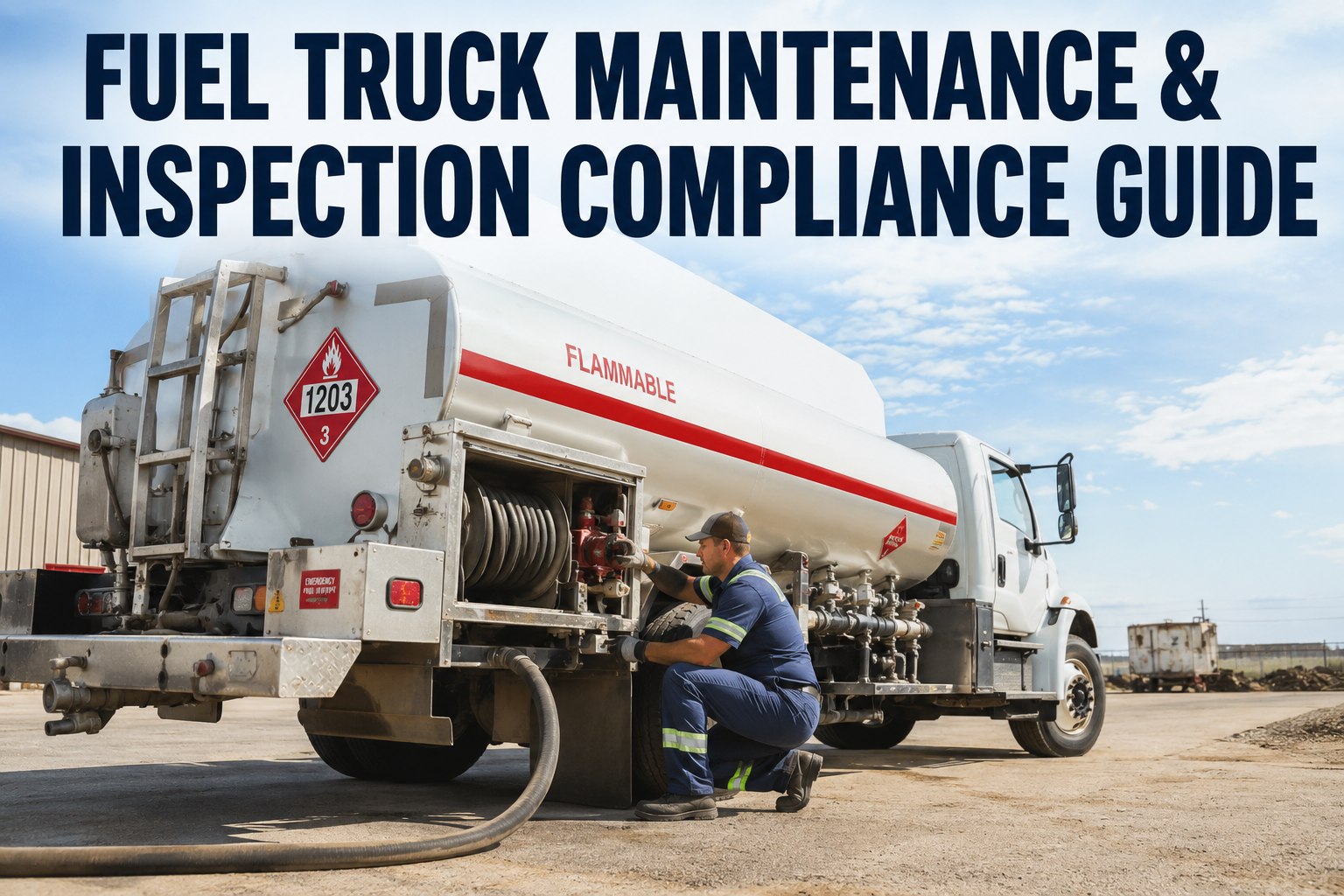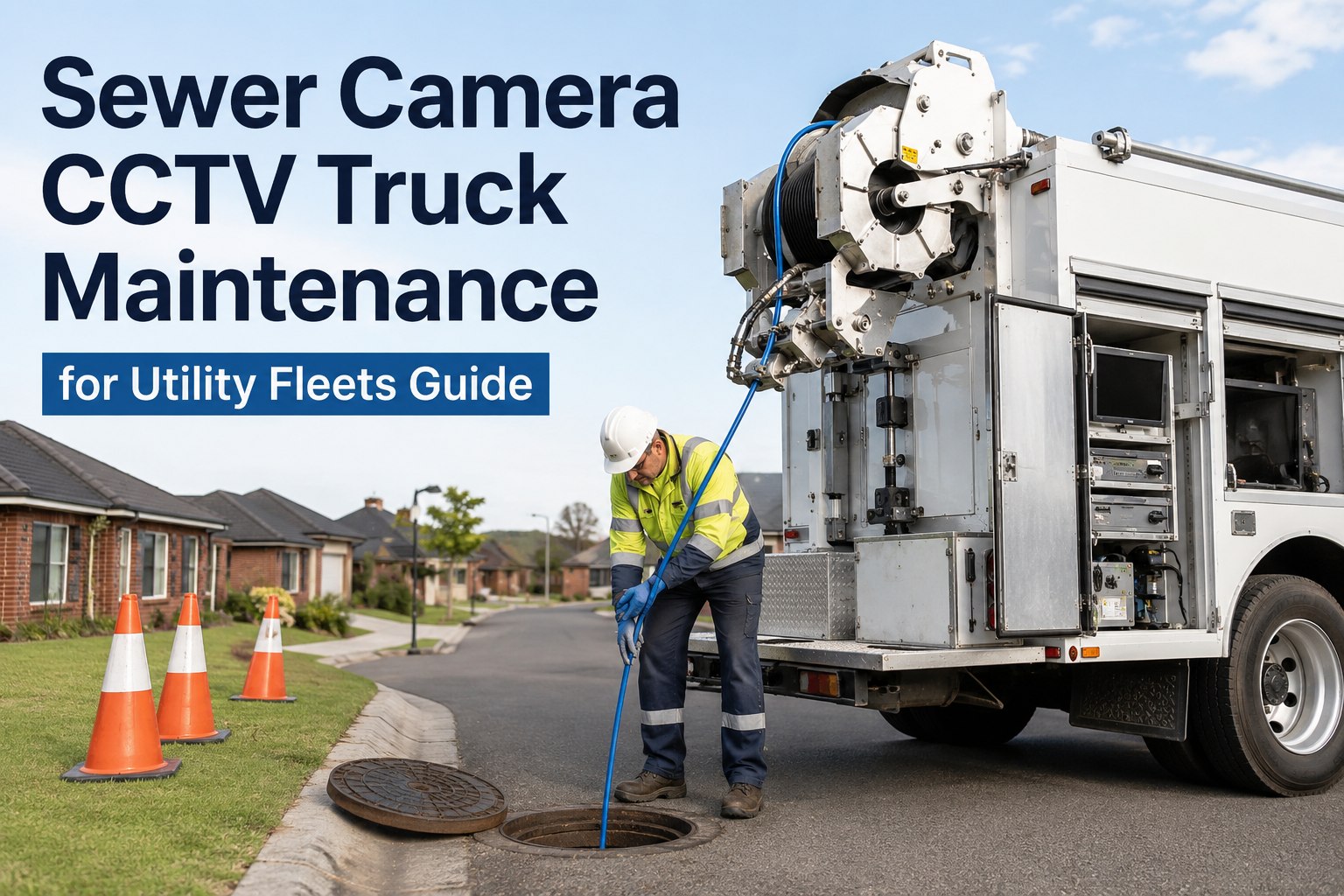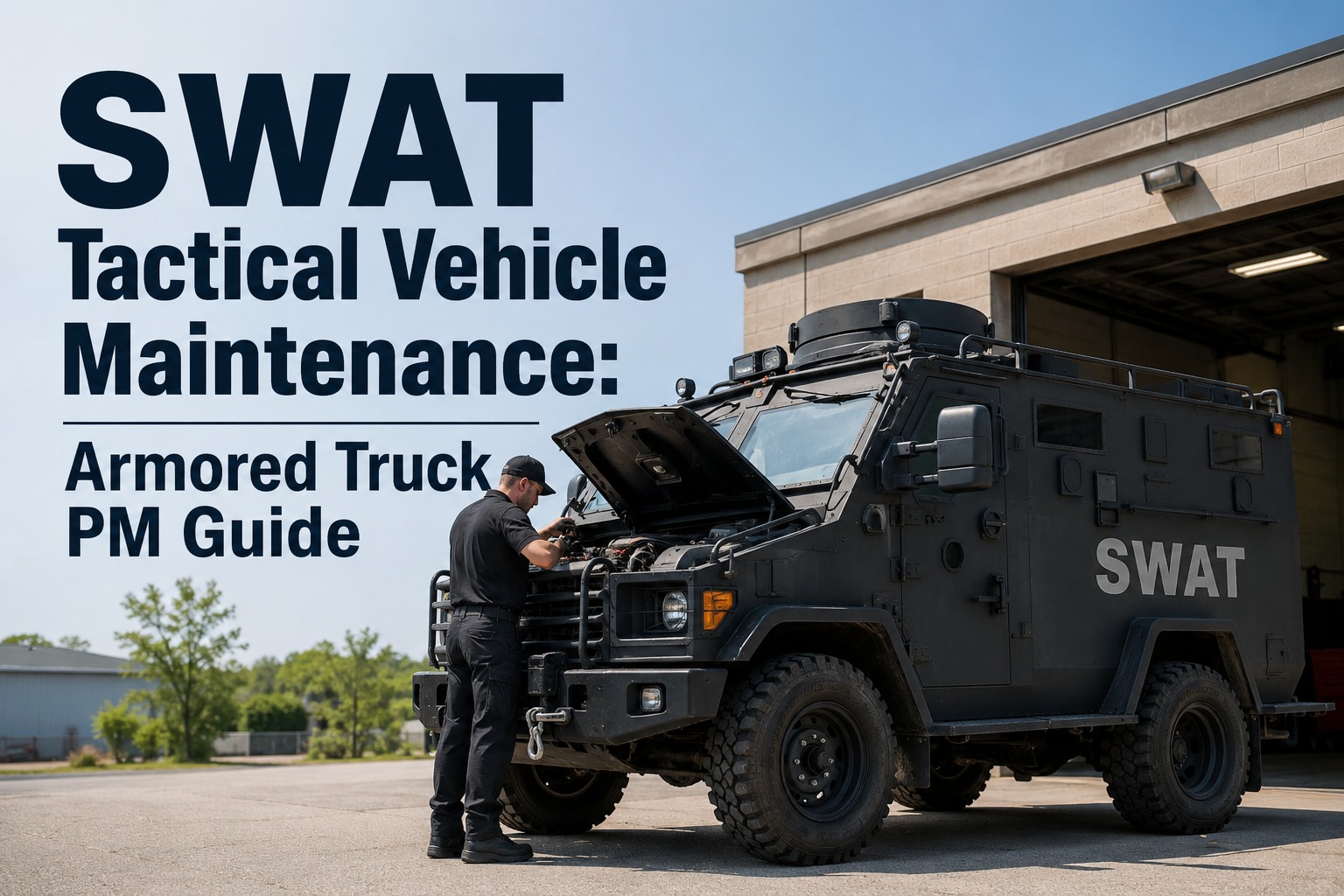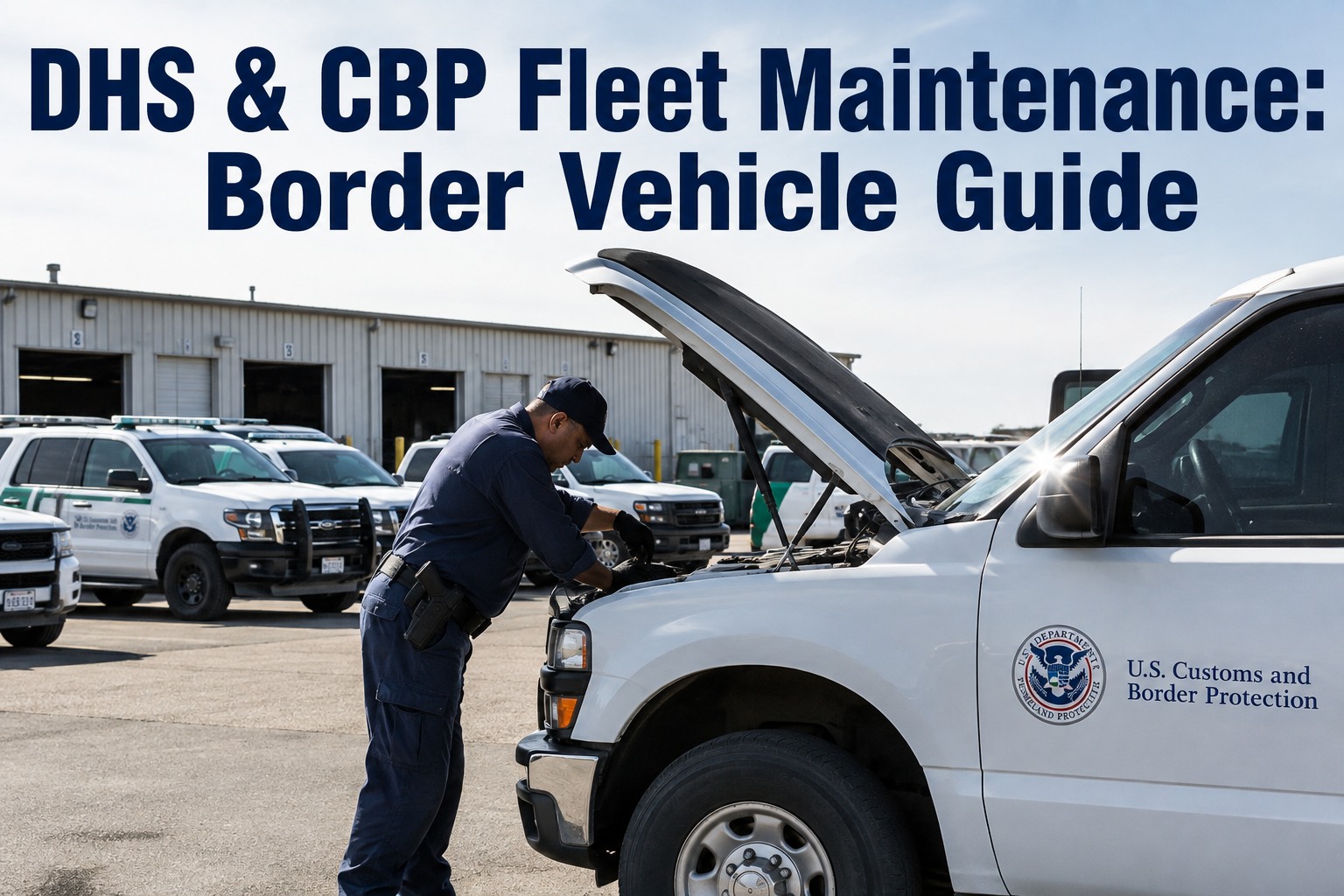
Government vehicles operated by DHS and CBP for border and field operations don't drive like fleet sedans on a commuter route. Rough dirt roads, sustained heat, sub-freezing cold, extended idling, dust ingestion, and mixed light-truck / SUV / ATV rosters put nearly every vehicle in a severe-duty operating profile — which means standard OEM maintenance intervals are wrong by 15–50%. This guide covers what severe duty means for PM intervals, inspection discipline, and record-keeping that supports readiness. Book a demo to see severe-duty templates.
The 6 Conditions That Make Your Fleet Severe-Duty
Every condition below shifts your PM schedule off "normal." Border and field operations typically trigger four or more simultaneously.
A truck that racks up 12,000 miles a year on interstate is a different asset from a truck that racks up 12,000 miles on dirt roads in 105°F ambient heat while idling half the shift for surveillance. Same odometer, different maintenance reality. When a fleet team runs both on the same OEM "normal" schedule, the severe-duty vehicle enters a cycle of premature filter loading, accelerated fluid degradation, and cumulative wear that shows up as unplanned downtime and shortened service life. The industry consistently reports 20–40% higher direct maintenance costs on severe-duty schedules — and 65% fewer breakdowns, 45% lower emergency repair costs, and 30% longer equipment life on average as the trade-off.
Vehicle classes commonly used across federal border and field operationsGeneral categories — not a claim about specific agency fleet composition
Federal fleets supporting border, field, and enforcement operations typically include a mix of vehicle types matched to operational environment. Below is a general category view of the kinds of assets commonly used in demanding government operations — this is not a claim about DHS or CBP-specific fleet size, composition, or procurement, which is information owned by those agencies. Book a demo to see how HVI templates handle mixed severe-duty fleets
Full-size pickup trucks
Ford F-150/F-250, Chevrolet Silverado, Ram 1500/2500 platforms are common across federal light-truck fleets. Severe-duty exposure: off-road patrol routes, towing, extended idling, hot/cold ambient extremes. Standard payload configurations plus upfit for radios, prisoner cages, K-9, or specialty equipment.
SUVs & light utility vehicles
Full-size SUVs (Tahoe/Suburban class), midsize SUVs, and light utility vehicles used for patrol, transport, and administrative-plus-field applications. Wide temperature range, rough surface exposure, multi-driver rotation from motor pools.
Specialty & upfit vehicles
Command vehicles, prisoner transport, K-9 units, communications platforms, tactical response vehicles. Higher upfit content = more inspection surface (upfit electrical, custom cabinetry, specialty lighting, secondary battery systems).
ATVs & UTVs
Side-by-side UTVs and single-rider ATVs used for terrain patrol where full-size vehicles can't operate. Severe-duty by design — short-cycle operation, dust ingestion, engine hours over odometer miles, no highway component.
Trailers & towed equipment
Response trailers, prisoner transport trailers, equipment trailers. Often under-inspected because they're not the primary vehicle. Brake systems, coupling wear, tire condition, wiring harness integrity all need routine attention.
Marine, aerial & specialty assets
Where applicable to the specific operation — boats, drones, aircraft, and specialty response equipment. These typically fall under separate maintenance regimes but interact with the ground-vehicle fleet for support and transport.
Daily & periodic inspection areas for severe-duty government fleetWhat operators look at every shift, and what techs verify at PM intervals
Daily operator inspections and periodic technician-level inspections are different disciplines with different scopes. The operator catches obvious defects that developed in the last 24 hours. The technician catches trending issues that only surface with a lift, gauge, or fluid sample. Both are required for severe-duty fleets. Book a demo to see daily and periodic templates side-by-side
Operator-level checks every shift
- Tire condition & pressure — sidewall cuts, sharp-object damage, uneven wear
- Brakes — pedal feel, pull, unusual noise on first application
- Steering & suspension — play, unusual response, visible damage from off-road exposure
- Fluid levels — oil, coolant, washer fluid at visible check points
- Lights — headlights, brake, turn, emergency, work lights, backup camera
- Safety equipment — seatbelts, fire extinguisher, first-aid kit, emergency signals
- Vehicle-specific upfit — radios, prisoner cage integrity, K-9 cage / climate, cage door latches
- Visible fluid leaks under vehicle — walkaround with focus on drops and puddles
Technician-level checks at interval
- Air filter condition — replace at severe-duty interval (typically half of OEM normal)
- Fluid analysis — oil, transmission, coolant, differential samples for degradation trending
- Brake pad/shoe thickness measured against OEM min spec — not eyeballed
- Suspension components on lift — ball joints, tie-rod ends, control arm bushings
- Cooling system pressure test + radiator/condenser condition (especially post-dust exposure)
- Electrical — battery load test, alternator output, ground connections, charging system draw
- Drive train — U-joints, driveline balance, differential fluid condition
- Undercarriage — frame, exhaust, mounts, corrosion assessment
- Vehicle-specific upfit inspection — wiring harnesses, mounts, integration points
Building severe-duty PM schedules that actually get followedThree practical adjustments to a standard PM framework
Most fleets use a tiered PM framework (Class A safety, Class B intermediate, Class C comprehensive, Class D annual/major). Adapting that framework for severe-duty government operations requires three practical adjustments — not a total rewrite. Start a free trial and configure interval compression per asset class.
Compress intervals 15–50% based on severity mix
Baseline OEM severe-duty interval is typically 15–20% shorter than normal. Add compression on top for multi-condition exposure — a vehicle running dust + heat + towing + idling may need 40–50% compression against the normal schedule. Base the actual number on OEM guidance plus your own oil analysis and inspection findings.
Schedule on the earlier of mileage OR hours
Miles don't capture idling. Idling accumulates engine hours without accumulating odometer distance — and it's one of the most damaging conditions for oil. Meter-based PM triggers that fire on the earlier of a mile threshold or an hour threshold catch what odometer-only schedules miss. HVI supports meter-based PM triggers for exactly this workflow.
Tighten inspection frequency, not just service frequency
Under severe duty, defects develop faster between PMs — which means inspection frequency (the operator pre-trip, technician walkaround) needs to be more disciplined even if the service tier itself hasn't changed. Digital pre-shift with photo evidence on critical items catches what a lift-and-service PM only sees a month later.
Recordkeeping that supports operational readinessWhat government fleet managers need to demonstrate maintenance was actually done
For federal fleet operations, "we do the maintenance" is not the standard — "we can demonstrate the maintenance was done, on what date, by whom, with what parts and what findings" is the standard. That's what recordkeeping delivers. And in severe-duty operations where component life is compressed, the history record also becomes the diagnostic tool that catches which vehicles are wearing faster than the fleet average.
Asset-level records
Every unit with its own record: VIN, unit number, class, upfit configuration, mileage, hours, current condition. Not scattered across three systems — one record per asset.
Inspection history
Every operator pre-trip and technician periodic inspection logged against the asset, timestamped, with photo evidence on flagged defects. Queryable across months for trend analysis.
Defect documentation
Each defect flagged: what, when, who flagged it, severity, current disposition. Links directly to the resulting work order and eventual close-out record.
Maintenance work orders
Every WO on every asset: scheduled or corrective, parts consumed, labor hours, technician, findings during teardown, return-to-service verification.
Per-asset history for lifecycle view
The full trajectory of each asset from acquisition through service life: PM completions, corrective repairs, upgrades, condition trend. This is the record that shows a vehicle is being maintained — not just serviced.
Records structured this way turn "prove maintenance was done" from a paper hunt into a query — and turn condition trending from a memory exercise into a data exercise. Book a demo to see per-asset history for severe-duty fleets
From a federal contract fleet manager after standardizing on severe-duty schedules
We took over a mixed fleet contract — light trucks, SUVs, response trailers, some ATVs — operating in high desert conditions. First six months we ran everything on OEM normal schedules and had 3 breakdowns in remote areas that required tow retrieval — each one a $2,500–$4,000 event before we counted the operational impact of losing the vehicle for two days.
We compressed intervals across the board: air filters every 7,500 miles instead of 15,000, oil at 5,000 instead of 7,500, brake inspections at every PM tier instead of alternating. Direct maintenance cost went up about 30%. Remote breakdowns dropped to zero over the following 12 months. Every service now has a digital record on the specific unit — VIN, unit ID, technician, parts, findings, photo evidence. When our contract officer asks "how do you know this vehicle was serviced," the answer is a document pull, not a story.
Frequently asked questions
What makes a government vehicle "severe-duty" instead of normal-duty?
Severe-duty status is defined by operating conditions, not vehicle type. Standard triggers that appear in virtually every OEM manual include: sustained ambient temperatures above 90°F or below 32°F, frequent operation on dusty or unpaved roads, off-road use, regular towing or heavy loads, extensive engine idling (common for surveillance or standby operations), and predominantly short trips under 5 miles where the engine never fully warms to operating temperature. Government vehicles in border, field, or enforcement operations typically trigger four or more of these simultaneously — hot ambient plus dust plus idling plus off-road plus mixed driver rotation is a common combined profile. Any single trigger qualifies a vehicle for severe-duty scheduling; multiple triggers compound and require additional interval compression. Owner manuals contain both a normal and a severe-duty schedule — use the severe schedule whenever any trigger applies, and compress further for multiple triggers.
How much should severe-duty PM intervals be compressed compared to normal?
Industry guidance typically starts at 15–20% interval compression for standard severe-duty exposure and can extend to 25–50% for extreme conditions or multi-trigger environments. Air filter replacement under dusty conditions is often cut in half — 10–15K miles instead of 15–30K. Oil change intervals under sustained idling can drop 30–40% because oil degrades faster from idle time than from mileage. Transmission fluid intervals under regular towing are commonly halved. The actual number should be based on OEM guidance for your specific vehicle plus adjustment from your own oil analysis and inspection findings — not a generic percentage. Fleets that base intervals on empirical data (oil condition trending, inspection findings, MTBF per component) consistently outperform fleets running fixed percentages, because their compression reflects actual wear rates on their specific operating profile.
Is HVI an approved DHS or CBP system?
No. HVI is not an approved DHS or CBP system, does not contain official DHS or CBP templates, and does not provide agency-specific compliance certification. Any implication otherwise would be an unsupported claim. What HVI provides is a general-purpose fleet inspection and maintenance recordkeeping platform: digital inspection checklists, asset records, defect documentation, maintenance work orders, PM scheduling, meter-based maintenance triggers, and per-asset history. Whether HVI meets any specific federal, DHS, CBP, or agency-specific requirement is a determination that must be made by the agency, contracting officer, or fleet management authority based on their applicable policies and standards — not by HVI. Federal fleet operations should always confirm system suitability against their own governing directives before adopting any commercial fleet software.
Should PM be scheduled on mileage or engine hours for government field vehicles?
On the earlier of the two triggers — not one or the other. Government field vehicles typically log significant engine hours without corresponding mileage: extended idling for surveillance, standby operations, communications support, and terrain-limited patrol all accumulate hours faster than miles. A vehicle running 12,000 miles a year with 800 idle hours has stressed the engine oil far more than the 12K odometer suggests. Meter-based PM triggers that fire on the earlier of a mile threshold or an hour threshold catch the idle-heavy vehicles that would otherwise be under-serviced on a mile-only schedule. For ATVs, UTVs, and specialty equipment, hours are almost always the more accurate wear indicator than miles — and OEM PM schedules for those platforms are typically written in hours. HVI supports meter-based PM triggers for exactly this workflow, allowing thresholds to fire on whichever meter reaches the interval first.
What records should government fleet operations retain for severe-duty vehicles?
Retention requirements depend on the applicable federal, agency, and contract-specific standards for the specific operation. General practices for government fleet recordkeeping typically include: acquisition documentation with full asset details (VIN, unit number, class, upfit configuration, delivery date, cost); complete inspection history (operator pre-trips and technician periodic inspections with timestamps, personnel, and findings); defect documentation with photo evidence and disposition records; maintenance work orders with parts consumed, labor hours, technician identification, and return-to-service verification; and lifecycle records including PM completions, corrective repairs, upgrades, and condition trending through disposition. Specific retention periods vary — agency-specific policies, federal records management (NARA) requirements, and any applicable Uniform Guidance rules under 2 CFR 200.334 for federally-funded assets all interact. Your agency records management officer and contracting officer are the authoritative sources for the specific retention requirements on your fleet.
Support your severe-duty maintenance recordkeeping process
HVI supports digital inspection checklists, asset records, defect documentation with photo evidence, maintenance work orders, PM scheduling on the earlier of mileage or hours, meter-based maintenance triggers, and per-asset history queryable by unit ID. Agency policy, manufacturer requirements, and applicable federal standards remain the authoritative sources for your fleet. HVI supports the recordkeeping process your team owns.
No credit card · No hardware · Severe-duty fleet templates ready on day one