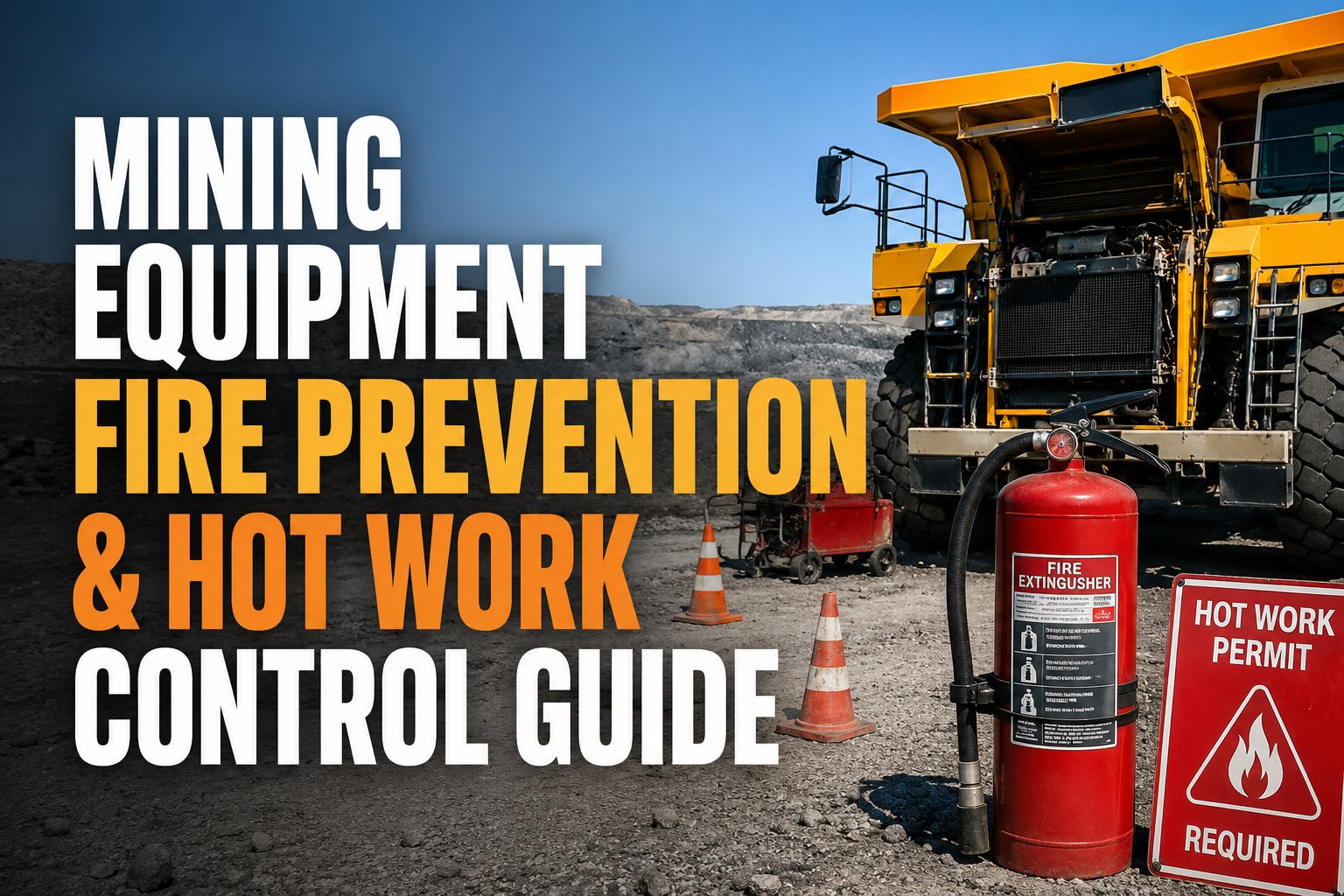
Strong mining maintenance planner skills turn equipment defects into jobs crews can execute safely, with the right parts, labor, access and downtime window. A scheduler then sequences those ready jobs around production commitments and crew capacity. This guide explains the skills behind both roles, how to develop them, and how HVI work orders, preventive maintenance schedules and team records can support a more reliable planning process. Book a demo of HVI mining maintenance planning.
Build Planners Who Prepare the Work. Schedulers Who Make It Happen.
Develop the technical judgment, job readiness discipline and crew coordination skills that keep mining equipment maintenance moving.
Maintenance Planner vs. Scheduler: Two Roles, One Reliable Work Plan
The planner removes uncertainty from the job; the scheduler matches prepared work to real operating capacity. On smaller mine sites, one person may do both, but the responsibilities should remain distinct.
Answers “What will it take to do this job correctly?”
- Inspect work requests and define scope
- Specify parts, tools, permits and access
- Estimate labor hours and trade skills
- Prepare job steps and safety considerations
- Build a backlog of executable work
Answers “When can the team execute it?”
- Coordinate production release windows
- Balance crew capacity and priority
- Sequence PM and corrective jobs
- Confirm contractor and equipment access
- Track schedule changes and completion
When the roles blur, planners can spend the day chasing urgent changes instead of preparing next week's jobs. Clear handoffs protect time for both planning quality and schedule control.
The Seven Skills That Make Mining Maintenance Planning Work
A capable planner or scheduler needs more than software knowledge. These competencies combine equipment understanding, practical field judgment and disciplined coordination.
Understand failure modes, OEM instructions and mine duty cycles for trucks, conveyors, crushers and support assets.
Translate a defect into steps, expected outcomes, tools and realistic labor estimates.
Verify stock, lead times, substitutes and staging before promising a start date.
Recognize isolation, stored energy, access and permit requirements; follow site-approved procedures.
Separate safety-critical and production-critical work from routine backlog items.
Match estimated hours to actual crew availability, shift coverage and shutdown access.
Use schedule attainment, backlog age and repeat defects to improve the next cycle.
From Inspection Defect to Executable Work Order
Use a consistent handoff so a technician does not discover missing parts or unclear scope only after equipment is released for maintenance.
Inspection flags a hydraulic leak on a haul truck.
Evidence: defect recordPlanner identifies hose, access, isolation and labor needs.
Evidence: job scopeParts, tools, personnel and required approvals are confirmed.
Evidence: readiness checkSupervisor and production agree on an appropriate window.
Evidence: weekly planRecord actual hours, work done and follow-up findings.
Evidence: work historyIllustrative workflow: HVI can help organize inspection findings, work orders and maintenance history. Site teams remain responsible for safety authorization, work isolation and equipment release.
A Weekly Maintenance Schedule That Respects Mine Operations
The strongest schedules show the work, resource load and production access together. This illustrative board demonstrates how a scheduler can spot overloaded days before issuing the weekly plan.
Review the schedule with production, operations and maintenance supervisors before freezing the near-term plan. When urgent work displaces planned tasks, record the reason instead of quietly rewriting history.
Backlog Triage: Choose What Gets Planned First
Not every work request should enter next week's schedule. Separate consequence and urgency from readiness, then decide whether to escalate, plan or defer under approved site rules.
Potentially unsafe equipment condition; follow site stop-use and response rules.
Known high-impact wear requiring an upcoming controlled outage.
Operational nuisance that is time-sensitive but not safety-critical.
Routine minor work suitable for a planned maintenance window.
Use this as a discussion aid, not an automatic safety ranking. Formal risk assessments, statutory requirements and site criticality rules override a simple two-axis matrix.
The Work Package Readiness Test
A job is not ready simply because a work order exists. Before adding it to the frozen schedule, confirm the practical prerequisites.
Separating “planned” from “scheduled” prevents the weekly schedule from becoming a wish list. Book a demo of HVI work order and maintenance tracking to review how your team can structure records and follow-up.
Build Planner and Scheduler Skills in Four Stages
Training should combine supervised field exposure, real job packages and measurable improvements—not just classroom sessions or software tutorials.
Shadow technicians; study equipment histories, common failures and safe-work procedures.
Proof: accurate defect descriptionsBuild job plans with parts, labor, steps and supervisor review.
Proof: complete job packagesCoordinate production windows and resource availability with an experienced scheduler.
Proof: credible weekly scheduleAnalyze delays, repeat defects and plan-vs-actual differences to refine estimates.
Proof: documented improvementsMeasure Planning Quality, Not Just Work Order Volume
A useful maintenance planning scorecard separates preparation quality, schedule execution and backlog health. Review trends by equipment type and mine operating conditions.
Shows how much of the committed weekly plan was executed. Define how partially completed jobs count.
Estimates how many weeks of executable work are available, not just total unplanned requests.
Review outliers to improve job estimates rather than rewarding artificially low labor time.
Helps identify incomplete repairs, poor work instructions or underlying reliability problems.
A high schedule attainment rate means little if crews are closing low-priority tasks while critical work ages. Pair these metrics with safety, criticality and equipment availability reviews.
Where HVI Fits into the Mining Planning Cycle
The most useful maintenance software gives planners a consistent record to work from and supervisors a way to review execution. Confirm configuration and specific reporting requirements during evaluation.
Record defects and inspection findings against fleet assets.
Track requested tasks and maintenance activity.
Keep planned maintenance visible alongside corrective needs.
Use maintenance records and team visibility to support follow-up.
HVI supports maintenance coordination; it does not replace mine-specific safety procedures, engineering approvals, isolation controls or the judgment of an authorized supervisor.
Mining Maintenance Planner and Scheduler FAQs
What skills does a mining maintenance planner need?
Equipment knowledge, work scoping, job safety awareness, parts planning, labor estimating, prioritization and accurate maintenance documentation. Planners also need communication skills to clarify defects with operators and technicians.
What is the difference between maintenance planning and scheduling?
Planning defines how a job will be executed and confirms resources. Scheduling decides when ready jobs can be completed, based on crew capacity, equipment access and operational priorities.
How can a mine train new maintenance planners?
Use field shadowing, supervised job-package preparation, structured work-order reviews and progressive ownership of a weekly plan. Assess practical outputs rather than training attendance alone.
Which maintenance planning KPIs matter most?
Common measures include schedule attainment, ready backlog, estimate accuracy, overdue critical work and repeat defects. Use consistent definitions and review them alongside safety and equipment availability.
How can HVI support mining maintenance planning?
HVI's equipment inspections, work order management, preventive maintenance scheduling, team management and reporting can support a consistent maintenance record and planning handoff. Book a demo of HVI mining maintenance workflows to evaluate fit.