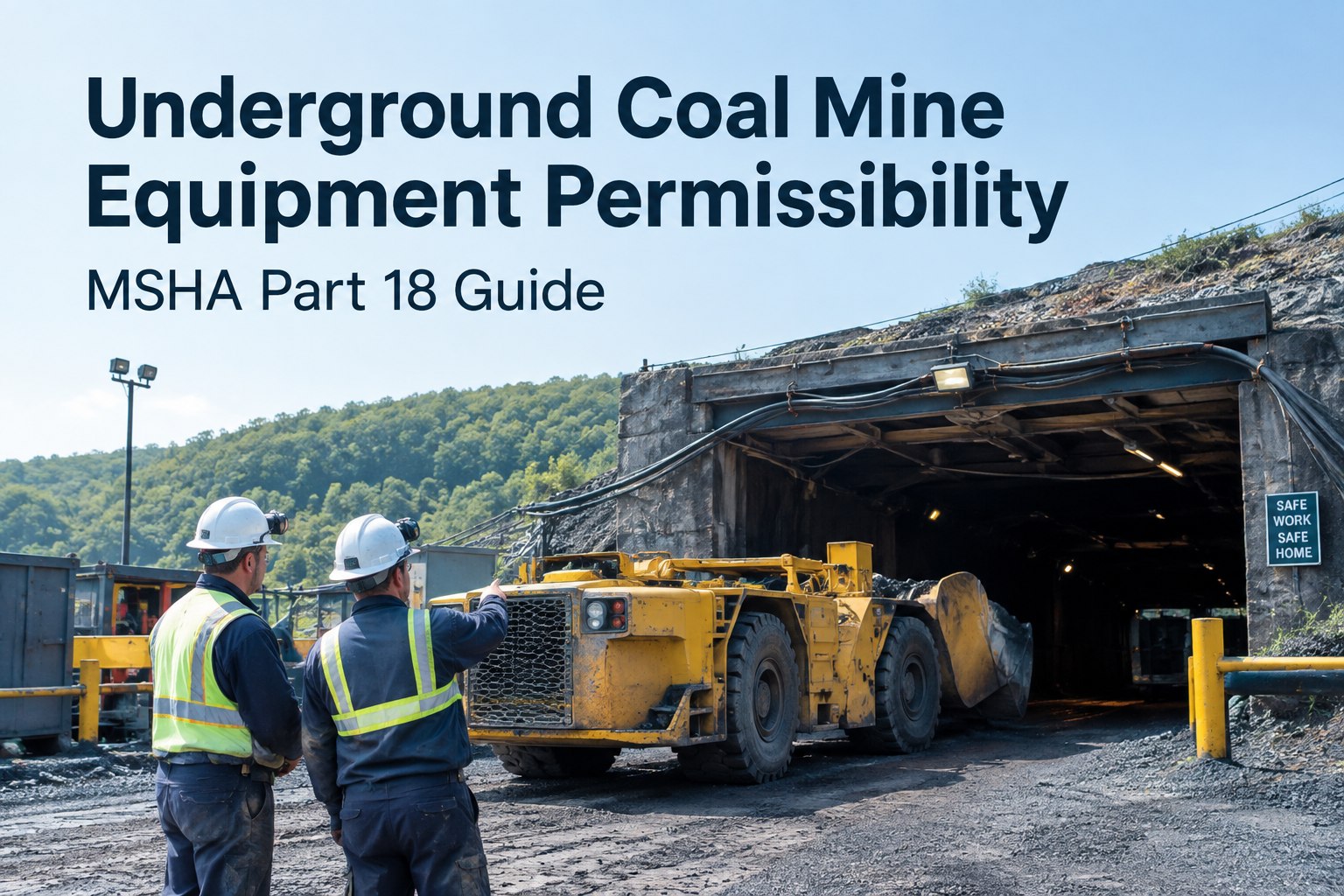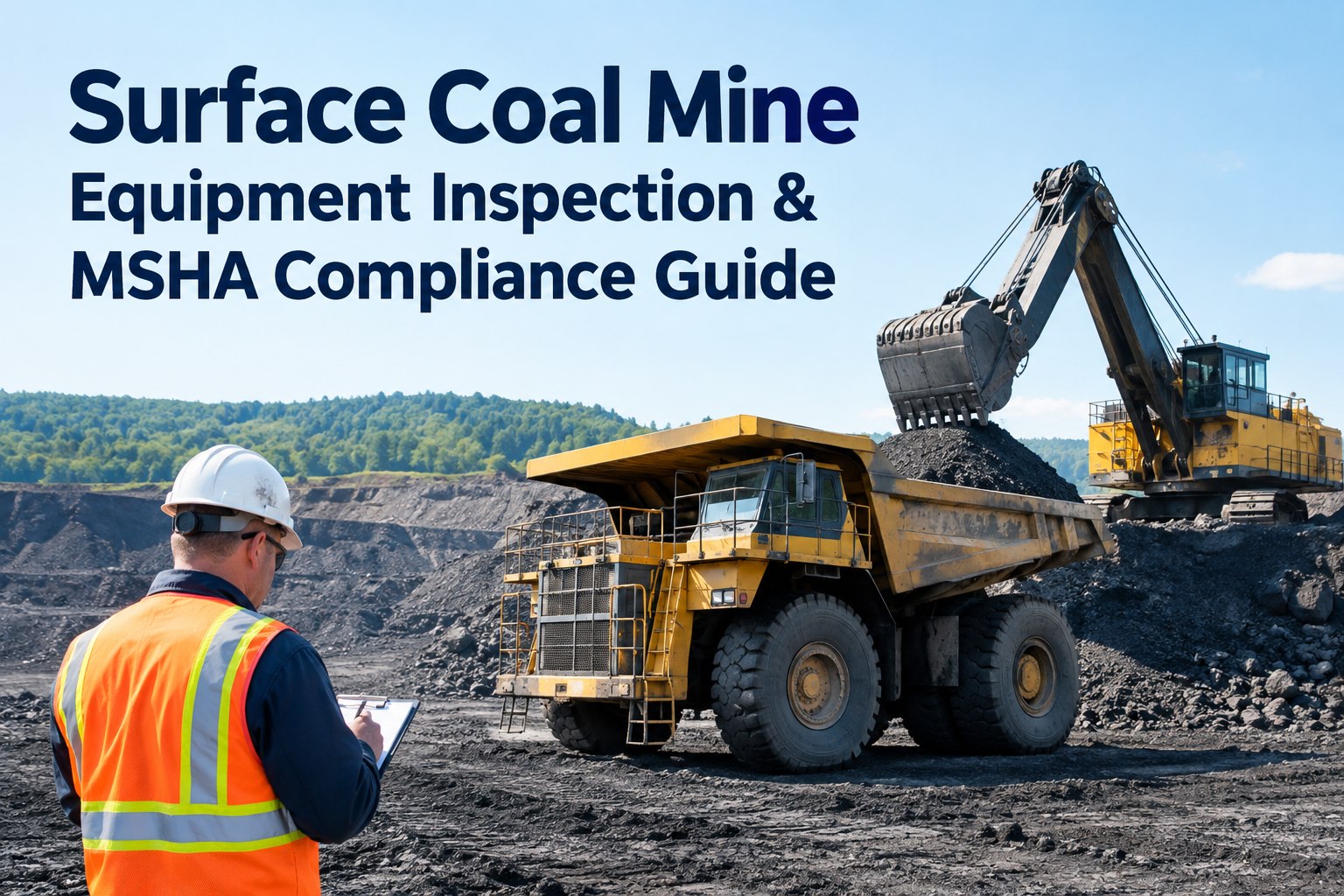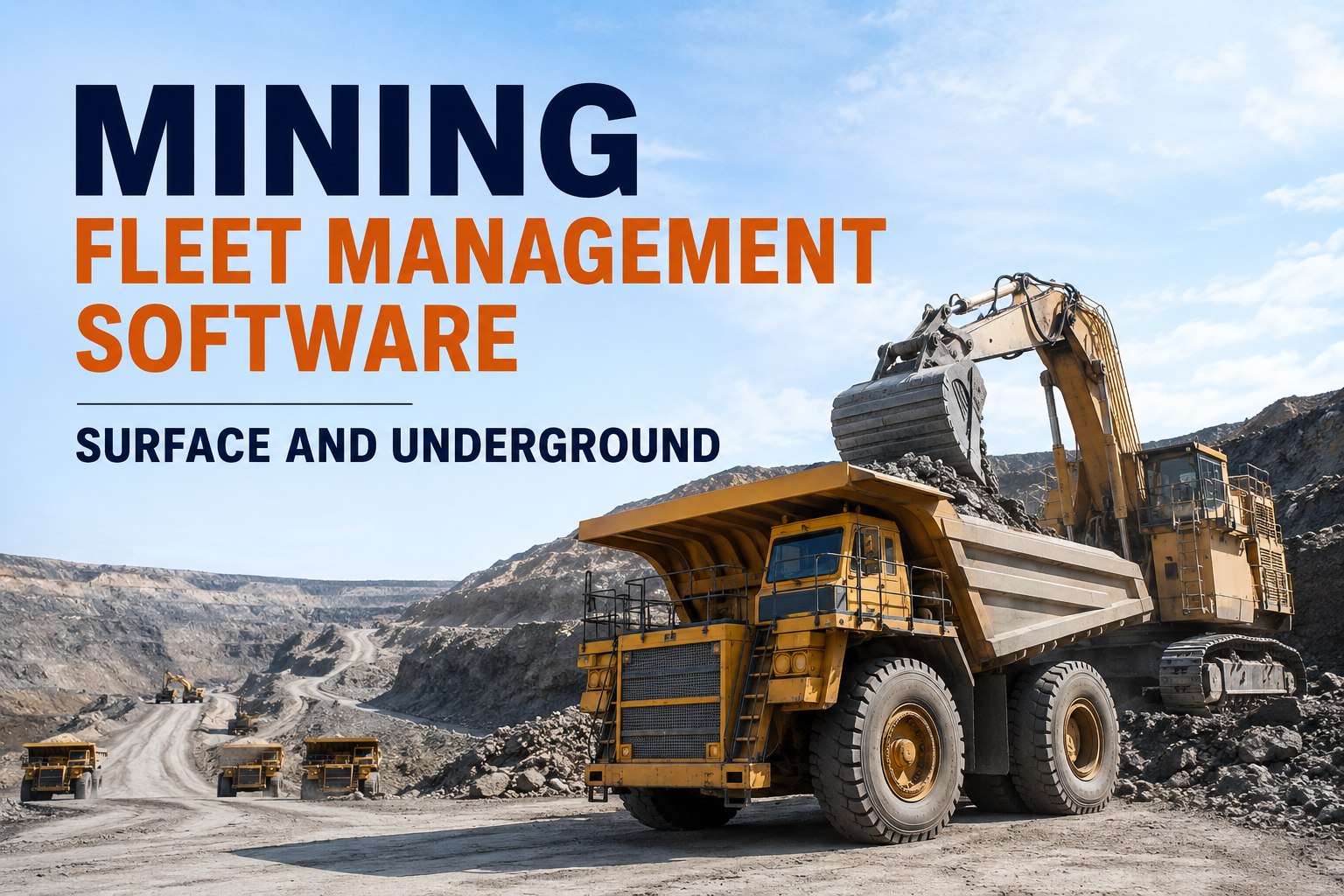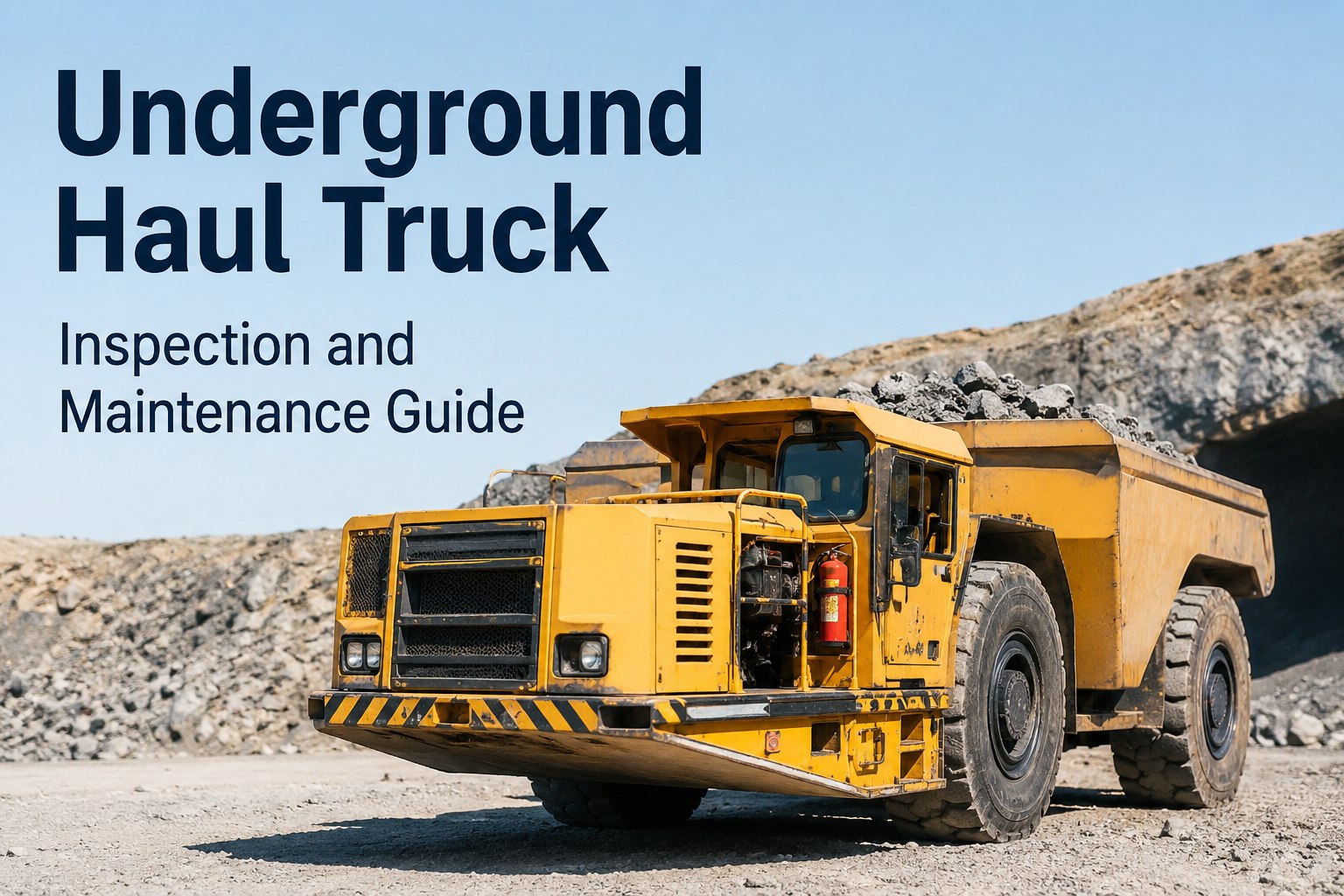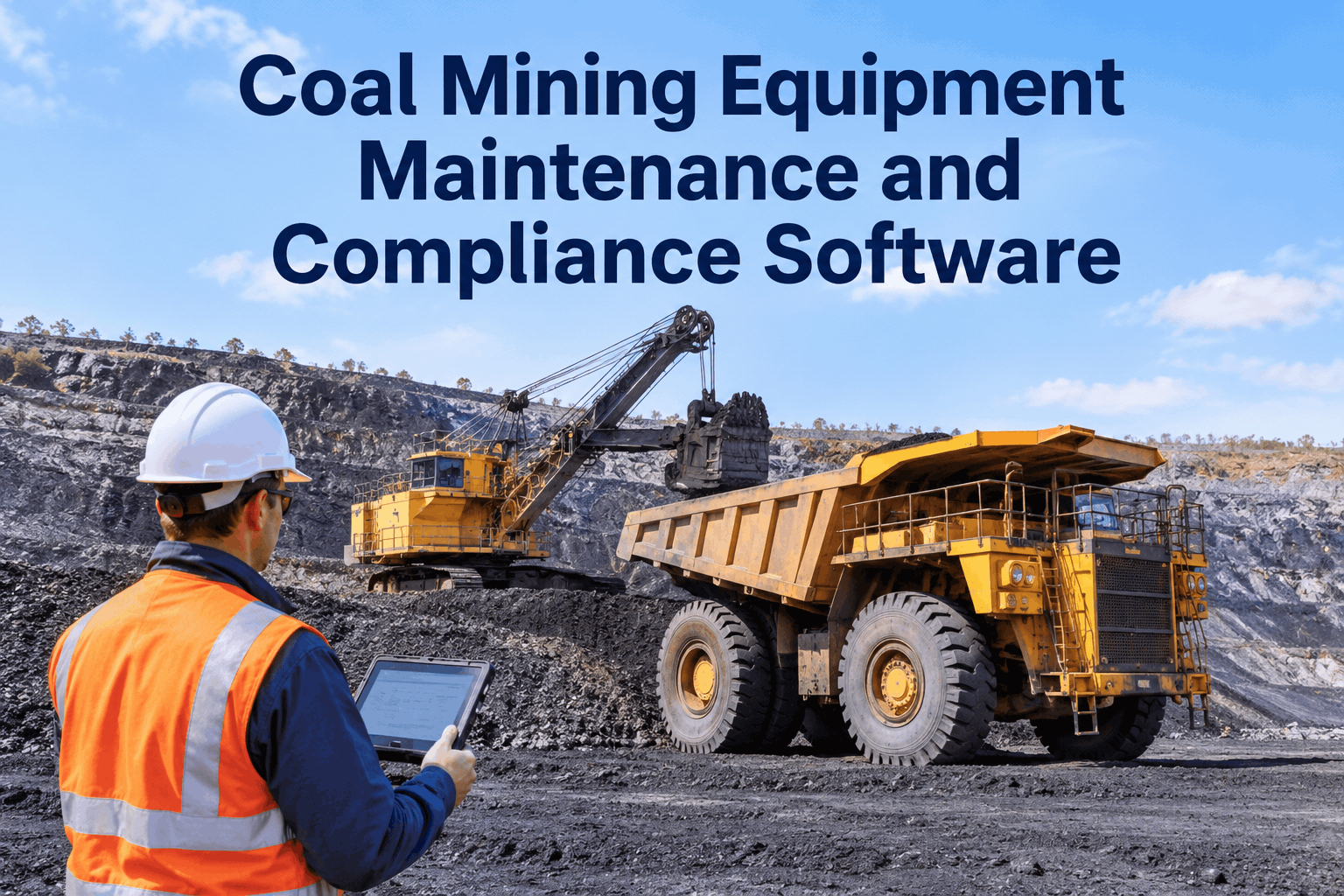
A coal operation runs two kinds of machine that could not be more different to maintain — a dragline that strips overburden for forty years on structural and electrical cycles, and a mobile fleet of haul trucks, dozers and excavators that wears out by the hour. And over both sits MSHA, which inspects surface coal mines twice a year and underground mines four times, arriving without a date on the calendar. Coal mining equipment maintenance and compliance software has to hold all of that in one place: every machine on its right schedule, and every record ready the day an inspector walks on site.
Two maintenance worlds, one MSHA record, one platform
HVI manages machine-specific inspections, meter- and calendar-based PM, work orders and repair history for your whole coal fleet — draglines, haul trucks, dozers, excavators and support — and keeps every record audit-ready for an MSHA visit.
- Dragline on system cycles, mobile fleet on meter hours
- Defects routed to work orders with full history
- Records always ready — not a pre-inspection scramble
The reason coal maintenance trips people up is that it isn't one program — it's two, running side by side. The mobile fleet behaves like any hour-based mining fleet: haul trucks, dozers and excavators on meter-hour PM. The dragline doesn't. It's a machine that runs thirty, forty, sometimes fifty years, where availability is the single biggest lever on stripping cost, and its maintenance turns on rope, structure, gearing and electrical cycles rather than a simple hour meter. A platform for coal has to carry both logics at once, which is what preventive maintenance with calendar and meter triggers is built to do — you can book a demo to see it set up for your coal operation.
Two machines, two maintenance logicsthe dragline and the mobile fleet don't share a clock
Treat a dragline like a big haul truck and you'll mis-time the one asset whose downtime costs the most. Here's the split that a coal maintenance platform has to hold — each side on its own kind of schedule, both in one record.
The dragline
decades-long fixed asset · system cycles- RopeThe most common cause of unplanned dragline downtime — and the most preventable with disciplined inspection
- Gearing & lubeThe largest unplanned cost on older machines — oil analysis catches gear-tooth distress months early
- StructureHigh mean-time-to-repair; crack and fatigue checks belong on a planned cycle
- ElectricalMotor-generator sets drive the longest downtime when they fail
The mobile fleet
trucks, dozers, excavators · meter hours- Haul trucksEngine, drivetrain and tires on tiered meter-hour PM with oil analysis
- DozersUndercarriage, hydraulics and blade wear — severe-duty intervals in abrasive ground
- ExcavatorsHydraulics, GET and structural pins on hour-based service
- SupportWater trucks and graders — small assets whose downtime hits the whole pit
HVI runs the dragline on custom per-system templates with calendar and meter triggers, and the mobile fleet on tiered meter-hour PM — both feeding one record. You can start free and set up both sides of your coal fleet today .
The inspector doesn't call aheadwhy coal records have to be ready every day, not inspection week
This is what separates coal from most heavy-equipment operations. MSHA inspects every surface coal mine at least twice a year and every underground coal mine four times, and the visits arrive without a scheduled date. The equipment can be flawless and you can still be cited — on the record. What matters is that each finding shows the defect was found, who found it, and that it went somewhere.
Found
The daily examination and operator inspection capture the defect — with a photo, a timestamp, and the meter reading.
By whom
The certified or competent person who signed the exam is on the record — the accountability MSHA looks for.
Where it went
The defect becomes a work order and a closed repair — a traceable path from finding to resolution, on file.
When every defect has that path built into normal operations, inspection readiness stops being a separate scramble and becomes a byproduct of the work. For the full MSHA framework on surface coal, see HVI's surface coal compliance guide. Book a demo to see audit-ready coal records in HVI
Why the dragline deserves its own trackingavailability is the single biggest lever on stripping cost
Among all of coal's machines, the dragline is the one where maintenance discipline shows up directly in production economics. It isn't maintained for its own sake — it's maintained because overburden stripping, and therefore coal production, depends on it being available. The numbers make the case on their own.
Because a dragline runs for decades, its real value in software is history that trends condition across years — rope sets, gear-tooth patterns and structural checks tracked per system, per cycle. HVI holds that alongside long-lead parts planning for rope sets, gear sets and electrical spares. Book a demo to see per-system dragline trending
From the daily exam to the closed work orderhow a defect on any coal machine stays on record
Machine-specific inspection
The operator or examiner runs the digital inspection built for that machine — dragline system, haul truck or dozer — capturing defects, signatures and meter readings, even offline.
Defect becomes a work order
A flagged rope, a hydraulic leak or a worn edge routes straight to a work order — assigned, prioritized, with the machine's history attached.
Parts staged, repair logged
The right part — from a bulb to a rope set — comes from inventory, labor logs against the asset, and cost-per-hour stays real.
History & MSHA record update
The closed job writes to the machine's permanent history and the exam record — a traceable, audit-ready trail in reporting.
Same loop whether it's a $100M dragline or a water truck, so the whole coal fleet runs on one consistent, inspection-ready record. Book a demo to walk a real defect through it
What a coal maintenance program needs in placethe checklist for running the fleet and the record together
Build these once in preventive maintenance and every coal machine runs on its right schedule inside one inspection-ready system. For the surface-coal compliance framework behind it, see the surface coal compliance guide.
On paper and spreadsheets, both the schedule and the record depend on someone remembering. In HVI, the fleet runs on its schedules and every exam and repair writes to the record — automatically.
Set Up Your Coal Fleet FreeFrom a coal mine maintenance superintendent
Our dragline lived in one binder, the truck fleet in a maintenance system, and the daily exams in paper books in the shop. When MSHA showed up, we spent the first two days just pulling records together to prove defects had been handled.
Now the dragline runs on its own system templates, the mobile fleet on hours, and every exam and work order writes to one record. The last inspection, I pulled up any machine's full history on the spot. Readiness stopped being a fire drill — it's just how the fleet runs now.
Frequently asked questions
What does coal mining equipment maintenance and compliance software do?
It manages machine-specific inspections, meter- and calendar-based preventive maintenance, work orders and repair history for the whole coal fleet — draglines, haul trucks, dozers and excavators — in one platform, and keeps records audit-ready for MSHA inspections.
Can it handle both a dragline and a mobile fleet?
Yes. The dragline runs on custom per-system templates with calendar and meter triggers for rope, gearing, structure and electrical, while haul trucks, dozers and excavators run on tiered meter-hour PM — both in one record.
How does it help with MSHA inspections?
MSHA visits surface coal mines twice a year and underground four times, unannounced. HVI keeps daily exams signed and filed and every defect traced to a closed repair, so records are always ready instead of a pre-inspection scramble.
Does it work offline at remote coal sites?
Yes. Operators and examiners can record inspections, report defects and submit maintenance requests from mobile devices with offline workflows, syncing when back in coverage — important for remote pits and faces.
How long does it take to get set up in HVI?
Most coal operations are live across their fleet in under two weeks. You set up dragline per-system templates and meter-hour PM for the mobile fleet once, and every machine runs on its own schedule inside one record from there.