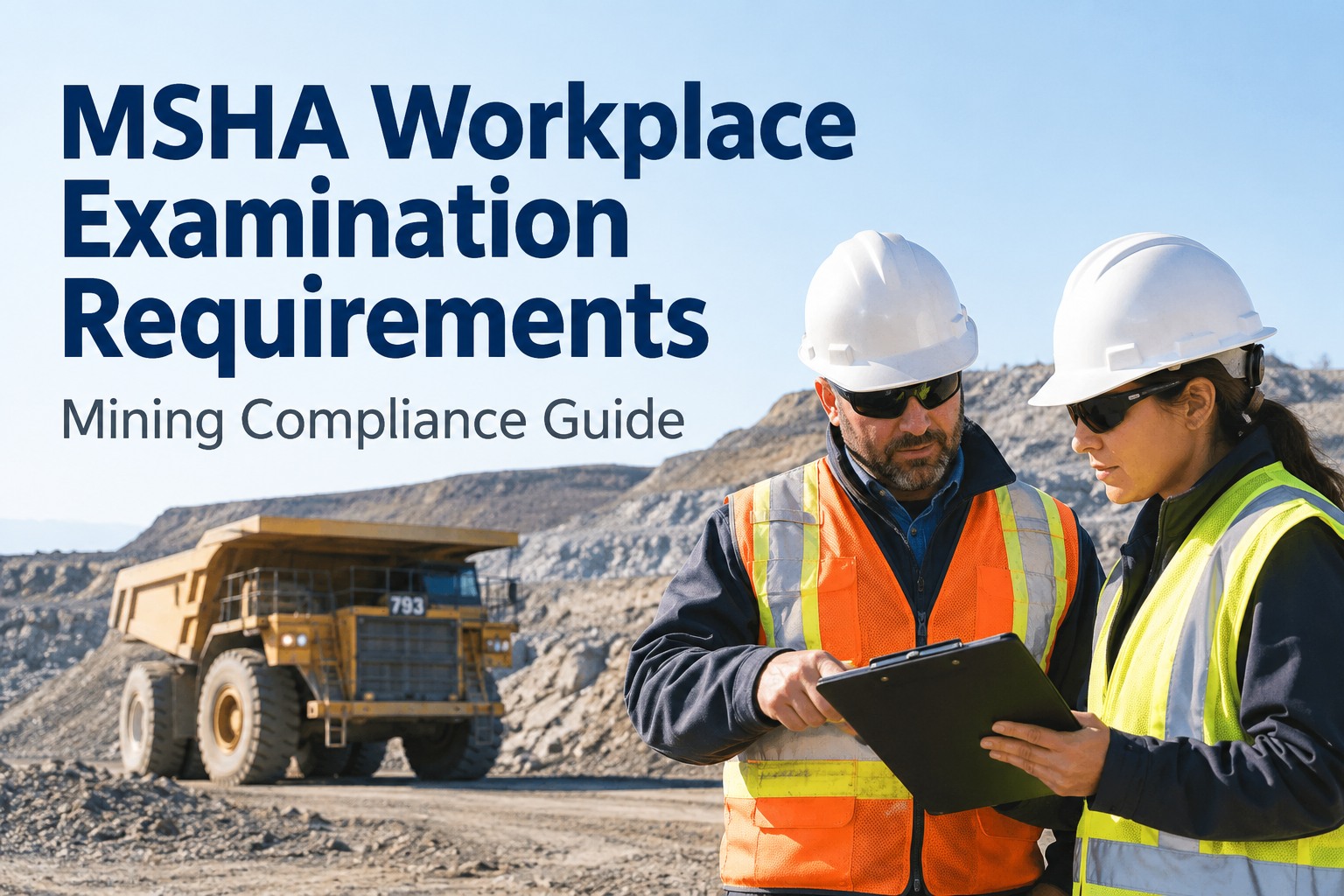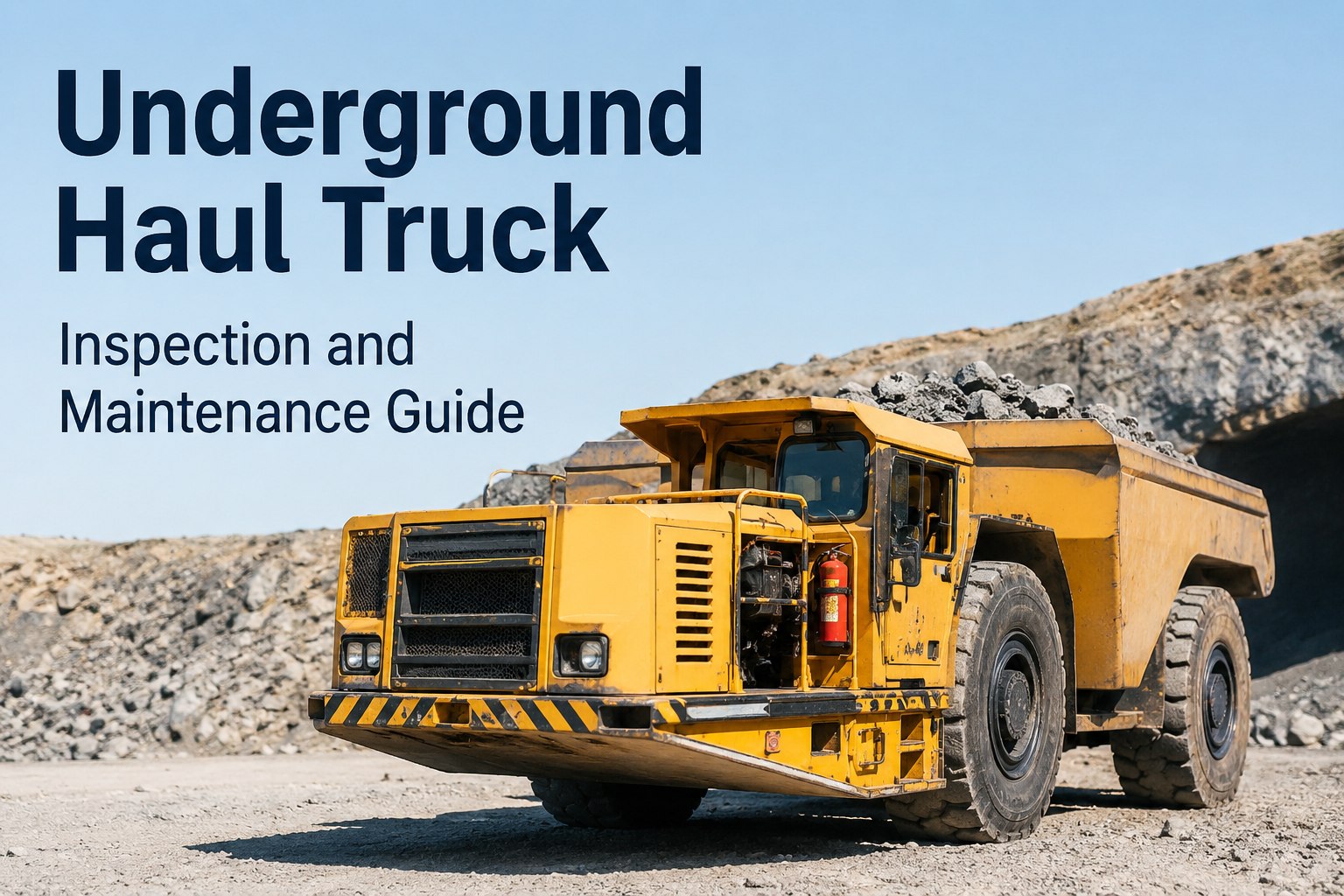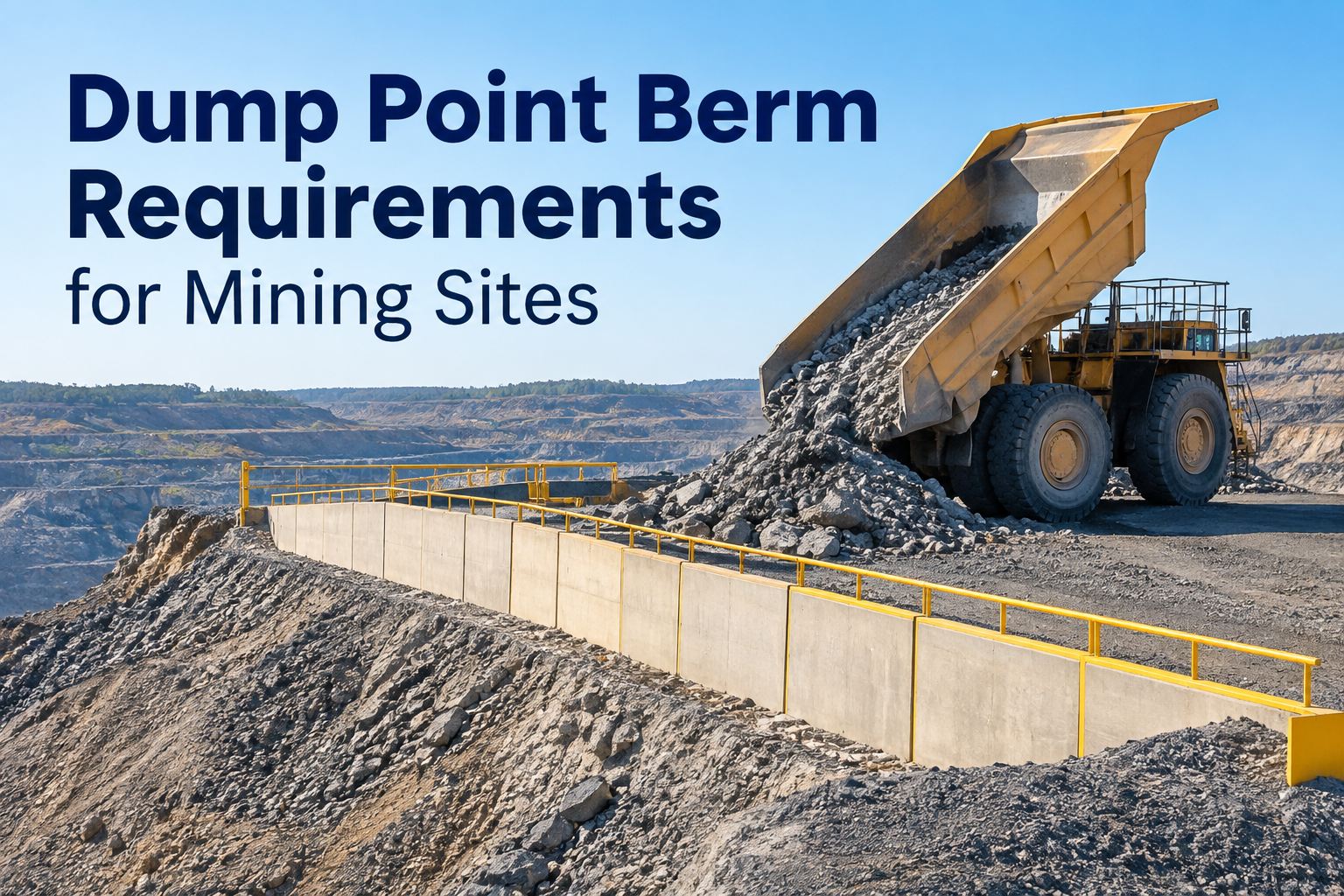
A fully loaded 400-ton haul truck backing up to an active dump point relies on two critical factors: the operator’s visual spatial awareness and the structural integrity of a compacted dirt wall. When that wall is too low, built from the wrong material, or compromised by weather, the result is a catastrophic over-edge failure. Proper dump point berm requirements are not mere guidelines; they are strict MSHA mandates designed to stop a reversing vehicle's tires before the center of gravity crosses the tipping point. Maintaining these perimeters requires constant vigilance, rapid earthmover dispatch, and auditable digital safety checklists. See how HVI digitizes mine safety audits and defect reporting
Mining Dump Point Berms: MSHA Compliance & Structural Integrity
Over-edge dumping fatalities are preventable. Learn the exact structural specifications, material requirements, and digital inspection protocols needed to maintain compliant haul road and dump point berms across your entire mine site.
The Anatomy of a Compliant Dump Point Berm
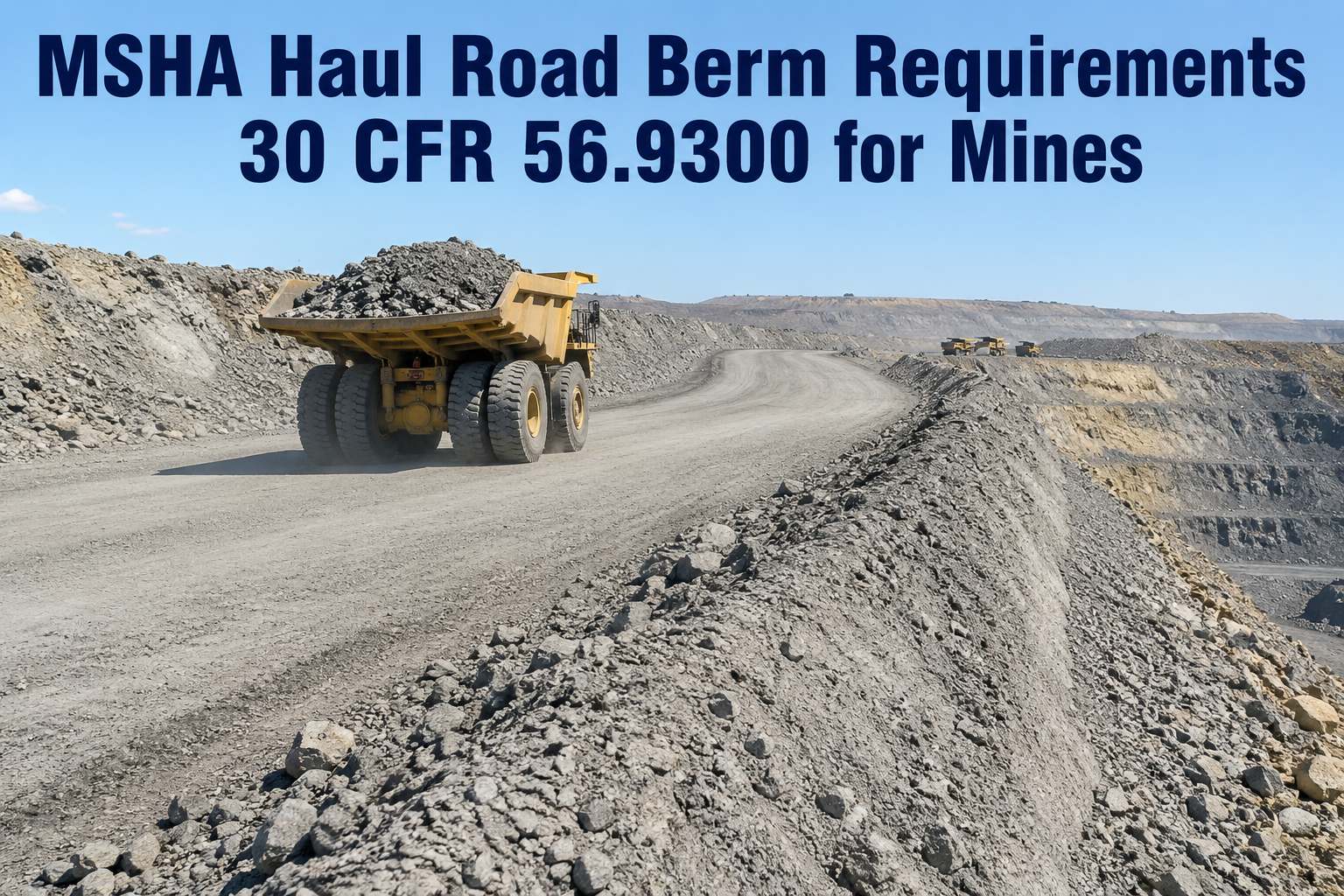
MSHA regulations (specifically 30 CFR § 56.9300 and § 56.9301) dictate that berms or guardrails must be provided and maintained on the banks of roadways where a drop-off exists of sufficient grade or depth to cause a vehicle to overturn. At active dump points, where trucks are intentionally backing up to an unstable edge, the berm is the final mechanical restraint.
Mid-Axle Height Minimum
The berm must be at least as high as the mid-axle of the largest piece of equipment using the dump point. If a fleet utilizes mixed truck sizes (e.g., 100-ton and 250-ton haulers), the berm must be built to accommodate the mid-axle height of the 250-ton truck.
Material Composition
Berms cannot be made of loose topsoil, snow, or slick mud. They must be constructed from firm, compactible material—often run-of-mine rock or compacted overburden—capable of withstanding the direct reversing impact of a fully loaded haul truck tire.
Continuous Perimeter
Breaks in the berm are only allowed for intersecting roads or necessary drainage. At dump points, the perimeter must be continuous along the entire active dumping edge to prevent a driver from accidentally reversing through a gap.
Setback Distance
The berm must be set back a safe distance from the absolute crest of the slope. If the berm is built directly on the unstable edge, the weight of the backing truck will cause the underlying crest to shear, taking the berm and the truck down the slope.
MSHA Citation Risk: Unmaintained Edges
Under MSHA 30 CFR § 56.9301 (Dump site restraints), if a dump point lacks a compliant berm, bumper block, safety hook, or similar restraining device, a federal inspector can issue an immediate 104(a) citation or a 104(d) unwarrantable failure order, effectively shutting down the dump point.
- Weather Erosion: Heavy rains can wash out a berm's base. If not inspected and rebuilt post-storm, the site is out of compliance.
- Over-Dumping: Operators repeatedly pushing material over the edge can flatten the berm.
- Lack of Documentation: Failing to record pre-shift dump point inspections leaves mine managers unable to prove compliance during an audit.
The 4-Step Digital Audit & Repair Workflow
Maintaining miles of haul roads and active dump points requires seamless communication between shift supervisors, haul truck drivers, and support equipment operators (graders and dozers). Paper checklists get lost, resulting in unaddressed edge hazards. Utilizing the HVI platform reduces administration efforts by eliminating paper printing and ensures site conditions meet safety protocols.
Pre-Shift Dump Inspection
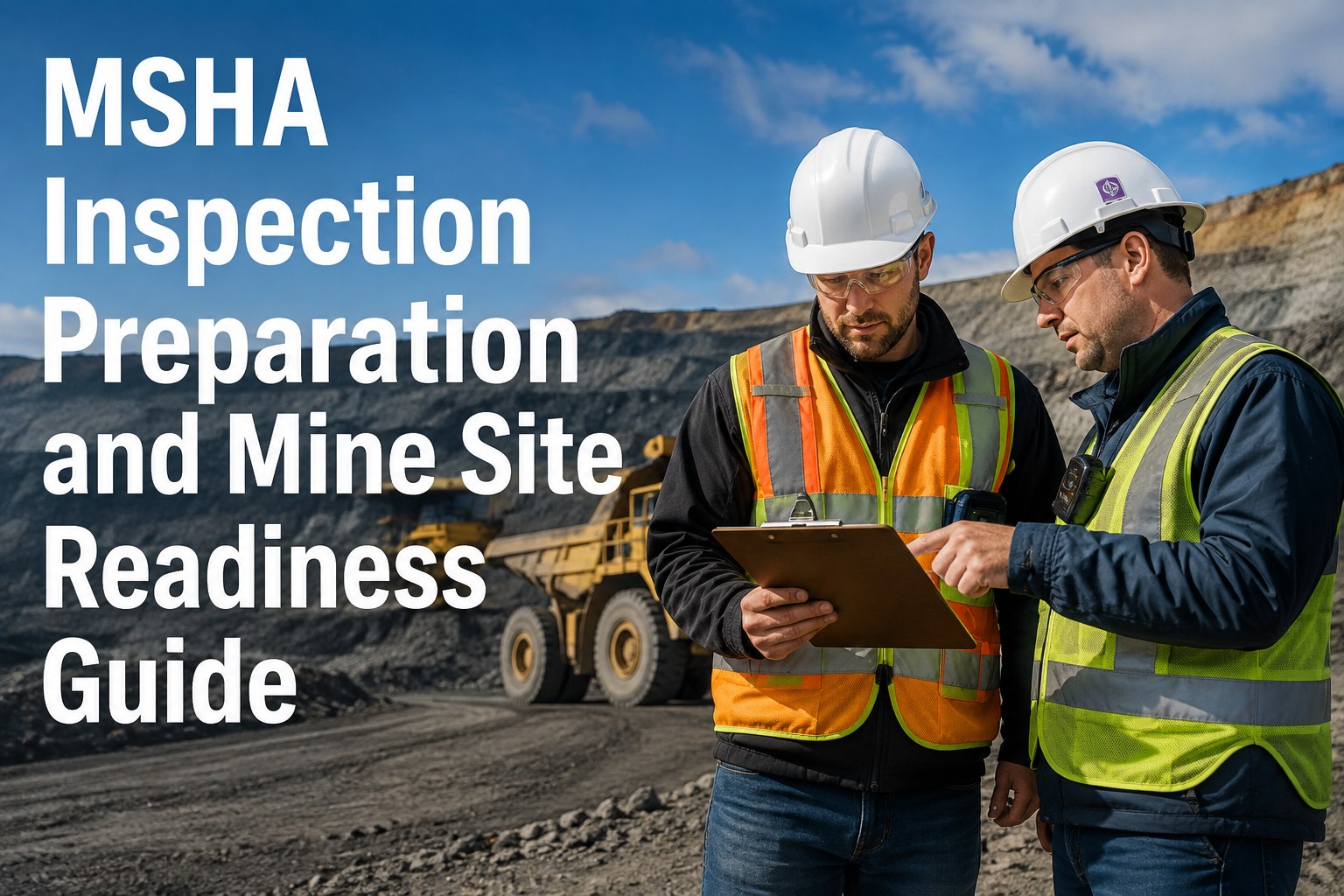
The shift supervisor arrives at the dump point and uses the HVI mobile app to complete a specific edge-protection audit. They log a failure: the berm height at Dump Point C has been flattened by overnight dozer activity.
Photo Documentation
The supervisor takes a photo of the flattened berm. The app attaches GPS coordinates and a timestamp to the inspection record, proving active safety monitoring.
Instant Work Order Generation
With a single tap, the failed inspection item generates a work order within the CMMS system. The system efficiently dispatches a notification to the active motor grader or dozer operator on shift.
Repair & Sign-Off
The dozer operator pushes up a new, compliant mid-axle berm, marks the work order complete in the app, and the dump point is digitally reopened for haul trucks.
Stop managing mine safety with clipboards. Schedule a demo to see the Audit Checklist Manager in action
Beyond the Berm: Dump Point Restraint Requirements
While the berm is the physical barrier, complete mine dump point safety requires a holistic approach to traffic control and edge management. Dump points are high-stress environments characterized by poor rearward visibility, heavy dust, and changing topographies.
Spotters and Ground Control
In congested dumping areas or when backing up to crushers/hoppers, a trained spotter should guide the truck. Spotters must stand in a designated safe zone, maintaining constant radio and visual contact with the driver.
Lighting and Reflectivity
Night shift operations drastically increase the risk of backing over an edge. Dump points must feature adequate area lighting, and berms should be marked with highly reflective delineators to outline the safe reversing limit.
Geotechnical Monitoring
A berm is useless if the ground beneath it collapses. Routine audits must check the dump face for tension cracks, settling, or sloughing. If instability is detected, dumping must immediately shift to a secure location.
Why Top Mines Use HVI for Safety Compliance
"As a Safety Supervisor, the HVI app has provided me with the tools I need to maintain a strong safety culture within our fleet. The app's real-time driver behavior monitoring and incident reporting features have allowed us to proactively address safety concerns... With the HVI app, I have peace of mind knowing that our fleet is operating at the highest safety standards."
Mining compliance doesn't end with building the berm; it relies on proving that you maintain it. HVI's digital safety checklists and inspection forms ensure that vehicles and sites remain in compliance with regulations. Connecting daily operator reporting on machine usages directly to a CMMS enables operations to lower maintenance costs by 25% and keep a rigorous digital audit trail.
Frequently Asked Questions
How tall does a dump point berm need to be according to MSHA?
According to MSHA standards, a dump point berm must be at least as high as the mid-axle of the largest piece of equipment that uses the roadway or dump site. This ensures the physical barrier is tall enough to catch the tire and prevent the vehicle's center of gravity from carrying it over the edge.
Can we use snow or loose topsoil to build a safety berm?
No. Berms must be constructed from firm, compactible materials that can withstand the impact of a reversing vehicle. Loose topsoil, mud, or snow do not provide sufficient structural resistance and will fail under the weight of a haul truck tire.
How often should dump point berms be inspected?
Active dump points and haul roads should be inspected prior to the start of every shift and continuously monitored throughout the day, especially after heavy rain, snowmelt, or intensive dozer activity that could compromise the berm's height or base stability.
What happens if a berm fails an MSHA inspection?
If an MSHA inspector finds inadequate edge protection at a dump point, they can issue a citation (such as a 104(a) citation) and require operations to cease in that specific area until a compliant berm is constructed. Severe negligence can result in higher fines and unwarrantable failure orders.
How does HVI software help with dump point safety?
HVI provides digital audit checklists that allow safety managers to document pre-shift dump point conditions on mobile devices. If a berm is insufficient, the app instantly creates a work order within the CMMS for a grader or dozer to fix it, reducing administration efforts and keeping a timestamped record of compliance for MSHA audits.
Digitize Your Mine Site Safety Audits Today
Protect your haul truck operators and ace your next MSHA inspection. Standardize your dump point berm inspections, generate instant work orders for road maintenance, and maintain perfect digital compliance records with HVI.