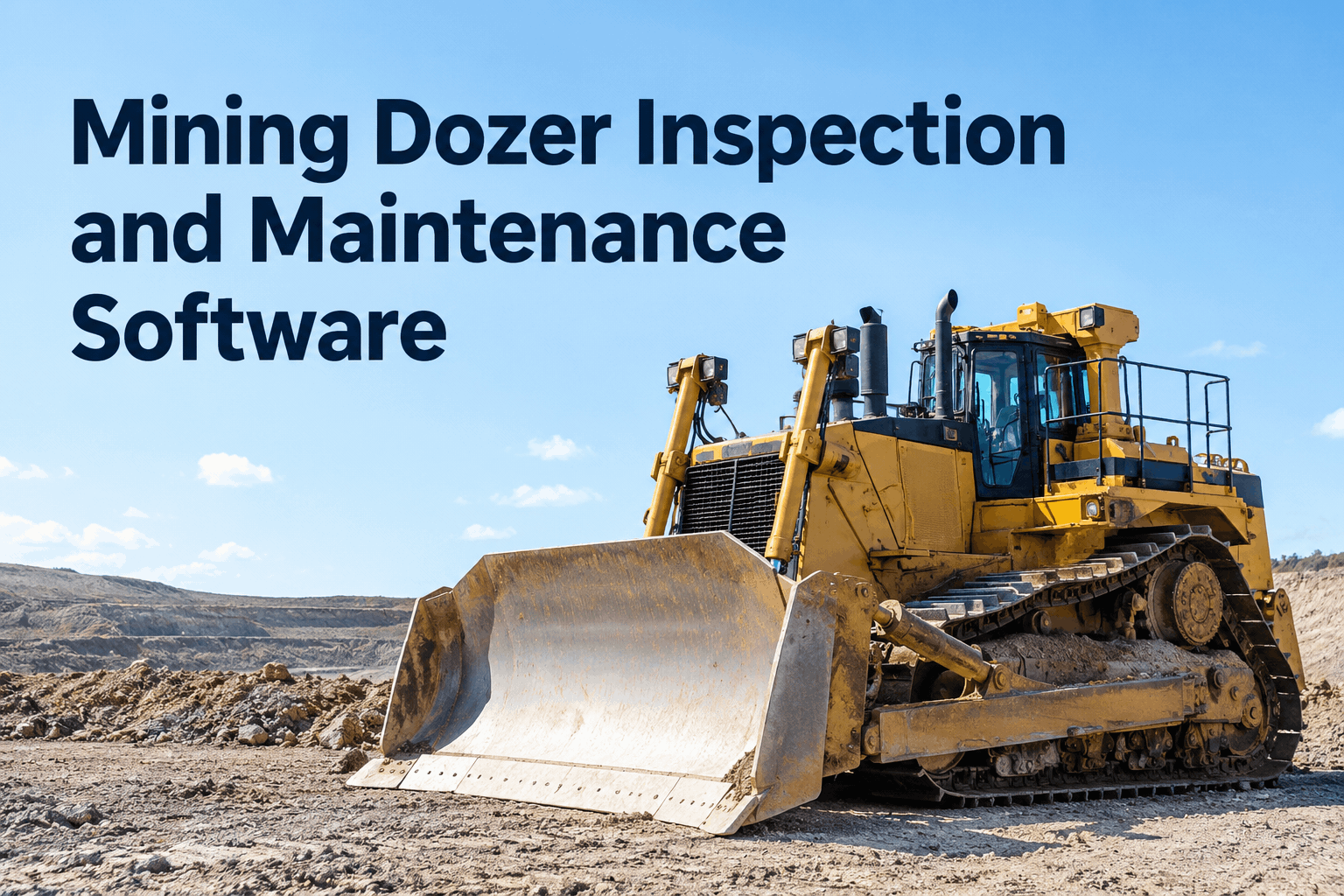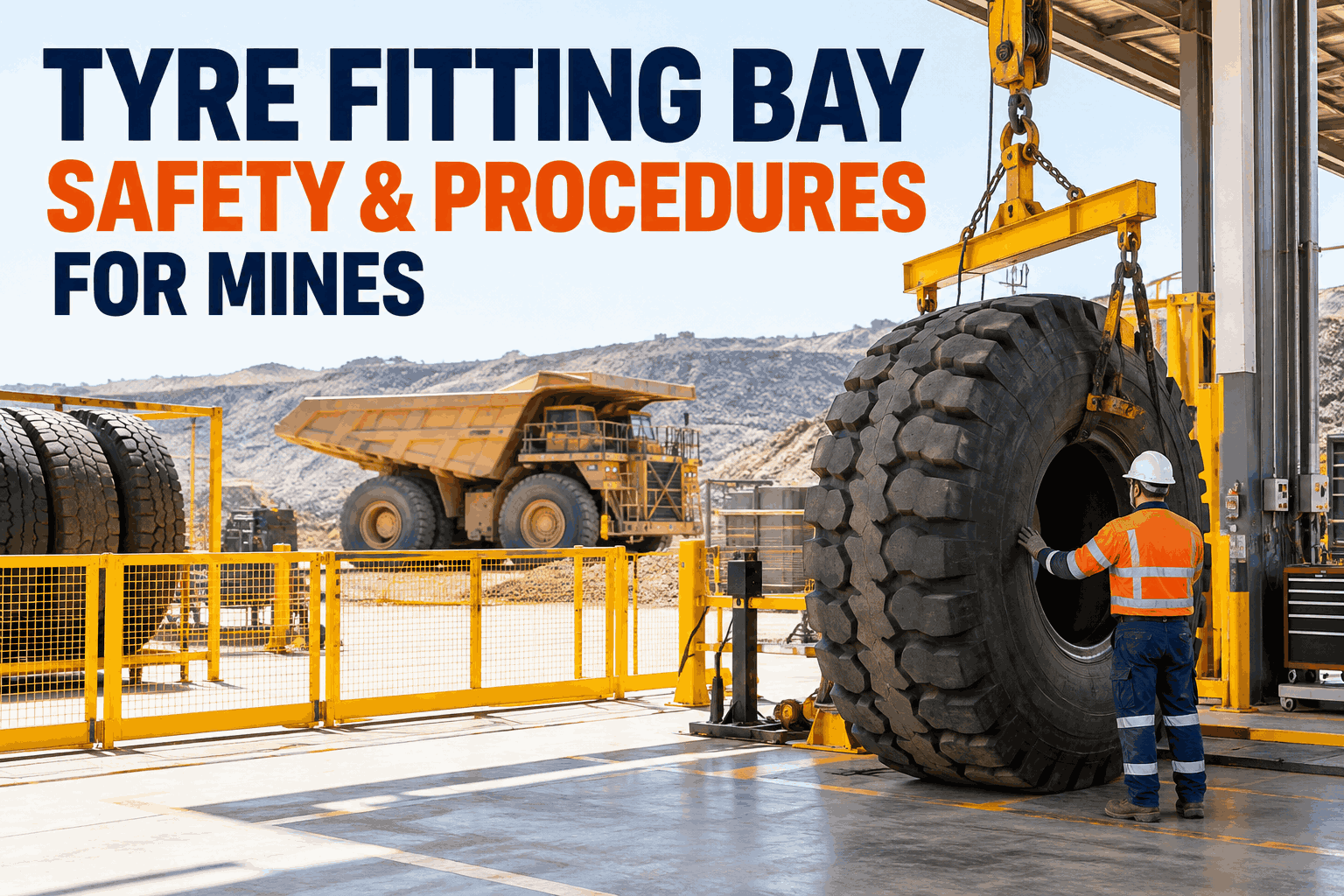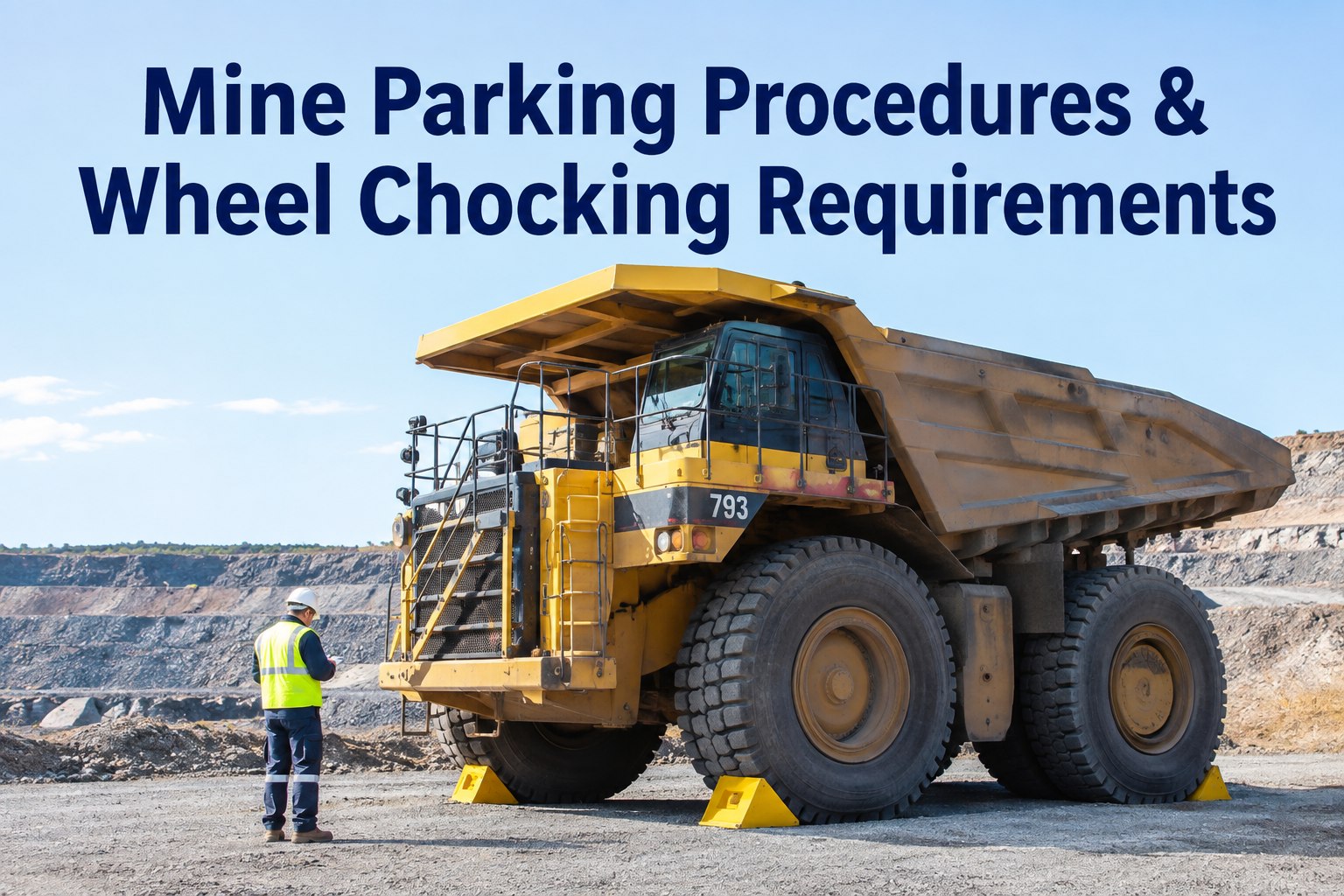
Walk the laydown yard at a mine and you'll see millions of dollars of iron in rows — a dozer with its blade in the air, a loader parked so long nobody's sure it still runs. Mining equipment parking and laydown management is the discipline most sites never formalize, and it fails two ways at once: a machine parked wrong is a hazard, and one parked and forgotten is lost. This guide covers both: securing what's parked, and tracking it while it sits. Book a demo of laydown asset tracking.
Mining Equipment Parking Fails in Two Directions: an Unsecured Machine, and an Asset Nobody's Tracking
A parked machine still has to be safe, located, and inspection-current. The yard is where that quietly stops happening. Here's how to keep every bay accounted for.
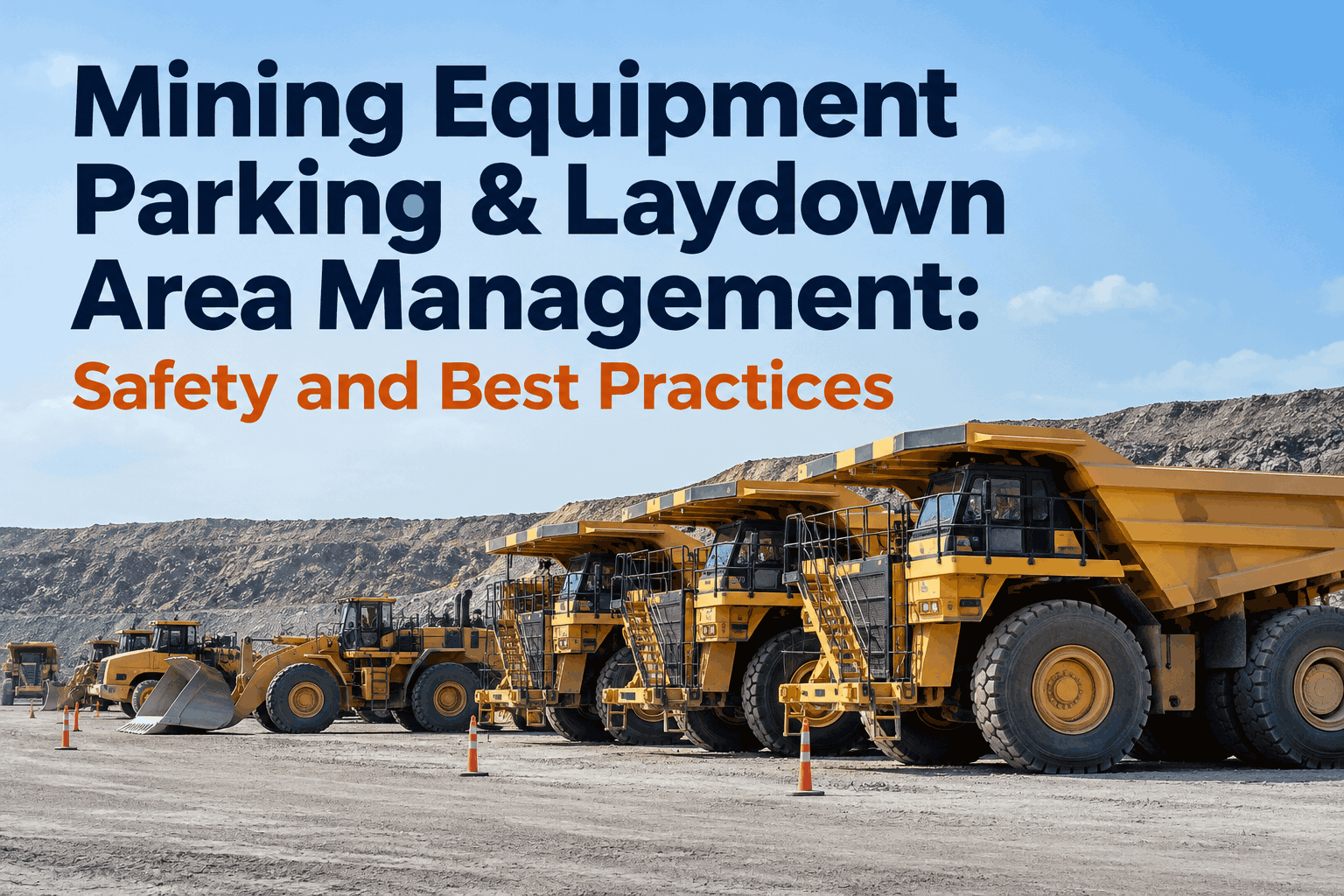
Six bays, three stories: ready to redeploy, idle too long to trust, and one parked with its blade still raised.
A laydown yard looks like the calmest place on a mine site — nothing's moving. That's exactly why it's a blind spot. The machines that are running get inspected, scheduled and watched; the ones parked up drift out of the system. Over weeks, a staging area fills with units whose condition, location and readiness nobody can state with confidence, and each one is both a parked hazard and an asset slowly going missing on the books.
Two ways a parked machine bitesthe safety risk and the visibility risk of mining equipment parking
Parked equipment fails you in two completely different ways, and most sites only guard against one. Secure the machine but lose track of it, or track it on a spreadsheet but park it badly, and you're still exposed.
The safety risk
A machine parked wrong is a live hazard sitting still.
- Raised bucket or blade can drop on a person
- Rolls on a slope without chocks or park brake
- Started or moved while someone's working on it
- Stored fluids and batteries left uncontained
The visibility risk
A machine parked and forgotten is an asset going dark.
- Nobody can say which unit is in which bay
- Idle for months, inspection long expired
- Redeployed "ready" and fails on day one
- Written off as missing when it's just buried in the yard
A good laydown program closes both: the machine is secured to a standard, and its location and condition stay on the record while it sits. Book a demo to track both risks in one place. This sits alongside the broader mining heavy equipment fleet management guide, which covers the running fleet.
Securing a machine for parkingthe park-up sequence, every time, every unit
However long it's parked — an hour between shifts or a month in the laydown yard — a machine gets secured the same way, in the same order. Skipping a step is how a grounded bucket ends up in the air and a chock stays in the toolbox.
The last step is the one that keeps the yard honest: the machine isn't parked until it's logged where it is and what state it's in. Sign up free and log the park-up on every unit.
The laydown checklista mining equipment parking & laydown inspection checklist
Three things get checked in a well-run yard: the machine is secured, the bay and ground are sound, and the yard as a whole stays organized and safe to move through. Run this on park-up and on a periodic sweep of idle units. In HVI it's a template tied to the asset and its location.
Securing the machine
- Attachment grounded, not raised
- Park brake set, locks engaged
- Wheels chocked to grade
- Isolated and shut down correctly
The bay & ground
- Level, firm ground, no erosion under tracks
- Clear of drainage and flood paths
- Spacing for safe access around the unit
- Any leaks contained, drip trays in place
The yard & the asset
- Unit logged to its bay location
- Days-idle and next inspection tracked
- Access roads and exclusion zones clear
- Readiness status current for redeploy
Checked this way, a parked machine never becomes a mystery — it's a known unit in a known state. Book a demo to see the laydown checklist by bay.
The yard registerwhat's parked, where, and whether it's ready
This is what replaces the walk-the-yard-and-count headache: one view of the laydown area showing each unit, its bay, how long it's sat, when it was last inspected, and whether it can go back to work today. When production needs a machine, the answer is on the screen, not in someone's memory.
Grader 14 flags for a re-inspection before anyone trusts it after 40 idle days — and Loader 09's raised blade is a work order, not a surprise found on foot.
Because each unit carries its own digital inspection and status wherever it's parked, the laydown yard becomes part of the system instead of a gap in it. Book a demo to see your yard as a live register.
From an equipment supervisor who inherited a full yard
When I took over, the laydown area was a graveyard — forty-odd machines and no list that matched what was actually out there. We found a grader everyone thought was scrapped and a dozer booked as available that hadn't turned over in eight months. Now every unit that goes to the yard gets parked to a standard and logged to a bay, with its idle time and last inspection on the record. The real win is redeployment: when production wants a machine, I can tell them in ten seconds what's ready, instead of sending someone to walk the rows.
Mining equipment parking & laydown — quick answers
How should heavy equipment be parked on a mine site?
On firm, level ground clear of haul roads and drainage, with the attachment grounded, park brake set, articulation or steer lock engaged, and wheels chocked on any grade. Then shut down, isolate, and log the unit to its location. The sequence is the same whether it's parked for an hour or a month.
What is laydown area management?
It's the practice of running a mine's parking and staging yard as a managed space — organized bays, clear access and exclusion zones, and a record of which unit is where, in what condition, and for how long. Done well, it stops the yard from becoming a blind spot where parked assets lose their status and readiness.
Do parked machines still need inspections?
Yes. A unit idle for weeks or months can develop flat spots, seal issues, flat batteries, fluid degradation and rodent damage. A periodic check on idle equipment, plus a pre-redeploy inspection, keeps a "parked" machine from becoming a breakdown the moment it's sent back to work.
Why do mine sites lose track of parked equipment?
Because running machines stay in the daily system and parked ones fall out of it. Without a register tying each unit to a bay and a status, a laydown yard slowly fills with equipment nobody's logged — which is how a site ends up with "missing" machines that are really just buried in the staging area.
How does HVI help manage equipment parking and laydown areas?
HVI keeps every unit in an asset register with its location, status, idle time and inspection history, and runs park-up and laydown inspection templates tied to each asset. You can see what's in the yard and what's ready to redeploy at a glance. It manages the records and visibility — it doesn't replace your site's parking standards or ground controls.
Make mining equipment parking a tracked, inspected, redeploy-ready yard
HVI gives your laydown area an asset register, a park-up standard, idle tracking and inspections tied to each unit's location — so every parked machine stays secured, accounted for, and ready to send back to work. No more walking the rows to find out what you own. Live across your site in under two weeks.
No credit card · No hardware · Yard asset register from day one