A frayed seat belt on a 200-ton haul truck isn’t just a safety hazard—it is a direct violation of federal mining law. Under MSHA regulations, any mobile equipment equipped with a Roll-Over Protective Structure (ROPS) must have functional, actively used seat belts. When inspectors walk onto a site, frayed webbing, jammed retractors or missing daily inspection logs result in immediate citations and downed equipment. Maintaining compliance requires moving beyond manual paper trails to standardized digital Daily Vehicle Inspection Reports (DVIR) that catch defects before the shift begins. See how HVI digitizes daily operator reporting
MSHA Seat Belt Requirements for Mobile Mining Equipment
Stop guessing on compliance. Learn the exact installation, usage, and daily inspection requirements to keep your operators safe and your mine audit-ready.
The 3 Pillars of MSHA Seat Belt Compliance
MSHA inspectors scrutinize operator restraint systems meticulously. A compliant fleet must satisfy three distinct phases of seat belt management: proper installation, flawless mechanical condition, and strict operator enforcement.
1. Mandatory Installation
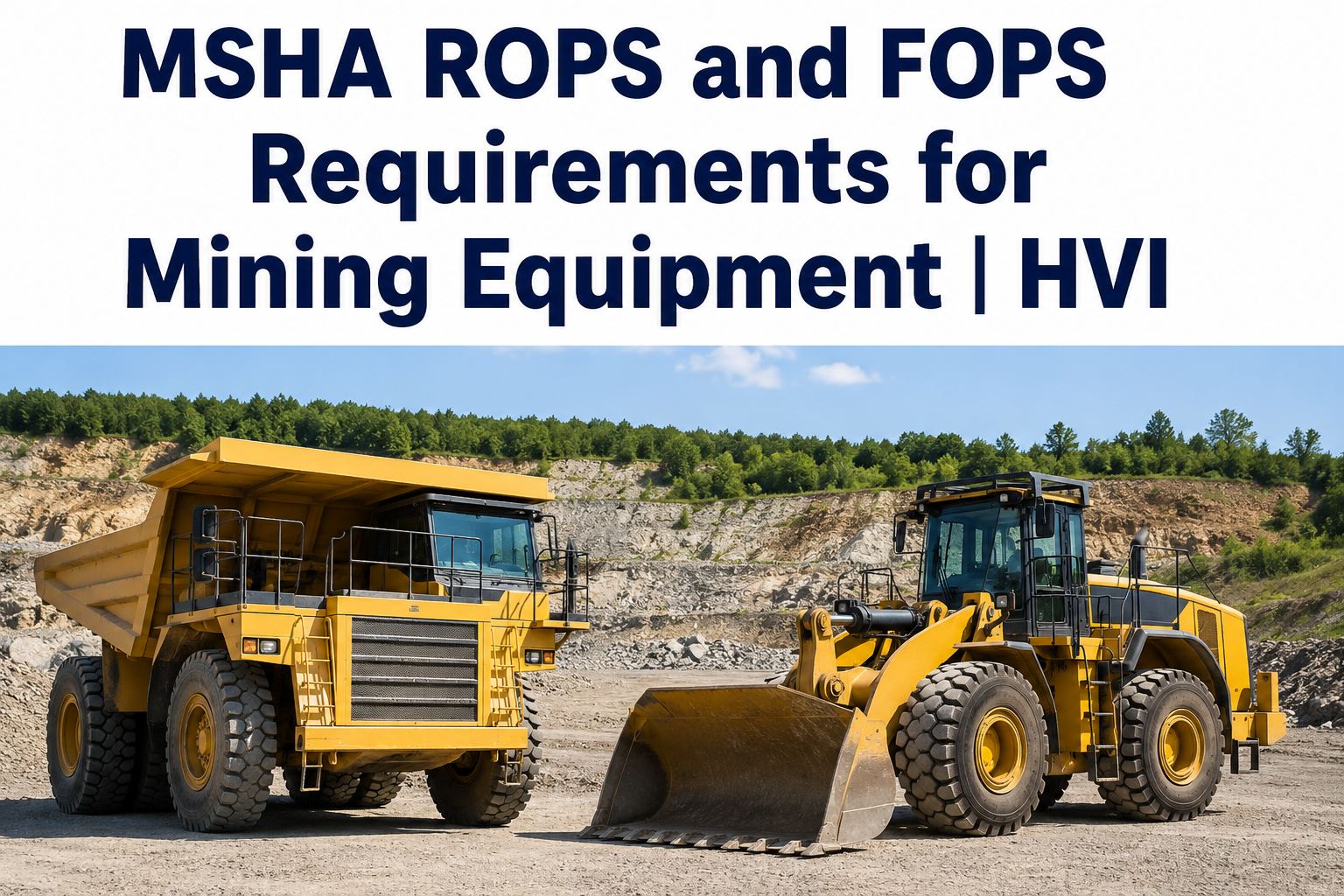
Seat belts are required on all mobile equipment that is fitted with ROPS (Roll-Over Protective Structures) or FOPS. The belts and their anchor points must meet stringent SAE (Society of Automotive Engineers) load specifications. If an anchor bolt is loose, the entire ROPS system is compromised.
2. Uncompromised Condition
A seat belt must be replaced immediately if there is any visible damage. MSHA specifically looks for frayed webbing, cuts, dry rot, jammed retractors, or buckles that fail to latch and release smoothly. A sluggish retractor in a dusty cab is a primary target for citations.
3. Active Operator Use
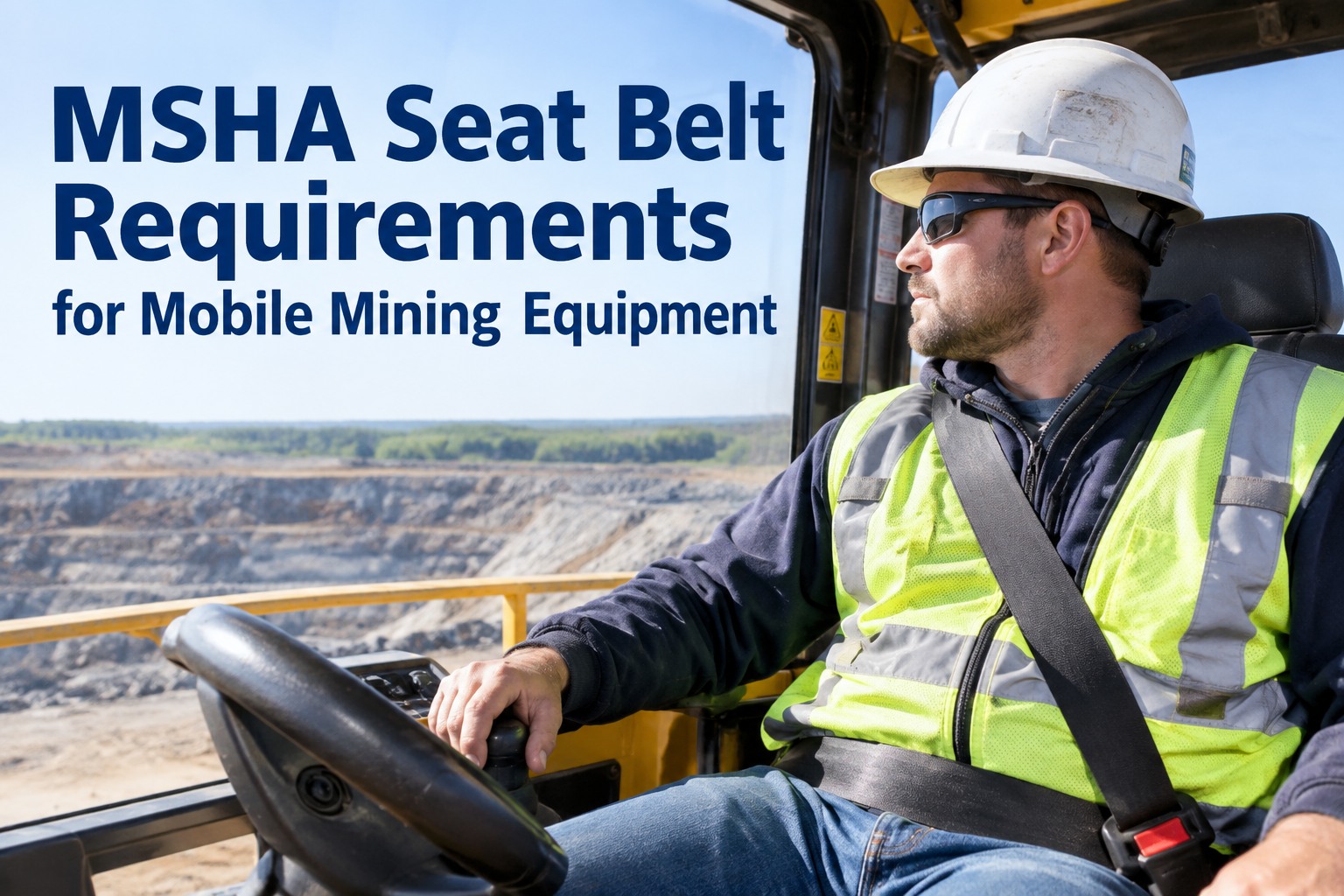
Installation is irrelevant if the belt is tucked behind the seat. MSHA requires equipment operators to wear their seat belts at all times while the vehicle is in motion. Fleet managers must actively enforce this rule to prevent fatal ejections during tip-overs.
High Risk of MSHA Citations
Under MSHA 30 CFR § 56.14130, operating a machine with a defective or unlatched seat belt is treated as a severe safety violation. Inspectors frequently issue 104(a) citations and 104(d) unwarrantable failure orders for restraint system neglect. If your pre-shift inspection logs do not prove operators are actively checking these belts daily, your compliance audit is compromised.
Automating Daily Inspections (DVIR) with HVI
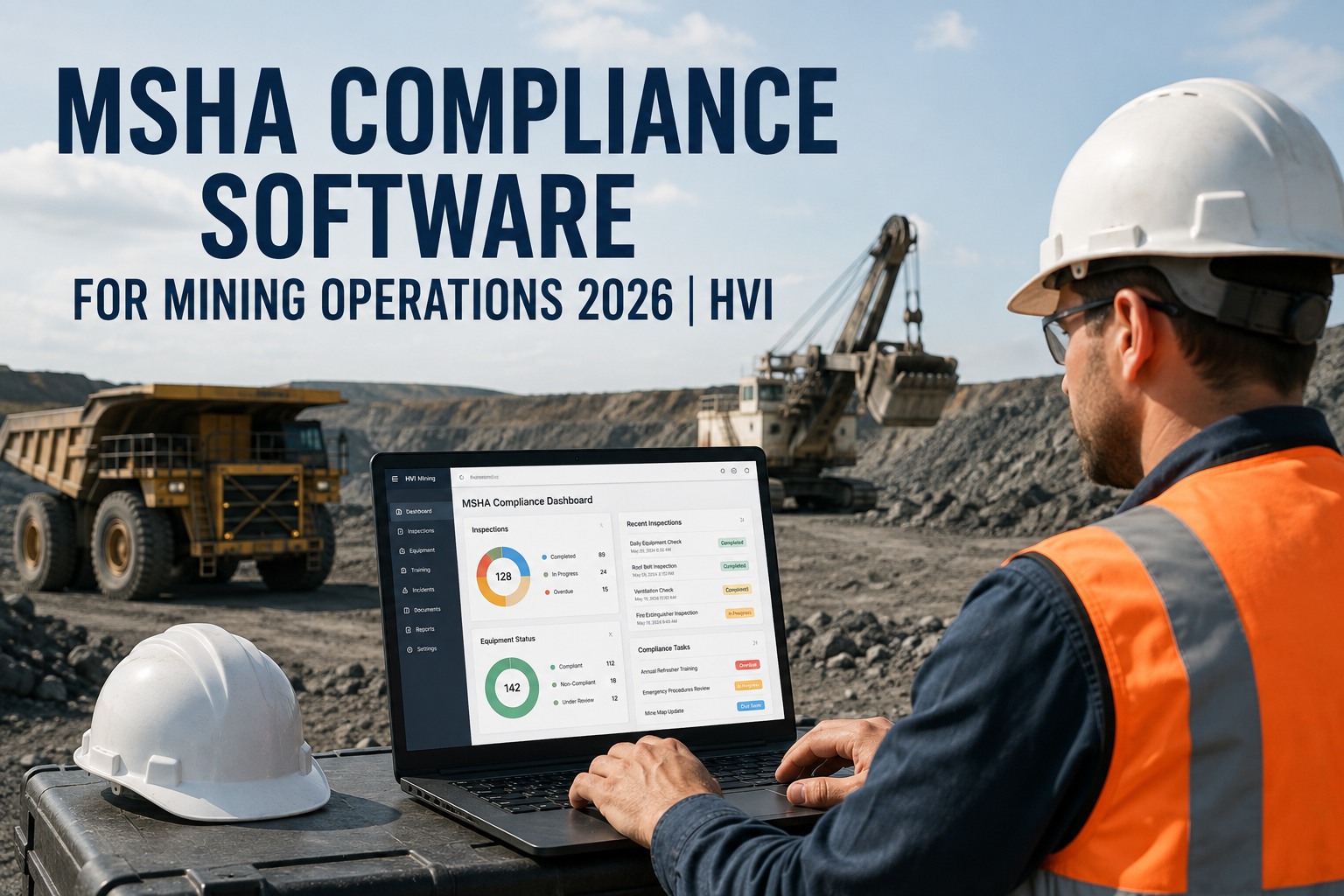
The only way to guarantee a seat belt is functional before a truck enters the haul road is through a rigorous pre-shift inspection. Paper forms are easily pencil-whipped, leaving managers blind to safety hazards. By digitizing fleet management, you can unify cost, efficiency, productivity and safety by one connected platform[cite: 2].
The Paper-Based Risk
- Operators casually check "OK" on paper forms without physically testing the belt latch or retractor pull.
- Frayed belts go unreported for weeks until an MSHA inspector issues a fine during a spot check.
- Administration costs soar due to the time and effort required to sort through manual logs.
HVI Digital Safety Platform
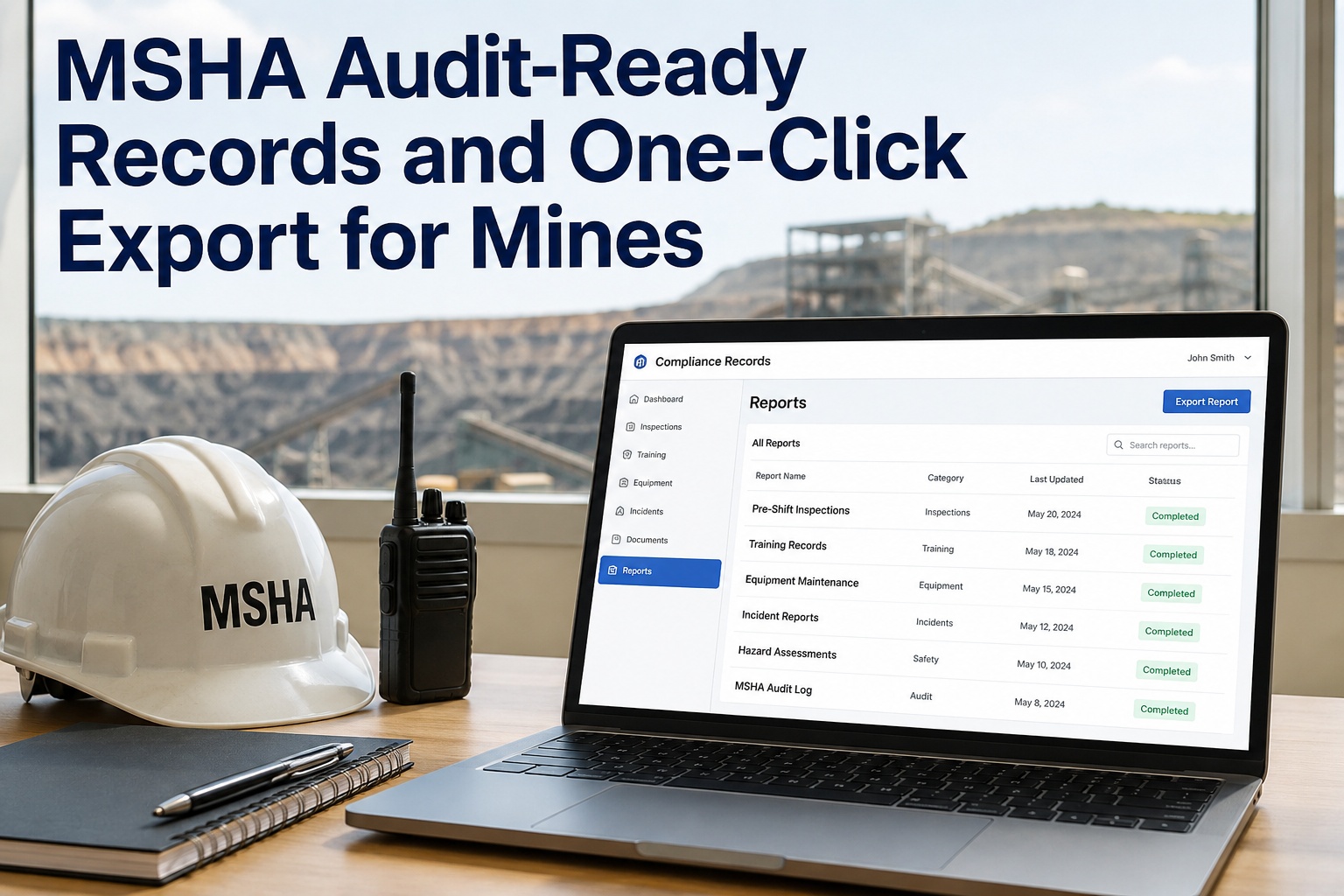
- Track and fix the productivity issues with Daily operator reporting on work hours, Machine usages, DVIR and additional business data collection[cite: 2].
- Immediate App notification triggered, if operator flags any issues[cite: 2] regarding a jammed or frayed seat belt.
- No paper printing or reduced administration efforts to maintain machines, compliance data, audit information[cite: 2].
Sign up today to digitize your pre-trip inspection forms and ensure MSHA audit readiness
Why Top Mines Rely on HVI for Compliance
“As a Safety Supervisor, the HVI app has provided me with the tools I need to maintain a strong safety culture within our fleet. The app's real-time driver behavior monitoring and incident reporting features have allowed us to proactively address safety concerns and provide targeted training to our drivers. The customizable safety checklists and inspection forms ensure that our vehicles are always in compliance with regulations. With the HVI app, I have peace of mind knowing that our fleet is operating at the highest safety standards.”[cite: 2]