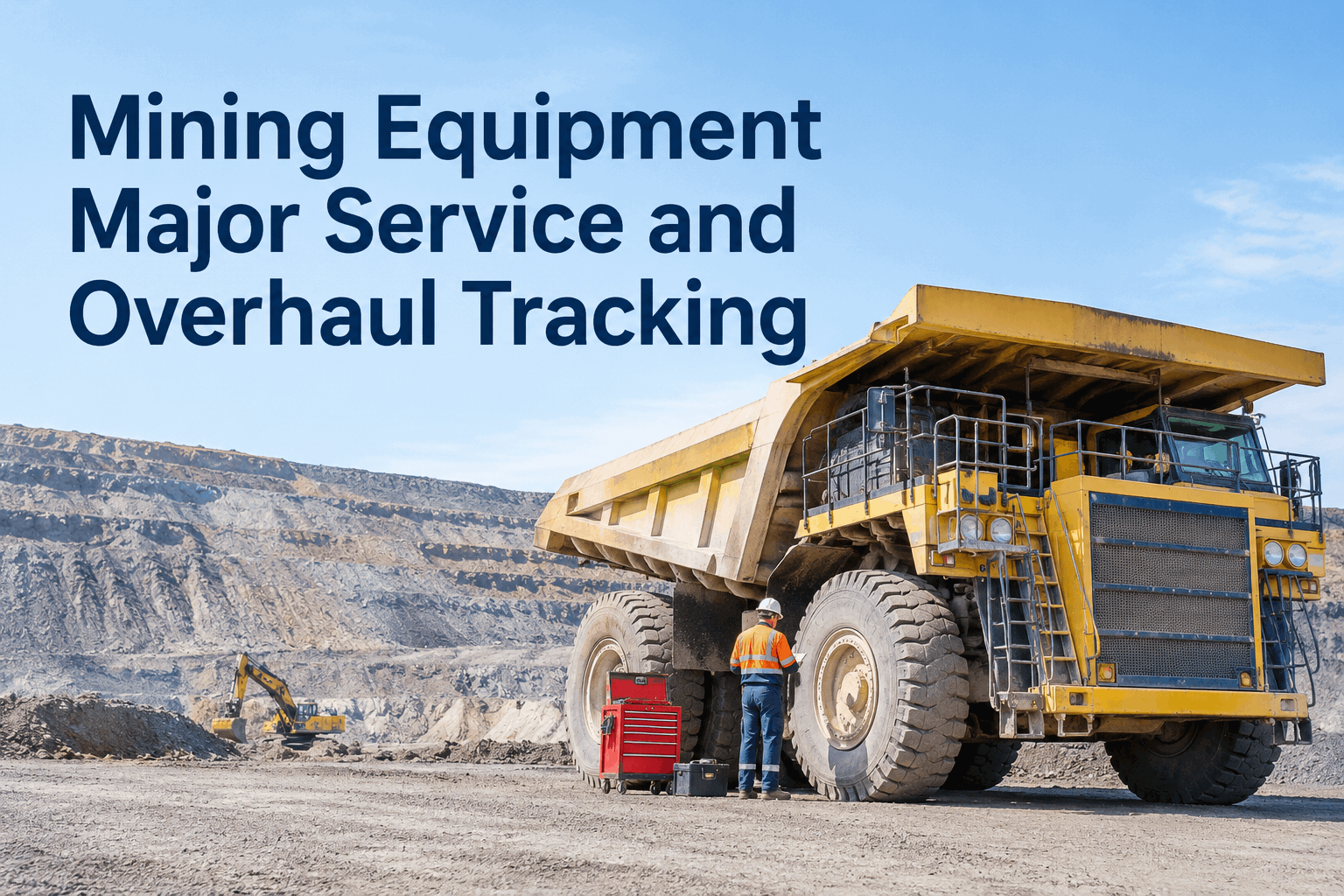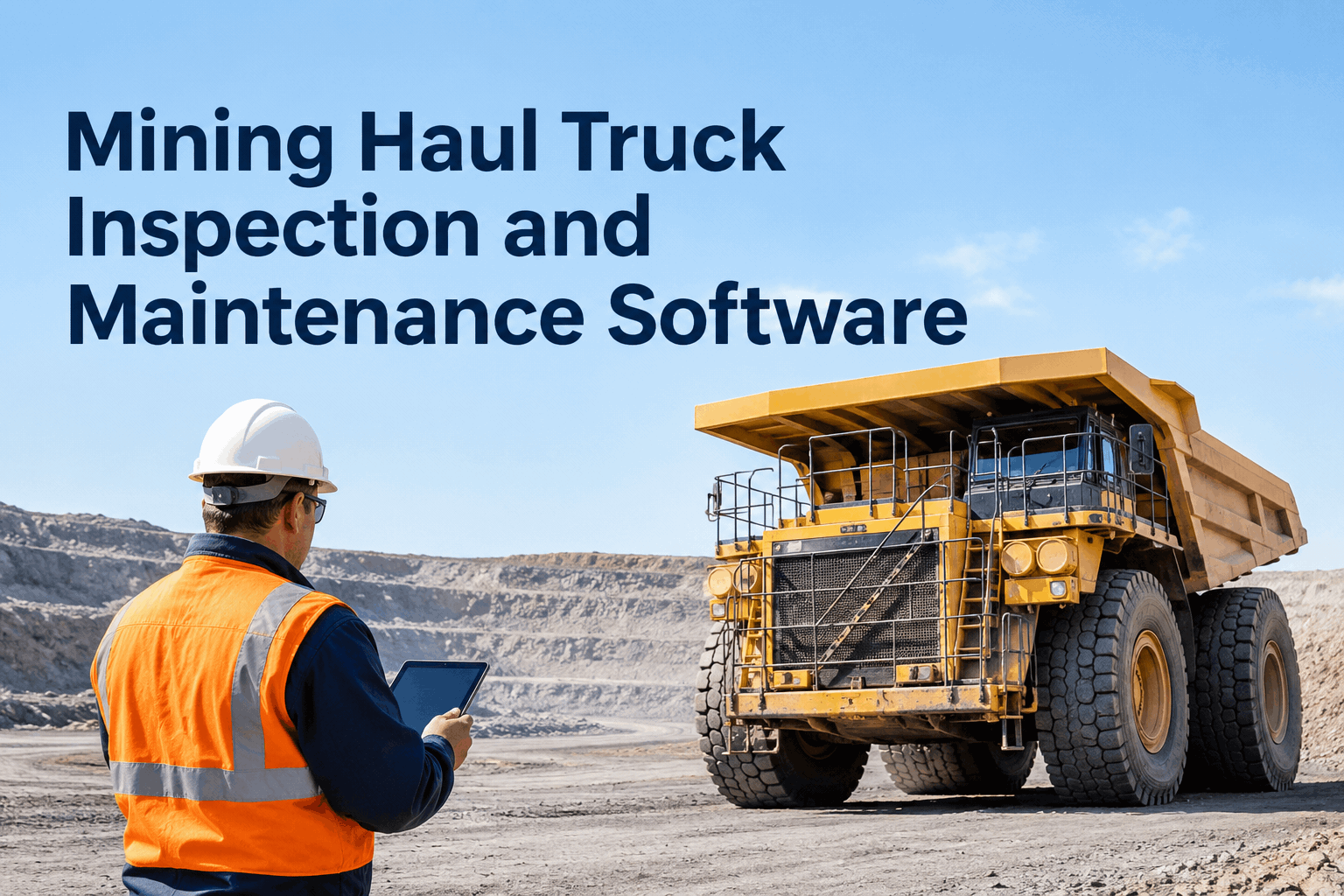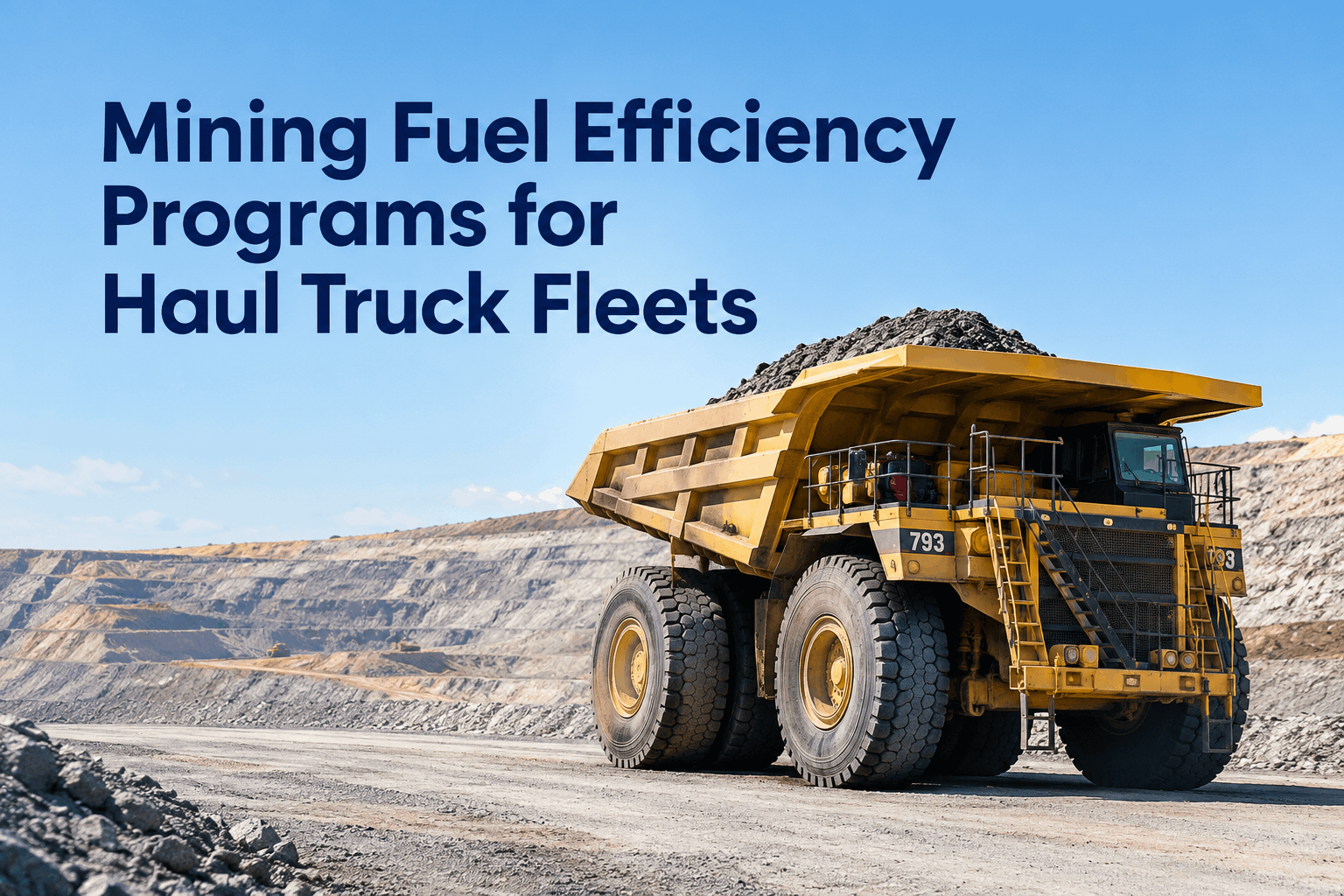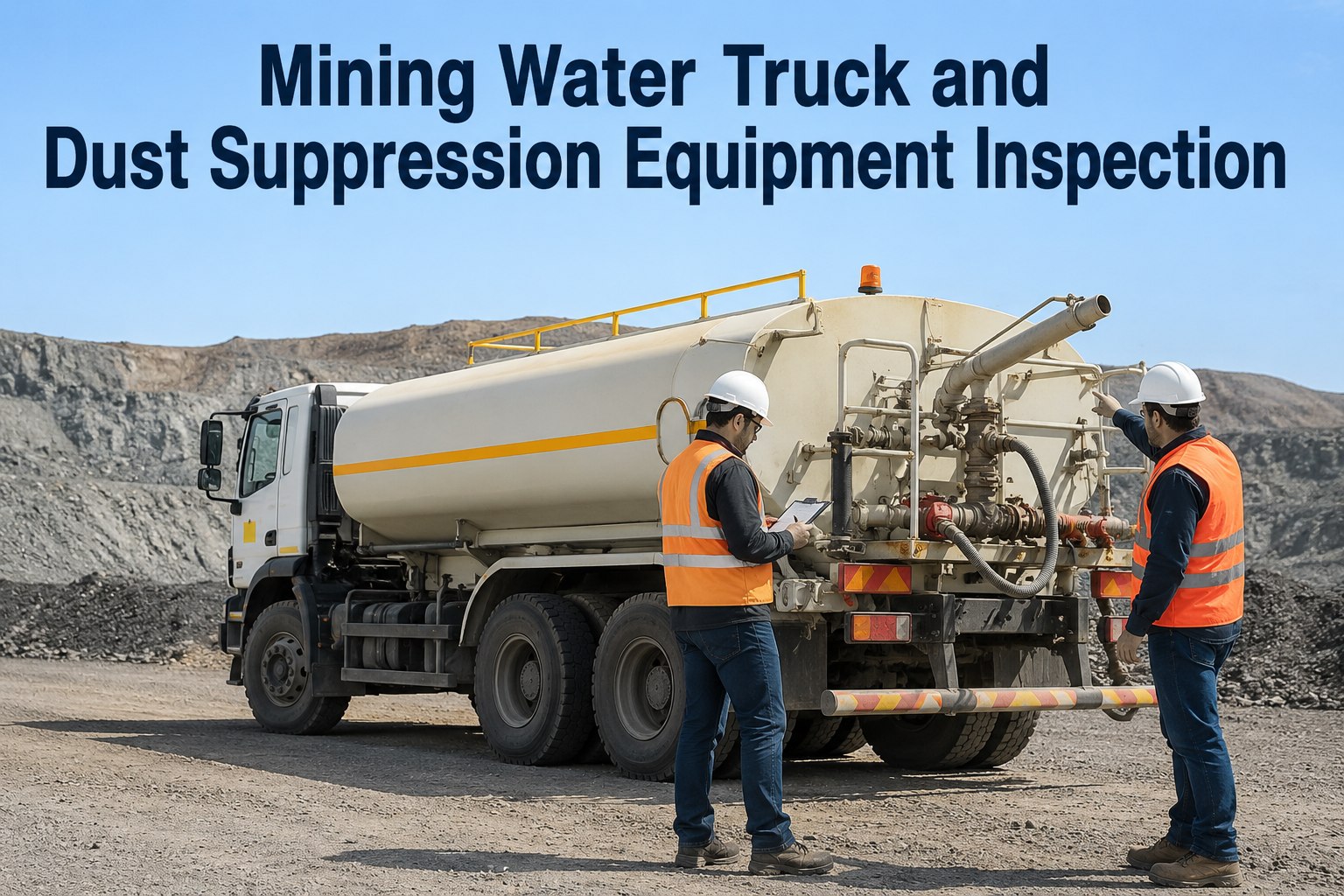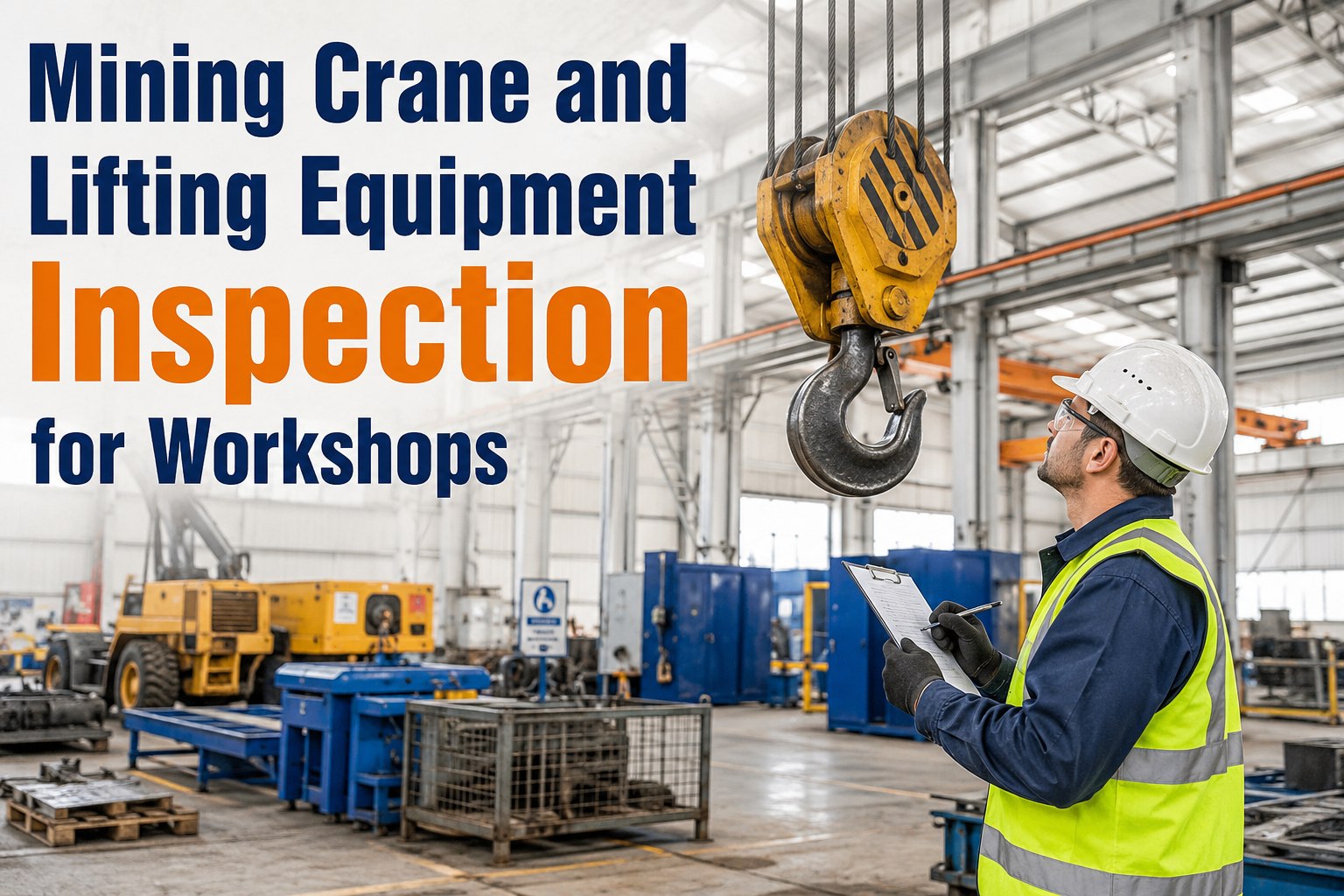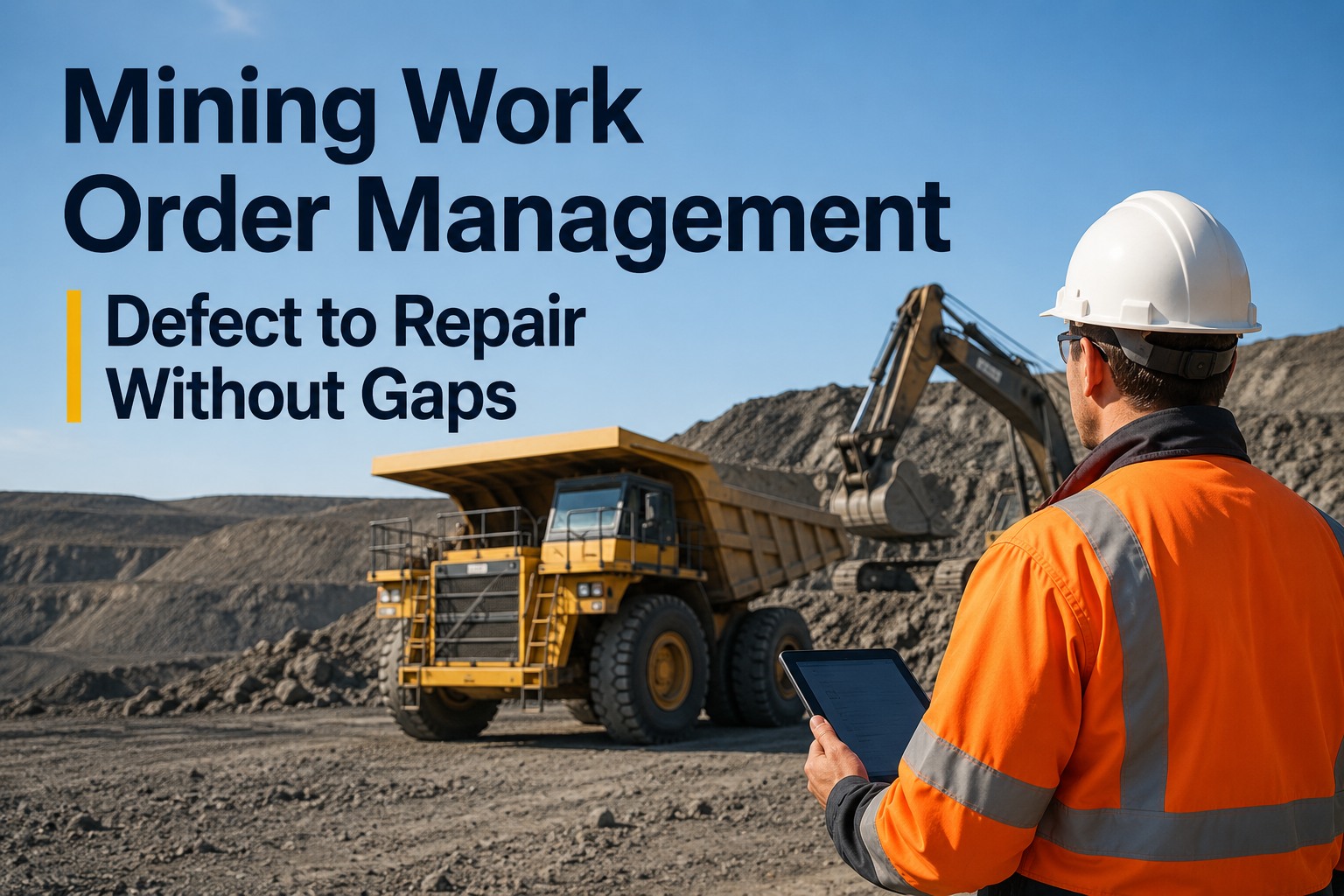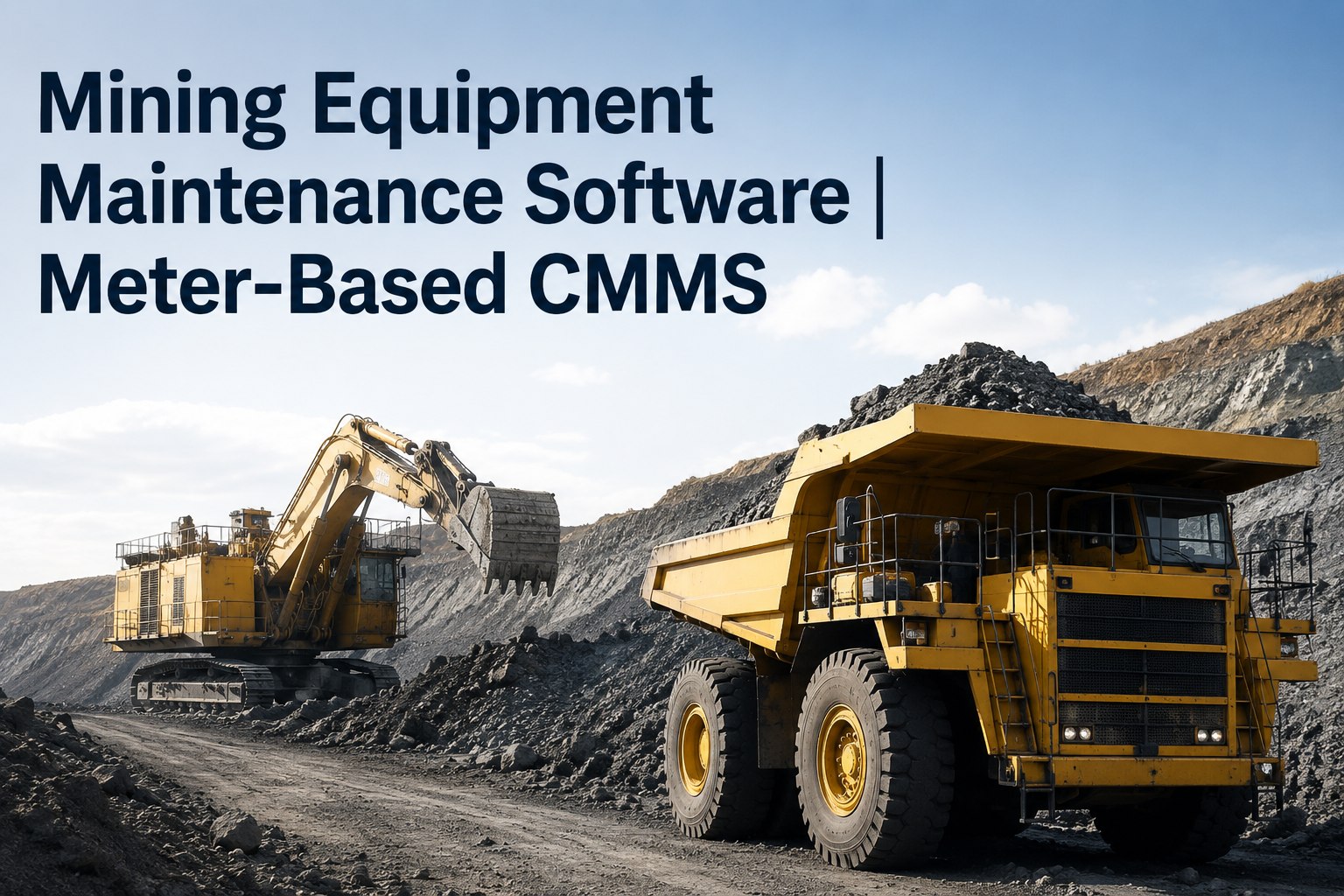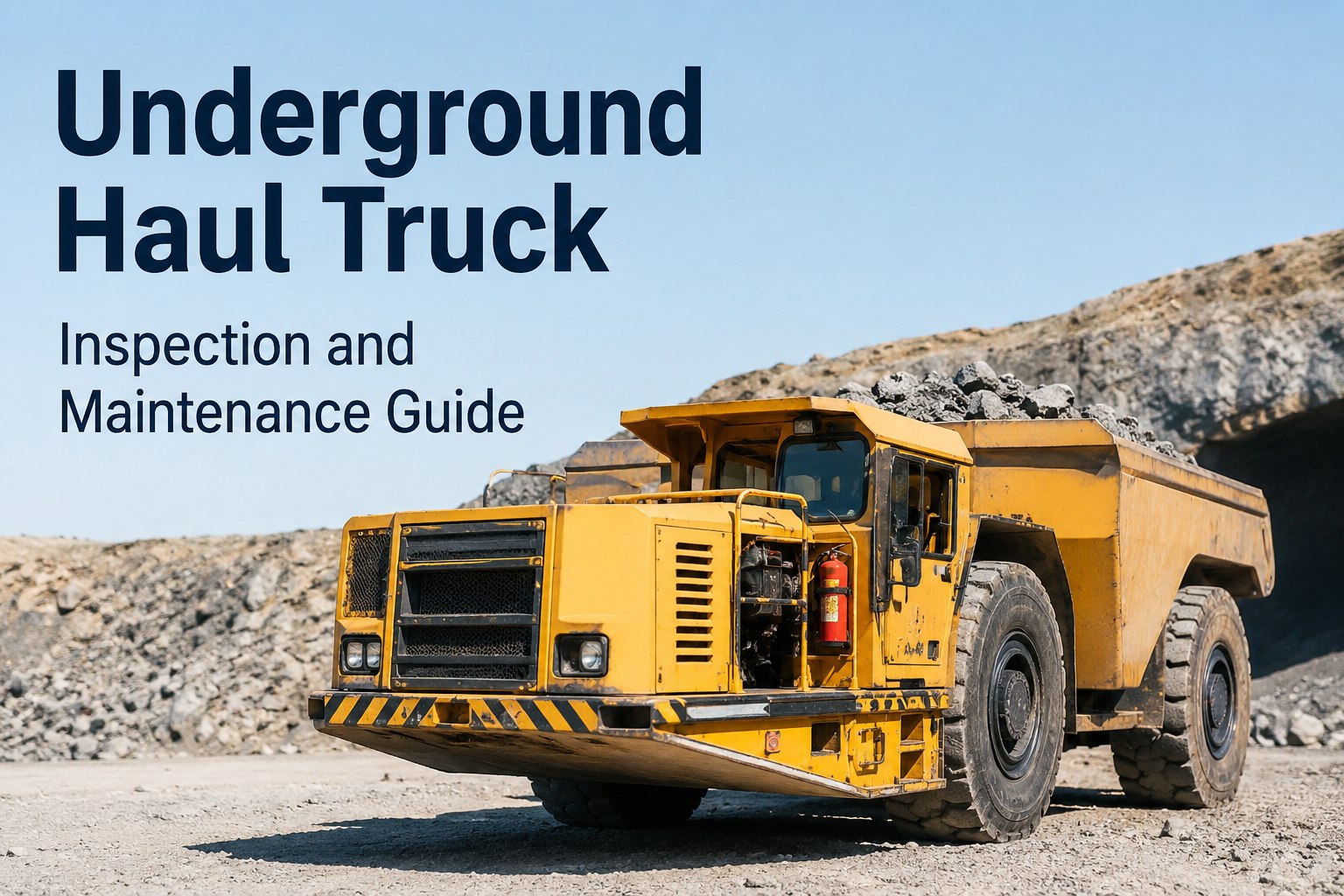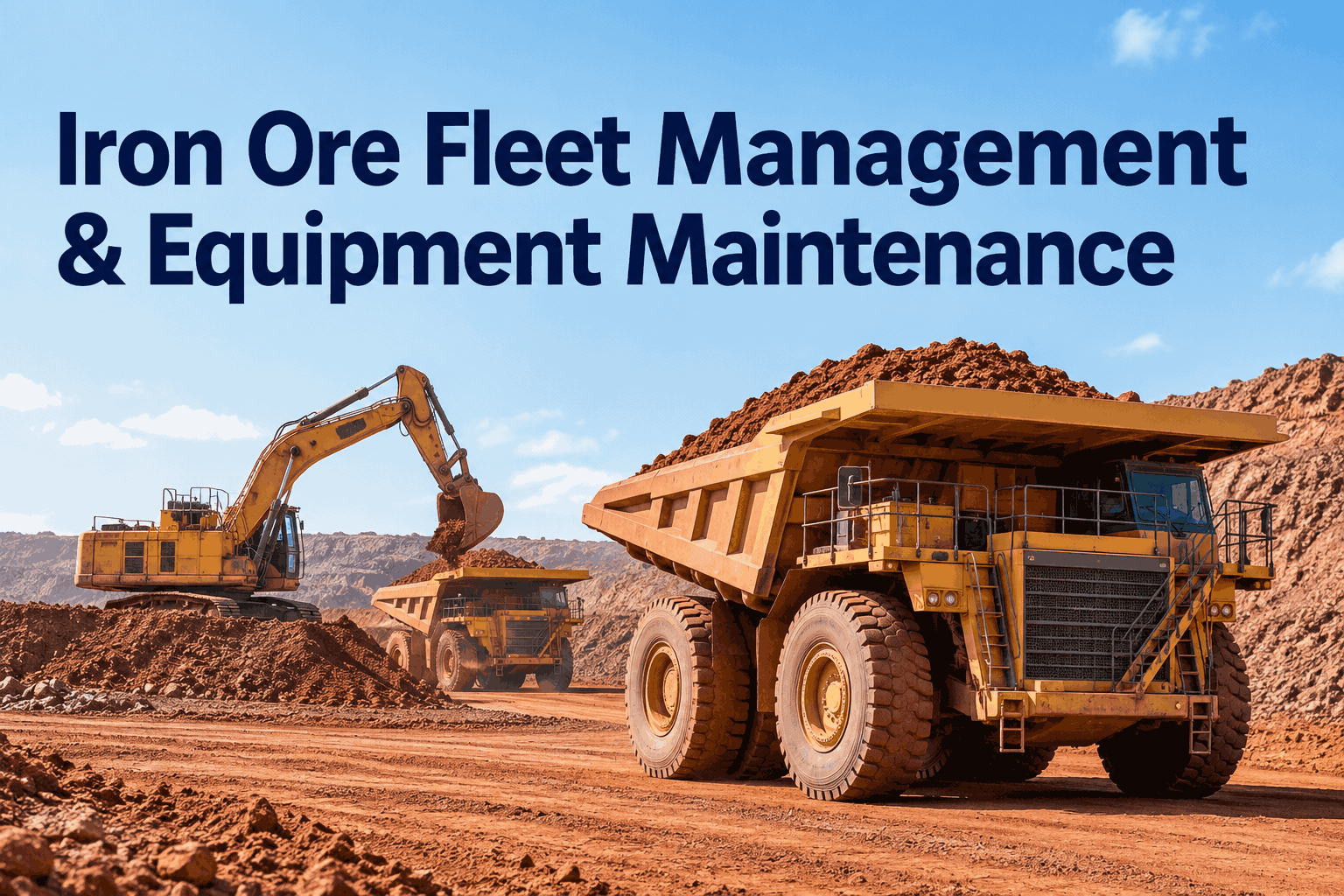
Iron ore fleet management is a daily balancing act: haul trucks must keep material moving while maintenance teams protect brakes, tires, powertrains and the equipment that feeds the crusher. The strongest approach is not simply servicing more often; it is using inspections, repair history and planned maintenance to decide what needs attention before it disrupts production. This guide shows how to build that workflow and measure its results.
Keep the Haul Cycle Moving. Keep Maintenance in Control.
Connect pre-shift inspections, planned service, repair work orders and fleet reporting so one truck defect does not become an unplanned production bottleneck.
Why Iron Ore Fleets Need a Different Maintenance Rhythm
Haul roads, payloads, dust and continuous production cycles create maintenance demands that a generic vehicle schedule can miss.
An iron ore mine depends on a linked chain: loading equipment, haul trucks, support vehicles, crushing equipment and maintenance resources. When one high-utilization unit becomes unavailable, dispatch plans and workshop priorities can change quickly.
For iron ore fleet management, the goal is to turn observations into planned actions. A repeated overheating note, a tire condition defect or a rising repair count should be visible in the equipment's history—not isolated on paper.
Use Book a Demo of HVI Equipment Inspections to explore how inspection records can support maintenance follow-up.
Inspect the Haul Truck by Failure Zone
A practical pre-shift inspection follows the vehicle's major risk areas, then routes defects to the right maintenance action.
Inspection-to-action checklist
Tires and wheelsDamage, pressure concerns, wheel fasteners and abnormal wear
Braking and steeringResponse, warning indicators and visible leaks
Hydraulics and structureHoses, cylinders, attachment points and cracks
Cooling and powertrainFluid levels, contamination, temperatures and alarms
Use OEM instructions and site procedures to define actual inspection criteria. Safety-critical defects require immediate site-approved action.
The useful outcome is a traceable record: what was found, which asset was affected, who reviewed it and whether a work order was required. HVI's digital inspection and maintenance workflows can help organize that information. Sign Up Free to Start Fleet Inspections.
Build PM Windows Around Equipment Utilization
Use meter readings, inspection findings and OEM intervals together—not calendar dates alone.
Schedule with context
- Track hours, distance or other relevant meter readings.
- Use manufacturer guidance and site maintenance standards.
- Group work when equipment is already available.
- Bring recurring defects into the next service plan.
- Document completed work against the asset.
For a mining fleet, effective preventive maintenance planning also requires coordination with dispatch. A service window is useful only when operations can release the asset and parts and labor are ready. Book a Demo of HVI Preventive Maintenance to see how service planning and maintenance records can be organized.
Turn Defects Into a Visible Repair Queue
A single queue helps maintenance leaders distinguish urgent holds from planned repairs and keep unresolved issues from disappearing between shifts.
Reported during pre-start inspection
Hold pending qualified assessmentFluid loss observed at shift end
Confirm severity and repair planDue at upcoming approved PM window
Confirm parts and laborMaintenance work orders should preserve defect descriptions, repair actions, dates and equipment identity. These records support recurring-failure reviews and better planning. Sign Up Free for HVI Repair Tracking.
Report Fleet Reliability, Not Just Work Order Counts
Use a small set of measures to see whether maintenance is protecting production readiness and reducing repeat problems.
Mechanical availability
Shows the share of scheduled time that equipment is mechanically available. Define exclusions and the reporting period consistently.
PM compliance
Tracks whether scheduled maintenance tasks are completed within the site-approved service window.
Repeat defects and backlog
Highlights unresolved work, aging repairs and repeated issues on the same assets.
HVI's reporting and maintenance history can help teams review trends across vehicles and equipment. For reliable decisions, agree on KPI definitions before comparing shifts or sites. Book a Demo of HVI Fleet Reporting.
A Practical 30-Day Fleet Maintenance Rollout
Start with one operating area, establish usable records and expand once the process is working.
Register equipment
Confirm asset IDs, types, assigned locations and baseline meter readings.
Standardize inspections
Choose asset-specific checklists and define defect escalation rules.
Connect work orders
Capture repair status, parts usage, labor and verification notes.
Review performance
Check overdue PM, open safety defects and recurring failures.
A manageable pilot is more useful than attempting to digitize every machine and procedure at once. Begin with the assets that drive the haulage cycle, then extend the same recordkeeping approach to support vehicles and fixed plant equipment.
Make Every Haul Truck Inspection Count
Bring equipment inspections, preventive maintenance, repair records and fleet reporting into a more connected maintenance workflow with HVI.
Iron Ore Fleet Management: Frequently Asked Questions
What is iron ore fleet management?
Iron ore fleet management is the coordination of mining vehicles and equipment across inspections, service planning, repairs, equipment records and performance reporting. The aim is to support safe, reliable equipment availability for production.
Which equipment should be included in an iron ore fleet maintenance program?
Typically haul trucks, loaders, excavators, dozers, graders, water trucks and other mobile support equipment. Some sites also coordinate crushers, conveyors and fixed equipment through related maintenance systems. The exact scope depends on the mine's operating model.
How often should iron ore haul trucks be inspected?
Follow the applicable site procedures, manufacturer instructions and regulatory requirements. Pre-use checks and planned maintenance inspections serve different purposes; a universal interval cannot replace equipment-specific requirements.
Which KPIs are useful for iron ore mining fleet maintenance?
Mechanical availability, PM compliance, corrective maintenance backlog, repeat defects, downtime by cause and maintenance cost by asset are useful starting points. Use consistent definitions and reporting periods when comparing results.
How can HVI support iron ore fleet maintenance?
HVI supports digital equipment inspections, preventive maintenance organization, maintenance work orders, asset records and reporting. Teams can use these records to coordinate repair follow-up and review equipment maintenance trends. Book a demo to confirm the workflow against your mine's requirements.