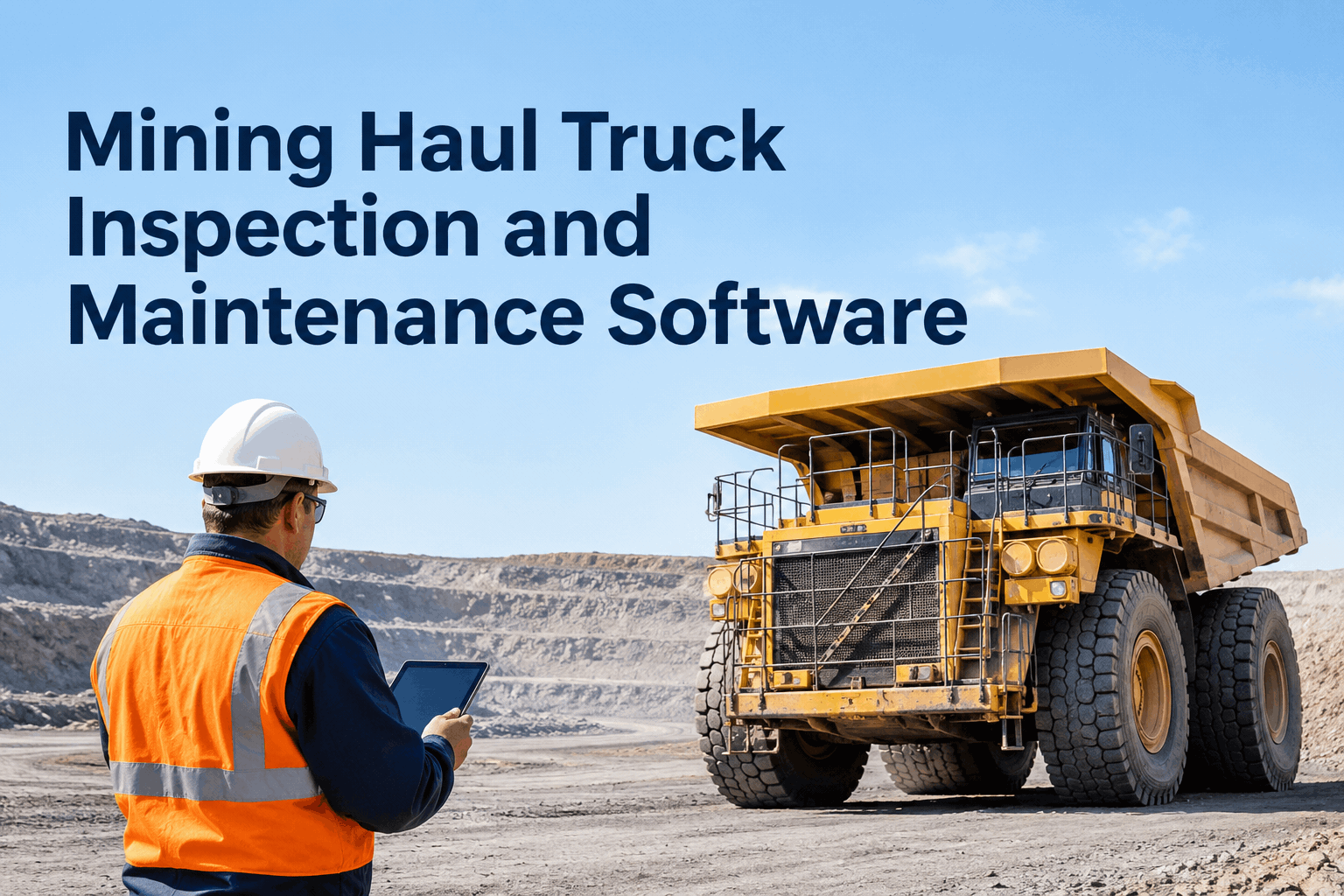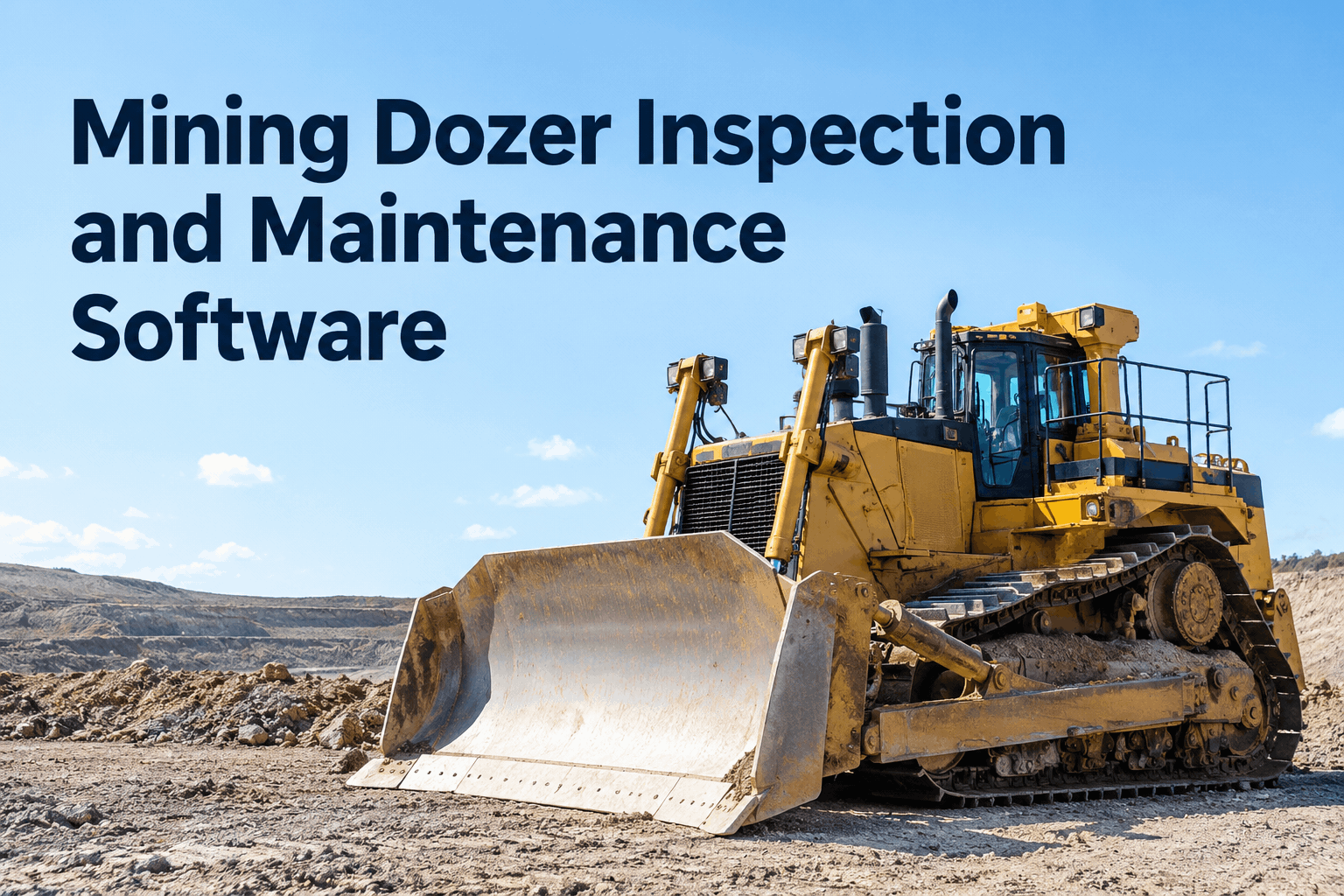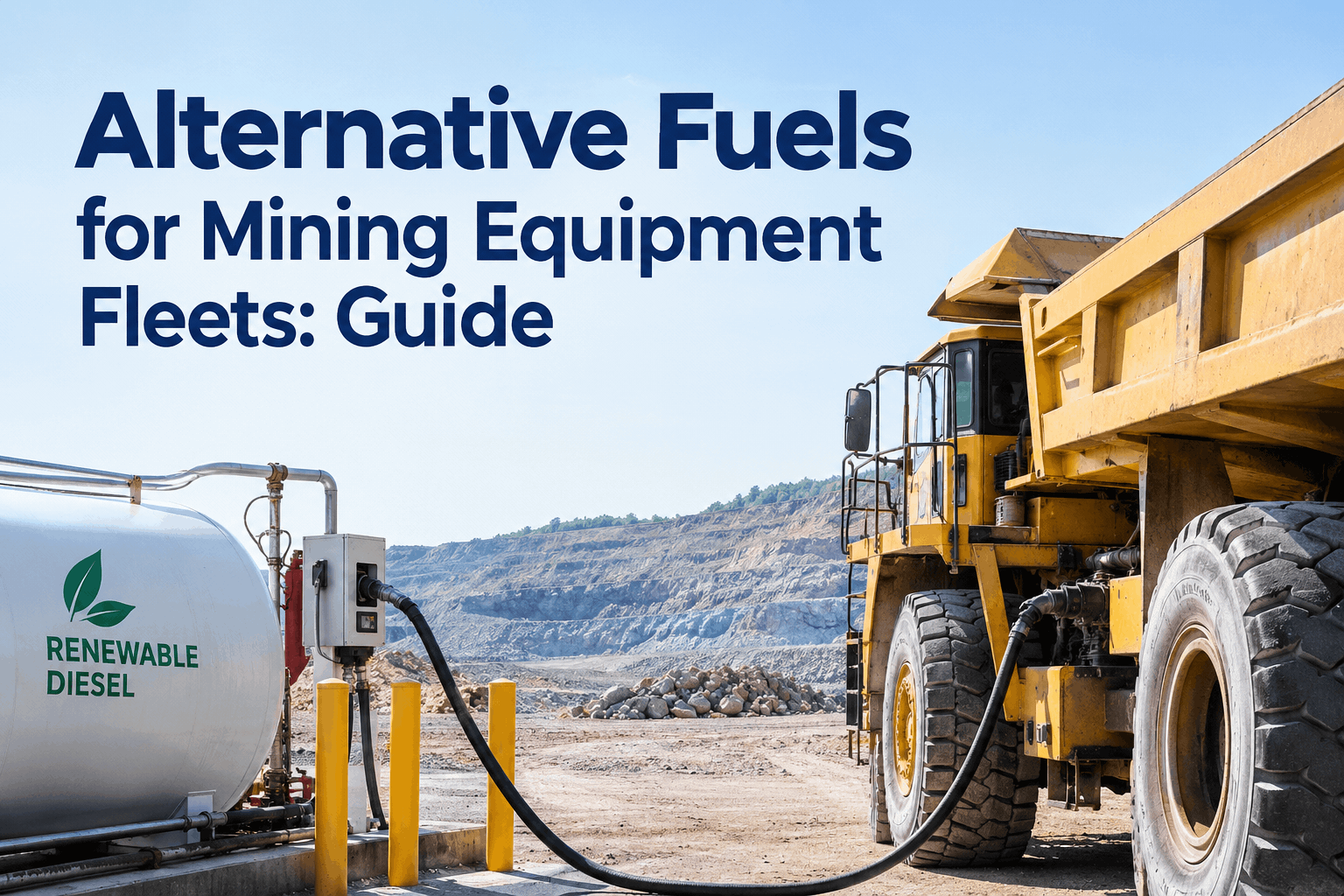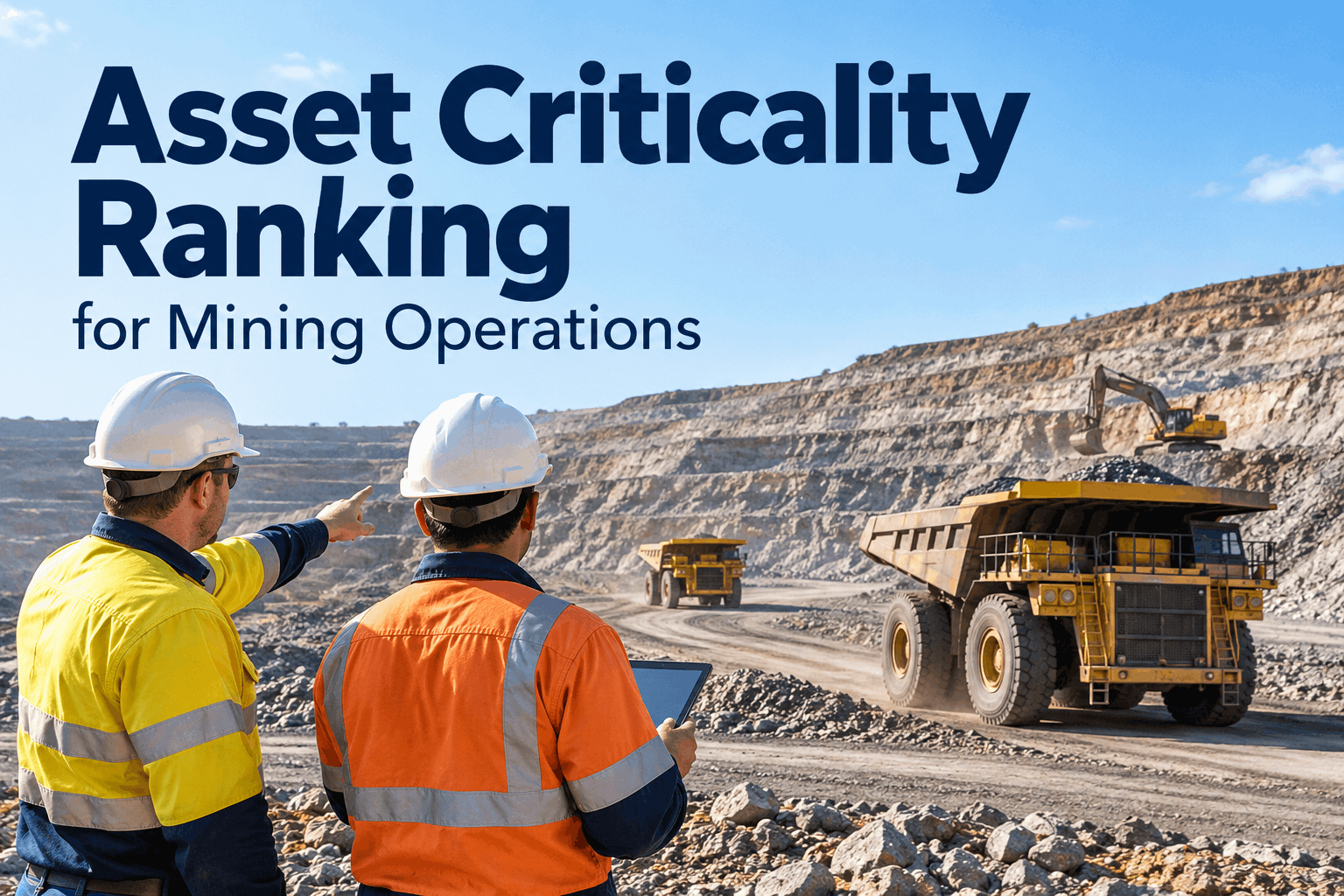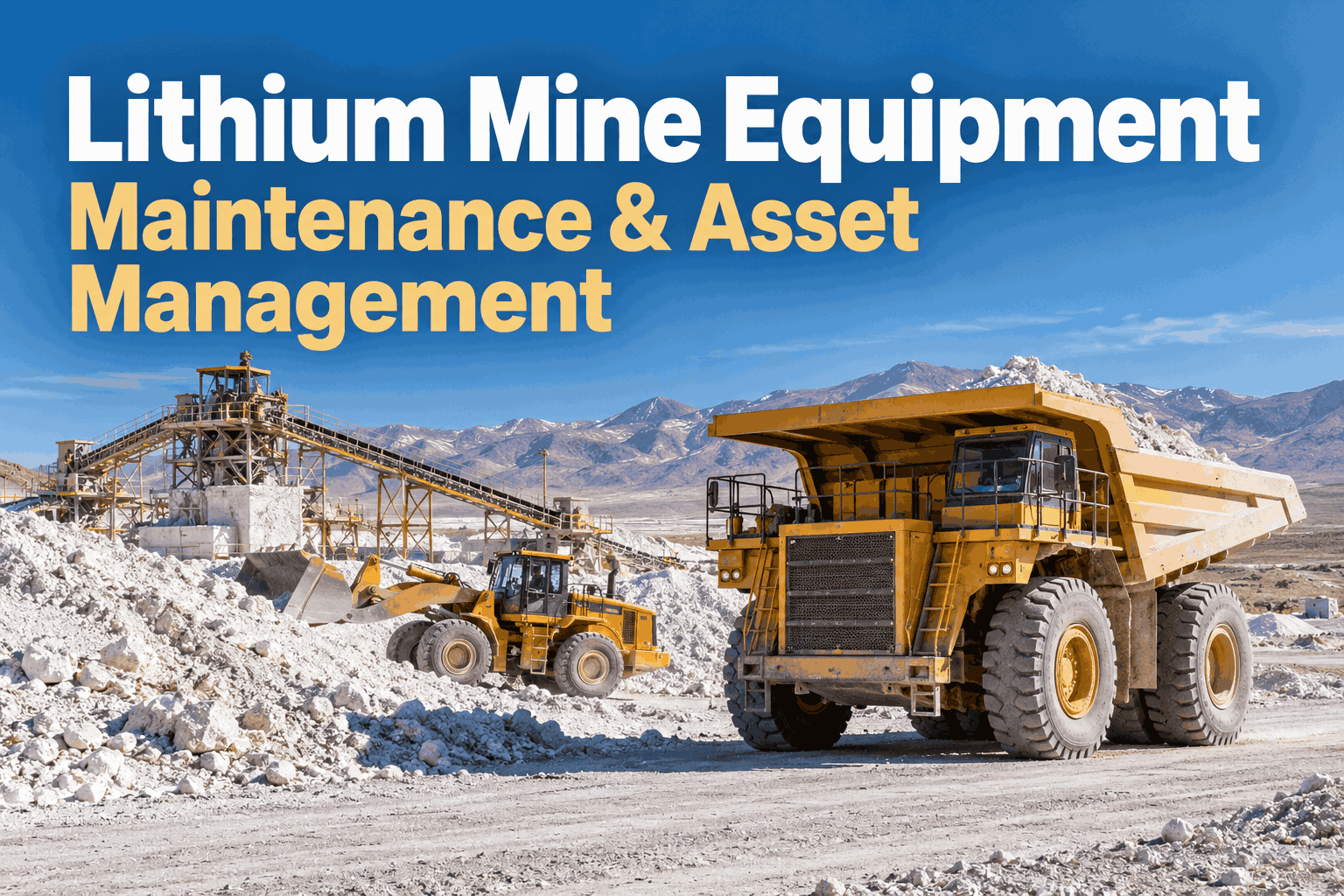
Lithium mine equipment maintenance depends on the extraction route. A hard-rock spodumene operation manages drill rigs, haul trucks, crushers and concentrator assets; a brine operation relies more heavily on pumps, pipelines and fluid-handling equipment. This guide explains what to inspect, when to service it and how to turn equipment history into more reliable maintenance decisions. Book a Demo of HVI mining equipment maintenance to explore digital asset records and work orders.
Lithium Mine Equipment: Maintain the Right Assets at Every Stage
From spodumene pits to brine wellfields, build inspection and preventive maintenance plans around the equipment that actually drives production.
Which Lithium Mining Equipment Needs Maintenance?Map the maintenance program to the mine's extraction method
“Lithium mine equipment” covers very different machinery. A single generic checklist misses the failure modes that matter most in each operating environment.
Processing arrangements vary: some operations use evaporation ponds, others direct lithium extraction or hybrid systems. Build asset lists from the actual plant, not from a standard industry diagram. HVI's Sign Up Free workflow can help teams begin organizing equipment records.
Inspect for the Failure Mode, Not Just the MachineA visual risk map for lithium equipment maintenance
A useful inspection program connects a visible condition to a corrective action. Use the risk map below to identify which checks deserve more frequent attention; set actual intervals using OEM guidance, duty cycle, site conditions and inspection results.
Check leaks, guards, alarms, visible damage, fluid levels and known defects. Follow site isolation and operating rules.
Review condition trends, lubrication, fastener integrity, wear measurements and previous repeat failures.
Verify the defect is resolved, record the parts and labor used, and document return-to-service authorization.
Find the defect. Assign the repair. Keep the history.
See how HVI supports digital inspections, maintenance work orders and asset records for heavy equipment teams.
Build a PM Plan Around Duty and ConsequenceFrom calendar intervals to condition-led service decisions
For lithium mine asset management, maintenance intervals should reflect manufacturer requirements, operating hours, exposure and the impact of failure. A production-critical pump and a lightly used service vehicle should not share the same review rhythm.
Combine planned services with defects raised during inspections. When the same fault returns, examine its repair history before repeating the same work. Book a Demo of HVI preventive maintenance to see how a structured maintenance process can support your team.
One Traceable Path From Inspection to CloseoutMake equipment maintenance records useful beyond the shift
Capture asset, location, meter reading and defect details.
Apply safety controls and determine repair urgency.
Record work orders, labor, parts and completion notes.
Review repeat faults, downtime and PM adjustments.
What to keep in each asset record
Use a consistent equipment identifier, manufacturer and model, serial number, location, operating hours, inspection findings, service history, work orders and replacement parts. That history helps explain whether downtime comes from wear, environment, misuse or recurring repair issues.
For a mixed hard-rock and brine portfolio, organize reports by equipment class and site. HVI can serve as a central maintenance record system; it does not replace specialist process-control or mine safety systems.
A Practical 30-Day Lithium Mine Maintenance SetupStart with the assets that can interrupt production
List production-critical mobile and fixed equipment by site and extraction route.
Create checklists around real failure modes and escalation requirements.
Enter OEM-aligned service intervals and assign owners for upcoming work.
Audit overdue work, repeat failures, parts usage and maintenance history quality.
Measure progress with a small set of useful indicators: PM completion, overdue safety-related defects, repeat failures, equipment downtime and work-order closeout quality. Start with trustworthy data before adding complex dashboards.
Make Every Lithium Mine Asset Easier to Inspect, Service and Track
Bring inspections, preventive maintenance schedules and repair records into a more consistent workflow across mobile fleets and site equipment.
Lithium Mining Equipment Maintenance: FAQs
What equipment is used in lithium mining?
Hard-rock spodumene operations commonly use drilling equipment, excavators, haul trucks, crushers, screens, conveyors and concentrator equipment. Brine operations depend more on wellfield pumps, piping, valves and process equipment. The exact fleet varies by deposit and extraction method.
How is lithium mining equipment maintenance different from general fleet maintenance?
Maintenance must account for site-specific production equipment and exposures, such as abrasive ore in hard-rock handling or saline fluid corrosion in brine circuits. Inspections and PM plans should reflect those conditions alongside OEM requirements.
How often should lithium mine equipment be inspected?
Use manufacturer instructions, site risk assessments, operating hours, regulatory requirements and observed condition to set intervals. Pre-use checks and planned inspections serve different purposes; no single schedule suits every asset.
Can HVI manage both mobile and fixed mining equipment?
HVI provides asset records, inspections and maintenance workflows that can help organize a mixed equipment portfolio. Confirm your specific asset types, forms and workflow requirements during a product demonstration.
How can maintenance software reduce lithium mine downtime?
It can improve visibility into due services, unresolved defects, work orders and repair history. Teams can then plan maintenance earlier and investigate recurring failures, although downtime outcomes depend on execution and site conditions.