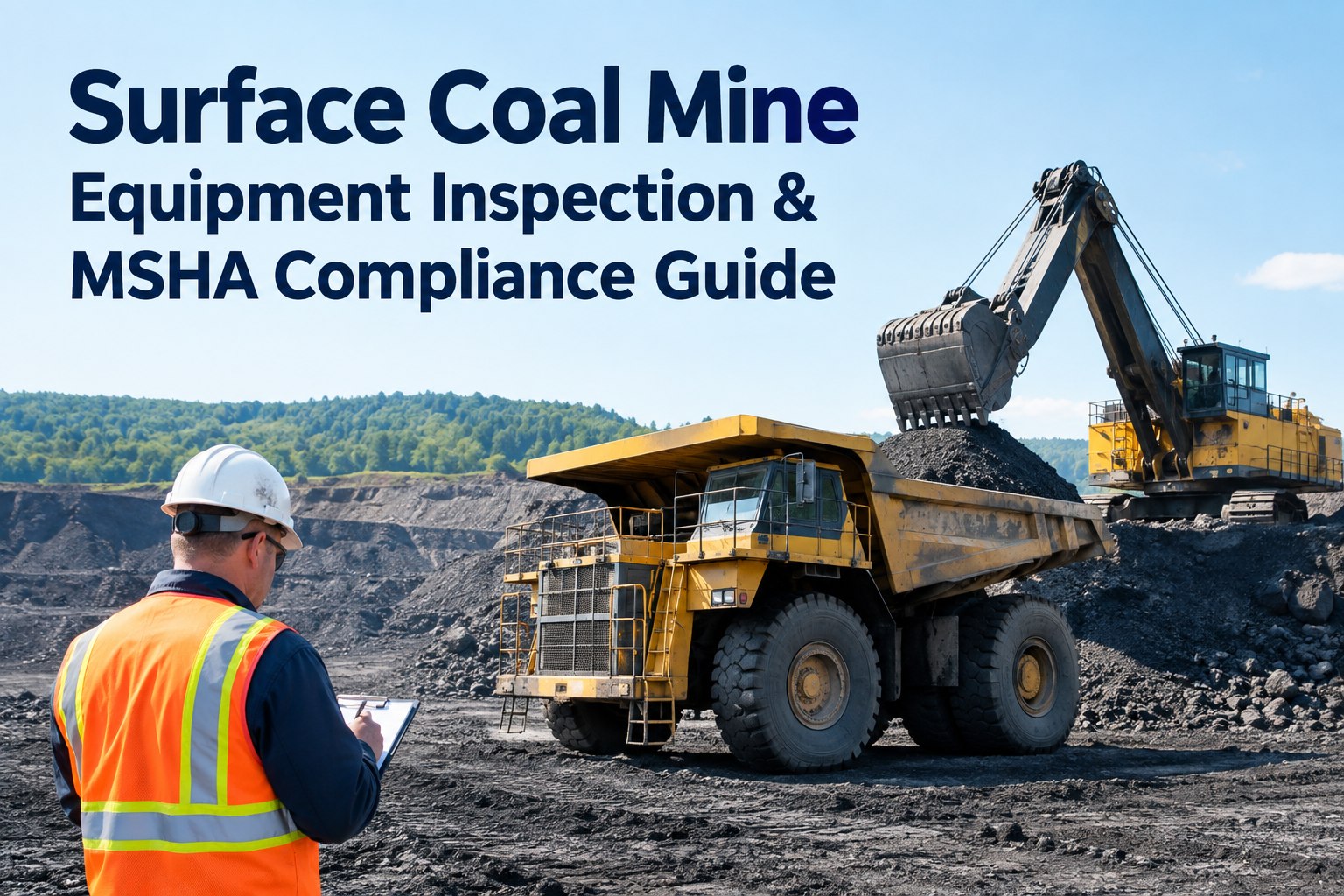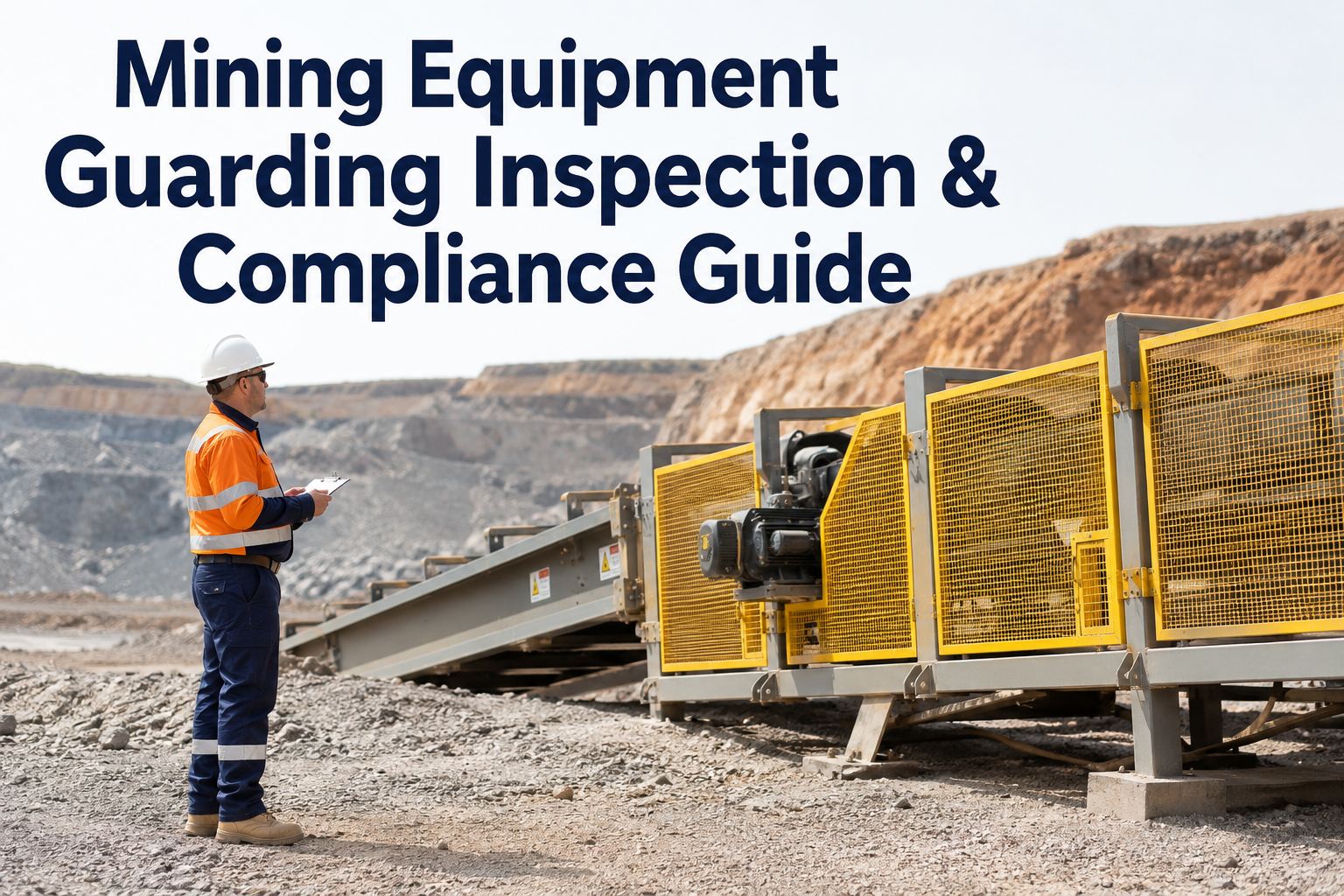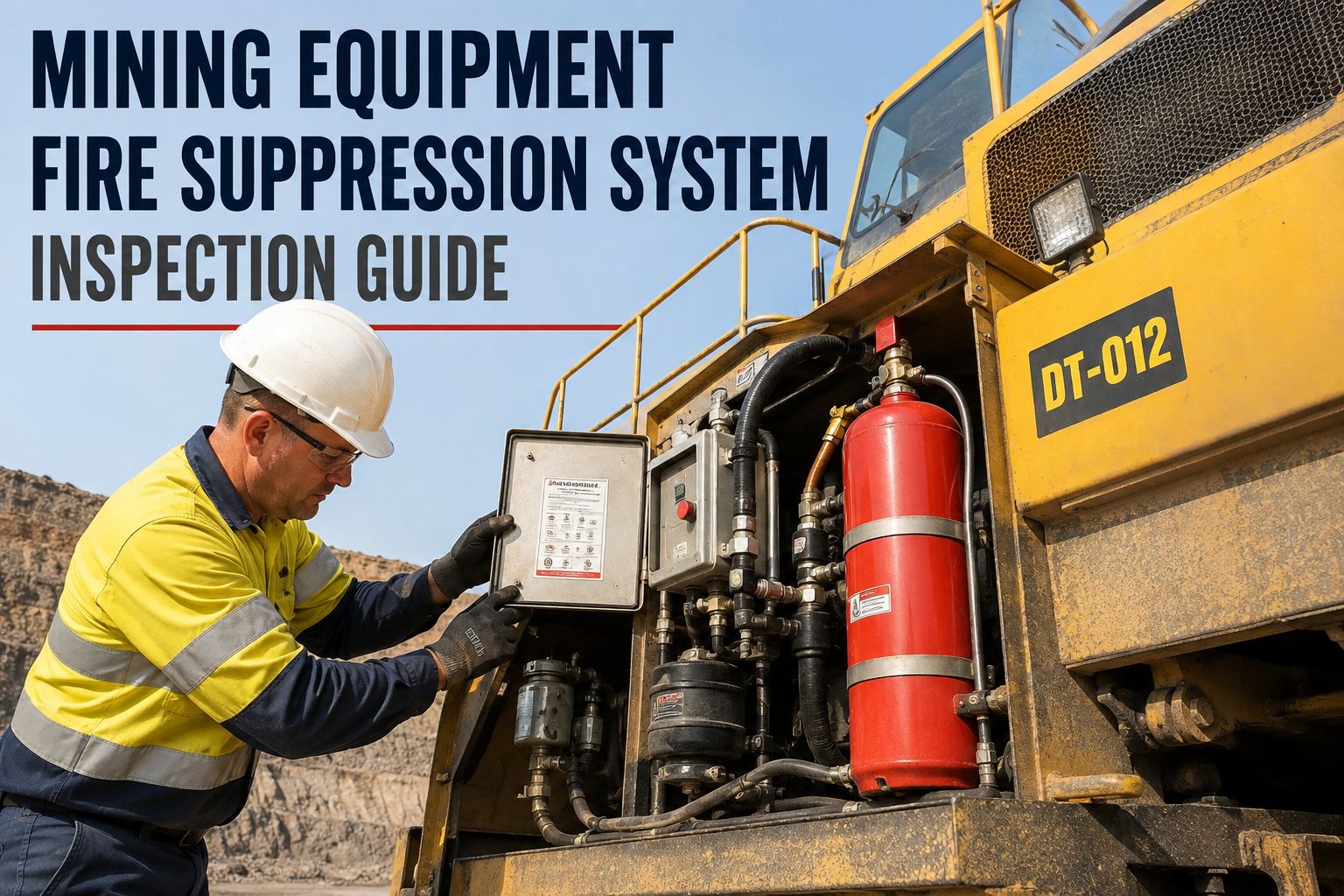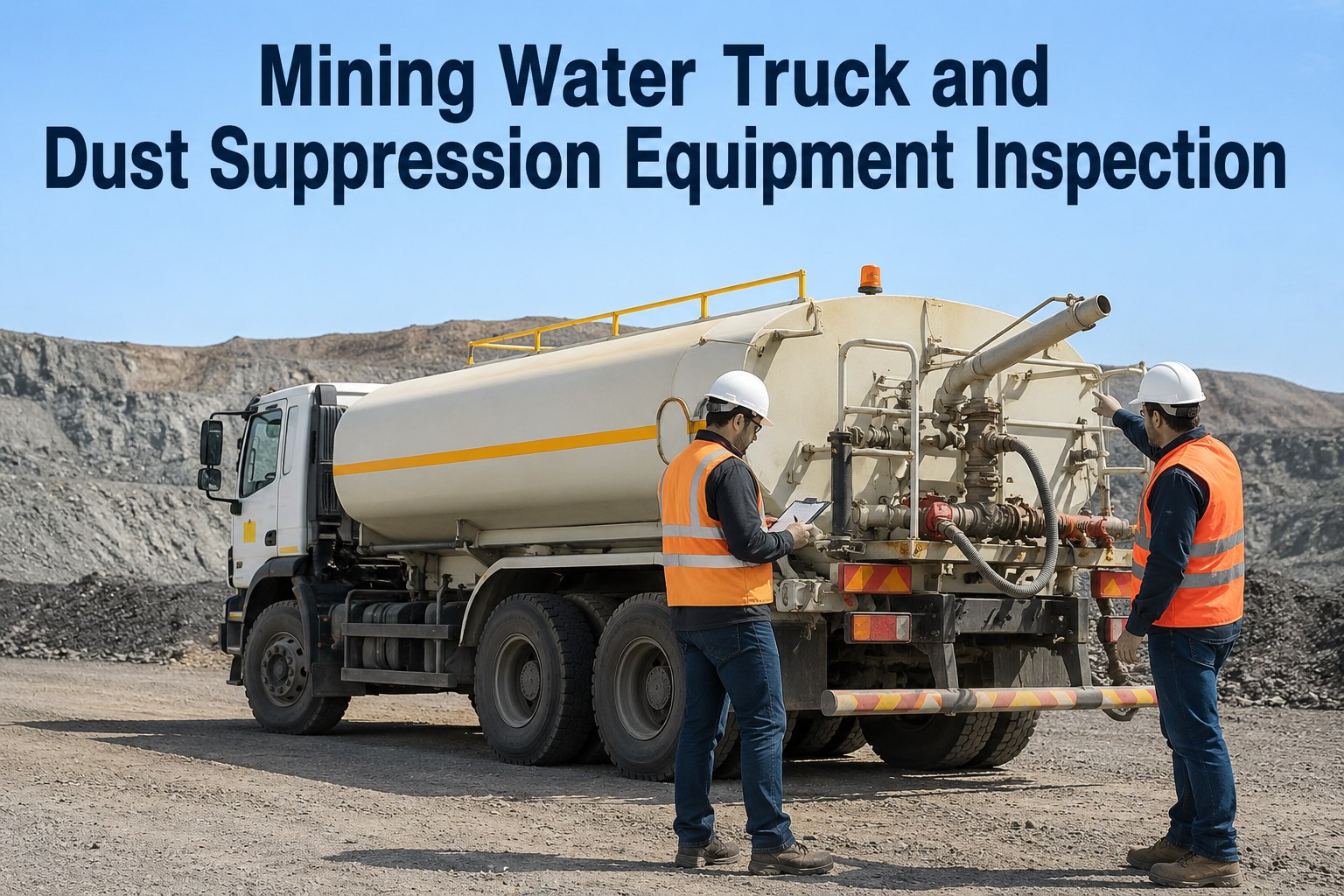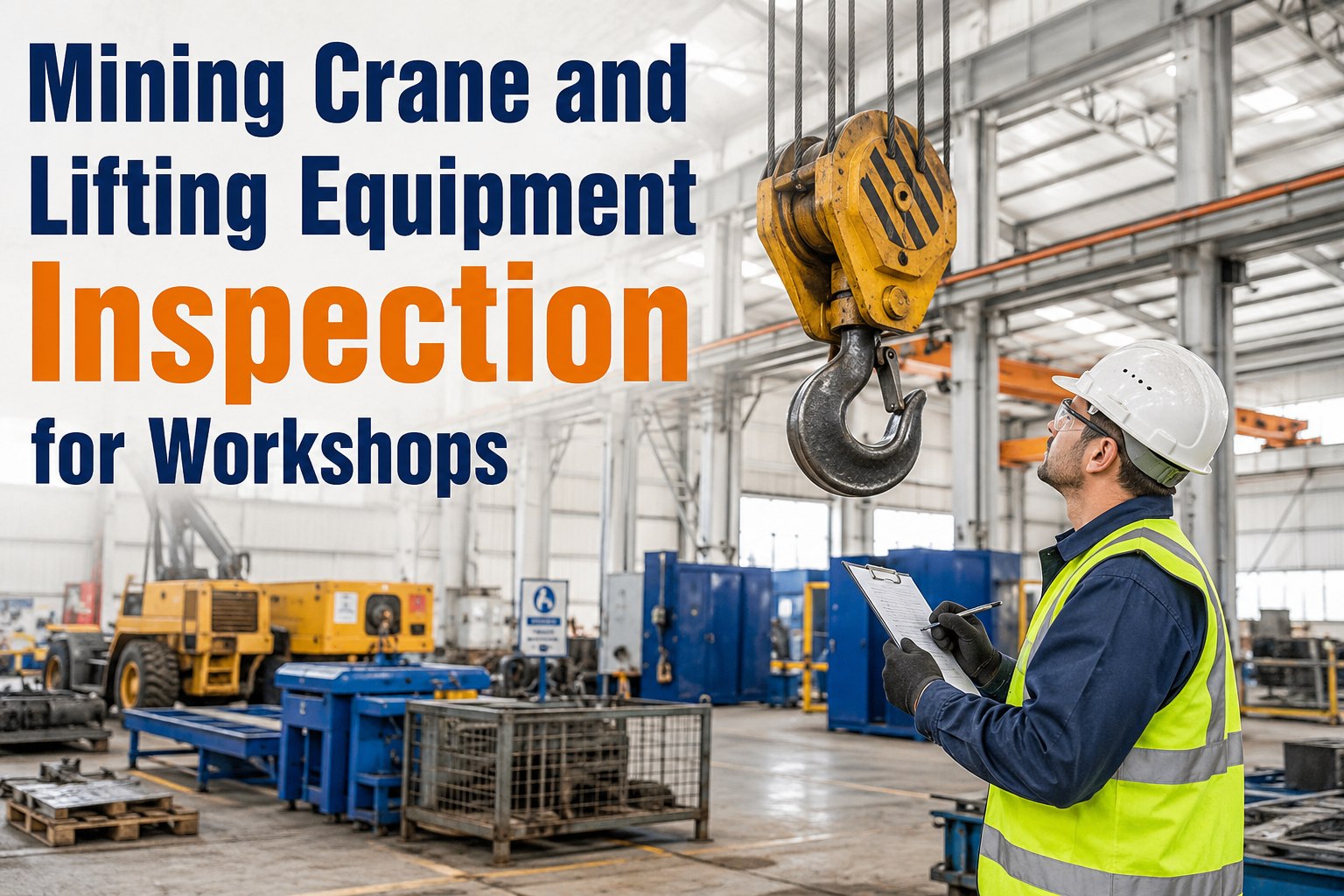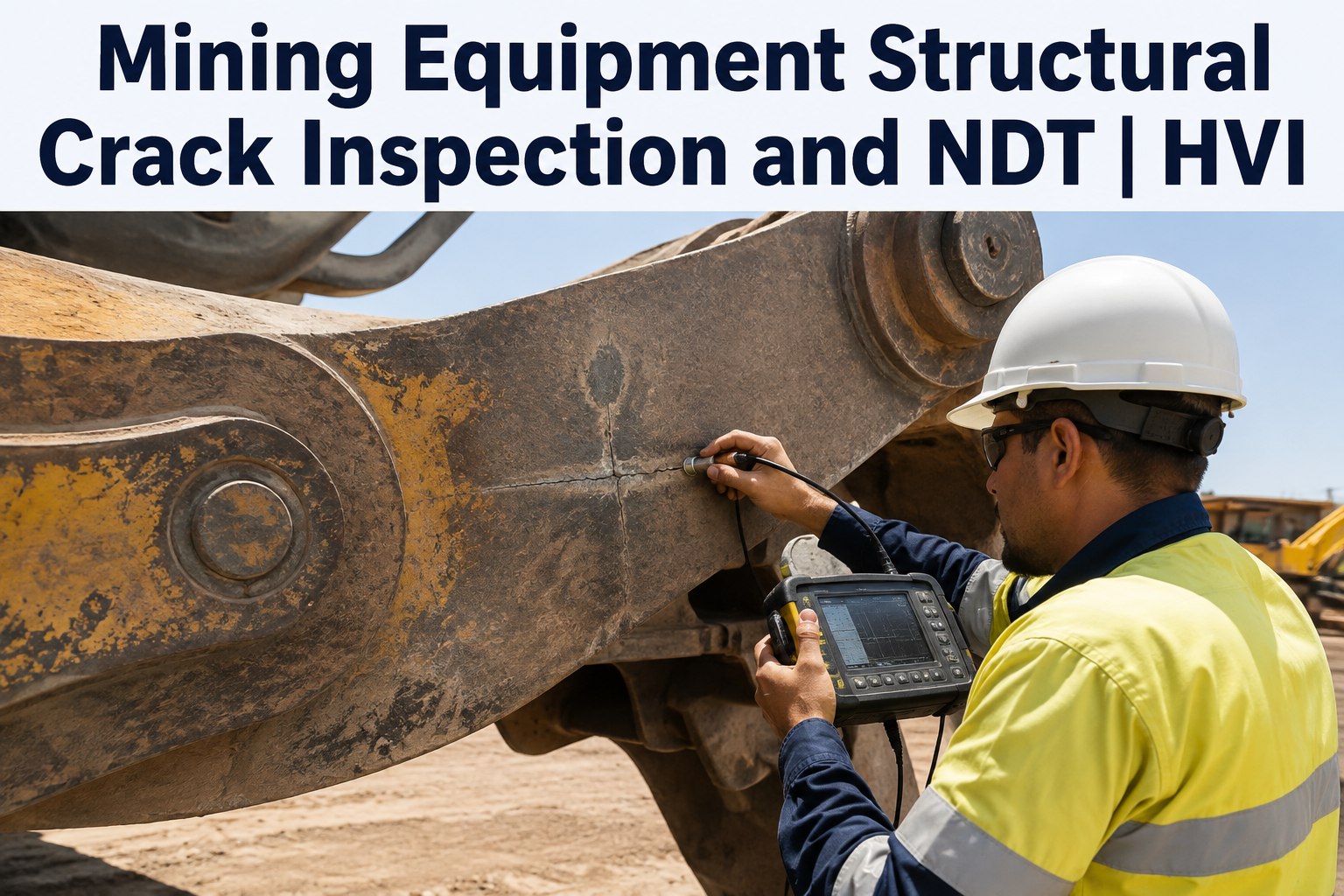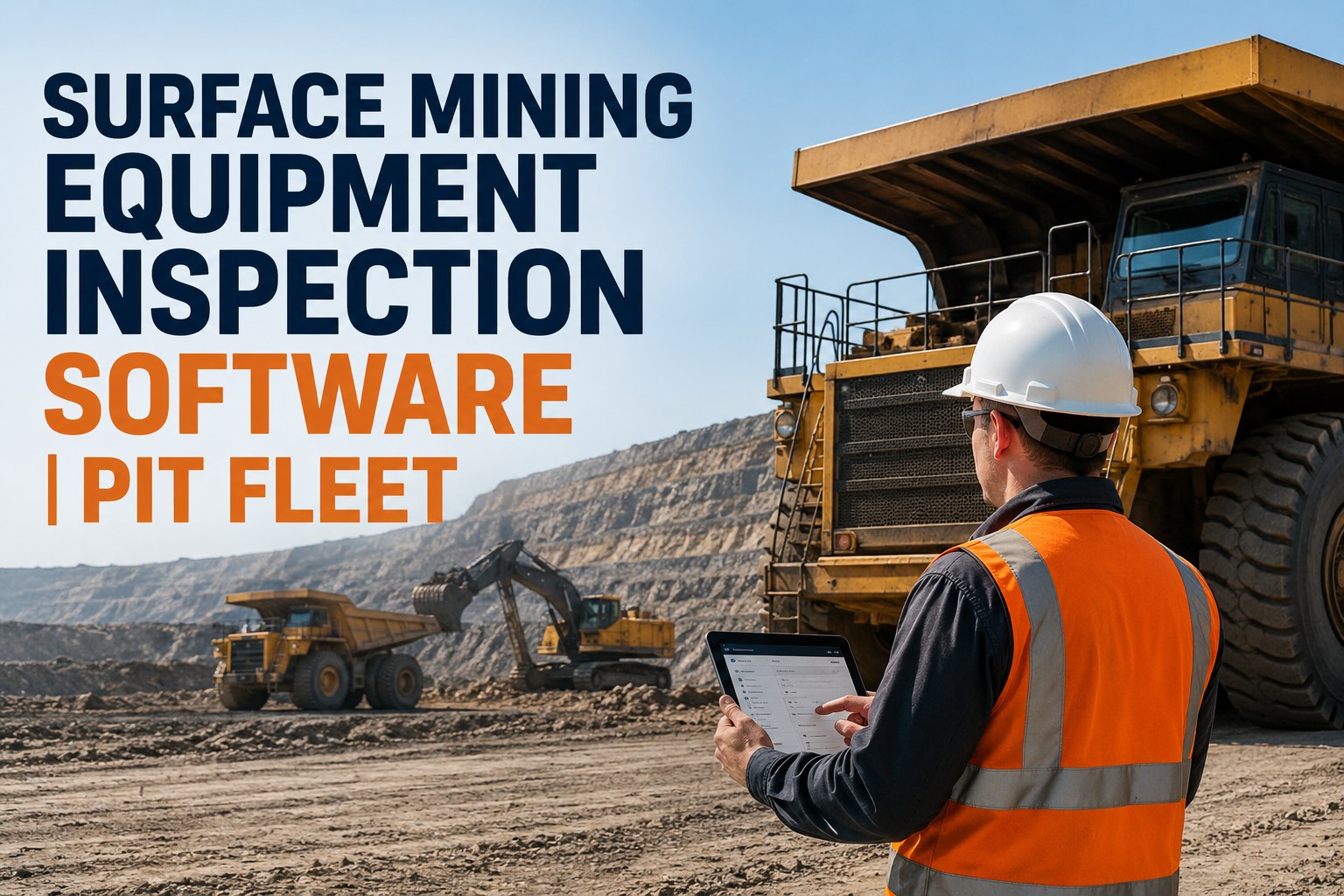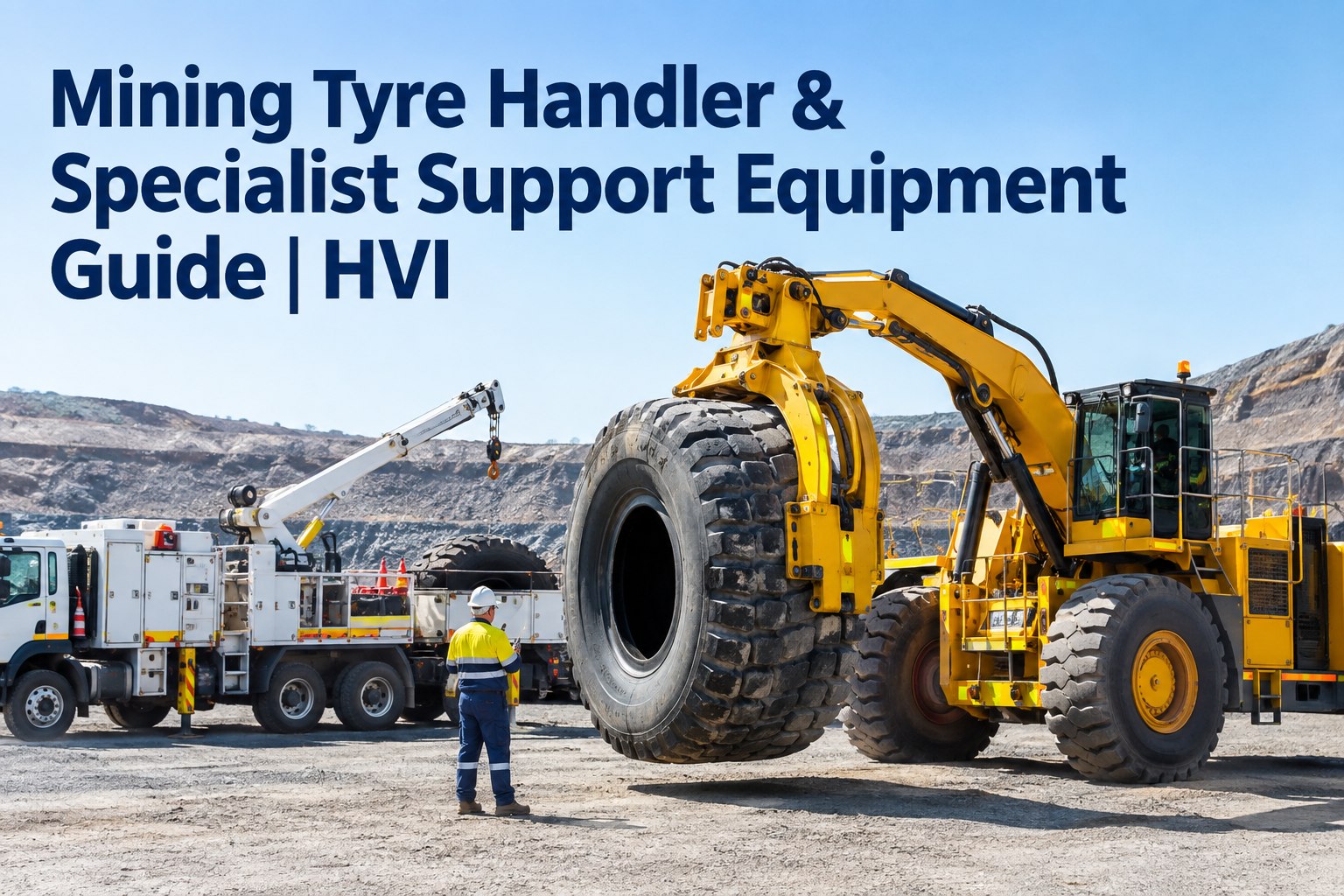
Your haul trucks get inspected every shift. Your loaders have PM schedules down to the engine hour. But the mining tyre handler parked behind the workshop — the machine that lifts a five-tonne OTR tyre off a 240-tonne truck — often has no asset record at all. Neither does the boom truck, the service crane, or the lifting attachments hanging on the rack. That gap is exactly where an audit fails and an incident starts. This page walks through how specialist mining support equipment slips through the cracks, and how to bring it back into a real inspection and certification system. Book a demo once you've seen what's missing.
Tyre handlers, boom trucks, service cranes and lifting attachments keep production moving — yet they're the assets most likely to be missing from your inspection and compliance records.
A mining tyre handler is not a nice-to-have. When a haul truck drops a tyre on a remote pad, the handler, the service crane and the attachments are what get it back in service. If any one of those is sitting with a cracked weld, a frayed sling or an expired inspection certificate, the whole recovery stalls — and now you've got a five-tonne load being maneuvered by gear nobody signed off on.
Why Specialist Support Equipment Falls Through the Cracks
Production assets get attention because their downtime is loud — a parked haul truck is an obvious hole in the daily plan. Support equipment fails quietly. It works when needed, gets parked when not, and rarely lands on anyone's inspection schedule. Three structural gaps cause it:
It's not a production number
Availability reports track trucks, loaders and diggers. A tyre handler or field maintenance unit doesn't move ore, so it never shows up on the dashboard the site actually watches.
It lives on paper or nowhere
Lifting registers and crane certificates end up in a binder in the workshop office or a spreadsheet one person owns. When they leave, the register goes dark — and expiry dates stop getting watched.
It's owned by a contractor
Tyre crews and field service are often contracted. Everyone assumes the other party holds the inspection records — until an auditor asks and nobody can produce them.
Bring these assets into the same system as your production fleet and the excuse disappears. Every tyre handler, boom truck and attachment gets its own asset record, its own inspection template and its own certification clock. Book a demo to see specialist assets set up alongside your haul fleet
The specialist support fleetthe machines that keep production running — and what each one needs on record
"Support equipment" isn't one thing. It's a stack of very different machines, each with its own failure modes, inspection focus and compliance obligation. Here's the core of a typical mine support fleet and what an inspection and maintenance system should hold for each.
Tyre Handler / Manipulator
Grips, tilts, rotates and side-shifts OTR tyres weighing several tonnes. Hydraulics under enormous load; clamp cylinders and pads are the safety-critical parts.
Boom Truck / Service Crane
Mounts on a mechanic truck to lift transmissions, wheels and components in the field. Boom, wire rope, hook and load chart are the inspection heart.
Field Maintenance Unit
A mobile workshop — compressor, welder, tooling and often a crane on one chassis. Multiple systems, each needing its own check line.
Lifting Attachments
Slings, shackles, crane jibs, fork frames, spreader bars. Small items, huge consequences — a failed sling under a five-tonne load is catastrophic.
Each of these deserves its own asset record — not a shared line in the truck fleet's spreadsheet. When a manipulator's clamp cylinder starts weeping or a sling's inspection tag expires, the person on shift needs to see it before they pick up a load, not after. Start free and give each support asset its own record
Lifting is a safety issuenot just a maintenance task — the checks that keep a five-tonne load off someone's foot
Industry safety guidance is blunt on this point: purpose-built tyre handlers exist so that a job which once needed several people and crane rigging can be done safely by one trained operator — but only if the equipment itself is sound. When a service crane's boom can drop while a mechanic positions a transmission, the inspection isn't paperwork. It's the difference between a normal shift and a fatality. These are the non-negotiable check lines for the lifting side of your support fleet.
In the US, mobile and boom-truck cranes fall under OSHA inspection requirements — documented pre-shift, monthly and annual checks by a competent person, with records retained. Slings and rigging carry their own standard. Getting every one of these onto a phone that works offline, with a photo attached to each flagged item, is what turns a binder full of expired certificates into a live register. Book a demo to see a lifting register that flags expiries before the shift
The stakes attached to a working handlerwhy parked support gear is more expensive than it looks
The tyre handler doesn't earn revenue — but everything it touches does. Put a number on what's riding on it and the "we'll inspect it next month" attitude gets harder to defend.
A haul truck sitting on a flat is losing production every hour. If the machine meant to rescue it is itself out of service — or worse, out of certification and legally unusable — the delay compounds. Reliable support equipment is what keeps a tyre change from becoming a shift-long outage. That reliability comes from the same boring discipline that runs your production fleet: scheduled inspections, tracked meter hours, and defects that get actioned instead of parked. Start free and put your support fleet on a real PM schedule
From a maintenance manager who audited the support fleet
We had 62 pieces of production gear in the system and thought we were on top of it. Then an auditor asked to see the lifting register for the tyre handler and the two mechanic trucks. We had certificates — somewhere. One was eleven months out of date and nobody had noticed because it lived in a spreadsheet the old workshop supervisor kept.
What bothered me most wasn't the audit finding. It was realising we'd been lifting five-tonne tyres on a machine whose last proper inspection I couldn't actually prove. Now every support asset has its own record and the expiry alerts come to my phone. It's the same system as the haul trucks — it just took someone asking the right question to make us treat it that way.
Frequently asked questions
What is a mining tyre handler and why does it need its own inspection record?
A mining tyre handler (or tyre manipulator) is a hydraulic machine — often an attachment on a loader, telehandler or tool carrier, or a purpose-built unit — that grips, tilts, rotates and side-shifts the enormous off-the-road (OTR) tyres used on haul trucks and loaders. Those tyres can weigh four to five and a half tonnes each, so the handler is lifting a load that would injure or kill a crew if it were done manually. It needs its own asset record because its safety-critical parts — clamp cylinders, pads, pins and hydraulics — wear and fail in ways completely different from the haul truck it services. Sharing a line with production equipment, or having no record at all, means those failure modes go unwatched. A dedicated inspection template, meter-hour tracking and a defect log keep the machine that handles your most expensive consumables from becoming the weak link in the whole tyre-change process.
Do service cranes and boom trucks on mine sites legally need inspections?
Yes. In the US, mobile cranes — including truck-mounted and boom-truck cranes — fall under OSHA's crane standards, which require documented inspections on a pre-shift, monthly and annual basis, carried out by a competent person, with records retained. OSHA doesn't require the crane itself to be "certified," but it does require those routine inspections to happen and be documented. Service cranes on mechanic trucks have drawn specific safety attention after incidents where a boom dropped while positioning a heavy component, and MSHA has issued hazard alerts covering exactly this scenario on mine sites. Beyond the US, regions such as Australia, Canada and South Africa have their own lifting-equipment and plant inspection regimes. The practical takeaway is the same everywhere: every lifting machine and attachment needs a documented inspection history and an operator who checks it before the lift. Storing that history digitally, with expiry alerts, is far safer than a binder that only gets opened when an auditor asks.
How do you track certification expiry for lifting equipment and attachments?
The reliable way is to give every certifiable item — crane, handler, sling, shackle, spreader bar — its own record with the inspection date, the interval, and the next-due date stored against it, then have the system push an alert before that date arrives rather than relying on someone to scan a spreadsheet. Manual registers fail in one predictable way: the person who owns the spreadsheet leaves, or simply gets busy, and an expiry slips by unnoticed. That's how a lifting certificate ends up eleven months out of date. A digital system watches every date at once and warns you weeks ahead, so the recertification gets booked while the machine is still legal to use. HVI handles this with certification tracking and automatic expiry alerts, and lets you attach photo evidence of the inspection tag or the certificate itself to the asset record. You can book a demo to see how the expiry alerts and evidence trail work together on a support fleet.
Why does specialist support equipment get missed in normal fleet inspections?
Because it doesn't move ore. Production fleets — haul trucks, excavators, loaders, dozers — get daily attention because their downtime shows up immediately on the production plan. Support equipment works when called and sits when not, so it rarely lands on the same inspection schedule. Add two more factors: lifting registers and crane certificates often live on paper or in a single person's spreadsheet rather than in the fleet system, and much of this gear is owned or run by contractors, so each party assumes the other holds the records. The result is a category of high-consequence equipment — the machines lifting multi-tonne loads — operating with the least oversight. The fix is structural, not motivational: pull tyre handlers, boom trucks, field units and attachments into the same platform as the production fleet, each with its own template and certification clock, so they can't quietly drop off the radar.
Can inspections be done on remote pads with no signal?
This matters more for support equipment than almost anything else, because tyre changes and field repairs happen wherever a truck goes down — often at the far edge of a pit or on a haul road kilometres from the workshop, with no reliable connection. An inspection tool that only works online is useless there. HVI works offline: the operator completes the inspection on the tyre handler, boom truck or field unit, attaches photos of any defect or the lifting tag, and the record syncs automatically once the device is back in coverage. Nothing is lost and nothing has to be re-entered from a paper note later. For a support fleet that spends its working life away from the office, offline capture with photo evidence is the feature that makes digital records actually stick instead of quietly reverting to paper. It's also what keeps the certification and defect history complete enough to stand up in an audit.
Every tyre handler, crane and attachment — on record, in date, in one place
HVI gives specialist mining support equipment its own asset records, custom inspection templates, certification and expiry tracking, photo evidence and full offline capture in the field. The gear that keeps your haul fleet running finally gets the same discipline your haul fleet already has — and the audit finding disappears before it happens.
Custom templates · Offline capture · Certification alerts from day one