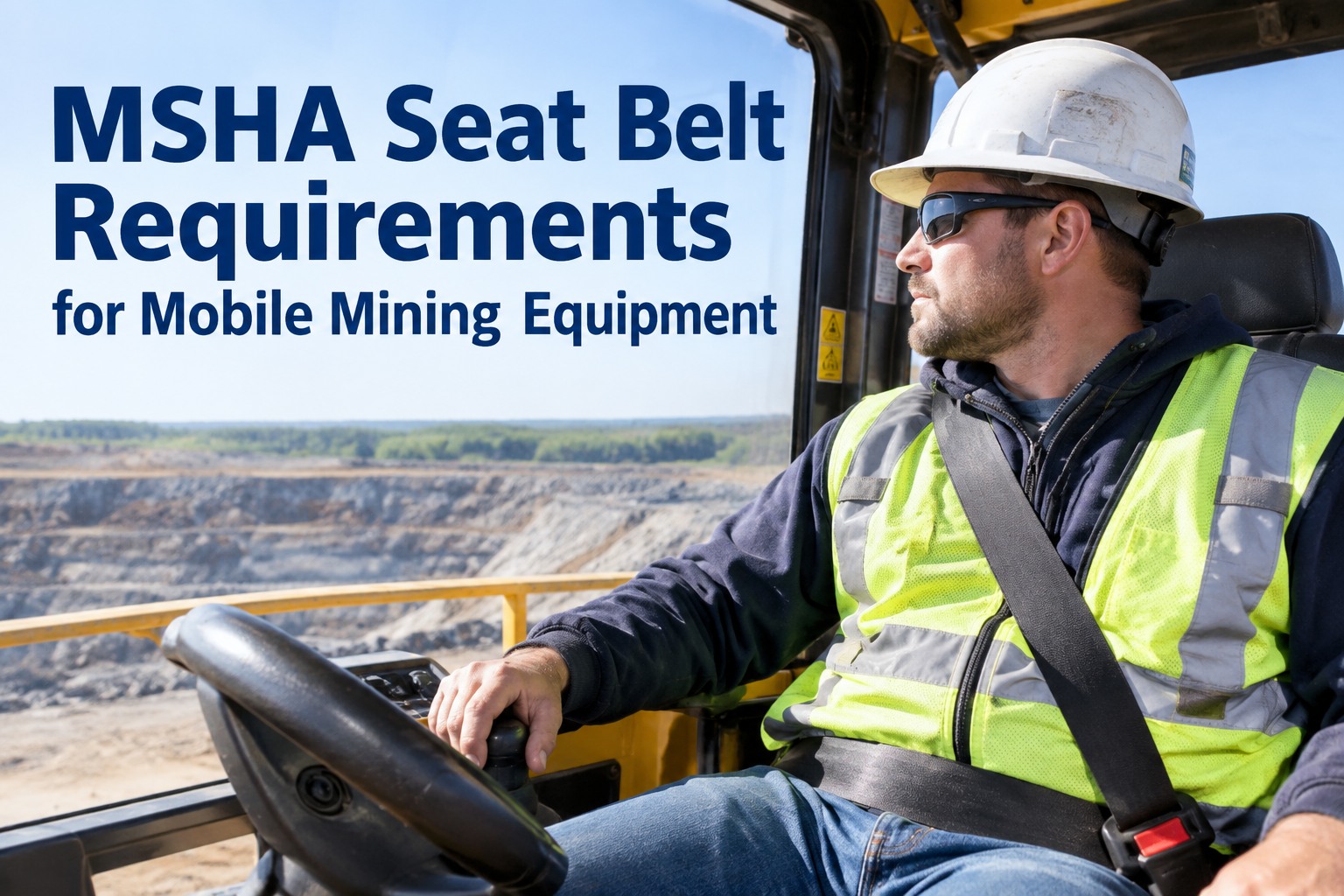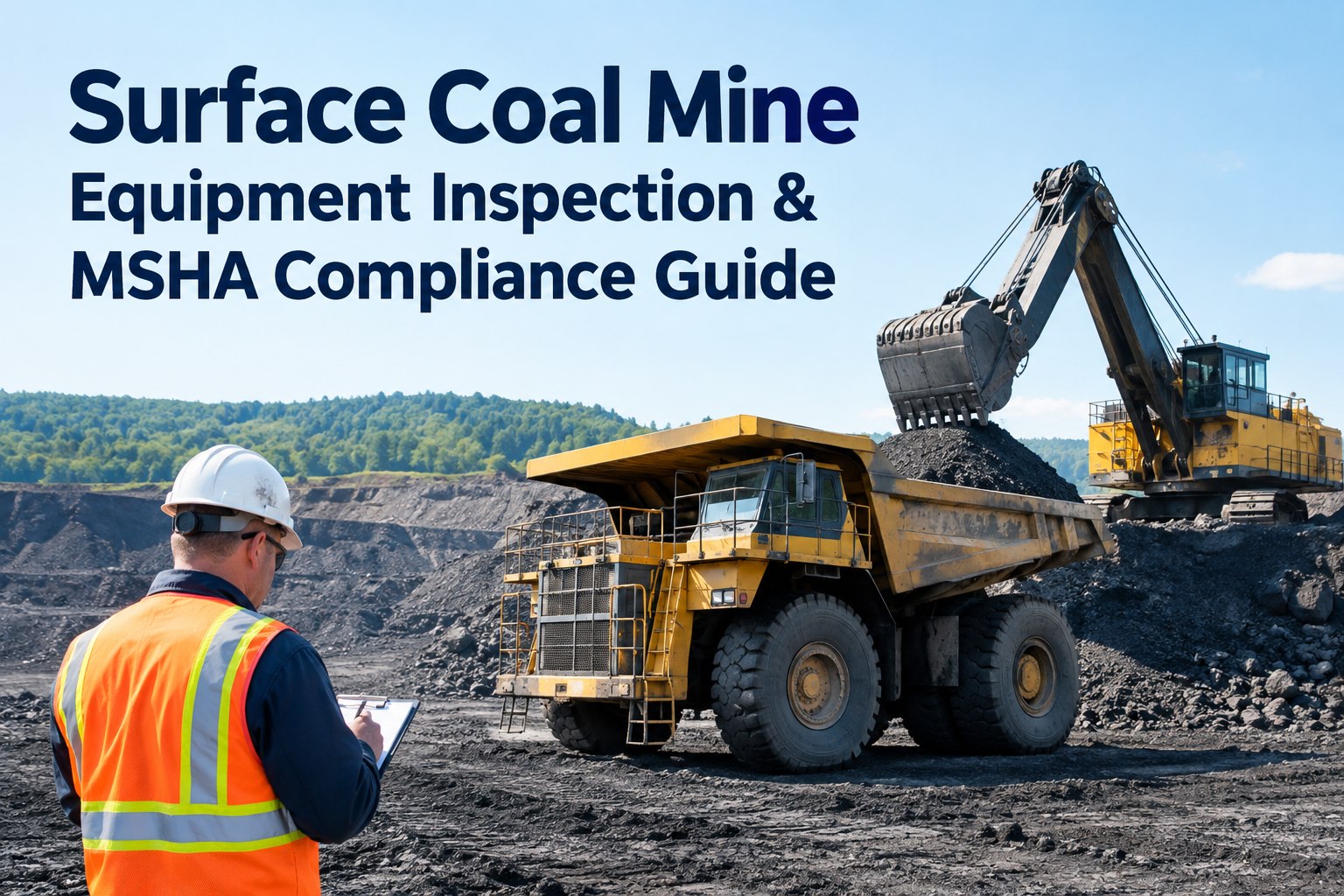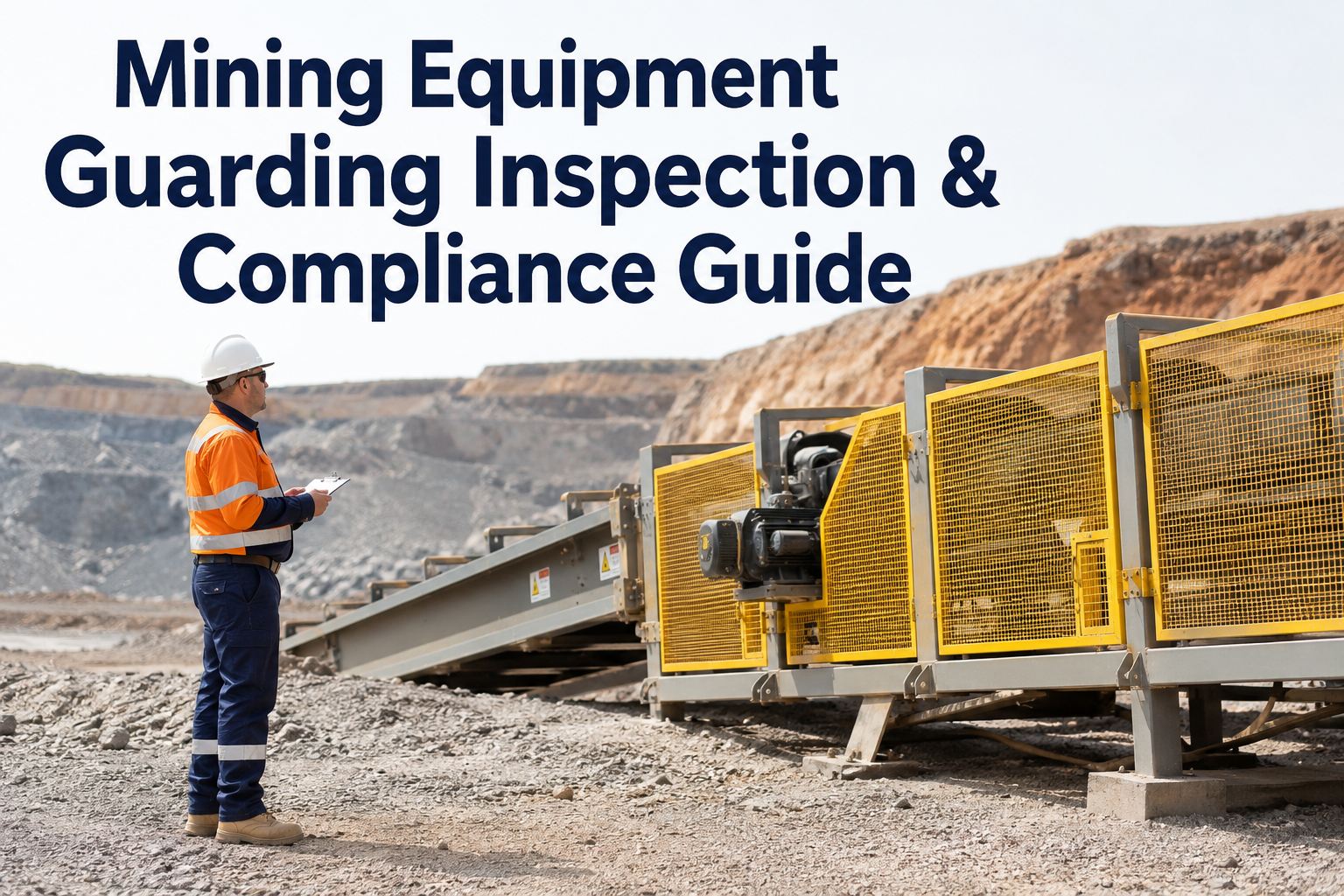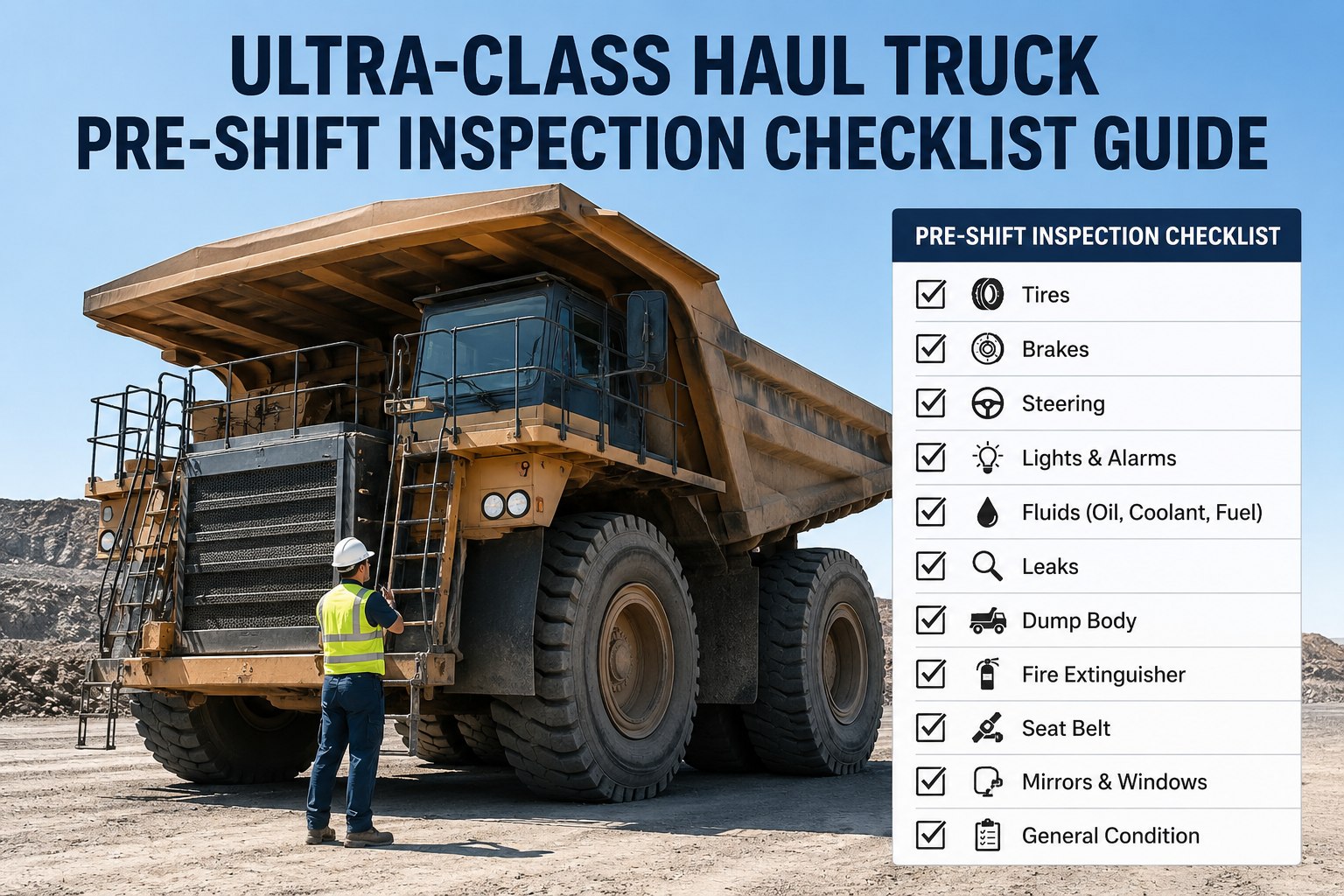
A heavy haul truck operator sits over 15 feet in the air, managing massive blind spots that can easily conceal a pickup truck, a grader, or ground workers. MSHA cab visibility requirements dictate that all windows, wipers, and mirrors must be perfectly maintained to prevent catastrophic struck-by accidents. Pencil-whipping pre-shift checks puts both lives and compliance at severe risk. Book a demo to see how digital DVIRs mandate real visual proof of cab safety
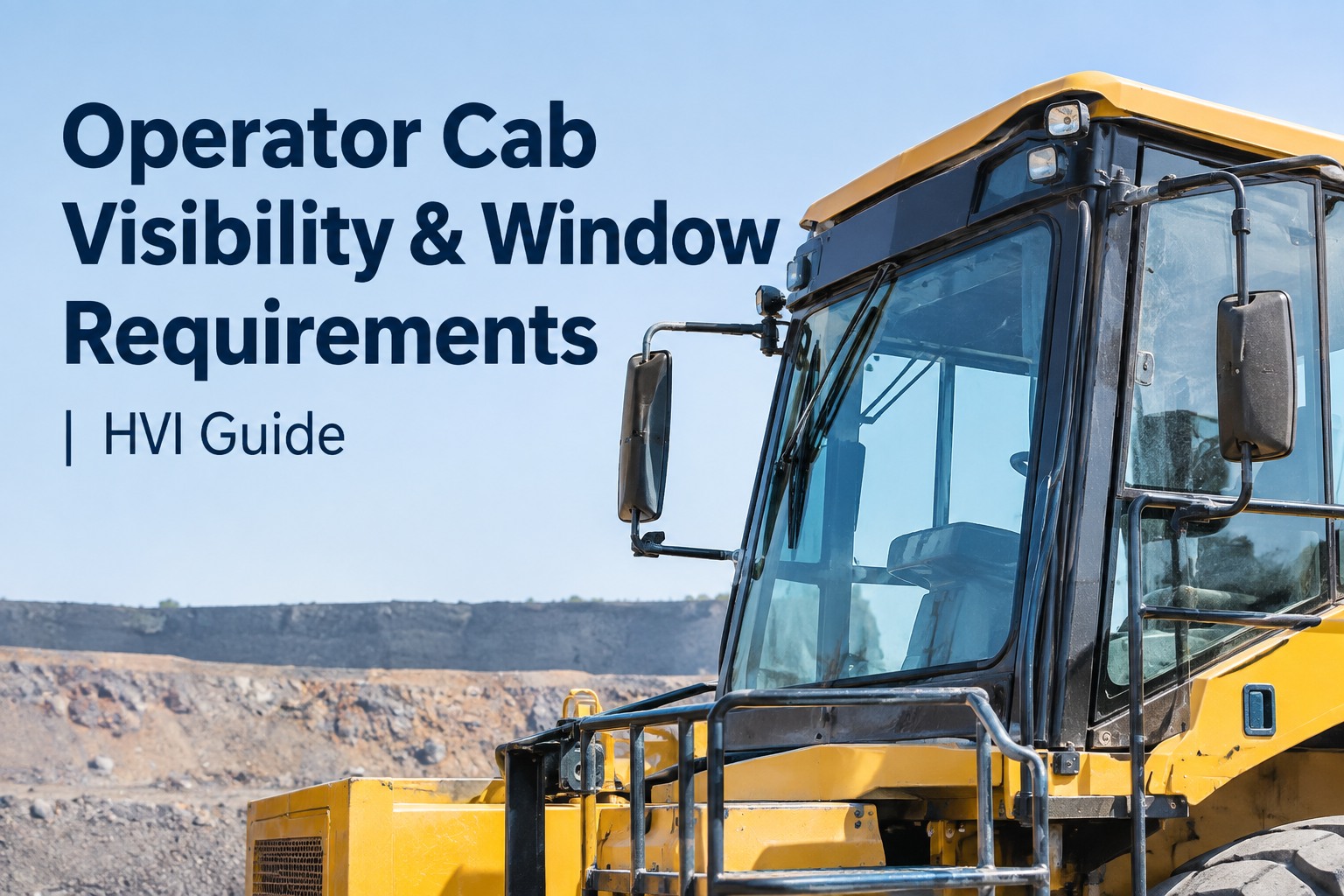
Operator Cab Visibility & Window Requirements
Mining equipment blind spots can extend up to 160 feet. Learn how to inspect, document, and maintain compliant windows, wipers, and mirrors to protect ground crews and ace your next audit.
The Fatal Geometry of Mining Equipment
Operating heavy mining equipment is an exercise in managing extreme blind spots. According to NIOSH and MSHA data, powered haulage and struck-by incidents consistently account for roughly 50% of all fatal surface mining accidents.
Haul Truck Blind Spot Zones
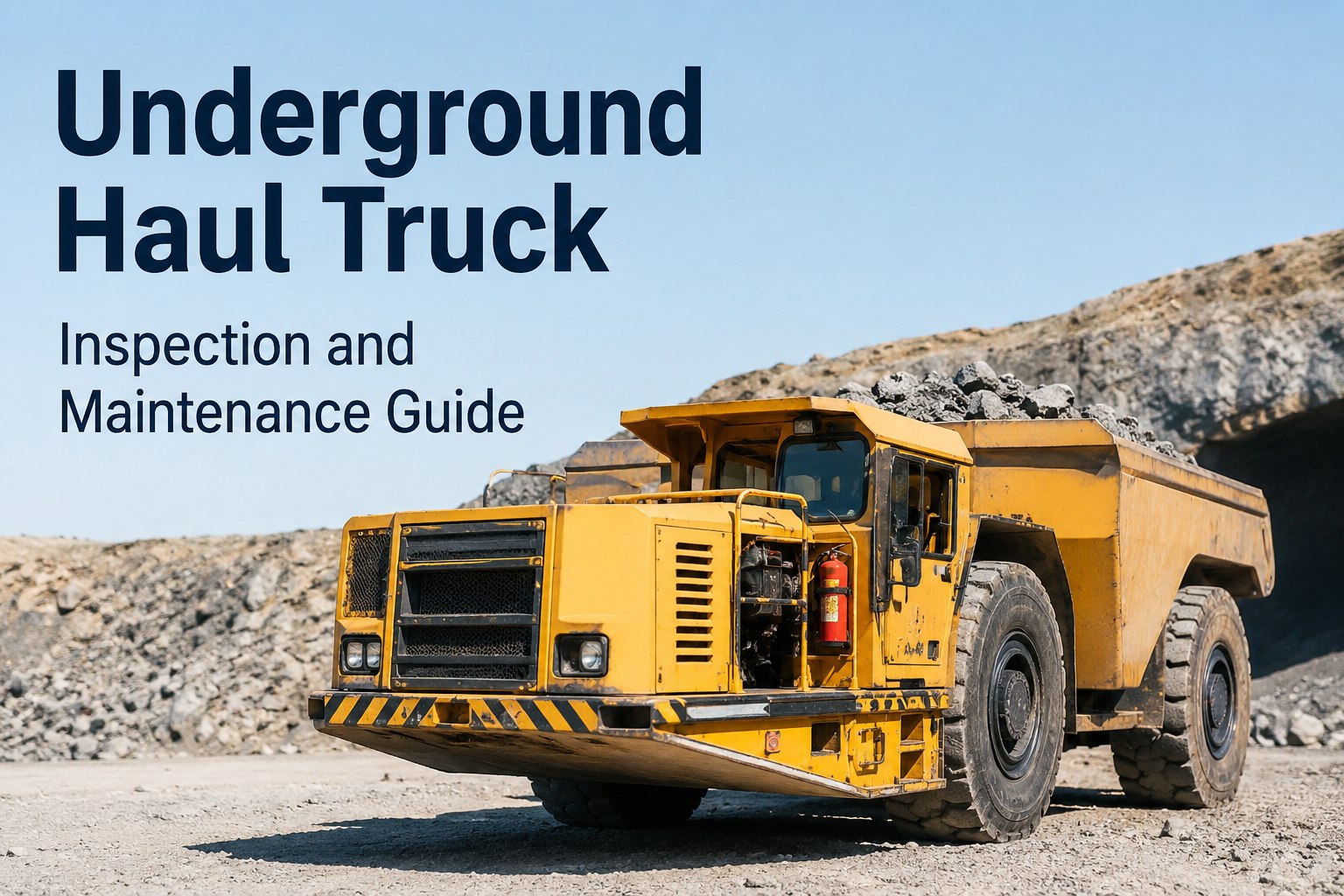
A standard 400-ton haul truck requires pristine glass and mirrors, as the operator cannot see ground-level hazards directly around the chassis.
When a windshield is cracked or obscured by mud, reaction time plummets. Book a demo to deploy digital DVIRs requiring daily photo evidence
MSHA Cab Window & Visibility Standards
MSHA regulations mandate strict requirements for the glazing (glass) and visibility components of mobile equipment cabs. If pre-shift inspections skip these checks, your equipment is vulnerable to citations and accidents.
1. Intact Safety Glass
Windows must be made of safety glass that will not shatter into sharp shards. Glass must be replaced if cracked or pitted to the extent that it obscures vision. Star cracks in the line of sight are immediate out-of-service criteria.
2. Wipers & Washers
Vehicles equipped with a windshield must have functional wipers. In dusty mining environments, washer fluid pumps and nozzles must be fully operational. A streaking wiper blade puts operators at immense risk.
3. Mirrors & Cameras
Heavy equipment must have adequate mirrors for rearward visibility. Mirrors cannot be cracked, loose, or out of adjustment. If backup cameras are used, lenses must be wiped clean daily.
Digital DVIRs: Transforming Compliance
A paper inspection form cannot prove a windshield was clean when a shift started. If an accident occurs and an investigator finds mud caked over the operator's line of sight, a checked box offers zero legal defense. You need systematic accountability.
Paper-Based Danger
- Operators "tick and flick" window checks without looking.
- Cracked mirrors go unreported until MSHA issues a citation.
- Wiper fluid pumps remain broken due to lost paper forms.
- No verifiable proof of compliance during incident investigations.
HVI Digital Safety Platform
- Signed PDF inspection reports capture window conditions with photos[cite: 1].
- Generate one-click work orders instantly from failed visibility checks[cite: 1].
- Reduce annual maintenance costs by 25% with PM schedules for wiper/filter replacement[cite: 1].
- Achieve an average 3-month ROI by eliminating paperwork and audit fines[cite: 1].
Book a Demo to explore how automated defect routing replaces broken mirrors faster