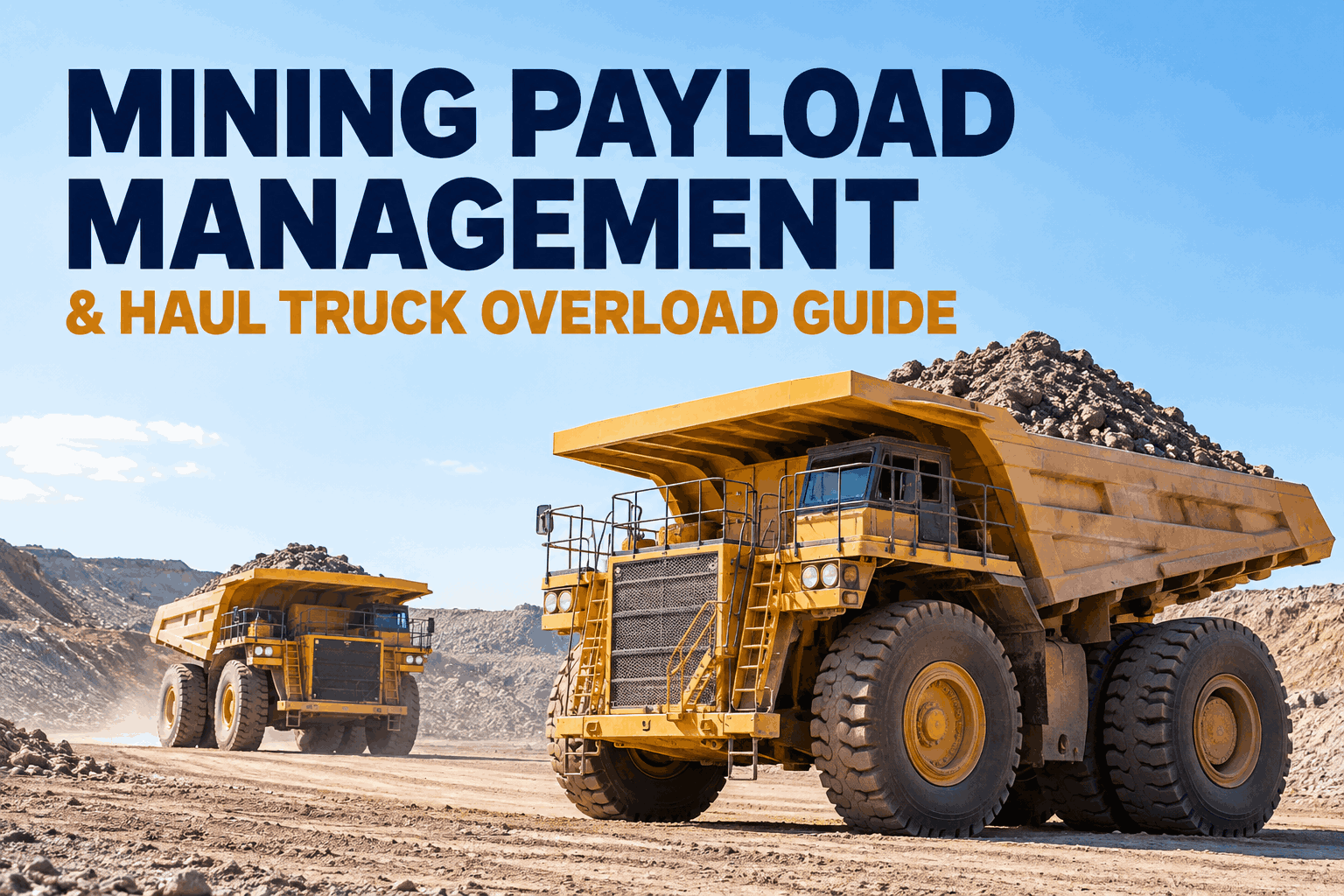
Payload management is the quiet lever that decides whether a haul truck earns its keep or wears out early. Load it light and you leave tonnes on the table every cycle; load it heavy and you trade short-term production for cracked frames, blown struts and tires that die before their time. Mining payload management is about living in the narrow band between the two, and keeping the trucks healthy when loads run hot. Here's what overloading really costs — or book a demo of the maintenance side.
Load for tonnes. Maintain for life.
Every load that runs over target buys a little production now and pays for it later in frames, struts and tires. Payload management is holding the sweet spot — and when loads do run hot, catching the wear before it becomes downtime.
Where software helps and where it doesn't, up front: HVI is not an on-board payload-weighing or real-time payload-monitoring system. It doesn't weigh loads at the shovel, flag an overload as it's tipped in, or replace the OEM and scale systems that do that. What HVI owns is the other half of the problem — the maintenance consequences of how you load. It tracks the inspections, preventive maintenance and records for the exact components overloading punishes, and surfaces the pattern in your fleet data. On-board systems tell you a load was heavy; HVI helps you manage what that heavy load does to the truck. Book a demo of equipment inspections to see it.
What overloading actually coststhe wear points behind haul truck payload management
An overloaded haul truck doesn't fail at the scale — it fails weeks later, in the components that carried the extra weight. These are where the bill comes due, and where inspection and PM earn their keep.
Frame & chassis fatigue
Repeated overloads crack welds and stress members — the damage that ends a truck's life early.
Suspension & struts
Over-pressured strut cylinders and bushings wear fast and ride rough, hammering everything above them.
Tires & TKPH
Extra load pushes tires past their tonne-km-per-hour limit, and tires are among a mine's biggest costs.
Brakes & retarders
More mass down every grade means more heat and faster brake and retarder wear — and a safety margin that shrinks.
Driveline & engine
Final drives, transmissions and engines all work harder under overload, burning more fuel and more life.
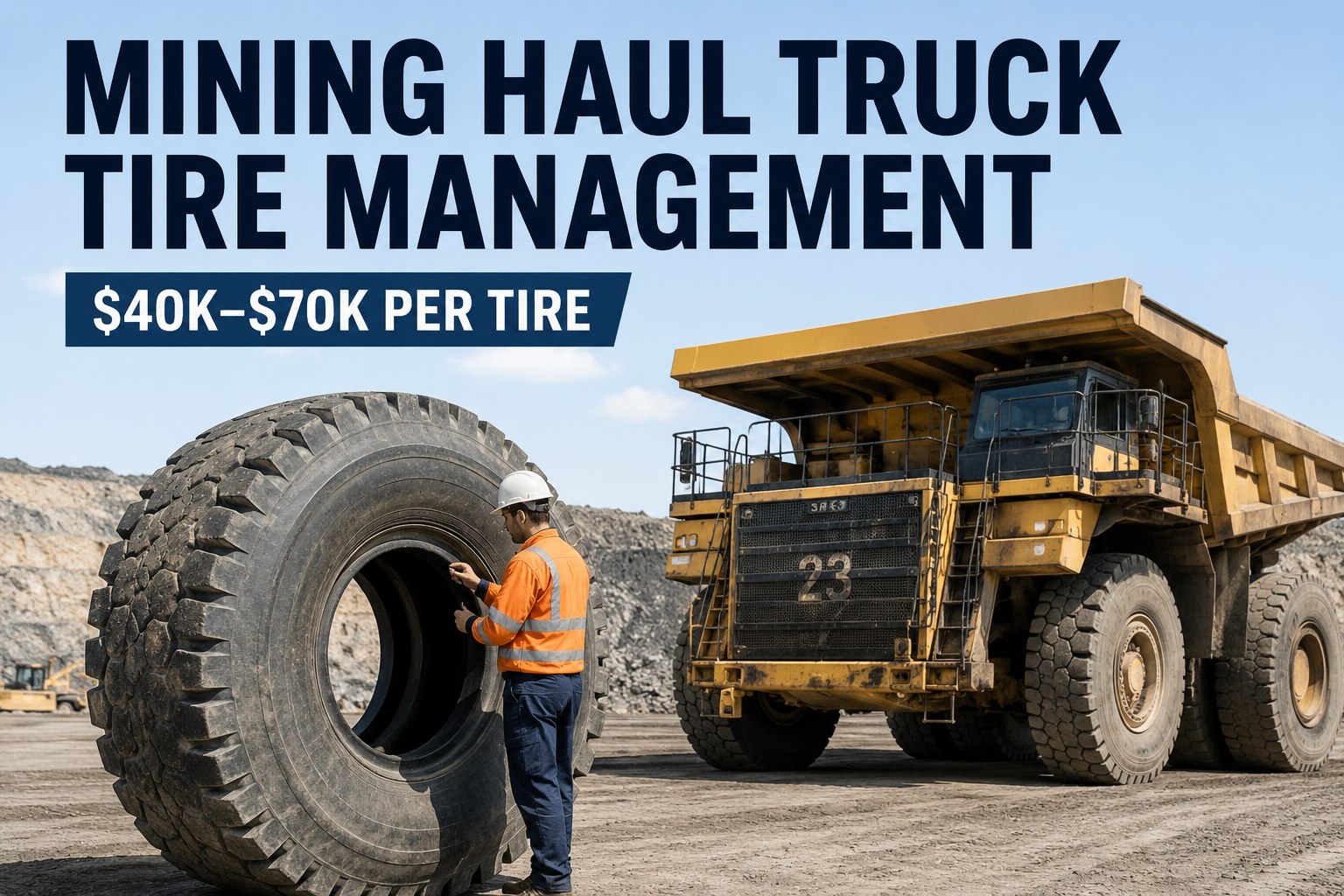
Tires alone can make or break a haul-fleet budget, which is why tire management and load discipline go hand in hand. Book a demo of fleet analytics to see the wear add up.
The 10/10/20 payload policythe industry rule that keeps payload management honest
Most haul-truck makers point to a simple payload discipline — often called the 10/10/20 policy — to protect frame and component life. It sets three limits on how loads are distributed around the target:
At or under target
The average payload across the fleet should not exceed the rated target.
May exceed 1.1×
No more than one load in ten should go above 110% of target.
Over 1.2×
No single load should ever exceed 120% of target — the hard ceiling.
On-board systems measure against those limits; your job is managing the consequences when they're breached. Keeping the inspection and service record tied to the trucks that run hot is how you protect both the fleet and the warranty. Start a free trial to log your haul-truck inspections.
How HVI manages the maintenance side of payloadthe features behind mining payload management that protect the fleet
HVI doesn't weigh the load — it manages what the load does. Five features keep the wear from overloading visible, inspected and serviced before it turns into failure.
Equipment inspections
Target the wear points — frame, struts, tires, brakes — with checks built for an overload-stressed truck.
Preventive maintenance
Service the hard-worked components on schedule, so overload wear is caught early, not at breakdown.
Analytics & reporting
Spot the trucks and crews whose wear is climbing, so you can link it back to loading practice.
Asset management
One record per truck ties hours, inspections and component history together for life-cycle decisions.
Maintenance records
A full, time-stamped service history per truck — the evidence behind warranty and life-cycle claims.
It's the same preventive maintenance and inspection backbone running the rest of your pit fleet. Book a demo of preventive maintenance.
What changes across the haul fleet
Longer component life
Catching overload wear early protects frames, struts and tires from early failure.
Less unplanned downtime
Wear found on inspection is a planned repair, not a breakdown on the ramp.
Loading linked to wear
Fleet data connects heavy-loading habits to the maintenance cost they create.
Warranty protected
A complete service record backs up life-cycle and warranty conversations with the OEM.
Manage the haul fleet's health alongside the rest of your mining operations. Start a free trial and track overload wear.
From a mine maintenance manager
We had the on-board payload data — we knew which trucks were running hot. What we didn't have was any link between that and what it was doing to the fleet. Struts were coming in early, we had a couple of frame cracks, tires weren't making their hours, and it was all treated as separate problems instead of one loading problem.
Putting the inspections and service history on one system per truck joined the dots. I can see which units take the heavy loads and target their inspections at the frame, struts and tires, catch the wear while it's still a repair, and show the numbers when we talk to operations about loading discipline. We don't weigh the loads — that's the on-board system's job — but we finally manage what the loads cost us.
Payload management in mining — FAQs
Does HVI weigh payloads or replace on-board payload monitoring?
No — that's an important distinction. HVI is not an on-board weighing or real-time payload-monitoring system. It doesn't measure load at the shovel or flag an overload as it happens; OEM and third-party payload systems do that. HVI manages the maintenance side: it targets inspections and preventive maintenance at the components overloading wears, keeps the service record per truck, and surfaces wear patterns in your fleet data. It works alongside your payload monitoring, not instead of it.
What is the 10/10/20 payload policy?
It's a widely used haul-truck loading discipline, associated with major OEMs, that protects frame and component life. In short: the mean payload should be at or under the rated target, no more than 10% of loads should exceed 110% of target, and no single load should ever exceed 120%. Payload monitoring systems measure against those limits; HVI's role is managing the equipment wear when loads push them.
Why does overloading damage haul trucks so much?
Because the extra mass flows into every load-bearing system at once. Frames and welds fatigue and crack, strut cylinders and bushings over-pressure and wear, tires exceed their tonne-km-per-hour rating, and brakes and drivelines run hotter down every grade. None of it fails at the scale — it fails weeks later as premature wear, which is exactly why inspection and PM targeted at those components matter so much.
How does HVI help with tire and component costs?
Tires and major components are among the biggest costs on a haul fleet, and overload shortens the life of both. HVI lets you schedule and record inspections and preventive maintenance for them, track wear per truck, and tie that history to the units running heavy loads. Seeing which trucks drive the component spend is what lets you act — on both the maintenance plan and the loading practice behind it.
Can it connect loading practice to maintenance cost?
Yes, through the fleet data. When inspections, wear and service history sit on one record per truck, patterns emerge — the units and crews whose component wear climbs faster. That gives maintenance and operations a shared, evidence-based view linking how trucks are loaded to what they cost to keep running, which is usually what turns a loading-discipline conversation from opinion into numbers.
Make payload management protect the fleet, not just the tonnes
Keep your on-board weighing where it is — and give the maintenance side a system that targets the wear overload causes, ties the record to the trucks that run hot, and shows what heavy loads really cost. Load for production, maintain for a long life.
Wear points inspected · PM on schedule · Service history per truck