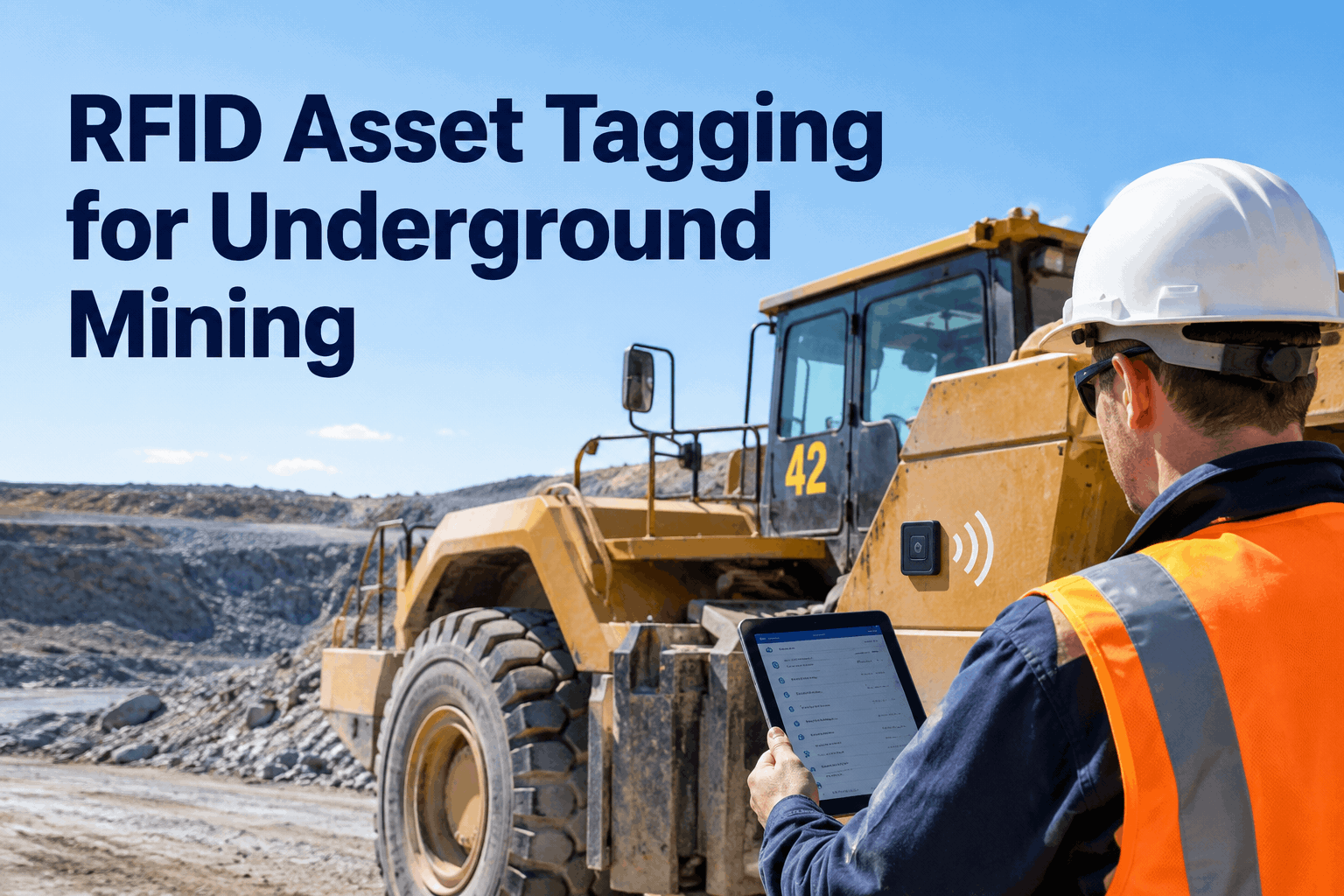
Underground, every machine looks like the last one — same model, same mud, same low light, no serial number you can read without crawling under it. So when a loader needs a service, the first problem isn't the repair — it's being certain which exact asset you're standing next to. RFID asset tagging for underground mining answers that instantly, and the real payoff is what the scan opens: that unit's full maintenance record. Book a demo to see a tag scan pull up an asset's history.
RFID Asset Tagging for Underground Mining — Where the Scan Meets the Record
A tag tells you which exact machine you're at; HVI tells you everything about it. Scan the asset and its inspections, maintenance history, open defects, and parts are right there — no serial-number hunt, no guesswork.
A tag is cheap and the idea is simple, but the value only shows up when the scan lands somewhere useful. Before the hardware conversation, it helps to be clear on what problem tagging actually solves underground — and what it doesn't.
What RFID actually solves underground
Above ground you can read a plate, snap a photo, or let GPS place a machine. Underground, none of that works reliably — there's no satellite signal, visibility is poor, and a dozen near-identical units move through the same drifts. A tag and a reader close that gap: the machine identifies itself, every time, without anyone squinting at a muddy serial number.
That last line is the point that gets missed: the tag's whole job is identity. On its own it tells you a unit passed a point — useful, but thin. It becomes powerful the moment that identity links to the asset's record, which is where an asset management system like HVI comes in. Book a demo to see the identity-to-record link.
Passive or active tags — which fits underground
Not all RFID is the same, and the choice shapes what you can do and what it costs. For a fleet manager weighing a tagging program, the split comes down to read range, battery, and price — matched to whether you're identifying an asset in hand or tracking it moving through the mine.
General RFID characteristics; exact read range, durability, and intrinsic-safety ratings for underground use depend on the tag, reader, and your site's conditions and regulations. HVI is the asset and maintenance record system — it does not supply RFID tags, readers, or the read infrastructure.
Whichever you choose, the tag ID is just a key — it has to unlock something. Many operations start with low-cost passive tags for identification and maintenance, then add active tracking later; both feed the same asset record. Sign up free and link your first tagged assets.
What a scan unlocks when the tag meets the record
Here's where tagging stops being inventory and starts being maintenance. When a tagged asset is scanned and that ID resolves to its record in HVI, a technician underground sees — in seconds — everything that used to mean a radio call or a trip to the surface office.
Inspection & PM status
When it was last checked, what's due, and whether it's safe to keep running this shift.
Open defects & work orders
What's already been reported, so nobody duplicates a fault or runs a grounded machine.
Service & parts history
What was done, when, and with which parts — the record that makes the next repair faster.
Identity & last location
The exact unit confirmed, plus where it was last read — no more servicing the wrong machine.
Every one of these lives in the asset record, not the tag — which is why the tagging program and the maintenance system have to be joined. HVI's digital inspections and maintenance management are what the scan opens into. Book a demo to see a scan open a live record.
Checklist: will your RFID tagging actually pay off?
Tags are the easy purchase; the return comes from how they connect to the rest of your operation. Run your plan against these — grouped by the three things that decide whether tagging underground earns its cost.
- Tags are rugged enough for dust, water, and impact underground
- Read range and placement suit identification or tracking, as intended
- Any intrinsic-safety needs for your site are met
- Every tagged asset has a full record in one maintenance system
- A scan opens that unit's inspections, PM, defects, and parts
- Records update in the field and sync — not re-keyed on the surface
- Technicians scan to confirm the asset before they work on it
- Inspections and defects are logged against the scanned unit
- The program covers your whole fleet, not a pilot few
Tick the hardware group and you have tracking; tick all three and you have a maintenance system that knows exactly what it's looking at. HVI covers the last two. See how mining operations run HVI, or book a demo to plan your tag-to-record link.
Where tagged-asset data goes next
Once every machine reliably identifies itself and carries a clean record, you've built something bigger than tracking: a trustworthy asset data layer. That's the foundation the rest of a mine's digital program leans on.
Costs and failures roll up to the exact unit, because every record is tied to a confirmed identity — not a best guess.
A unit's history is complete and correctly attributed, so a drift from its baseline is real, not a data artifact.
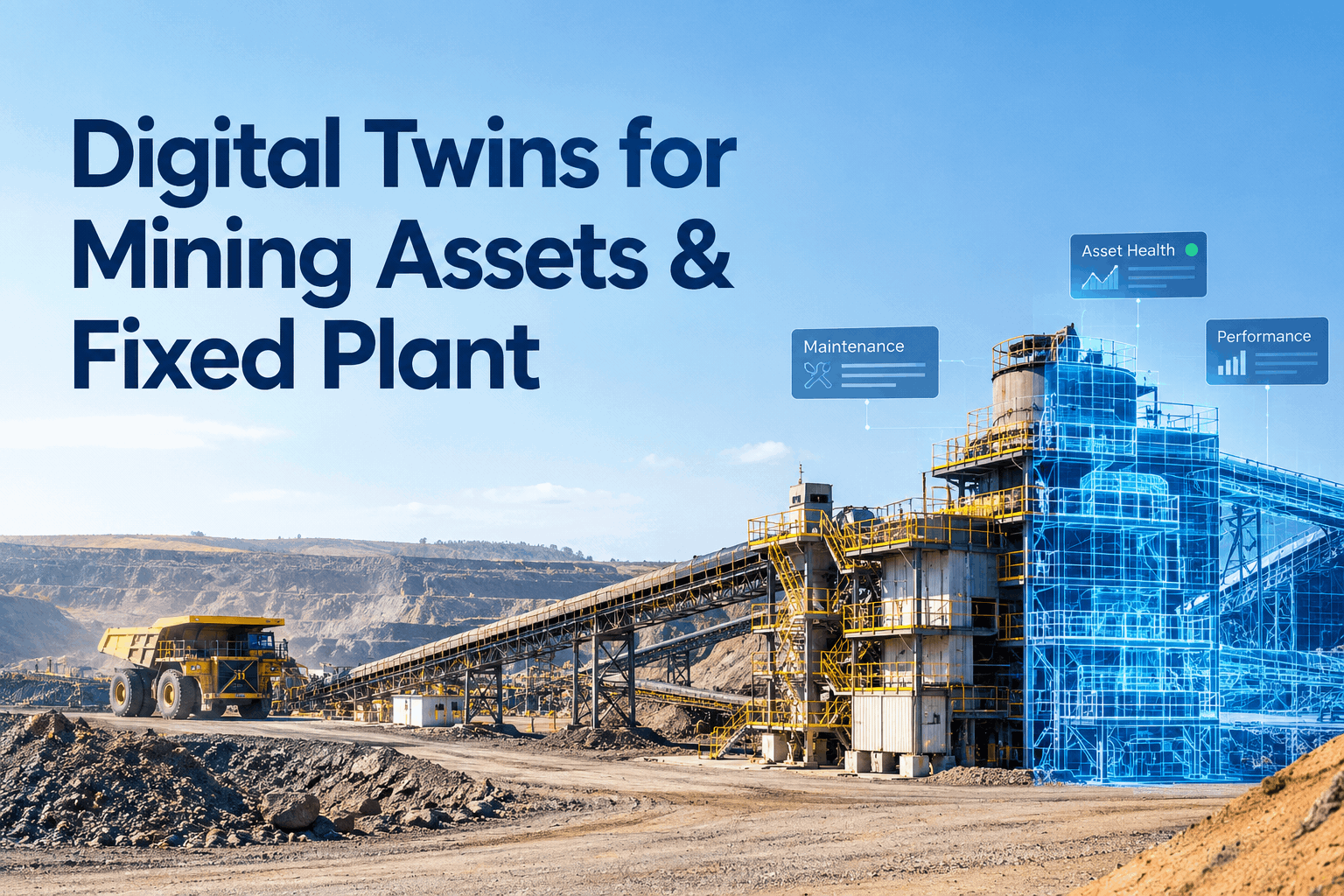
Accurate asset identity and history are the base any digital-twin or predictive program needs to be worth building.
Directional of how reliable asset identification supports downstream mining data programs; actual results depend on data completeness and your systems. HVI holds and connects the records — the RFID read layer sits with your tagging provider.
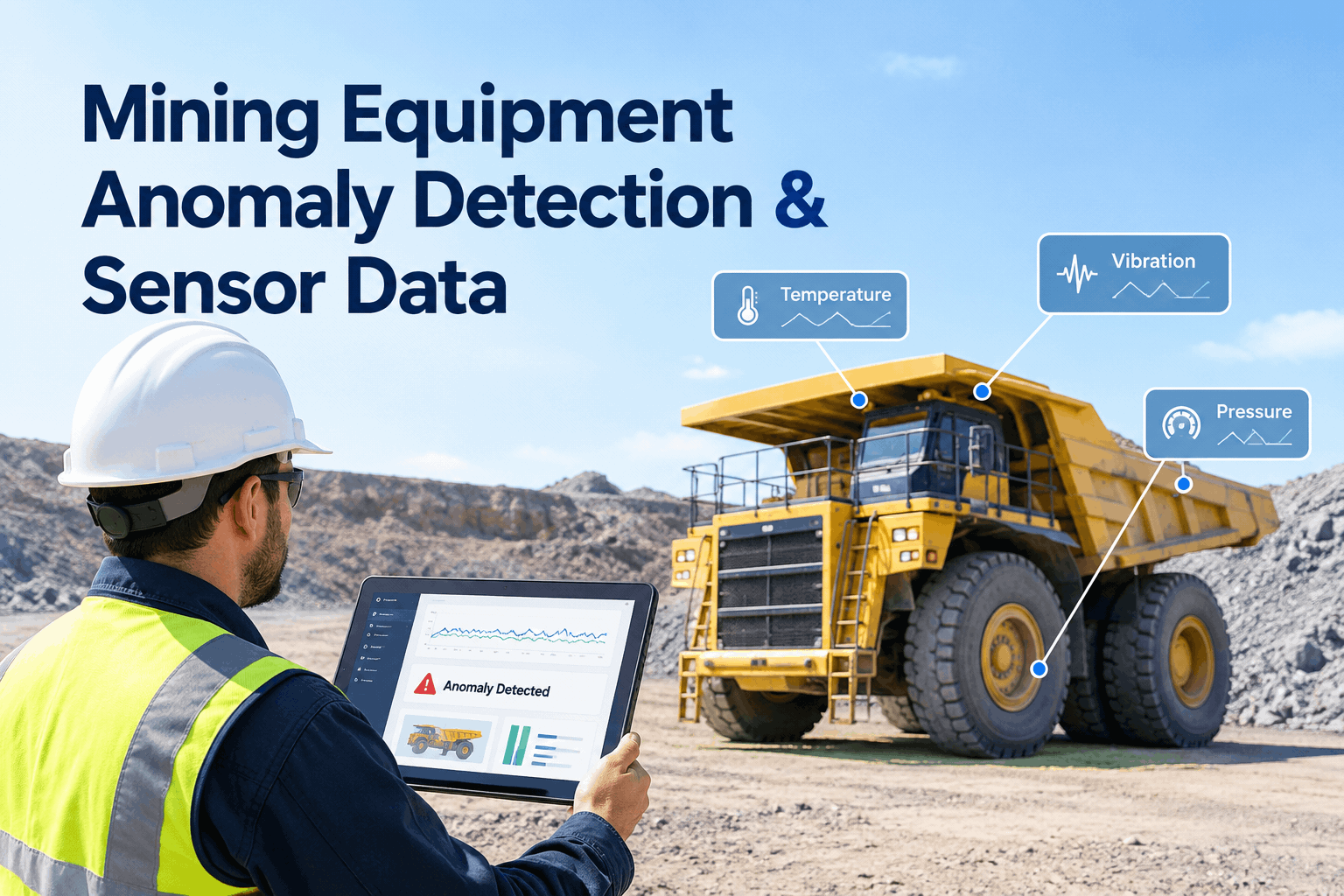
Reliable identity is quietly the first step toward every data initiative above it, from anomaly detection on equipment data to digital twins for mining assets. Book a demo to build the identity layer first.
From a fleet manager running a tagged underground fleet
Before tags, half our maintenance mistakes underground were identity errors — a tech services the wrong loader because two units look identical in a dark drift, or a defect gets logged against the wrong machine and never actually fixed. We tagged the fleet and tied every tag to its record in our maintenance system. Now a tech scans, confirms it's the right unit, and sees its whole history before touching a spanner. The tags were cheap; linking them to the records is what made them worth it.
RFID asset tagging underground mining FAQs
Does HVI provide the RFID tags and readers?
Why use RFID underground instead of GPS?
What's the difference between passive and active tags?
How does tagging improve maintenance, not just tracking?
Do we need to tag the whole fleet to get value?
Turn RFID tags into a maintenance advantage underground
Link every tagged underground asset to its full record in HVI — inspections, PM, defects, parts, and identity — so a scan in the drift tells a technician exactly what they're working on and what it needs. The tag finds the machine; HVI knows the machine.
No credit card · Works with your RFID tags & readers · Asset records from day one
- Tag ID linked to asset record
- Scan to inspections & PM status
- Open defects & work orders
- Service & parts history
- Works offline, syncs on surface