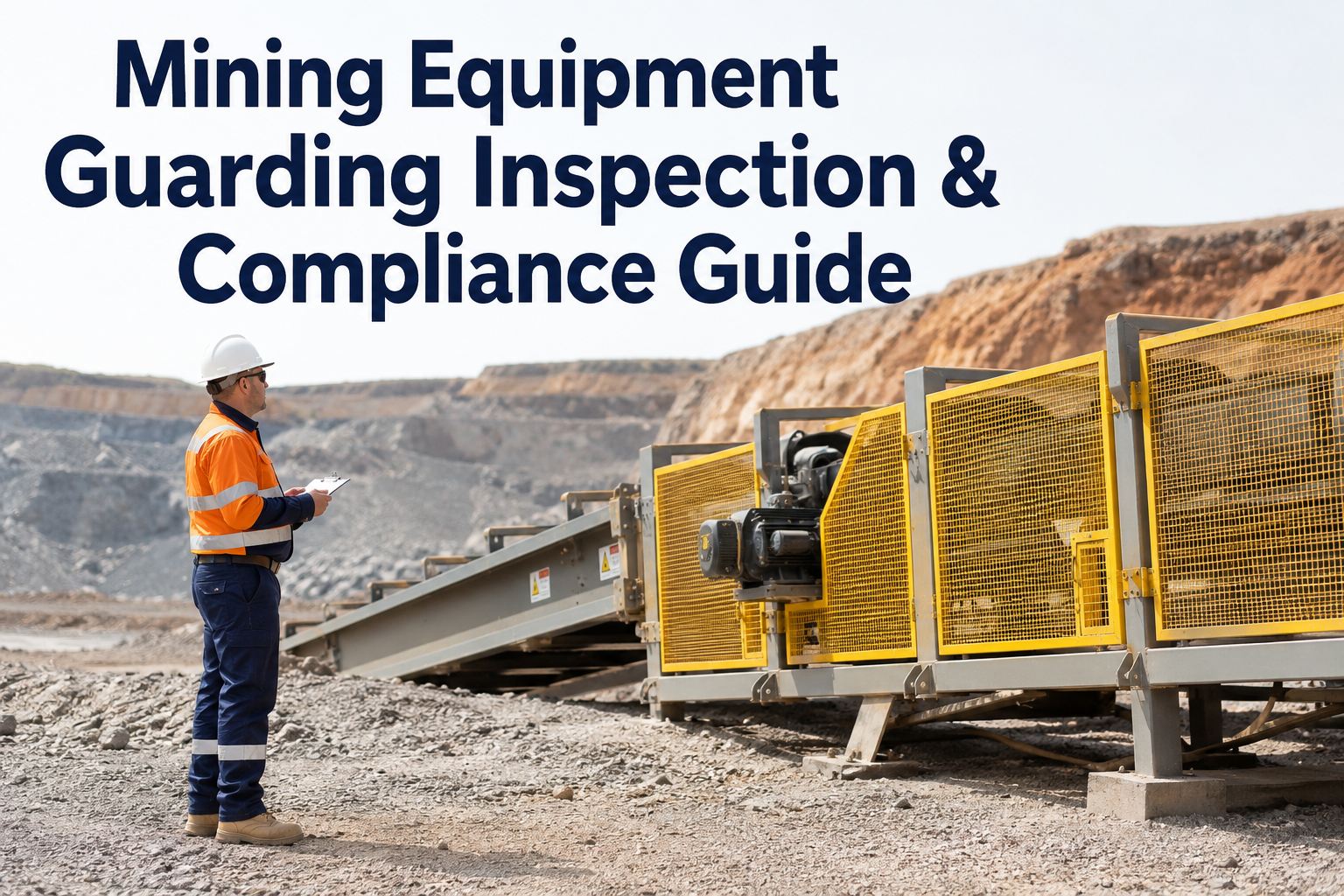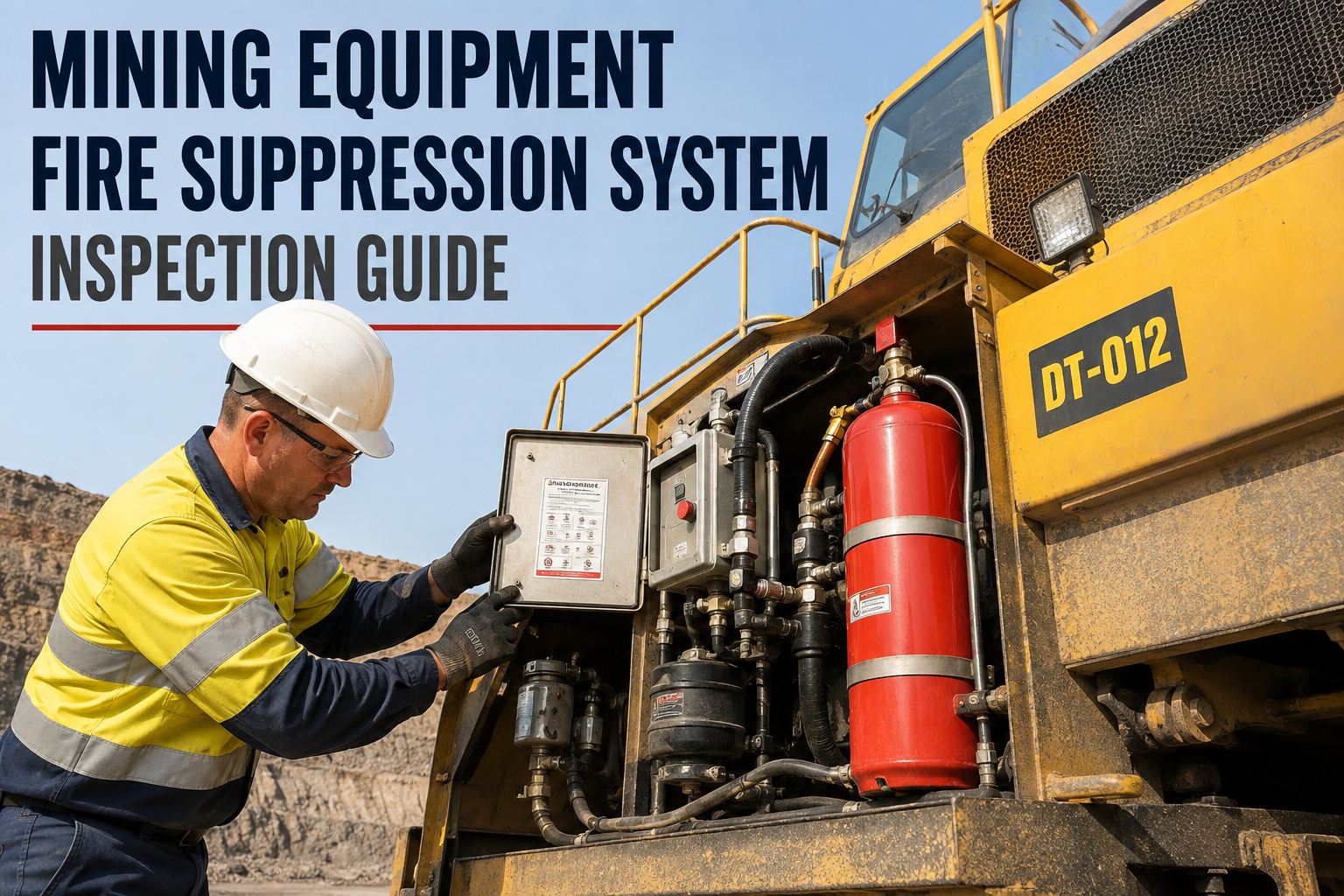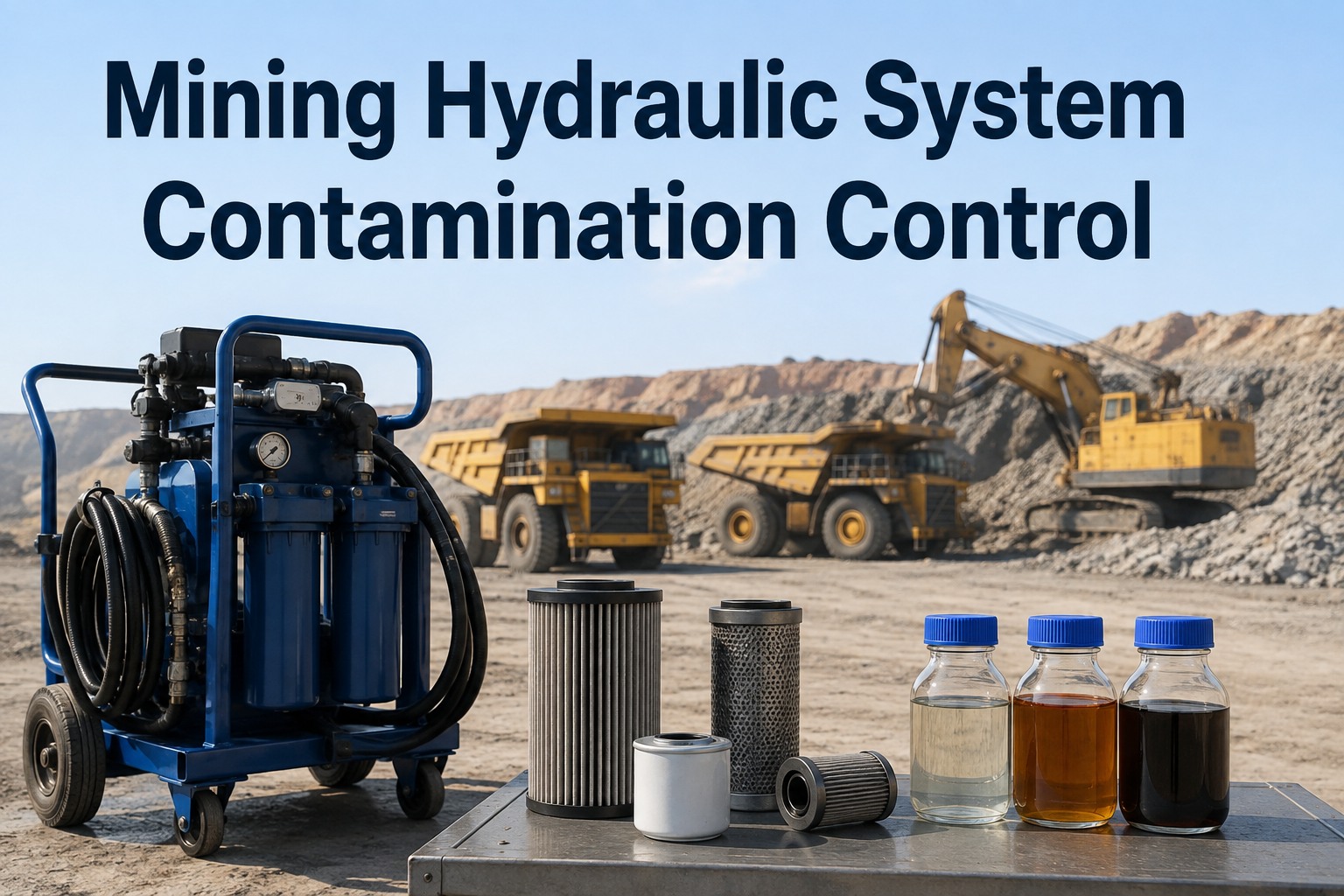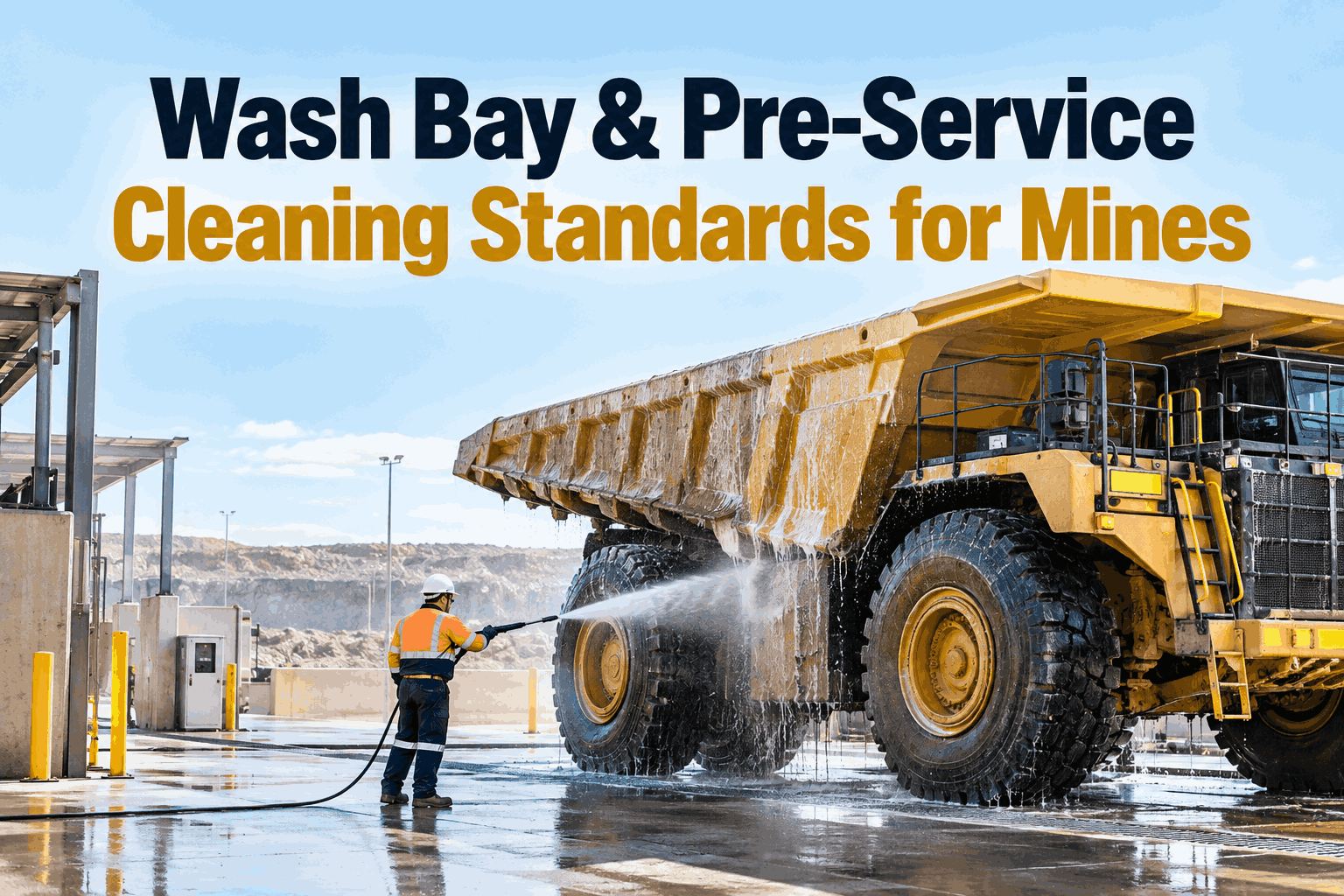
Wash bay standards decide whether your next inspection finds the crack or misses it. A haul truck caked in mud and grease hides the exact things a technician is paid to catch — a weeping seal, a hairline frame crack, a loose line. Pre-service cleaning is not housekeeping; it is the step that makes the inspection valid. Book a demo to see how HVI standardizes the wash-then-inspect sequence.
A Dirty Machine Hides Its Faults. A Clean One Can't.
Pre-service cleaning turns a guess into an inspection. Mud and grease mask the cracks, leaks and wear your team is looking for — a proper wash bay standard strips that cover away before the machine ever reaches the service pit.
Every maintenance manager has signed off on a machine that passed inspection and failed a week later. Often the fault was there the whole time — just buried under a season of mud. A wash bay standard exists so that the condition a technician records is the machine's real condition, not the condition of its dirt. Clean the machine, and the inspection stops being optimistic.
Why Wash Bay Standards Are a Maintenance Control, Not Housekeeping
Treat the wash as cosmetic and you treat the inspection as optional. These are the faults that routinely hide under buildup — and surface the moment the machine is clean.
This is why pre-service cleaning standards belong in the maintenance process, not the end-of-shift routine. The wash is what gives HVI's digital inspections something honest to look at. Book a demo to see how HVI links the wash step to the inspection that follows.
The Pre-Service Cleaning Standard, Start to Finish
A wash bay standard is a sequence, not a hose-down. Each stage hands the next a machine that is ready for it — and the inspection only earns trust when every stage is done the same way, every time.
Run that sequence as a guided digital check and the standard stops living in someone's head. HVI builds the wash-and-inspect steps into one preventive maintenance scheduling workflow, so a machine can't quietly skip the wash on the way to the pit. Sign up free and build your bay's standard once.
Contamination Control: The Other Half of Wash Bay Standards
Cleaning is not only about seeing defects — it is about not creating them. The moment a technician opens a hydraulic line or fills a reservoir, any dirt on the machine is one wrong move from inside the system.
A single system-wide hydraulic failure can run $40,000+ in repairs and two to three weeks of downtime — the kind of loss a clean service area is meant to prevent. Pre-service cleaning around fittings, caps and breathers keeps grit out of the fluid when the system is opened.
Framed this way, the wash bay is the front line of contamination control, not a cosmetic stop. When the cleaning, inspection and service records live together, a manager can trace a later failure back to the condition at service — which is where HVI's defect tracking and mining fleet maintenance records earn their keep. Book a demo to see it in action.
Wash Bay & Pre-Service Cleaning Checklist
Grouped the way the work actually flows — from arrival to the clean service zone.
- Machine parked, locked out and isolated
- Obvious damage noted before washing
- Mud, grease and debris removed to standard
- Seals, fittings and inspection points cleaned
- Undercarriage and hard-to-see areas reached
- Surfaces dried so fresh leaks show clearly
- Condition photographed, defects flagged
- Area around fittings clean before opening
- Open ports capped; wash and service logged
Built as a guided check, this list keeps the standard consistent across shifts and crews — and leaves a record behind every machine. See this checklist built in HVI.
What a Workshop Manager Looks For After the Wash
I used to think the wash bay was where machines went to look good for the yard. Then we had a loader come through, passed its walkaround, dropped a boom pin weld three days later — and the crack had been there, just packed with mud. Now nothing gets inspected until it's clean and dry, and the fitter photographs it wet-patch and all. Half the "surprise" failures we used to get were never surprises. We just couldn't see them under the dirt.
Mining Wash Bay & Pre-Service Cleaning FAQs
What are wash bay standards in mining maintenance?
Wash bay standards are the documented procedures for cleaning heavy equipment before inspection and service. They define how a machine is washed, dried and prepared so that its real condition is visible, contamination is controlled around open systems, and the inspection that follows is based on what the machine actually looks like — not what its dirt hides.
Why is pre-service cleaning important before inspection?
Mud, grease and buildup hide exactly the faults an inspection is meant to catch — hairline cracks, weeping seals, chafed hoses and loose hardware. Cleaning the machine first, then letting it dry, makes those defects visible (a fresh leak shows as a new wet patch) so the inspection records the machine's genuine condition.
How does cleaning help control contamination?
Contaminated fluid is linked to a large share of hydraulic failures, and those failures are expensive. Cleaning around fittings, caps and breathers before opening a system keeps grit and debris from entering when ports are exposed during service — making pre-service cleaning a core part of contamination control, not just appearance.
What should a wash bay checklist include?
A practical checklist follows the work: isolate and note damage on arrival; wash mud, grease and debris to standard including seals and undercarriage; dry so fresh leaks show; photograph condition and flag defects; and ensure the area around fittings is clean before any system is opened for service.
How does HVI support wash bay and pre-service standards?
HVI turns your wash and pre-service steps into a guided checklist tied to preventive maintenance, with photo evidence and defect tracking. Each machine's cleaning, condition and service records stay connected, so the wash can't be skipped, exposed defects become tracked actions, and you keep an audit-ready history for every asset.
Make the Wash Bay the First Step of Good Maintenance
Standardize pre-service cleaning, capture before-and-after condition, turn exposed defects into tracked actions, and tie it all to the PM schedule — so every machine reaches the pit clean, inspected and on record.