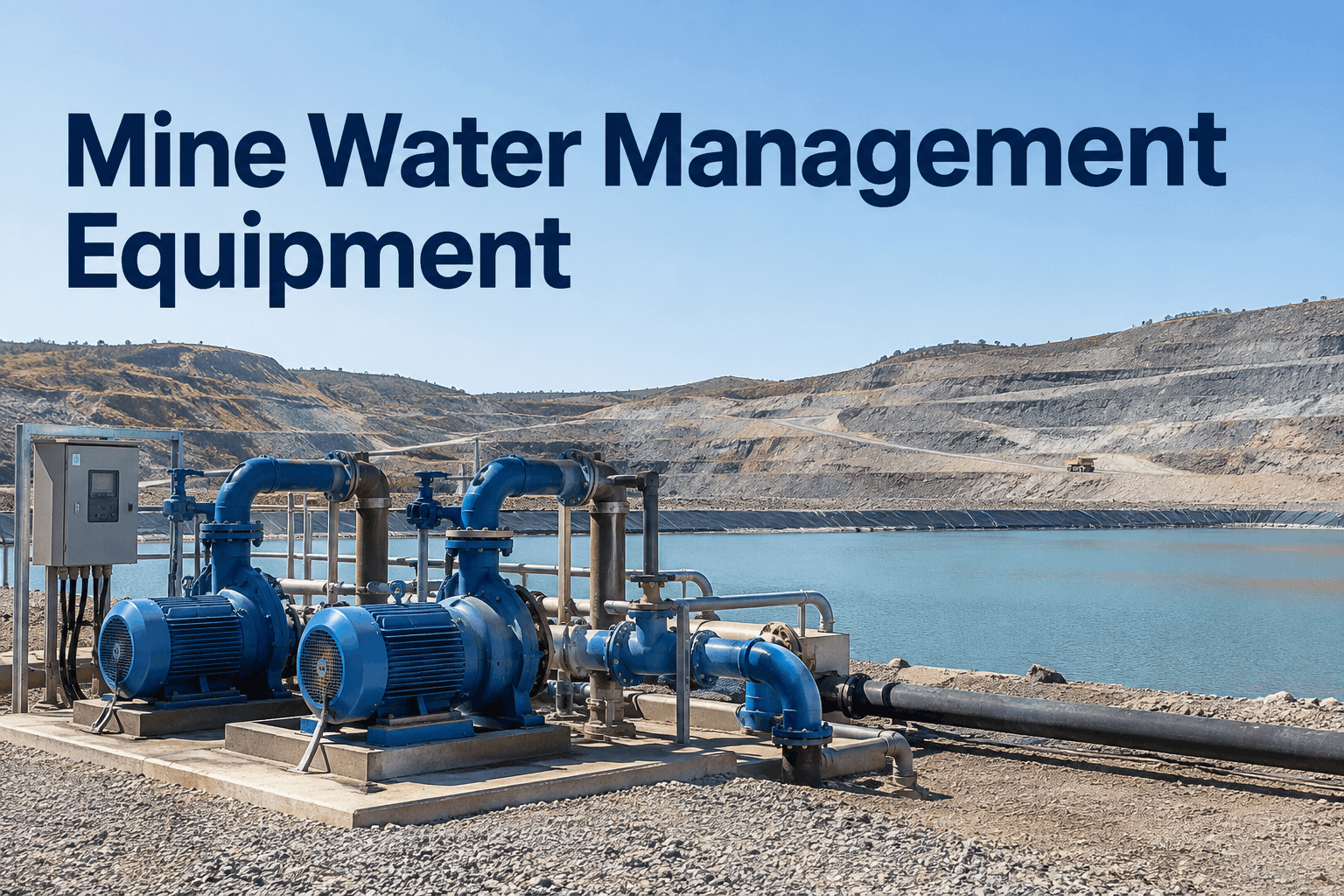
Water never sleeps on a mine, and neither does the gear that moves it. Dewatering pumps run around the clock to keep levels dry, sensors watch the pit lake, and recycling plant returns dirty water to supply. When one asset fails unseen, a level floods or the mill runs short — and the fix costs far more than the part. Keeping mine water management equipment reliable is an asset-visibility problem first, so book a demo to put every water asset on one live register.
Your water system is critical. Is it on a register?
Pumps, sensors and treatment plant are scattered across the pit, the underground and the surface ponds — easy to lose track of, impossible to run blind. One connected asset register turns a dispersed water estate into equipment you can inspect, schedule and trust.
Managing mine water management equipment well comes down to four things: knowing the full estate of assets, understanding which ones stop production when they fail, closing the tracking gaps that let failures hide, and keeping maintenance on a schedule that matches runtime. Below is each — plus the asset management that ties the whole water system together.
The mine water equipment estatethe three asset groups that keep a mine's water moving
Mine water management isn't one machine — it's a connected estate of assets doing three jobs across the site. Treat them as one register and the whole system gets visible; leave them in separate spreadsheets and the gaps are where failures hide.
Each group has its own failure modes and schedules, but they share one need: a single register so nothing falls through the gaps between teams. Book a demo to map your water estate onto one asset view.
Why one pump down stops productionthe criticality that makes water equipment reliability non-negotiable
Water assets rarely get the attention the haul fleet does — until one stops. Then the cost shows up fast and far from the pump itself, because water infrastructure sits on the critical path of the whole operation.
- Pump downFails
- Level floodsWater rises
- Area evacuatedCrews out
- Production haltsTonnes lost
A pump that costs a few thousand to maintain can cost a shift of production when it stops a level — which is exactly why water assets belong on the same disciplined tracking as the rest of the fleet. Sign up free and track your critical water assets.
The tracking gaps that let water assets failwhat goes wrong without a single asset register
Most water-equipment failures aren't sudden — they're missed. Spread the assets across teams and tools, and the warning signs land in a blind spot. These are the gaps a proper asset register closes.
Each gap is an asset-visibility problem, and each closes the moment every water unit lives on one register with its own history. Book a demo to close your water-asset tracking gaps.
Mine water pump maintenance checklistthe runtime checks that keep a dewatering pump reliable
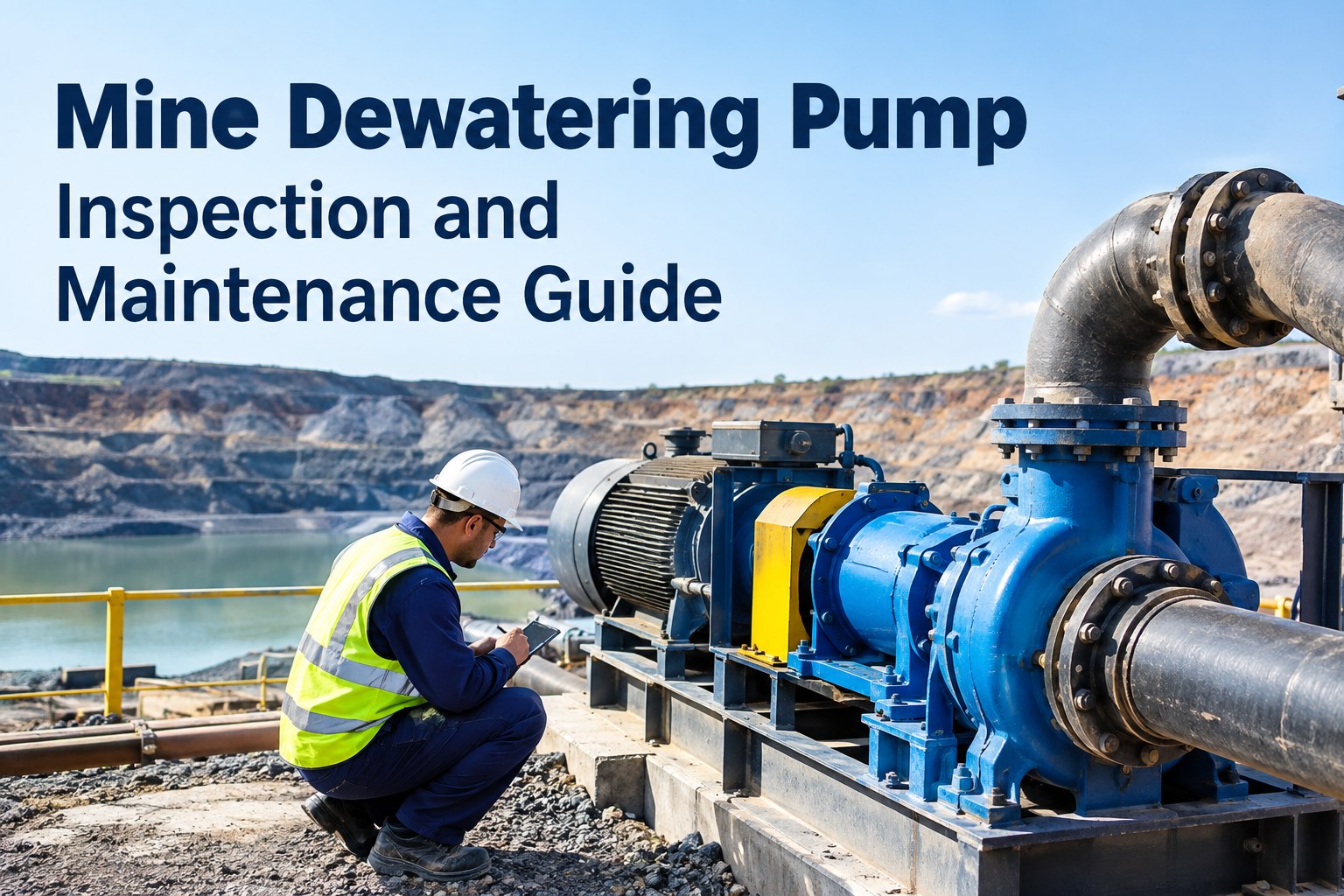
Pumps are the asset most likely to stop production, so they earn their own routine. Run these on every dewatering and transfer pump, logged against runtime hours — tick them as part of the register and a failing pump shows itself early. Book a demo to put this pump checklist on runtime schedules.
Logged against runtime instead of the calendar, this checklist becomes a living record per pump — not a page that gets filed and forgotten. Sign up free and build this pump checklist into your register.
Mining asset management softwarehow HVI keeps every water asset tracked and scheduled
Water equipment reliability comes down to one thing: knowing every asset, its runtime and its next service, in one place. HVI's asset management holds the register, triggers maintenance by hours, and turns every inspection into a tracked work order across the whole water system.
Treating water equipment as managed assets, not background infrastructure, is what keeps a level dry and a mill fed. Explore mining maintenance management, and pair it with Read our mine component life planning guide for the big-ticket wear parts.
What a mine maintenance manager actually watches
Our dewatering pumps were the assets nobody owned — critical, but off everyone's radar until one tripped and a level started filling. We put the whole water system on the register with runtime-based services, and now a rising bearing temp raises a work order days before it would've failed. The haul fleet gets all the attention; it turned out the cheapest pumps carried the biggest downtime risk.
Frequently asked questions
What is mine water management equipment?
It's the connected estate of assets that moves and treats water on a mine — dewatering pumps and pipelines, level and quality monitoring sensors, and recycling or treatment plant. Managed together on one register, they stay reliable; managed separately, failures hide in the gaps.
Why is water equipment reliability so critical on a mine?
Because it sits on the critical path. A failed dewatering pump can flood a working level, force an evacuation and halt production — so a cheap asset causes an expensive stoppage. That's why water gear needs the same tracking as the haul fleet.
How often should mine dewatering pumps be serviced?
By runtime, not the calendar. Pumps running continuously reach service intervals far faster than monthly schedules assume, so maintenance should trigger on run hours. Bearing, seal, flow and motor checks between services catch wear before it becomes failure.
How does asset management software help with mine water systems?
It holds every water asset on one register with its runtime, schedules services by hours, and turns inspections into tracked work orders. That closes the visibility gaps where failures hide and keeps the whole water system on one screen.
Can water recycling equipment be tracked the same way?
Yes. Clarifiers, filtration and treatment units go on the same register as pumps and sensors, with their own inspections and schedules. Tracking them supports both reliability and the water-reuse and discharge compliance that mines increasingly report on.
Keep every mine water asset tracked, scheduled and trusted
HVI puts pumps, sensors and treatment plant on one asset register, schedules maintenance by runtime, and flags a failing unit before it floods a level or starves the mill. Live across your mine's water infrastructure in under two weeks — no hardware.
Single asset register · Runtime-based PM · Inspection-to-work-order