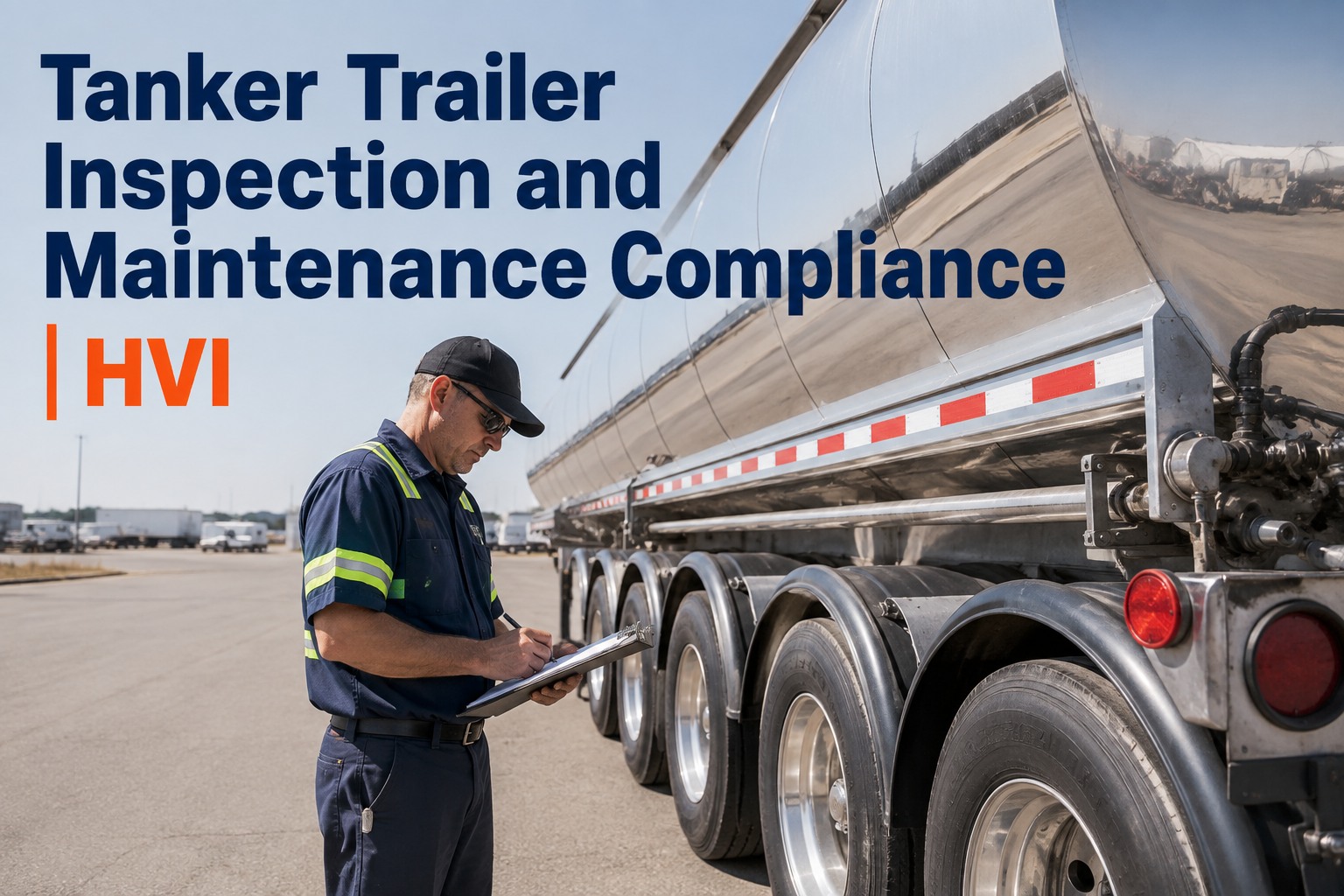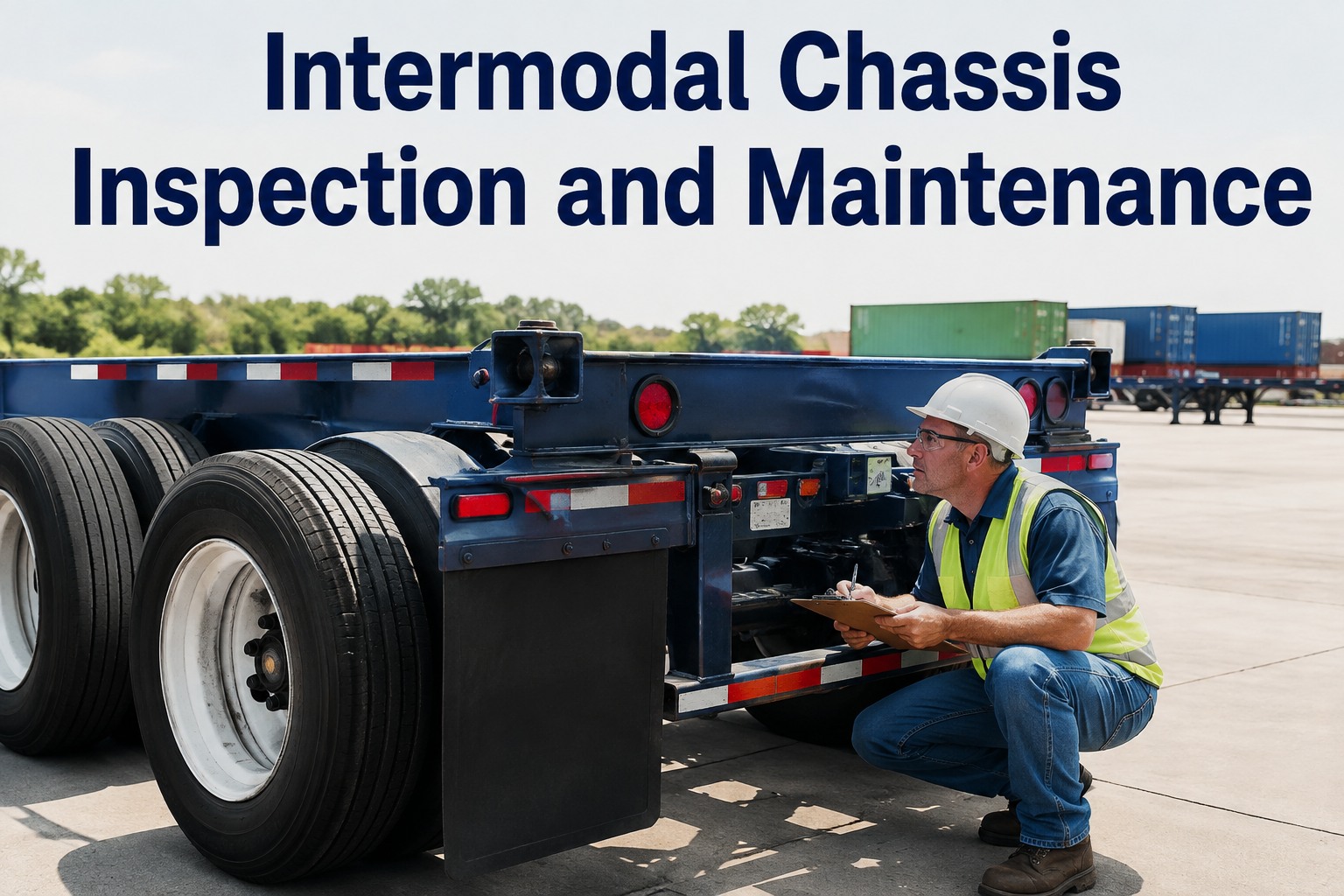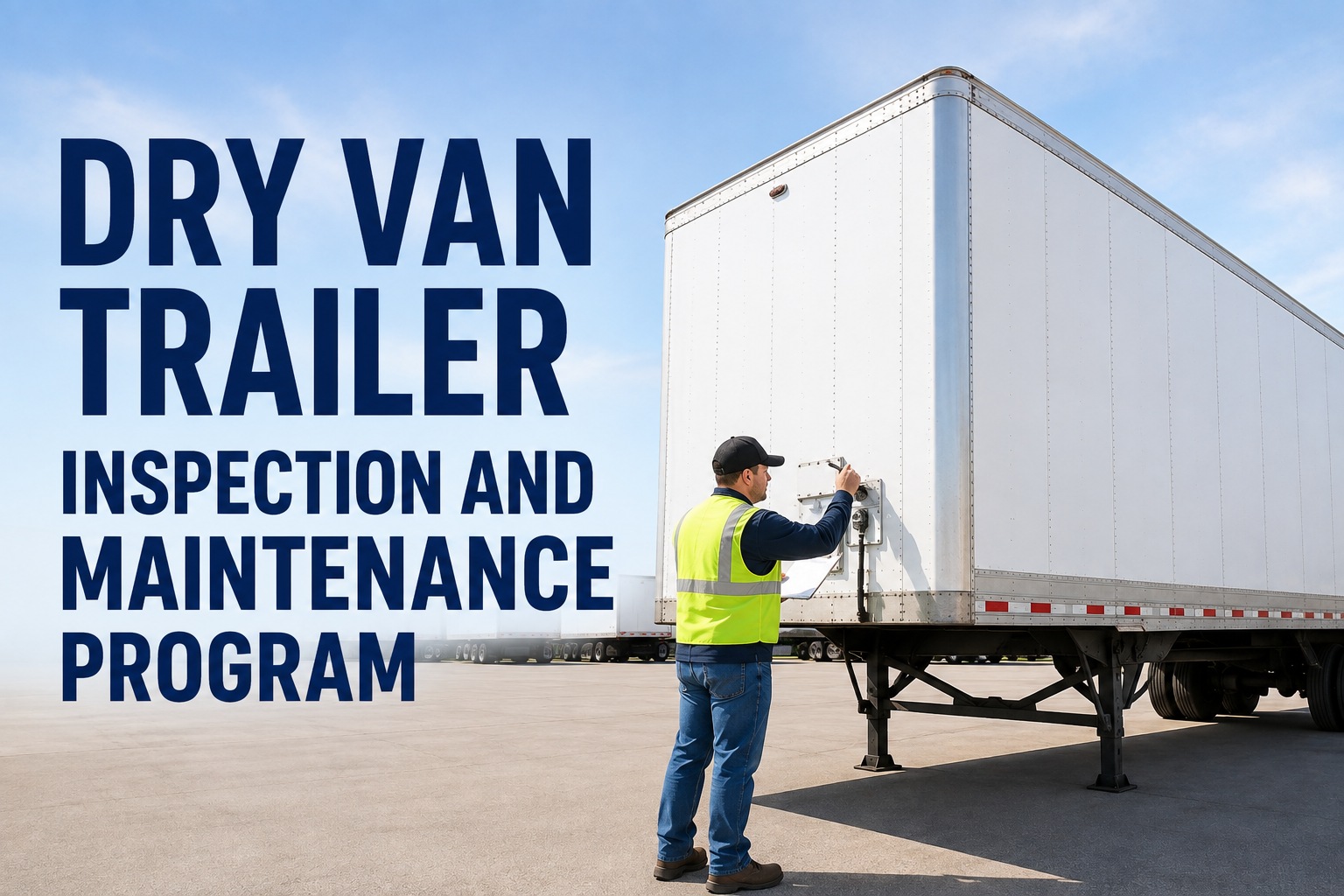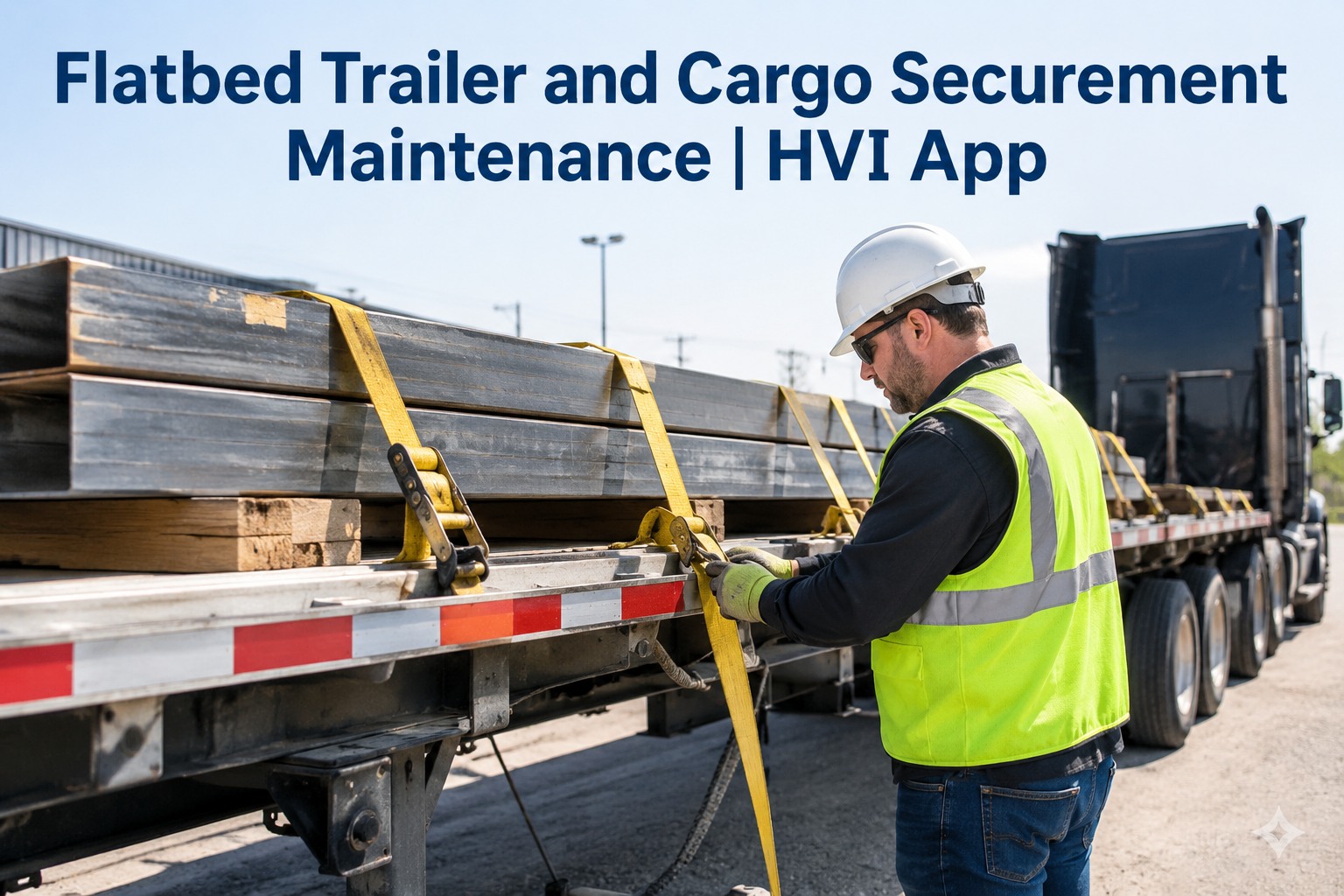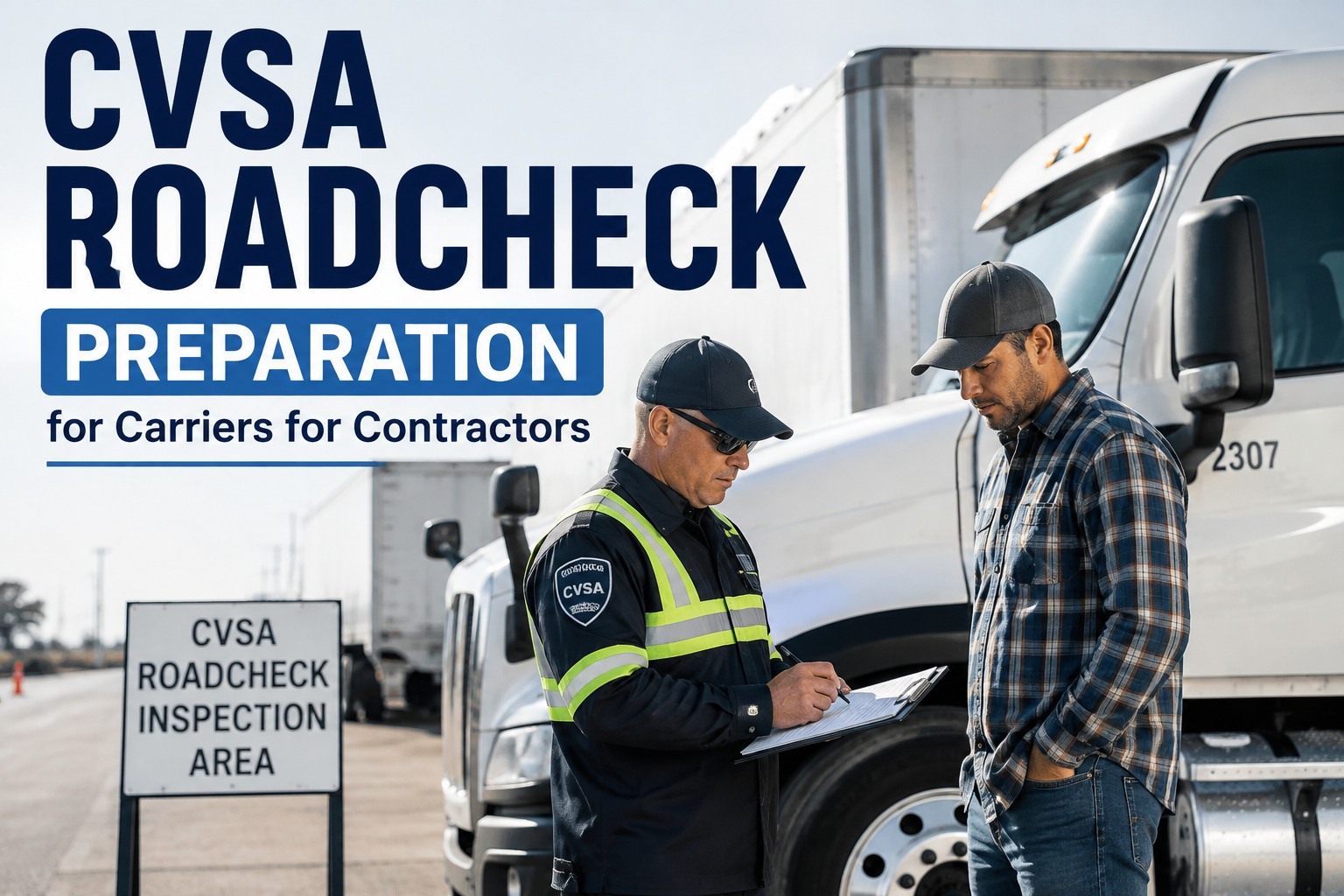
It's 6:40 on a Tuesday morning in May, and your dispatcher just texted: two of your trucks are parked at a scale house on I-80, one with a cargo securement violation and one with an ELD the inspector says "doesn't look right." CVSA Roadcheck preparation is what decides whether that phone call ever happens — the annual 72-hour International Roadcheck puts thousands of extra inspectors on the road across the US, Canada and Mexico, and they are not looking randomly. Every year CVSA publishes a focus area in advance, and for 2026 the emphasis is cargo securement and ELD tampering, with an unannounced Brake Safety Day running separately. That advance notice is a gift most fleets waste. The carriers that treat the published focus as a ready-made internal audit checklist come out of the blitz with clean inspections that now actively improve their CSA scores under the 2026 methodology. The ones that don't spend June explaining out-of-service orders to customers. This guide walks you through exactly what inspectors will examine, how to run a pre-Roadcheck inspection blitz of your own, and how to see the readiness workflow on your own units in a 30-minute demo before the cones go out.
International Roadcheck 2026 • 72-Hour Enforcement Blitz
The focus area is published in advance. Is your fleet using the head start?
CVSA tells you what inspectors will examine months before Roadcheck week. In 2026 that means cargo securement and ELD tampering — plus a separate, unannounced Brake Safety Day. Here is your pre-blitz checklist.
What the blitz costs — or pays
Roadcheck by the numbers: why preparation is cheaper than a parked truck
Roughly 15 trucks and buses are inspected every minute across North America during the 72-hour blitz. These four figures decide whether Roadcheck week is a rounding error or a bad quarter.
72 hrs
Of intensified enforcement
Every unit you dispatch during the blitz is a candidate for a full Level I inspection. Multiply your daily dispatches by three — that is your exposure.
~1 in 5
Vehicles placed out of service
Recent Roadchecks have consistently sidelined around a fifth of inspected vehicles. Each one is a missed load, a recovery bill and a CSA hit in a single event.
$1,000+
Per day a truck sits OOS
Lost revenue, driver downtime, possible towing and redelivery penalties stack up fast. A securement fix in the yard costs a strap; roadside it costs the day.
Score boost
Clean inspections now help you
Under the 2026 CSA methodology, violation-free inspections actively pull your scores down. The blitz is a chance to bank clean results at scale.
Roadcheck readiness fleet plan
Your pre-Roadcheck inspection blitz: a 6-week countdown
Because CVSA announces the focus area ahead of time, your internal pre-Roadcheck inspection can mirror the real thing. Work backwards from blitz week — always confirm the current year's dates and focus areas directly with CVSA.
Pull the focus bulletin and build your checklist
Download the CVSA focus material and turn it into a digital checklist your drivers and techs actually complete — securement points, ELD checks, brake items. In HVI you can clone your existing DVIR template and add focus-area line items in minutes, then start running the checklist free on any phone in the yard.
Audit ELD data for tampering red flags
Pull unassigned driving time, edits with missing annotations, unplug events and login mismatches. Inspectors are being trained to spot exactly these patterns — find them first and coach or correct before the roadside does it for you.
Physical sweep: securement gear and brakes
Count tiedowns against load requirements, check working load limit tags, and retire worn straps, chains and binders. Measure brake stroke, inspect chambers, hoses and drums. Every defect becomes a work order with a photo, not a sticky note.
Close every open defect — with proof
An open defect list during Roadcheck week is an out-of-service order waiting for a scale house. Push each repair through work order management, verify completion with photos, and keep the timestamped trail for the inevitable audit question.
Driver briefing and document check
Walk drivers through what a Level I looks like: licence, medical card, hours-of-duty status, DVIR currency, and how to hand over an ELD display. A calm, prepared driver shortens the inspection and avoids the paperwork violations that sour an otherwise clean stop.
Pre-trip readiness verification before every dispatch
For blitz week itself, require a verified pre-trip with photos before any unit rolls. Dispatch sees a green readiness flag per truck; no flag, no dispatch. If you want to see that gate in action, book a walkthrough of the dispatch-readiness flow and run it on your own fleet.
Roadcheck focus area deep dive
Cargo securement Roadcheck prep: what inspectors will actually check
Securement violations are among the most common vehicle out-of-service items every year, and flatbed, step-deck and specialised haulers carry the most exposure. Inspectors work from the CVSA out-of-service criteria — here is how to check your own operation the same way.
Tiedown count and working load limits
Aggregate working load limit must equal at least half the cargo weight, with minimum tiedown counts by load length and weight. A strap with a missing or illegible WLL tag counts as the lowest rating — or nothing.
Securement device condition
Cut webbing, knotted straps, bent hooks, cracked binders and stretched chain links all fail. Retire marginal gear in the yard — a $15 strap is cheaper than an OOS order and a reloaded trailer.
Load-specific rules
Logs, metal coils, concrete pipe, heavy machinery and intermodal containers each carry their own securement requirements. Specialised operations must train to the commodity rules, not just the general standard.
Vehicle structure and anchor points
Cracked rub rails, bent stake pockets and damaged anchor points are vehicle defects, not just cargo issues. Add them to the trailer inspection so they surface before a loaded unit hits the scale.
A worked example: one strap, one day
A 40-truck flatbed carrier sends 25 units a day through a Roadcheck corridor. At the historical ~20% vehicle OOS rate, five trucks sit. If each parked day costs roughly $1,000 in revenue, recovery and redelivery, that is a $15,000 three-day blitz — against a few hundred dollars in replacement straps and two hours of checklist time per unit. The maths is not subtle.
ELD tampering enforcement + Brake Safety Day
The two enforcement tracks most fleets underprepare for
Beyond the headline focus, two enforcement efforts run on their own logic — one you can see coming, one you cannot.
ELD tampering: what enforcement looks for
- Unplugged or powered-down gaps in the ELD record that line up suspiciously with driving time.
- Edited drive time without proper annotations, or edits that shrink hours after the fact.
- Phantom or shared driver accounts — one login covering multiple drivers, or unassigned driving time nobody owns.
- Malfunction and diagnostic events left unresolved instead of documented and repaired within the required window.
Run your own ELD audit monthly, not just before the blitz. Pair it with timestamped DVIR and maintenance records so your hours story and your vehicle story match — inspectors compare them.
Brake Safety Day: the unannounced one
- No published date. CVSA runs Brake Safety Day separately and without warning, so "we'll check brakes the week before Roadcheck" is not a strategy.
- Brake systems are the perennial #1 vehicle out-of-service category — adjustment, worn components, air leaks and hose damage.
- Stroke measurements and visible defects are what inspectors check roadside; your shop should be measuring the same way, on a schedule.
- Documented PM intervals by mileage and engine hours keep brake wear from ever reaching roadside condition.
The only defence against an unannounced brake blitz is brakes that are always inspection-ready. See how PM scheduling with overdue alerts works when it is tied to odometer and hour-meter feeds.
Run your pre-Roadcheck inspection on phones, not clipboards
Configurable checklists for the 2026 focus areas, photo-backed defects that become work orders instantly, and a readiness flag per unit before dispatch. See it on your own fleet in 30 minutes.
Level 1 inspection preparation
Level I inspection preparation: the full 37-step rehearsal, condensed
A Level I is the North American Standard inspection most Roadcheck stops use. Map each inspection zone to the internal check that clears it — and to the record that proves it.
| Inspection zone | What the inspector examines | Your internal pre-check | Record that proves it |
|---|---|---|---|
| Driver & documents | Licence class and status, medical certificate, hours-of-duty, ELD display and records | Document wallet audit per driver; ELD edit and unassigned-time report | Driver qualification file; ELD audit log |
| Brake system | Stroke travel, air leaks, hoses, chambers, drums/rotors, warning devices | Measured stroke per axle; leak-down test; hose and chamber condition | Brake inspection checklist with photos and measurements |
| Coupling & frame | Fifth wheel, kingpin, safety chains, frame cracks, sliding tandems | Coupling tug test and visual; frame rail and crossmember sweep | Trailer inspection record with defect photos |
| Tires, wheels & hubs | Tread depth, inflation, cuts, mismatched sizes, hub oil leaks, loose lugs | Tire program data: depth readings, pressure checks, torque verification | Tire management history per wheel position |
| Lights & electrical | All required lamps, reflectors, conspicuity tape, wiring chafe | Walk-around light check with a second person or app-guided sequence | DVIR with photo of any lamp defect and repair |
| Cargo securement | Tiedown count and WLL, device condition, load-specific rules, anchor points | Loaded-unit securement checklist before dispatch; gear retirement log | Securement checklist with photos of the actual load |
| Fuel & exhaust leaks | Fuel system leaks, exhaust leaks near cab or cargo, dripping fluids | Under-vehicle leak sweep during PM; fuel card anomalies cross-check | PM work orders; fuel management exception report |
Every row above is a checklist template you can build once and reuse for each blitz. Fleets that set up their inspection templates free before the season starts spend Roadcheck week working, not firefighting.
How HVI helps
Turn the published focus area into a finished checklist — in one afternoon
HVI (Heavy Vehicle Inspection & Maintenance, by JRS Innovation Inc.) is the cloud + mobile inspection and work order CMMS built for exactly this: a known enforcement target, a mixed fleet, and a deadline.
Configurable focus-area checklists
Clone your DVIR and add cargo securement, ELD and brake line items in minutes. Drivers and techs complete them on any phone or tablet — yard, roadside or remote site — with required photos so nothing gets pencil-whipped.
Pre-trip readiness verification before dispatch
Every unit shows a green, amber or red readiness flag based on its latest verified inspection and open defects. Dispatch sees it at a glance; unverified trucks simply do not roll during blitz week.
Defect-to-work-order, instantly
A frayed strap photo or an out-of-adjustment brake becomes a tracked work order the moment it is reported — assigned, parts-checked against inventory, and closed with photo proof. No group-chat repairs that nobody can find later.
Audit-ready records in seconds
Timestamped, photo-backed inspection and repair history for every truck, trailer and piece of plant. When enforcement, a client or an insurer asks, you pull the record instead of digging through binders — and a demo shows you that retrieval live.
Key takeaways
Roadcheck compliance: the short version
01
The focus area is a free audit scope. CVSA publishes it in advance — for 2026, cargo securement and ELD tampering. Build your internal checks from it and confirm details with CVSA each year.
02
Brake Safety Day is unannounced. The only preparation is brakes that pass every day, kept there by scheduled PM with overdue alerts — not a once-a-year scramble.
03
Clean inspections now lower your CSA scores. Under the 2026 methodology the blitz is an opportunity: every violation-free Level I actively improves your standing.
04
Proof beats memory. Timestamped, photo-backed checklists and work orders turn "we checked it" into a record an inspector, auditor or insurer accepts on the spot.
CVSA Roadcheck preparation is not a once-a-year panic — it is the same discipline that keeps uptime high the other 362 days. Get the checklist infrastructure in place once, and every future blitz, audit or client inspection becomes routine. If you want a hand setting it up, book 30 minutes with the HVI team and leave with a working template.
First Roadcheck after we went digital, an inspector asked my driver for the last three DVIRs on the trailer. He pulled them up on his phone in about twenty seconds — photos and all. The inspector actually laughed and said he wished everyone did that. My rule now is simple: no green readiness flag, no dispatch. We went from two out-of-service orders in one blitz to zero across the last three, and I track that number like revenue.
Marcus Delaney — Maintenance Manager, regional flatbed and heavy-haul carrier, 60+ power units
Roadcheck questions, answered
CVSA Roadcheck preparation FAQ
What is the CVSA International Roadcheck focus area for 2026?
How do I prepare my fleet for a Level I inspection during Roadcheck?
What are inspectors looking for with ELD tampering?
What is the out-of-service rate during International Roadcheck?
Can a clean Roadcheck inspection actually help my CSA score?
Be the fleet inspectors wave through
Build your 2026 Roadcheck checklists, verify readiness before every dispatch, and keep photo-backed proof of every fix — all in one platform your drivers already know how to use.
Free to start • Works on any phone • No card needed