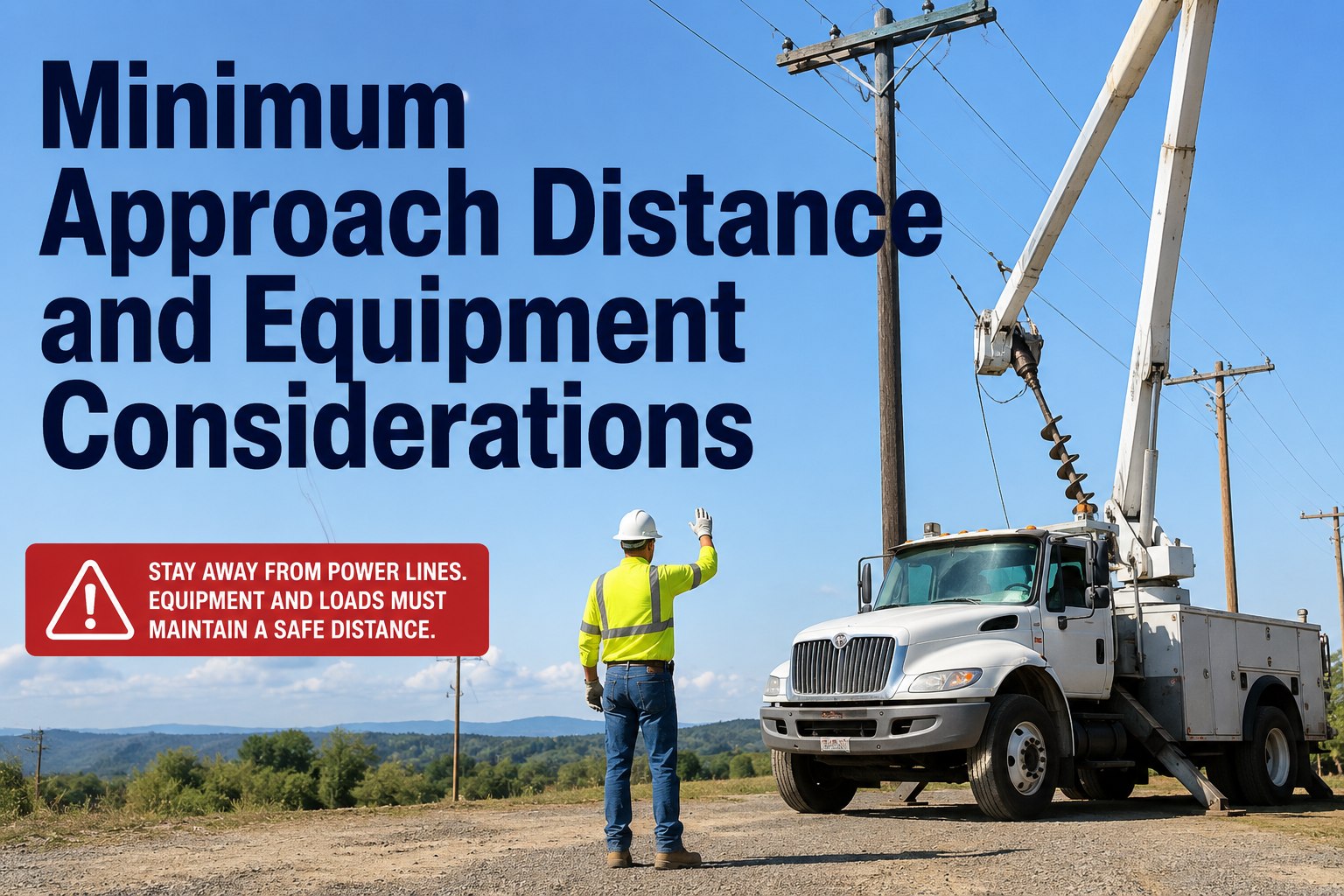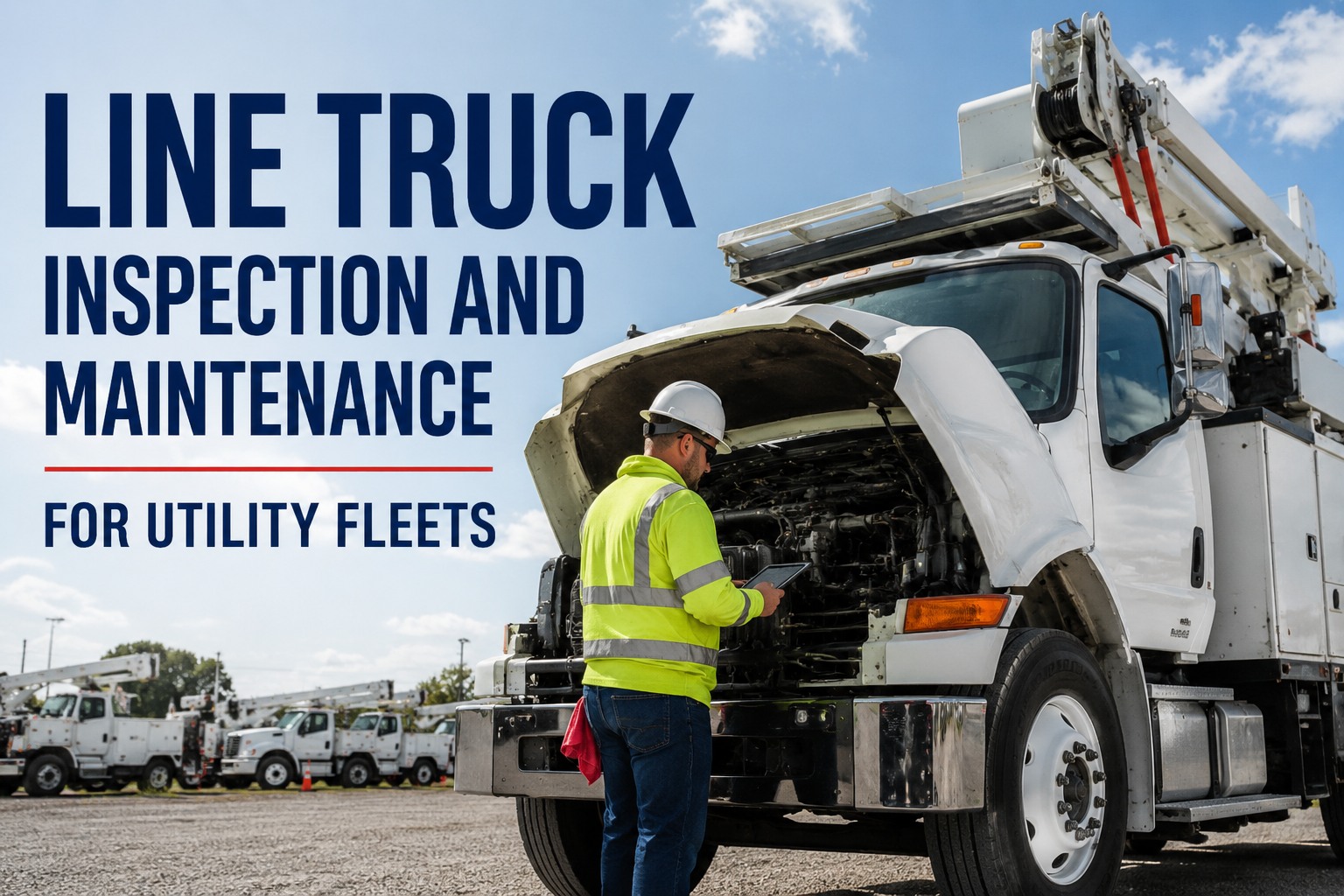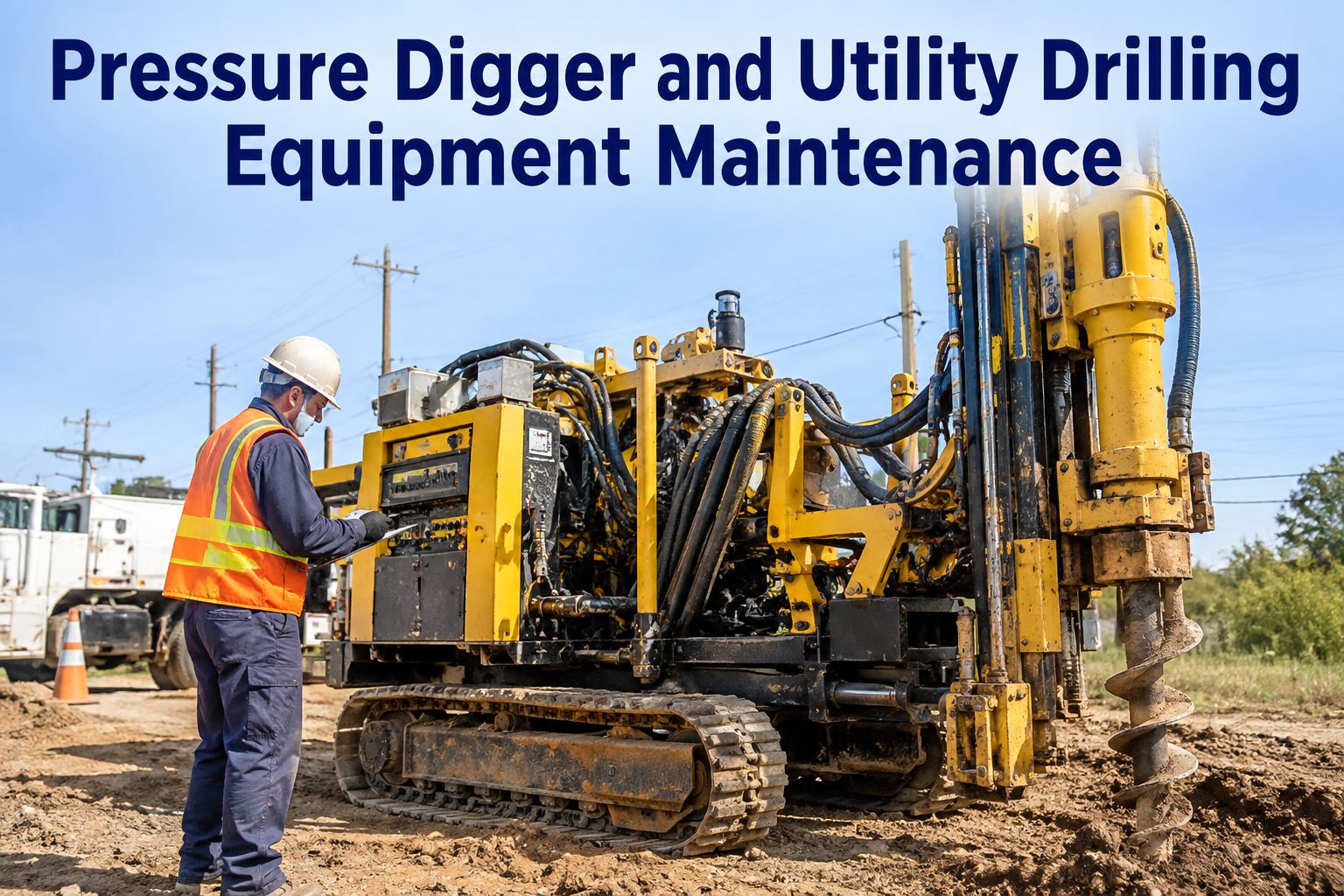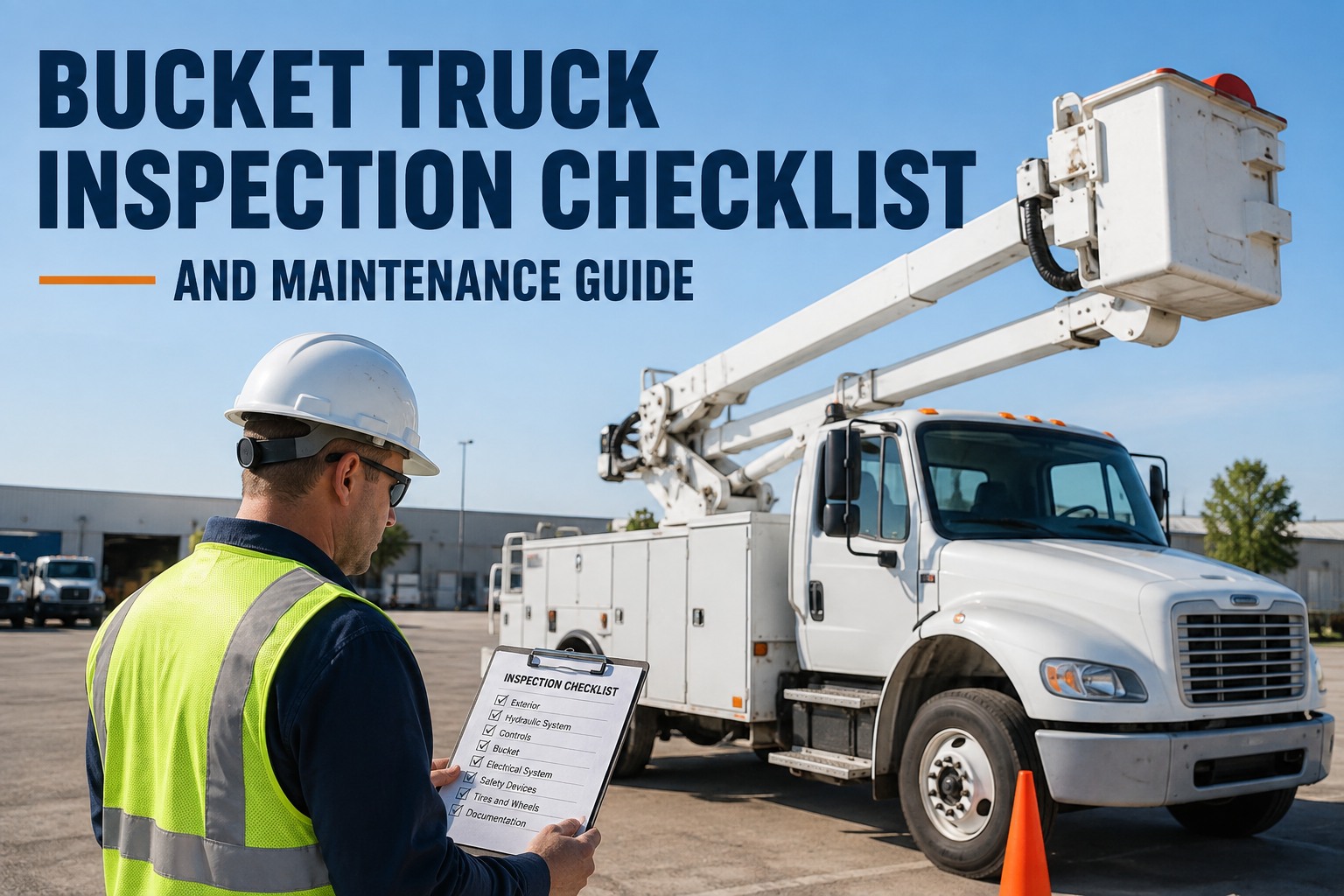
The pole is on the ground, the auger is wet with clay, and the crew is waiting while your operator walks around the truck with a coffee in one hand and a half-remembered checklist in the other. That is the moment a proper digger derrick inspection either happens or gets skipped, and it is the moment that decides whether a cracked boom weld, a glazed winch brake or a contaminated fiberglass section gets found on the ground or discovered at 40 feet in the air. A digger derrick is not one machine: it is a crane, a drill, a lifting winch and, on insulated units, a live-line tool, all sharing the same hydraulic oil and the same frame. This guide gives you the full system-by-system digger derrick inspection and maintenance checklist, the ANSI ASSP A10.31 record rules that require five years of retention, the daily and annual dielectric cadence for insulated units, and a practical way to run it all without paper binders. If you want to see this checklist running on your own units instead of reading about it, you can book a 30-minute walkthrough with the HVI team and bring your toughest unit.
One machine, four ways to hurt someone. Inspect all four, every shift.
Your digger derrick digs, lifts, hoists and, on insulated units, works beside energized conductors. A checklist that only covers the boom is not a checklist. Here is the complete daily, periodic and annual routine that keeps crews safe and records audit-proof for five years.
- Boom sections, extension mechanism and structural welds
- Winch, wire rope, drum and holding brake
- Outriggers, pads, cylinders and stability interlocks
- Hydraulics, auger drive and dielectric integrity
What a complete digger derrick inspection actually covers
A digger derrick fails in four different ways because it does four different jobs. The boom can crack, the winch can drop, the outriggers can sink and the insulation can leak current. Your daily check has to touch all four systems before the auger ever touches the ground.
Boom and Extension
- Weld cracks at boom base, heel and section joints
- Boom section wear pads and slide surfaces
- Extension cylinder rods for scoring and leaks
- Extension chain or cable tension and condition
- Boom rest, cradle and hold-down latch
- Load chart legible and matched to the unit
Winch and Load Line
- Wire rope for broken wires, kinks and crushing
- Drum flanges, lagging and rope spooling
- Winch brake holding test under light load
- Hook, swivel, latch and safety catch
- Anti-two-block device function
- Load line sheaves and pins for wear
Outriggers and Stability
- Outrigger beams for cracks and distortion
- Cylinder rods, seals and holding valves
- Pads, floats and cribbing condition
- Outrigger interlocks and motion alarms
- Unit level indicator and bubble
- Ground condition and slope assessment
Hydraulics and Auger
- Hydraulic oil level, colour and contamination
- Hoses, fittings and couplers for chafing and leaks
- Pump, PTO and driveline engagement
- Auger bit teeth, flighting and hex drive wear
- Auger motor, gearbox and mounting bolts
- Pressure test and relief valve function
Dielectric Integrity (Insulated Units)
- Fiberglass boom sections for cracks, gouges and bloom
- Gel coat condition and surface contamination
- Dielectric test date current within 12 months
- Insulating hoses and fittings rated and clean
- Platform liner and cover intact
- No conductive attachments or unauthorized repairs
ANSI A10.31: who inspects, how often, and how long you keep the proof
The governing standard for digger derricks in construction is ANSI ASSP A10.31. It puts the responsibility squarely on the owner and the user, requires inspections by a qualified person, and demands records be retained for five years. That is not a suggestion. It is the framework an OSHA inspector, a client auditor or an insurance investigator will use after an incident.
| Inspection Type | When Required | Who Performs It | Record Retention |
|---|---|---|---|
| Daily pre-shift | Before every use, every shift | Operator or designated qualified person | 5 years |
| Periodic / monthly | Monthly or per manufacturer schedule | Qualified person | 5 years |
| Annual comprehensive | Every 12 months | Qualified person, often third-party | 5 years |
| Dielectric test | Every 12 months on insulated units | Qualified dielectric testing facility | 5 years |
| After repair or modification | Before return to service | Qualified person | 5 years |
Five years of paper inspection forms for a fleet of digger derricks is a filing cabinet that nobody opens until something goes wrong. A digital system that timestamps every check, attaches photos and stores them in a searchable archive turns an audit from a week of panic into a five-minute search. If you want to see how that archive works, book a demo and ask to see the five-year record view.
Dielectric testing: the annual date that grounds your live-line work
An insulated digger derrick is only insulated if the fiberglass is clean, undamaged and tested. The minimum requirement is a daily visual inspection of all insulating components plus an annual dielectric test of every fiberglass section. Miss the annual date and the unit cannot be used for live-line work until it passes. That is a truck and a crew sitting idle.
What happens when the date slips
- Unit pulled from live-line jobs until retested
- Crew reassigned or sent home, job rescheduled
- Emergency dielectric test at premium cost
- Client notified, schedule renegotiated
- Audit finding if the lapse is discovered later
What a tracked schedule looks like
- Automatic alert 60 days before the test is due
- Test booked at a convenient time, not mid-job
- Result uploaded and attached to the unit record
- Next due date set automatically
- Full history visible to any auditor in seconds
The daily visual check is just as important as the annual test. A fiberglass section that picked up a gouge yesterday or sat in a puddle of hydraulic oil overnight is not safe to use near energized conductors today, no matter what last year's certificate says. The daily check catches contamination, cracks and bloom. The annual test proves the insulation still holds. You need both, and you need proof of both. Start tracking dielectric dates free and never lose a unit to a missed test again.
The load chart is not a suggestion: capacity, radius and the chart that matches your unit
Every digger derrick has a load chart, and every load chart is specific to that unit's configuration: boom length, outrigger spread, auger weight and whether the winch line is single or multi-part. Using the wrong chart, or guessing, is how booms get bent and poles get dropped.
Rated Capacity
The maximum load the unit can lift at a given radius and configuration, as stated on the load chart. Never exceed it. Never estimate it. If the chart is missing or illegible, the unit is out of service until the correct chart is obtained.
Load Radius
The horizontal distance from the centre of rotation to the centre of the load. Capacity drops fast as radius increases. A unit rated for 12,000 lbs at 10 feet might only handle 3,000 lbs at 30 feet. The operator must know the radius before every pick.
Outrigger Configuration
Most charts assume full outrigger extension on firm, level ground. Partial extension, soft ground or a slope reduces capacity and can tip the unit. The daily inspection must confirm outriggers are fully deployed and the unit is level before any lift.
Auger and Attachment Weight
The weight of the auger, bit and any attachment reduces available lifting capacity. Some charts deduct it automatically; others require the operator to subtract it. Know which system your unit uses and train every operator on it.
A load chart that lives in a cab door pocket gets wet, torn and lost. A digital unit record that stores the correct chart, the serial number it applies to and the date it was last verified means the operator always has the right numbers and the auditor always sees the right document. See how HVI attaches load charts to unit records in a live demo.
Stop chasing paper inspection forms across five years of files
HVI gives you a tailored digger derrick checklist, automatic daily and annual reminders, photo-backed defect capture and a searchable five-year archive. See it running on your own units in 30 minutes.
How HVI turns this checklist into a system that runs itself
You do not need another binder. You need a system that assigns the right checklist to the right unit, reminds the right person at the right time, captures the defect with a photo and stores the record where an auditor can find it in seconds. That is what HVI does for digger derricks and every other asset in your fleet.
Tailored Checklists per Equipment Class
HVI builds a digger derrick checklist that covers boom, winch, outriggers, hydraulics, auger and dielectric items, separate from your bucket trucks, cranes and trailers. The operator sees only what applies to that unit, on any phone, in the yard or at the pole.
Daily, Periodic, Annual and Dielectric Cadences
Set the daily pre-shift check, the monthly periodic, the annual comprehensive and the annual dielectric test as separate schedules. HVI sends due and overdue alerts so no date slips and no unit goes out of service for a missed test.
Photo-Backed Defect Capture
A cracked weld or a contaminated fiberglass section gets photographed on the spot, attached to the inspection and converted to a work order instantly. No text-message photos, no lost notes, no arguing about what was found.
Searchable Five-Year Archive
Every inspection is timestamped, signed and stored. When an OSHA inspector, a client auditor or an insurance investigator asks for five years of records, you pull them up in seconds instead of digging through boxes. Book a demo and see the archive in action.
What a missed inspection actually costs you
A digger derrick is a six-figure machine that sits at the centre of a crew, a schedule and a client commitment. When it goes down, everything around it stops. Here is a worked example of what a single preventable failure costs.
That is one failure on one unit. A fleet of ten digger derricks running on paper checklists and memory will have several of these a year. The daily inspection that catches a glazed brake takes five minutes and costs nothing. The system that makes sure it happens every shift, on every unit, pays for itself the first time it prevents one of these. Start your free HVI account and run the numbers on your own fleet.
Digger derrick inspection: what to remember
A digger derrick is four machines in one. Your checklist must cover boom, winch, outriggers and hydraulics every shift, plus dielectric items on insulated units.
ANSI ASSP A10.31 requires a daily pre-shift inspection before every use, periodic and annual inspections by a qualified person, and records retained for five years.
Insulated units need a daily visual check of all fiberglass components and an annual dielectric test. Miss the annual date and the unit is grounded for live-line work.
The load chart is specific to the unit and its configuration. Know the radius, the outrigger setup and the attachment weight before every lift.
Paper checklists fail. A digital system with tailored checklists, automatic reminders, photo capture and a searchable five-year archive is the only way to run this at fleet scale.
You already know what to inspect. The question is whether it happens every shift, on every unit, with proof that survives five years and an audit. That is the gap HVI closes.
I used to find out about dielectric test dates when a crew called from a job site saying the client would not let them work. Now I get an alert 60 days out and I book the test on my schedule, not theirs. The five-year record search is the part that sold my safety director. He pulled three years of inspections in front of an auditor in about four minutes.
Digger derrick inspection: your questions answered
How often does a digger derrick need to be inspected?
What is the dielectric test requirement for insulated digger derricks?
Who is responsible for digger derrick inspections under ANSI A10.31?
How long must digger derrick inspection records be kept?
What should a daily digger derrick inspection checklist include?
Run your digger derrick inspections on a system, not a memory
HVI gives you tailored checklists, automatic daily and annual reminders, photo-backed defect capture and a searchable five-year archive. See it on your own units in a 30-minute demo, or start free today.
Free to start - Works on any phone - No card needed