9 Emerging Trends in Construction Equipment: 2024 Outlook
As we step into 2024, the landscape of construction equipment is evolving rapidly, driven by technological advancements and the growing demand for efficiency and sustainability. This article delves into nine emerging trends that are reshaping the industry, offering insights into how these trends can be effectively integrated into modern construction practices.
What is 9 Emerging Trends in Construction Equipment: 2024 Outlook?
The construction industry is on the cusp of a transformative era characterized by groundbreaking technologies and innovative practices. The 2024 Outlook encompasses trends such as automation, electrification, sustainability, data analytics, and more. These trends are not just buzzwords; they are actionable developments that promise to redefine how construction tasks are undertaken and managed.
Why is it Important?
Embracing these trends is crucial for companies seeking a competitive edge. The construction industry's rapid advancement in technology offers vast potential for increased efficiency, resource conservation, and improved safety. Businesses that proactively adapt to these changes stand to benefit from reduced operational costs, enhanced project delivery times, and improved environmental impact.
Key Features
Unlock the Future of Construction Management
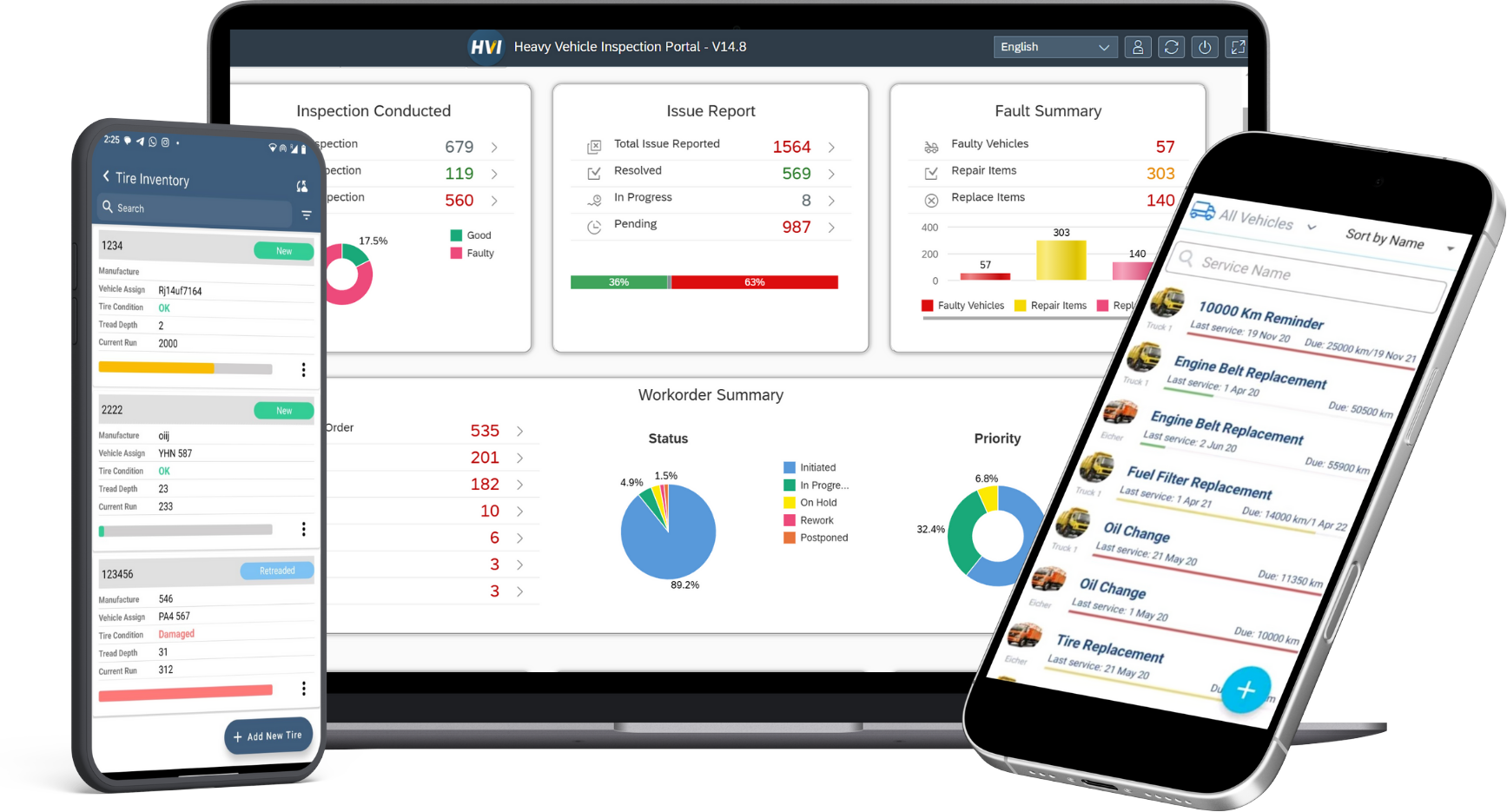
. To stay ahead in the rapidly evolving construction landscape of 2024, investing in a fleet management solution is essential.
- Automation: The integration of AI and robotics for tasks such as bricklaying and road building.
- Electrification: Transition to electric machinery to reduce carbon footprints.
- Sustainability: Adoption of eco-friendly building materials and waste reduction techniques.
- Data Analytics: Use of big data for predictive maintenance and optimized project management.
- 3D Printing: Revolutionizing construction methods with rapid prototyping and building.
Benefits
| Trend | Benefit |
|---|---|
| Automation | Reduces labor-intensive tasks, enhances precision, and lowers human error. |
| Electrification | Minimizes emissions and increases energy efficiency. |
| Sustainability | Contributes to long-term environmental goals and reduces operational waste. |
| Data Analytics | Facilitates smarter decision-making through actionable insights. |
| 3D Printing | Enables rapid prototyping and cost-effective construction solutions. |
How to Implement it Effectively?
- Conduct thorough research on the emerging trends to align them with company goals.
- Invest in training programs for staff to upskill and adapt to new technologies.
- Collaborate with technology providers to customize equipment needs and solutions.
- Initiate pilot projects to test the feasibility and ROI of new technologies.
- Regularly monitor and evaluate performance to ensure effective integration.
Overcoming Challenges
The transition to modern construction equipment is not devoid of challenges. Cost is a significant barrier, as cutting-edge technology requires substantial upfront investment. Additionally, there is a learning curve associated with any technological implementation. To overcome these challenges, companies should:
- Adopt a phased approach to equipment upgrades.
- Leverage governmental or industry grants for technological advancements.
- Implement continuous staff training and development programs.
Top 5 FAQs
- 1. What are the costs associated with adopting new construction equipment trends?
- While initial costs can be high, the long-term savings in efficiency and resource management often outweigh these expenses.
- 2. How can small companies keep up with these trends?
- Small companies can focus on incremental changes and partner with tech providers to gain access to beneficial technologies.
- 3. Are there safety concerns with automated and robotic equipment?
- Automation often enhances safety by reducing the need for human presence in hazardous areas. However, thorough risk assessments are necessary.
- 4. How significant is the role of government regulation in adapting these trends?
- Government regulations play a crucial role in setting compliance standards and providing incentives for sustainable practices.
- 5. What is the timeframe for seeing benefits from these trends?
- The timeframe can vary, but many companies see significant improvements within 6 to 12 months of implementation.