Integrating AI and IoT for Advanced Preventive Maintenance
In today's rapidly advancing technological landscape, the integration of Artificial Intelligence (AI) with the Internet of Things (IoT) is revolutionizing various industries. One remarkable application of this integration is in the realm of advanced preventive maintenance. Here, we will delve into the core aspects of integrating AI and IoT for preventive maintenance, examining its significance, benefits, effective implementation, challenges, and frequently asked questions.
What is Integrating AI and IoT for Advanced Preventive Maintenance?
Integrating AI and IoT for advanced preventive maintenance refers to the use of AI technologies like machine learning and data analytics in conjunction with IoT devices to anticipate and mitigate equipment failures. This approach leverages the real-time data collected by IoT sensors embedded in machinery to predict when maintenance should be performed. With AI's ability to process and analyze large datasets, it becomes possible to foresee potential issues before they result in costly failures.
Advanced preventive maintenance shifts from reactive to proactive strategies, ensuring operational efficiency and minimizing downtime. It's an evolution that moves beyond traditional maintenance schedules, which often rely on set time intervals, to more dynamic and informed decisions, saving both time and resources.
Why is it Important?
- Reduced Unplanned Downtime
- Cost Efficiency
- Increased Equipment Lifespan
- Enhanced Safety
- Improved Resource Allocation
Integrating AI and IoT for advanced preventive maintenance is vital because it transforms how organizations handle equipment upkeep. By predicting failures, businesses can significantly reduce the costly unplanned downtime that occurs when machinery unexpectedly breaks down. This integration helps in scheduling maintenance activities just in time, leading to better resource allocation and minimization of parts wastage.
Furthermore, efficient maintenance strategies extend the lifespan of equipment, ensuring that machinery operates at optimal levels for a longer period. This integration also enhances the safety of operations by predicting potential hazardous failures, thus protecting personnel and reducing liability risks.
Key Features
- Real-Time Monitoring
- IoT sensors continuously capture data related to machinery's operational conditions in real-time.
- Predictive Analytics
- AI-based analytics predict equipment failures by analyzing historical and real-time data sets.
- Automated Alerts
- Systems can trigger automatic notifications for maintenance when specific conditions are met.
- Integration with ERP Systems
- Seamless integration with existing Enterprise Resource Planning systems for efficient operations.
- Data Visualization
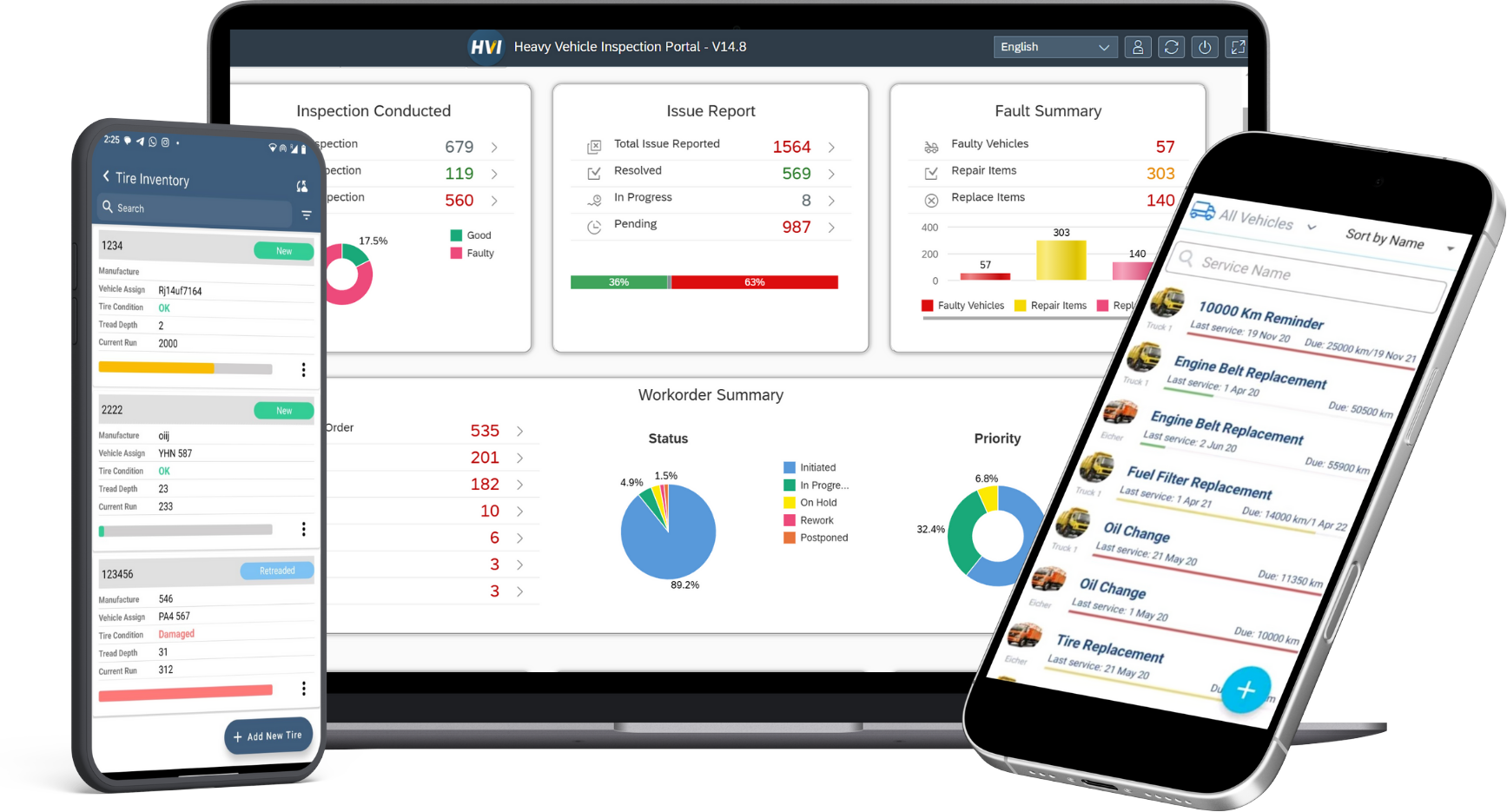
- Dashboards provide intuitive visual representations of equipment status and maintenance needs.
Benefits
The benefits of integrating AI and IoT for advanced preventive maintenance extend beyond financial savings and operational efficiencies.
- Prolonged Asset Lifecycles
- Optimized Maintenance Intervals
- Enhanced Production Quality
- Insightful Operational Decisions
- Sustainability Improvements
| Benefit | Description |
|---|---|
| Prolonged Asset Lifecycles | Regular, well-timed maintenance ensures equipment lasts longer. |
| Optimized Maintenance Intervals | Replacement of reactive maintenance with strategically timed interventions. |
| Enhanced Production Quality | Avoiding breakdowns keeps product quality standards consistent. |
| Insightful Operational Decisions | Data-driven insights inform managers about future maintenance resources and needs. |
| Sustainability Improvements | Reduction in resource waste and energy consumption through optimized equipment operation. |
How to Implement It Effectively?
Unlock the Future of Fleet Management
. Elevate your operations with an advanced fleet management solution that seamlessly integrates AI and IoT for proactive preventive maintenance. Experience
Implementing AI and IoT for advanced preventive maintenance is a strategic process that requires careful planning and execution. Here are some guidelines to ensure effective implementation:
- Conduct a Detailed Needs Analysis
- Choose the Right IoT Sensors
- Leverage Advanced AI Algorithms
- Ensure Seamless Integration
- Invest in Staff Training
Start with a comprehensive analysis of your operational needs to understand where the greatest efficiencies and cost savings can be realized. Selecting the right IoT sensors is crucial for accurate data collection. Therefore, an understanding of your operational environment's requirements is necessary before choosing the hardware.
Employ advanced AI algorithms tailored to your industry and operational requirements to analyze data effectively. Moreover, ensure that all systems integrate seamlessly with existing infrastructure to avoid disruption. Finally, invest in training your staff to adapt to and manage these technologies to leverage their full potential.
Overcoming Challenges
While the integration of AI and IoT for preventive maintenance is a promising leap forward, it does come with its unique set of challenges:
- Data Management Complexities
- Security Risks
- Integration Issues
- High Initial Costs
- Cultural Resistance
One primary challenge is managing the vast amount of data generated by IoT devices, which necessitates robust storage and processing solutions. Security is also a critical concern as interconnected devices increase exposure to cyber threats. Ensuring seamless system integration can pose logistical difficulties, and while long-term savings are significant, the initial investment can be substantial. Additionally, there may be resistance within the organization toward adopting new technologies, which requires systematic change management.
Overcoming these challenges involves engaging with technology partners for secure, scalable solutions, performing cost-benefit analyses to justify the initial investments, prioritizing training to address cultural resistance, and ensuring strategic change management at every step of the way.
Top 5 FAQs
- Can all types of machinery benefit from AI and IoT integration?
While most machinery can benefit, the extent of the benefits is contingent upon the machinery's complexity and the ability to integrate necessary sensors.
- What is the ROI timeframe for integrating AI and IoT for maintenance?
Typically, organizations see a return on investment within a few years, depending on the scale of implementation and reduction in maintenance costs.
- How scalable is AI and IoT technology in maintenance?
These technologies are highly scalable, allowing organizations to start small and expand as they see proven benefits.
- What role does machine learning play in predictive maintenance?
Machine learning algorithms process historical data to identify patterns, predict future failures, and improve decision-making processes.
- Is it necessary to replace existing systems to integrate AI and IoT?
Not necessarily. Many AI and IoT systems are designed to integrate with existing infrastructure to leverage the benefits without complete replacement.
As industries continue to evolve, embracing the integration of AI and IoT for advanced preventive maintenance becomes more of a necessity than an option. By understanding its importance, features, implementation strategies, challenges, and solutions, businesses can effectively transition to this innovative maintenance strategy, ensuring resilience and competitiveness in the marketplace.