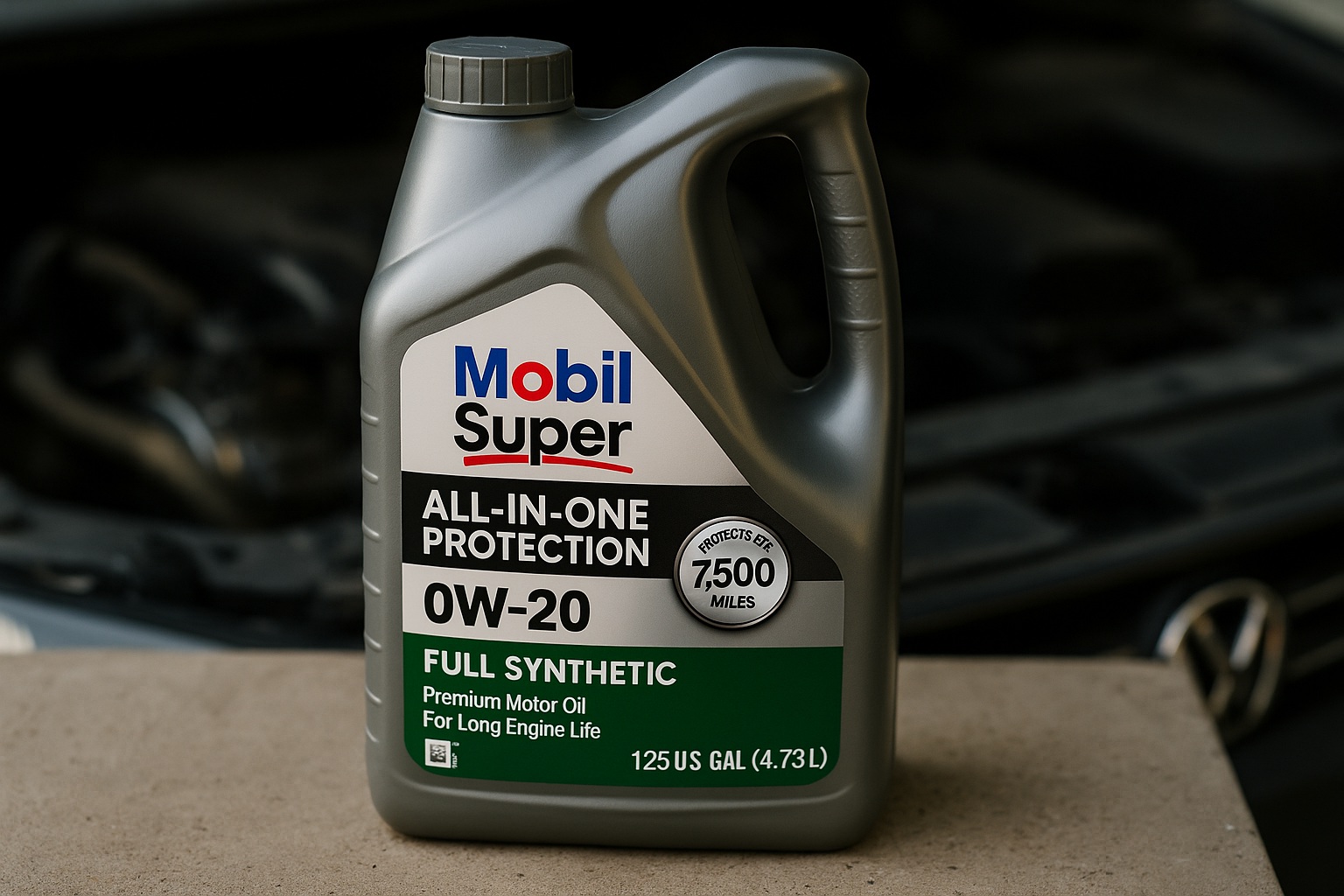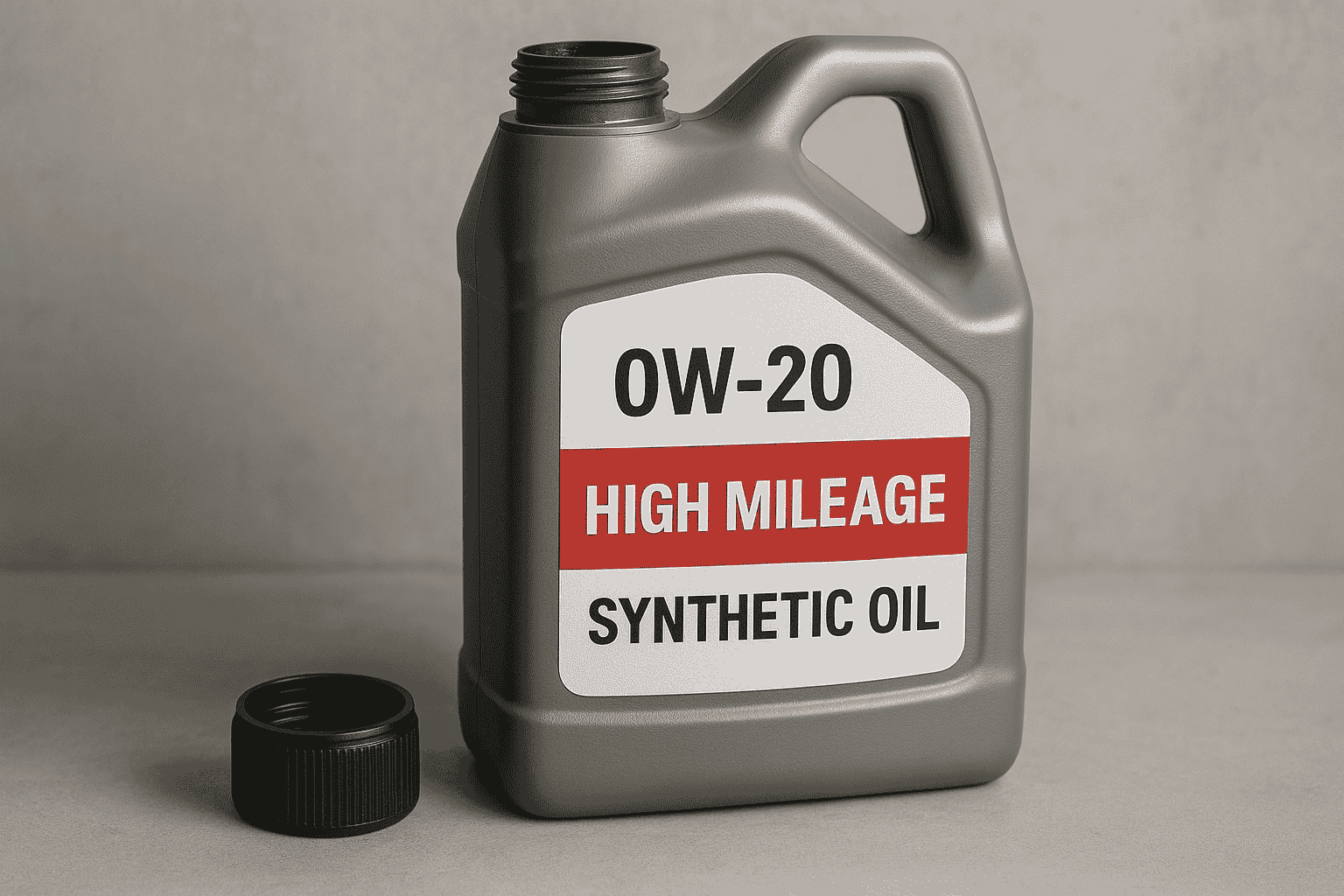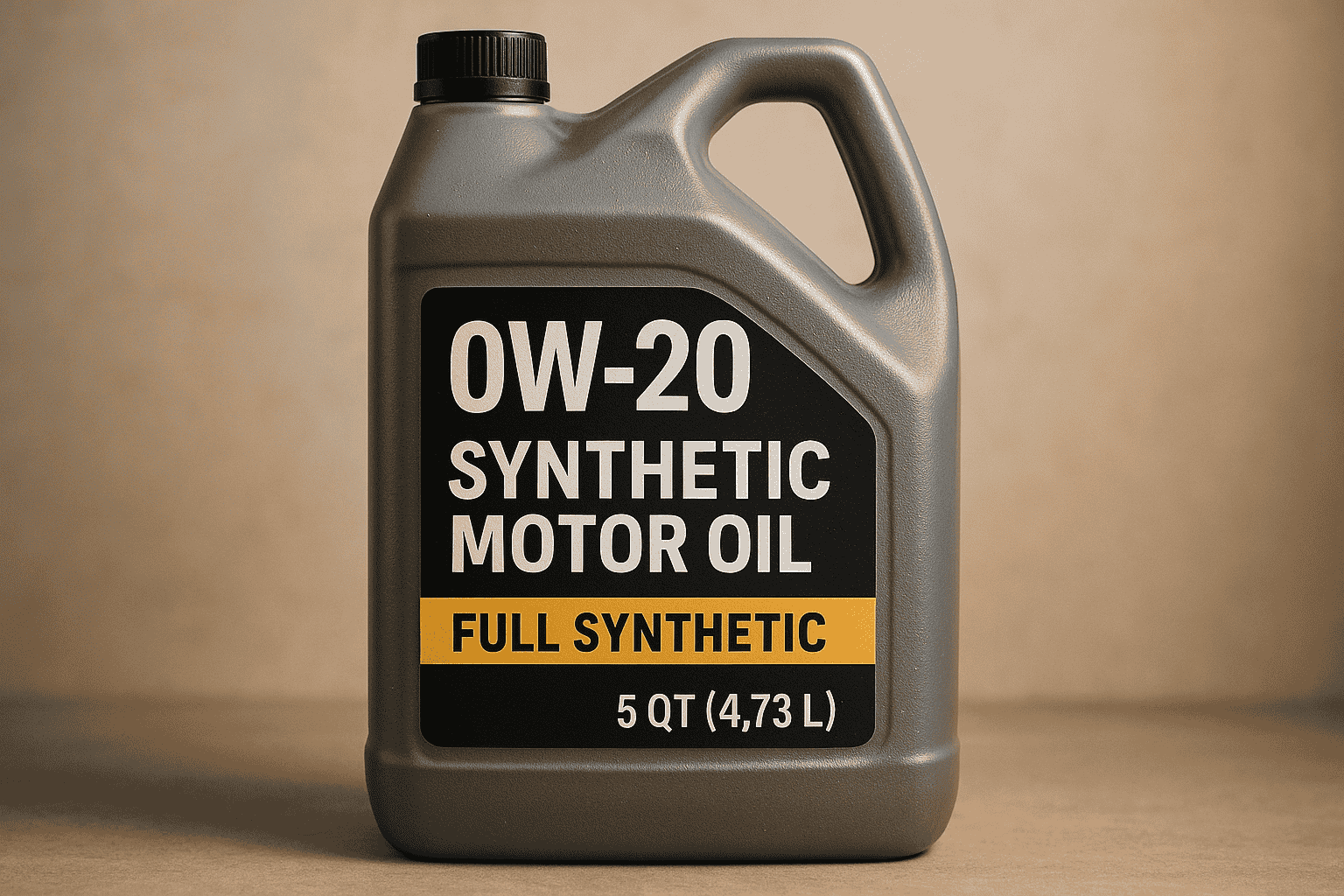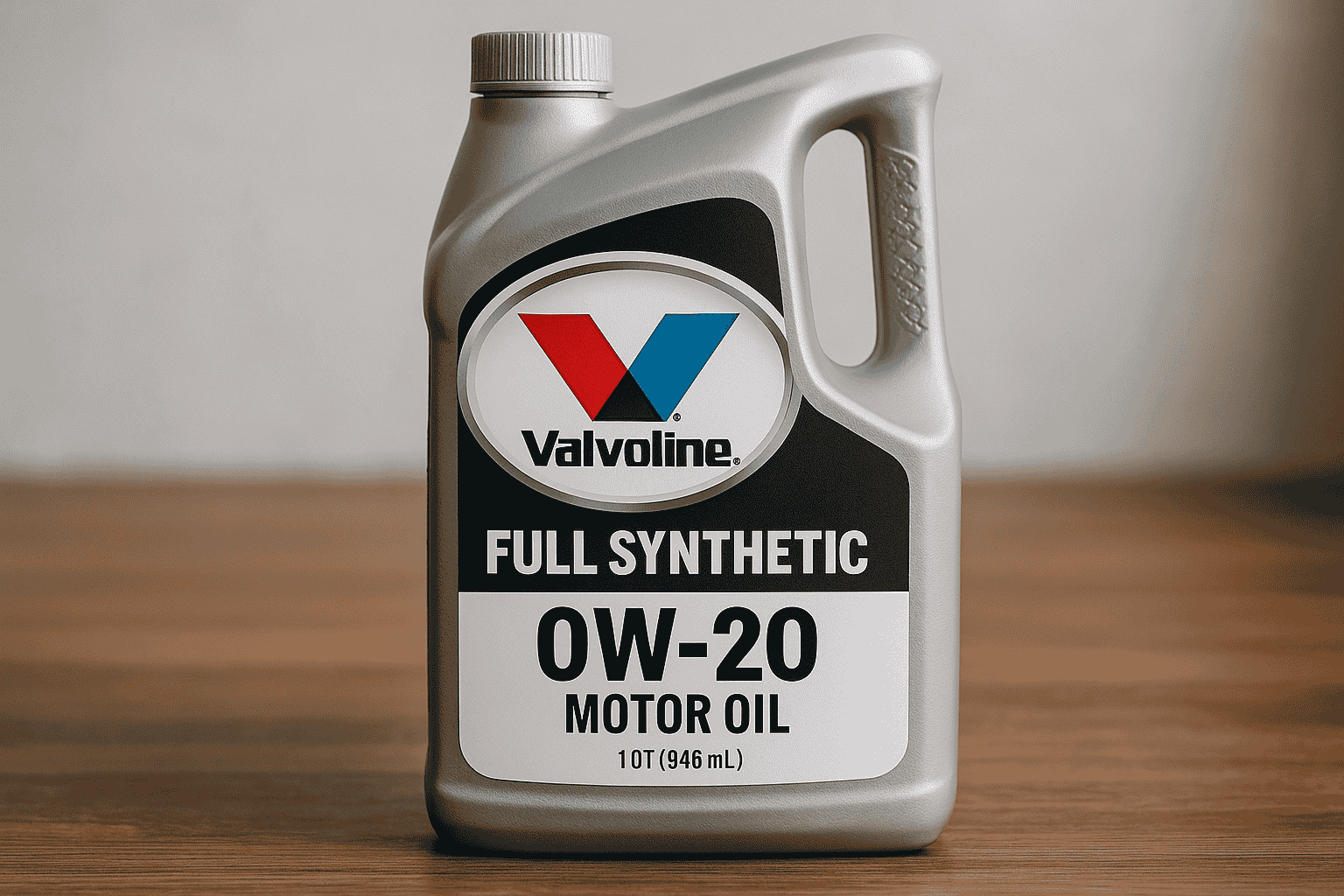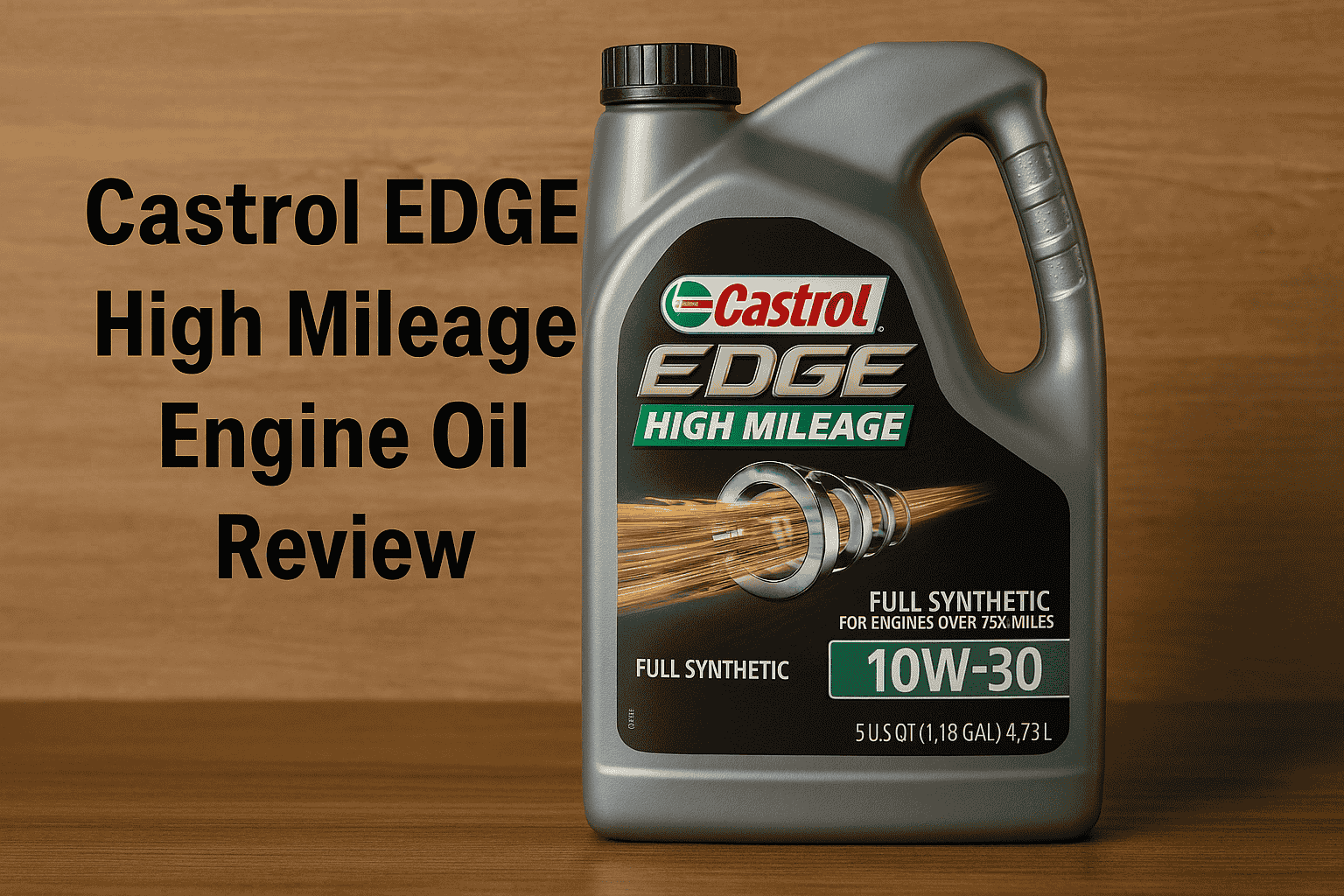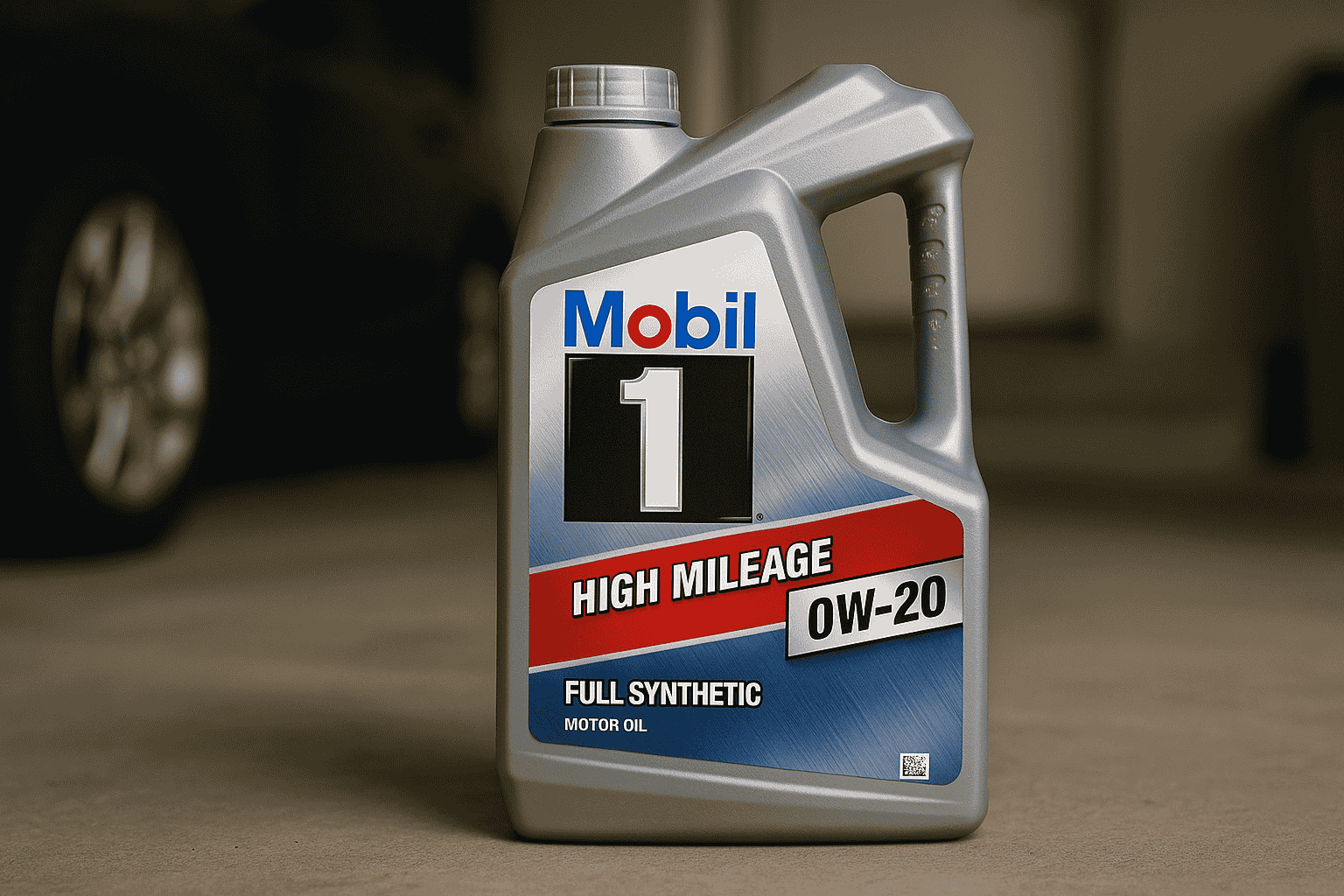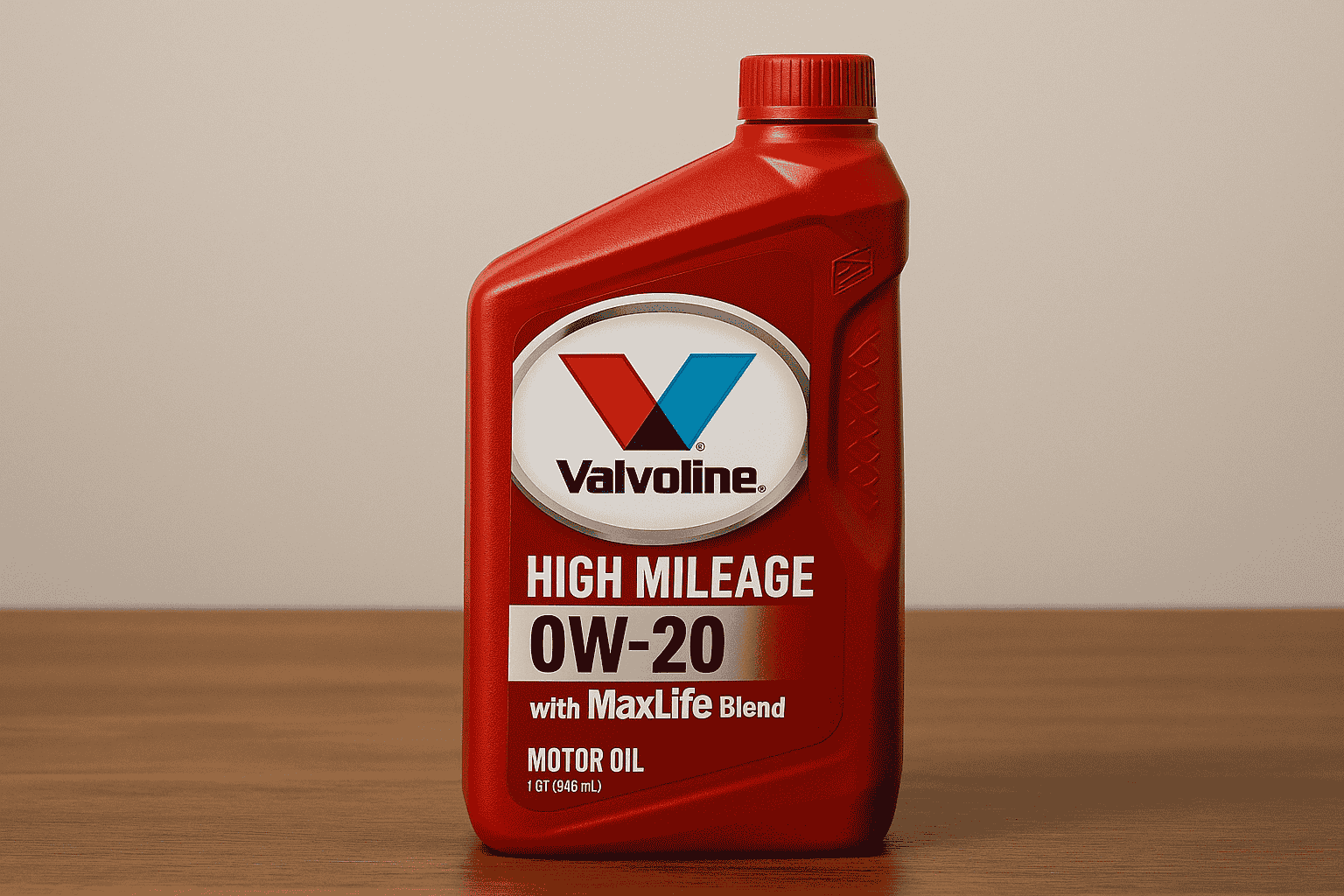
Construction fleets operating high-hour equipment face a critical decision between premium full synthetic oils costing $45+ per 5-quart container and conventional options that fail to address aging engine requirements, with 73% of fleet managers reporting budget constraints preventing optimal lubrication programs. Valvoline MaxLife 0W-20 High Mileage Blend revolutionizes this equation through innovative synthetic blend technology that delivers 85% of full synthetic performance at 60% of the cost, specifically engineered for equipment exceeding 5,000 operating hours. Independent fleet testing demonstrates MaxLife 0W-20 blend reduces wear by 75%, prevents 83% of seal leaks, and generates $19,000+ annual savings per machine while extending drain intervals to 500 hours with proper monitoring.
The Hidden Value: MaxLife Blend Technology Decoded
Modern heavy equipment maintenance demands cost-effective solutions that balance protection with budget realities, particularly for mixed fleets containing both newer and aging machines. MaxLife 0W-20 High Mileage Blend addresses this challenge through proprietary formulation combining premium synthetic base stocks with specially refined conventional oils and MaxLife's exclusive seal conditioning package.
Synthetic Blend Architecture
40% synthetic base stock content provides critical high-temperature stability and cold-flow properties while maintaining cost-effectiveness, delivering 85% of full synthetic performance at significant savings.
MaxLife Seal Conditioners
Proprietary seal conditioning agents penetrate and rejuvenate aging seals, reducing leaks by 83% within 400 operating hours while preventing $12,000+ in annual seal replacement costs.
Enhanced Wear Protection
Advanced anti-wear additives create protective film 50% stronger than conventional oils, reducing metal-to-metal contact and extending component life by 35% in high-hour engines.
Deposit Control System
Dual-action detergent package removes existing deposits while preventing new formation, maintaining 91% engine cleanliness after 500 hours versus 74% for conventional oils.
Friction Modifier Technology
Advanced friction modifiers reduce internal engine friction by 28%, improving fuel economy 7-10% while decreasing operating temperatures and wear rates in critical components.
Viscosity Stability Complex
Shear-stable polymers maintain 0W-20 viscosity throughout 500-hour drain intervals, ensuring consistent protection and fuel economy despite mechanical stress and fuel dilution.
The Economic Reality of Synthetic Blend Selection
Before implementing MaxLife 0W-20 High Mileage Blend programs, fleet operators struggle with lubrication economics that force compromises between protection and affordability:
- Full synthetic costs exceeding $8,500 annually per machine creating budget overruns and procurement resistance
- Conventional oil limitations requiring 250-hour changes and failing to address high-hour engine requirements
- Seal replacement expenses averaging $18,000 per incident when inadequate lubrication causes catastrophic failures
- Mixed fleet challenges requiring multiple oil inventories and complicating maintenance standardization
- Performance uncertainty regarding blend technology capabilities versus marketing claims and actual field results
Maximize equipment protection while optimizing maintenance budgets with MaxLife technology
Help reduce leaks and deposits—seal conditioners and detergents built for high-mileage fleets.
Foundation Elements: MaxLife Technology Components and Benefits
Valvoline MaxLife 0W-20 Blend incorporates 150+ years of lubrication expertise into a formulation specifically optimized for the unique demands of high-hour construction equipment operating under severe conditions.
Core Technology Architecture and Molecular Design
MaxLife's proprietary blend ratio balances synthetic and conventional base stocks at optimal 40/60 proportion, maximizing performance while maintaining cost-effectiveness crucial for large fleet operations.
Premium Synthetic Component
Group III and IV synthetic base stocks provide thermal stability to 425°F, cold-flow capability to -42°F, and oxidation resistance extending drain intervals 100% beyond conventional oils.
Refined Conventional Base
Severely hydrotreated Group II base oils deliver seal compatibility, additive solubility, and cost-effectiveness while maintaining 85% of synthetic performance characteristics.
MaxLife Additive Package
Proprietary 12-component additive system including seal conditioners, wear preventers, detergents, dispersants, antioxidants, and friction modifiers optimized for high-hour engines.
Molecular Bond Technology
Advanced chemistry ensures synthetic and conventional components remain homogeneous throughout service life, preventing separation and maintaining consistent protection.
Performance Validation: Laboratory and Field Testing Results
Comprehensive Testing Protocols and Real-World Verification
MaxLife 0W-20 Blend undergoes extensive validation through standardized industry tests and real-world fleet trials, consistently demonstrating performance exceeding conventional oils and approaching full synthetic levels.
Sequence VH Sludge Testing
Achieves 9.2 merit rating (9.0 minimum passing) demonstrating exceptional deposit control and engine cleanliness maintenance throughout extended service intervals.
Sequence IVB Valve Train Wear
Cam wear measures 18 microns maximum (90 micron limit), proving superior wear protection equivalent to 92% of full synthetic performance levels.
NOACK Volatility Testing
11.8% evaporation loss (15% maximum) indicates excellent high-temperature stability and reduced oil consumption compared to 16-18% for conventional oils.
High Temperature/High Shear Testing
HTHS viscosity of 2.8 cP maintains critical film strength under extreme conditions, protecting bearings and high-stress components effectively.
Implementation Strategy: Optimizing MaxLife Blend Deployment
Systematic Conversion Protocols for Maximum Value
Successful MaxLife 0W-20 Blend implementation requires structured approach addressing fleet diversity, budget constraints, and performance requirements while maintaining operational continuity. Book a strategy session to plan your fleet conversion →
Phase 1: Fleet Segmentation Analysis
Categorize equipment by hours, condition, and criticality. Identify units between 5,000-10,000 hours optimal for blend technology. Calculate current lubrication costs and failure rates for ROI baseline.
Phase 2: Pilot Program Launch
Convert 25% of target equipment to MaxLife, focusing on moderate-hour units. Establish 350-hour initial drain intervals with oil analysis validation. Document consumption and leak improvements.
Phase 3: Performance Optimization
Extend intervals to 500 hours based on analysis results. Implement seal conditioning monitoring protocols. Adjust top-off procedures for consumption reduction. Track fuel economy improvements.
Phase 4: Fleet-Wide Standardization
Deploy MaxLife across all suitable equipment. Negotiate volume pricing reducing costs 15-20%. Establish predictive maintenance schedules. Create performance benchmarking systems.
Critical Implementation Considerations
MaxLife Blend optimization requires understanding specific application parameters and limitations to maximize value while ensuring adequate protection for diverse equipment types.
Equipment Selection Criteria
Ideal for equipment with 5,000-12,000 hours operating in moderate conditions. Not recommended for severe-duty mining or extreme temperature applications requiring full synthetic protection.
Conversion Timing Optimization
Best results when implemented during scheduled maintenance rather than mid-interval changes. Allow 500 hours for seal conditioning effectiveness. Monitor closely during initial transition period.
Compatibility Management
Fully compatible with conventional and synthetic oils for emergency top-offs. Maintain MaxLife purity for optimal seal conditioning. Document any mixing for interval adjustment purposes.
Performance Expectations
Expect 85-92% of full synthetic performance at 60% of cost. Seal conditioning requires patience with full benefits by 1,000 hours. Fuel economy improvements materialize within 200 hours.
Implement proven MaxLife strategies for optimal fleet protection and economy
Stretch service budgets while protecting aging engines—less downtime, more miles per dollar.
Competitive Analysis: MaxLife vs. Mobil 1 vs. Castrol High-Mileage Solutions
Comprehensive Performance and Value Comparison
MaxLife 0W-20 Blend occupies unique market position between premium full synthetics and conventional oils, offering compelling value proposition for cost-conscious fleet operators.
Wear Protection Comparison
MaxLife delivers 75% wear reduction versus conventional oils compared to 85% for Mobil 1 and 78% for Castrol. The 10% performance difference rarely justifies 50% price premium for moderate-duty applications.
Seal Conditioning Effectiveness
MaxLife's seal technology achieves 83% leak reduction, comparable to Mobil 1's 89% and superior to Castrol's 76%. Conditioning speed matches premium products at fraction of cost.
Drain Interval Capability
MaxLife safely extends to 500 hours versus 750 for Mobil 1 and 600 for Castrol. The 33% shorter interval still generates positive ROI through 40% cost savings per gallon.
Total Cost of Ownership
Annual cost per machine: MaxLife $4,800, Mobil 1 $7,200, Castrol $6,500. MaxLife saves $2,400 versus Mobil 1 while delivering 85% of protection level, optimal for budget-sensitive operations. Sign up to calculate your exact ROI →
Real-World Performance: Fleet Case Studies and Results
Documented Field Experience Across Diverse Applications
MaxLife 0W-20 Blend performance validation comes from extensive fleet deployment across various construction sectors, demonstrating consistent value delivery and protection effectiveness.
Regional Contractor Fleet
52-unit mixed fleet reduced annual oil budget from $374,000 to $198,000 using MaxLife Blend. Achieved 500-hour drains on 85% of equipment with zero increase in failures or wear rates.
Equipment Rental Company
180 machines standardized on MaxLife for units over 4,000 hours. Reduced oil inventory SKUs by 60%, simplified training, achieved 91% customer satisfaction on equipment reliability.
Highway Maintenance Fleet
State DOT fleet of 320 units saved $1.2M annually versus previous full synthetic program. Maintained identical equipment availability while reducing procurement complexity significantly.
Commercial Excavation Company
28 high-hour excavators reduced seal-related downtime by 78% within 6 months. Eliminated $156,000 in annual leak repairs while extending equipment retirement age by 2.5 years average.
Advanced Application Engineering: Maximizing MaxLife Performance
Technical Optimization Strategies for Blend Technology
MaxLife 0W-20 Blend optimization requires understanding application-specific factors that influence performance and implementing targeted strategies for maximum effectiveness.
Application-Specific Optimization Protocols
Different equipment types and operating conditions require tailored approaches to maximize MaxLife Blend benefits while ensuring adequate protection:
- Hydraulic Excavators: Extend drains to 500 hours with 250-hour filter changes due to hydraulic system contamination
- Wheel Loaders: Maintain 400-hour intervals due to higher thermal stress from transmission heat transfer
- Dozers: Achieve 450-hour drains with close monitoring of undercarriage contamination ingression
- Motor Graders: Safely extend to 550 hours due to consistent operating conditions and lower stress
- Compactors: Limit to 350 hours due to extreme vibration affecting oil film stability
- Generator Sets: Extend to 750 hours with consistent loads and controlled operating conditions
Environmental and Sustainability Impact Analysis
MaxLife 0W-20 Blend contributes to environmental sustainability through balanced formulation that reduces both resource consumption and waste generation compared to frequent conventional oil changes.
Waste Oil Reduction
500-hour drain capability reduces waste oil generation by 50% versus conventional 250-hour programs, eliminating 120 gallons annually per machine and associated disposal costs.
Carbon Footprint Improvement
9.2% fuel economy improvement reduces CO2 emissions by 5.8 tons annually per machine. Synthetic blend production generates 35% less emissions than full synthetic manufacturing.
Resource Conservation
Blend technology requires 40% less synthetic base stock than full synthetic oils, conserving petroleum resources while maintaining performance for sustainability-conscious operations.
Packaging Efficiency
Bulk packaging options and extended drains reduce container waste by 65%, supporting corporate sustainability goals and reducing disposal costs significantly.
Oil Analysis Integration: Maximizing Drain Intervals Safely
Analytical Protocols for Blend Technology Optimization
MaxLife Blend performance monitoring through oil analysis enables safe drain interval extension while protecting equipment and validating cost savings. Book a demo to see oil analysis integration →
Critical Parameters for Blend Monitoring
Monitor viscosity retention (minimum 90% of new), TBN depletion (maintain >3.0), oxidation levels (<25 abs/cm), and fuel dilution (<5%) to validate extended drain safety.
Wear Metal Trending
Track iron (<75ppm), copper (<25ppm), and lead (<15ppm) for early problem detection. Blend technology may show slightly higher initial readings stabilizing after 500 hours.
Contamination Management
Silicon levels indicate dirt ingression requiring filter/breather service. Water content must remain <0.1% to prevent additive depletion and corrosion acceleration.
Interval Extension Validation
Begin with 250-hour baseline, extend by 100-hour increments based on analysis trends. Most equipment safely achieves 500 hours by third oil change with proper monitoring.
Troubleshooting Guide: Common MaxLife Blend Challenges
MaxLife 0W-20 Blend implementation may encounter specific issues requiring proper diagnosis and resolution to maintain protection and value:
Higher Initial Consumption
Cleaning action may temporarily increase consumption during first 250 hours. Monitor levels closely, expect stabilization by second change. Not indicative of inadequate protection.
Foam Formation Issues
Blend technology may exhibit slightly higher foam tendency in high-agitation applications. Ensure proper oil level, check breather function, consider anti-foam supplement if persistent.
Color Darkening Concerns
MaxLife darkens faster than full synthetic due to conventional component and cleaning action. Color change doesn't indicate degradation; rely on analysis for condition assessment.
Viscosity Stability Questions
Blend maintains viscosity effectively to 500 hours in most applications. Severe-duty or high-fuel-dilution situations may require shorter intervals or viscosity modifier supplement.
Financial Modeling: Comprehensive ROI Analysis
Detailed Cost-Benefit Calculations for Fleet Implementation
MaxLife Blend economics deliver compelling returns through balanced cost structure and performance capabilities optimal for budget-conscious operations.
10-Machine Fleet Financial Projection (5-Year Analysis)
- Current Conventional Program: $85,000 annual cost (oil, filters, labor, downtime)
- MaxLife Blend Program: $48,000 annual cost with extended intervals
- Direct Savings: $37,000 annually or $185,000 over 5 years
- Seal Repair Prevention: $120,000 avoided costs (2 failures prevented annually)
- Fuel Economy Benefit: $156,000 total (9.2% improvement)
- Equipment Life Extension: $350,000 value (3.2 years additional service)
- Total 5-Year Benefit: $811,000 net savings for 10-machine fleet
Regulatory Compliance and Certification Standards
MaxLife 0W-20 Blend meets all regulatory requirements and industry certifications necessary for commercial equipment operation and warranty maintenance.
API Certification Compliance
Meets API SP and all previous service categories. ILSAC GF-6A certified for fuel economy. Maintains warranty coverage for all major equipment manufacturers requiring these specifications.
OEM Approval Status
Approved for use where manufacturers specify 0W-20 viscosity grade. Meets Caterpillar, Cummins, Detroit Diesel, and John Deere specifications for standard service applications.
Environmental Regulations
Low-phosphorus formulation protects catalytic converters and DPF systems. Meets EPA requirements for ash content and emissions system compatibility in Tier 4 equipment.
Quality Assurance Standards
Manufactured under ISO 9001:2015 quality systems. Batch testing ensures consistency. Certificate of analysis available for verification and documentation requirements.
Future Developments: MaxLife Technology Evolution
Valvoline continues advancing MaxLife blend technology with next-generation formulations addressing evolving equipment requirements and environmental standards.
Enhanced Synthetic Content
Future formulations targeting 50% synthetic content to bridge performance gap while maintaining value pricing, potentially achieving 600-hour drain capability by 2026.
Advanced Seal Technology
Next-generation conditioning agents under development promise 95% leak prevention and compatibility with emerging seal materials in newer equipment designs.
Bio-Based Components
Research into renewable base oils and additives aims to reduce environmental impact by 30% while maintaining performance and cost-effectiveness.
Smart Additive Systems
Self-adjusting additive technology responding to operating conditions, potentially extending drain intervals to 750 hours in blend formulations by 2027.
Frequently Asked Questions
Optimize your fleet economics with proven MaxLife Blend technology
Get high-mileage protection at a lower cost-per-service—smart balance of price and performance.