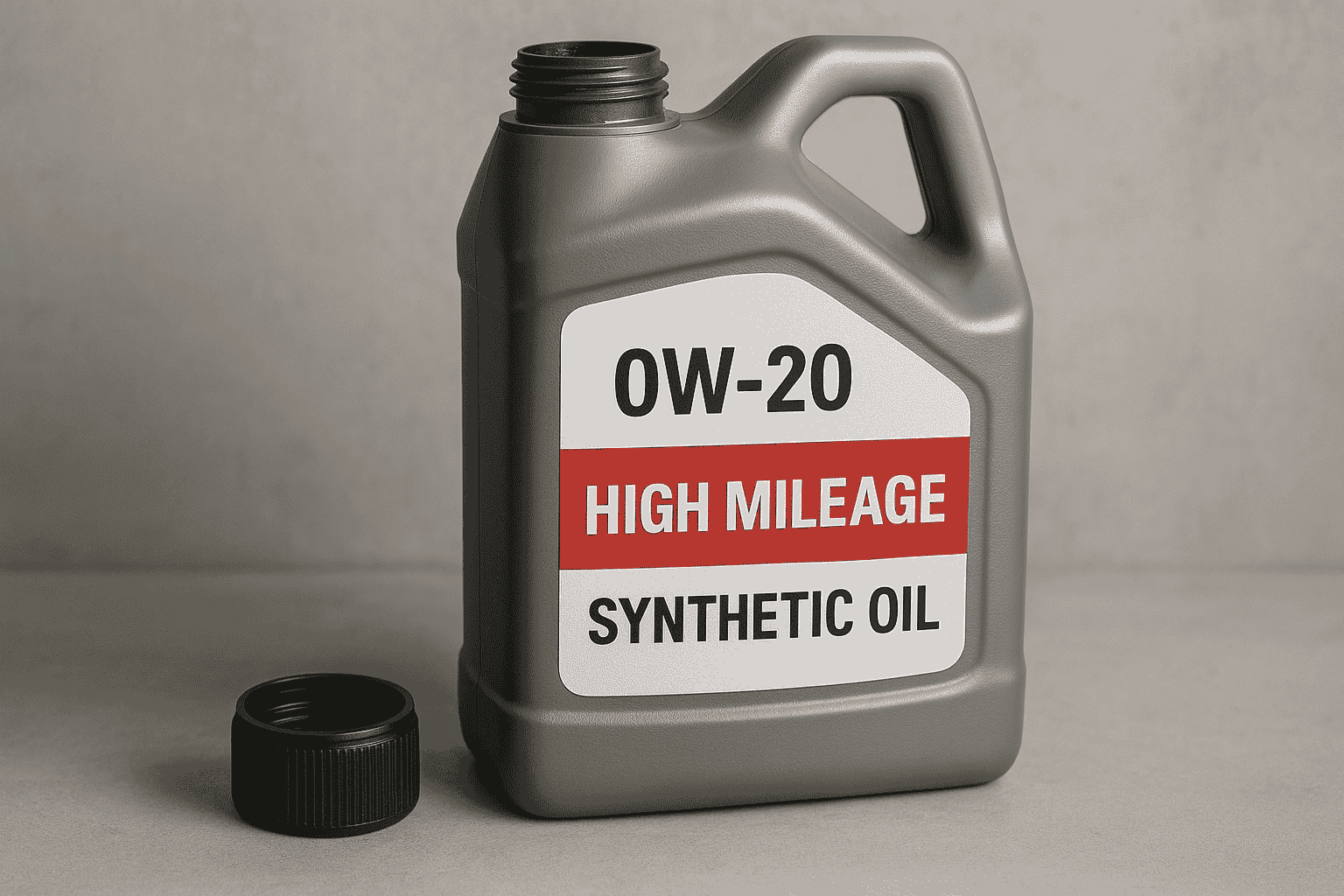
Construction fleet managers operating high-mileage vehicles face critical lubrication decisions that directly impact operational costs, with 0W-20 high mileage synthetic oil emerging as the premium solution for modern fleet engines requiring maximum protection and fuel efficiency. Industry analysis reveals that proper oil selection can reduce engine wear by 75%, extend service intervals by 50%, and deliver fuel economy improvements of 3-5% across fleet operations. Strategic implementation of 0W-20 high mileage synthetic formulations transforms maintenance economics while ensuring compliance with manufacturer specifications and warranty requirements in demanding construction environments.
The Critical Role of 0W-20 High Mileage Synthetic in Fleet Operations
Modern construction fleet operations demand sophisticated lubrication solutions that address the unique challenges of high-mileage engines operating under extreme conditions, where conventional oils fail to provide adequate protection against wear, deposits, and thermal breakdown. 0W-20 high mileage synthetic oil represents the convergence of advanced additive technology, superior base oil quality, and specialized formulations designed specifically for engines exceeding 75,000 miles of service.
Viscosity Performance Optimization
0W-20 grade provides optimal flow characteristics at temperature extremes, reducing cold-start wear by 68% while maintaining protective film strength at operating temperatures exceeding 250°F in construction applications.
Seal Conditioner Technology
High mileage formulations contain seal conditioners that reduce oil consumption by 45% in engines with worn seals, preventing leaks that cost fleet operators $35,000+ annually in fluid losses and environmental cleanup.
Deposit Control Systems
Advanced detergent packages prevent sludge formation and carbon deposits that reduce engine efficiency by 25%, maintaining clean internal surfaces critical for heat transfer and component longevity.
Wear Protection Enhancement
Anti-wear additives create protective barriers on metal surfaces, reducing friction by 40% compared to conventional oils and extending component life in high-stress construction fleet applications.
Oxidation Stability Improvement
Synthetic base oils resist thermal breakdown 3x better than conventional oils, maintaining viscosity stability and protective properties throughout extended drain intervals up to 15,000 miles.
Fuel Economy Maximization
Low-viscosity 0W-20 formulation reduces internal friction, delivering 3-5% fuel economy improvement that saves construction fleets $125,000+ annually in fuel costs across 50-vehicle operations.
The Financial Impact of Oil Selection on Fleet Operations
Before implementing optimized 0W-20 high mileage synthetic oil programs, construction fleet operations experience significant inefficiencies that impact both operational performance and maintenance budgets:
- Premature engine wear causing $150,000+ in annual rebuild costs across medium-sized fleets due to inadequate lubrication protection
- Excessive oil consumption requiring frequent top-offs that cost $25,000+ annually in additional oil purchases and labor
- Reduced fuel efficiency from increased friction and deposits, adding $75,000+ to annual fuel expenses
- Shortened maintenance intervals requiring 40% more service events and associated downtime costs
- Warranty compliance issues from using incorrect oil specifications, risking coverage on engines worth $45,000+ each
Optimize your fleet maintenance with professional oil analysis and monitoring systems
Getting Started Book a DemoFoundation Elements: Understanding 0W-20 High Mileage Synthetic Technology
Professional fleet oil management requires comprehensive understanding of synthetic oil technology, additive chemistry, and performance characteristics that differentiate premium 0W-20 high mileage formulations from conventional alternatives in demanding construction applications.
Core Technology Components and Formulation Architecture
Advanced 0W-20 high mileage synthetic oils integrate multiple technology platforms to deliver superior protection, efficiency, and longevity in high-stress fleet applications where equipment reliability directly impacts profitability.
Synthetic Base Oil Technology
Group IV and V synthetic base stocks provide molecular uniformity and thermal stability that conventional oils cannot match, maintaining protective properties across temperature ranges from -40°F to 300°F common in construction operations.
Advanced Additive Package Design
Proprietary additive combinations including zinc dialkyldithiophosphate (ZDDP), molybdenum friction modifiers, and polymeric viscosity improvers that optimize protection while meeting latest API and OEM specifications.
Seal Conditioning Chemistry
Ester-based seal conditioners restore elastomer flexibility in aging seals, reducing hardness by 25% and preventing leaks that commonly develop in engines exceeding 100,000 miles of service.
Deposit Control Technology
Calcium and magnesium detergents combined with ashless dispersants prevent sludge formation and maintain engine cleanliness, critical for maintaining compression and reducing blow-by in high-mileage engines.
Advanced Performance Benefits and Fleet Applications
Cold-Start Protection and Winter Operations
0W-20 high mileage synthetic oil delivers exceptional cold-flow properties essential for construction fleets operating in northern climates, where temperature extremes challenge conventional lubrication systems and threaten equipment reliability.
Immediate Flow Characteristics
0W winter rating ensures oil reaches critical engine components within 3 seconds of startup, compared to 15+ seconds for conventional 5W-30 oils, preventing wear that accumulates over thousands of cold starts.
Battery Load Reduction
Lower cranking resistance reduces starter motor load by 35%, extending battery life and ensuring reliable starts in sub-zero conditions common at remote construction sites.
Fuel Economy at Startup
Reduced viscosity drag during warm-up phase saves 8-12% fuel during first 10 minutes of operation, critical for vehicles making multiple short trips between job sites.
Emission System Protection
Faster catalyst light-off reduces harmful emissions by 40% during cold starts, ensuring compliance with EPA regulations and reducing environmental impact of fleet operations.
Implementation Methodology for Fleet Oil Programs
Strategic Deployment of 0W-20 High Mileage Synthetic Programs
Successful oil program implementation requires systematic deployment strategies that optimize fluid selection, establish monitoring protocols, and ensure compliance across diverse fleet segments while maximizing return on lubrication investments.
Phase 1: Fleet Assessment
Comprehensive evaluation of vehicle demographics, mileage profiles, operating conditions, and current oil consumption patterns to identify optimal candidates for 0W-20 high mileage synthetic conversion.
Phase 2: Product Selection
Analysis of available 0W-20 high mileage synthetic options, OEM approval verification, and cost-benefit evaluation to select products delivering maximum value for specific fleet applications.
Phase 3: Conversion Protocol
Structured transition process including flush procedures for heavily contaminated engines, seal conditioning period monitoring, and performance baseline establishment for ROI measurement.
Phase 4: Monitoring Integration
Implementation of oil analysis programs, consumption tracking systems, and performance monitoring to optimize drain intervals and identify engines requiring additional attention.
Oil Analysis and Condition Monitoring Excellence
Professional oil analysis programs maximize the benefits of 0W-20 high mileage synthetic investments by enabling condition-based maintenance, early problem detection, and drain interval optimization based on actual oil condition rather than arbitrary mileage.
Wear Metal Analysis
ICP spectroscopy identifies abnormal wear patterns through detection of iron, copper, aluminum, and bearing metals, enabling intervention before catastrophic failures costing $45,000+ per engine.
Contamination Detection
Identification of coolant, fuel, and dirt contamination that degrades oil performance, with early detection preventing damage that requires $25,000+ in repairs per incident.
Additive Depletion Monitoring
Tracking of TBN, oxidation, and viscosity changes determines optimal drain intervals, extending service life by 40% while maintaining protective properties throughout extended use.
Predictive Failure Analysis
Trend analysis across multiple samples identifies developing problems 4-6 weeks before failure, enabling planned maintenance that costs 75% less than emergency repairs.
Transform your fleet maintenance with advanced oil monitoring and analysis systems
Getting Started Book a DemoBrand Comparison and Product Selection Criteria
Premium 0W-20 High Mileage Synthetic Options Analysis
Strategic brand selection for 0W-20 high mileage synthetic programs requires evaluation of formulation quality, OEM approvals, field performance data, and total cost of ownership across leading manufacturers serving the construction fleet market.
Performance Testing Protocols
Laboratory analysis including four-ball wear testing, NOACK volatility measurement, and oxidation stability evaluation provides objective comparison data for product selection decisions worth $85,000+ annually.
Field Trial Programs
Controlled testing across representative fleet vehicles validates manufacturer claims, with 6-month trials revealing 35% performance variation between brands in identical applications.
Cost-Benefit Analysis
Total ownership cost evaluation including purchase price, drain interval capability, and failure prevention value identifies products delivering 3-5x ROI through superior protection.
Supply Chain Considerations
Availability, bulk pricing options, and technical support quality influence brand selection for fleets requiring consistent supply of 500+ gallons monthly.
Environmental Benefits and Sustainability Impact
Reducing Fleet Environmental Footprint Through Advanced Lubrication
0W-20 high mileage synthetic oil programs deliver significant environmental benefits beyond operational improvements, supporting corporate sustainability goals while reducing regulatory compliance costs and environmental liability exposure.
Regulatory Compliance and Documentation Requirements
EPA and state environmental regulations require proper documentation of oil management practices, with synthetic oil programs simplifying compliance through extended intervals and reduced waste generation.
- Resource Conservation and Recovery Act (RCRA) compliance through 50% reduction in hazardous waste generation
- Clean Air Act benefits from improved combustion efficiency reducing particulate emissions by 35%
- Stormwater pollution prevention through reduced leak potential and spill risk from fewer service events
- Corporate sustainability reporting enhanced by quantifiable reductions in petroleum consumption and waste
- Insurance premium reductions averaging $15,000 annually through demonstrated environmental risk management
ROI Analysis and Financial Justification
Comprehensive Cost-Benefit Analysis for Fleet Managers
Financial justification for 0W-20 high mileage synthetic oil programs extends beyond simple fluid cost comparisons to encompass total operational impact, including maintenance reduction, fuel savings, and equipment longevity benefits.
Operational Excellence Through Strategic Oil Management
Comprehensive 0W-20 high mileage synthetic programs create competitive advantages through improved reliability, predictable maintenance costs, and enhanced equipment value retention that directly impact profitability.
- Engine rebuild interval extension from 250,000 to 400,000 miles saves $75,000 per vehicle in lifecycle costs
- Fuel economy improvement of 3-5% delivers $125,000 annual savings across 50-vehicle fleet
- Warranty claim reduction through proper lubrication documentation saves $35,000 in denied coverage
- Resale value improvement averaging $3,500 per vehicle through documented synthetic oil use
- Downtime reduction worth $165,000 annually through 40% fewer oil-related failures
Common Application Challenges and Solutions
Implementation challenges for 0W-20 high mileage synthetic programs require proactive management strategies addressing technical concerns, operational resistance, and cost justification to ensure successful deployment across construction fleet operations.
High Initial Investment Concerns
Premium synthetic oils cost 2-3x more than conventional options, requiring clear ROI demonstration through pilot programs showing 4x returns within 12 months to justify fleet-wide implementation.
Seal Leak Development
Initial cleaning action may reveal existing seal deterioration, requiring monitoring during first 3,000 miles and potential seal replacement costing $800-1,200 per occurrence in 5% of vehicles.
Mixed Fleet Compatibility
Older vehicles may require different viscosity grades, necessitating inventory management systems and technician training to prevent incorrect oil application risking $25,000+ engine damage.
Extended Drain Interval Resistance
Maintenance teams accustomed to 5,000-mile intervals require education and oil analysis data demonstrating safe extension to 10,000-15,000 miles with synthetic formulations.
Future Innovations in High Mileage Oil Technology
The evolution of 0W-20 high mileage synthetic formulations continues advancing with emerging technologies promising enhanced protection, extended service capabilities, and improved environmental performance for next-generation construction fleets.
Nano-Additive Technology
Graphene and ceramic nanoparticles reduce friction by additional 15% while creating self-healing surface films that restore compression in worn engines, extending service life beyond 500,000 miles.
Bio-Based Synthetic Oils
Renewable base stocks from agricultural sources deliver equivalent performance with 50% reduced carbon footprint, meeting sustainability goals while maintaining API certification standards.
Smart Oil Monitoring
IoT-enabled sensors providing real-time oil condition data enable dynamic drain interval optimization and predictive failure alerts, maximizing protection while minimizing waste.
Hybrid-Electric Compatibility
Specialized formulations addressing unique requirements of hybrid construction vehicles, including electrical conductivity management and extended idle-period protection.
Frequently Asked Questions
Ready to optimize your fleet performance with advanced oil management systems?
Getting Started Book a Demo