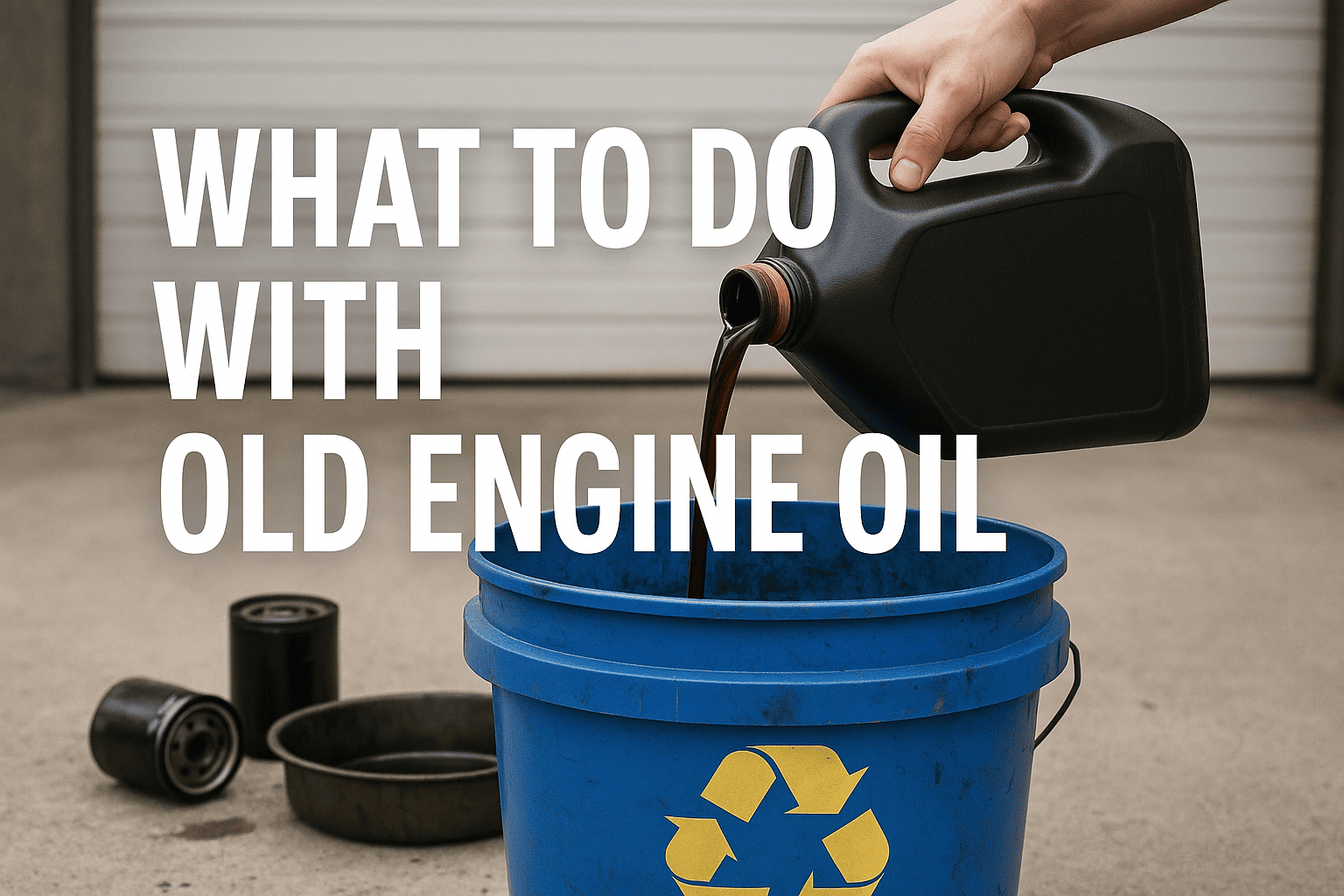
Old engine oil disposal represents one of the most critical environmental responsibilities facing the 250+ million vehicle owners in America, with improper disposal of just one oil change contaminating up to 1 million gallons of groundwater. Despite widespread availability of recycling programs, approximately 200 million gallons of used motor oil are improperly disposed of annually, creating devastating environmental consequences, and missing opportunities to recycle this valuable resource. Proper old engine oil disposal can prevent environmental contamination, support recycling industries that create jobs, and reduce dependence on virgin oil production while ensuring compliance with federal and state environmental regulations.
The Hidden Crisis: Environmental Impact of Improper Oil Disposal
The improper disposal of old engine oil creates cascading environmental damage that extends far beyond immediate contamination, affecting groundwater systems, soil quality, wildlife habitats, and human health across communities nationwide. Oil disposal mismanagement represents one of the most preventable forms of environmental contamination, yet continues to occur due to lack of awareness, inconvenience, and insufficient infrastructure in some areas. Understanding these impacts is the first step toward proper management—learn more about environmental compliance in our specialized consultation.
Groundwater Contamination
Used motor oil contains heavy metals, carcinogens, and toxic compounds that persist in groundwater for decades. A single quart can contaminate up to 250,000 gallons of water, affecting drinking water supplies and aquatic ecosystems downstream from contamination sources.
Soil Pollution and Plant Damage
Oil dumped on soil creates toxic zones where vegetation cannot survive, leading to erosion and habitat destruction. Contaminated soil requires expensive remediation costing $50-200 per cubic yard, often exceeding property values in affected areas.
Wildlife and Marine Impact
Oil contamination affects birds, mammals, and aquatic life through direct contact and food chain bioaccumulation. Marine environments are particularly vulnerable, with oil sheens preventing oxygen transfer and disrupting entire ecosystems.
Air Quality Degradation
Burning used oil releases toxic fumes including sulfur compounds, heavy metals, and carcinogenic particles that contribute to respiratory problems and air quality violations in urban and rural areas.
Economic Cleanup Costs
Environmental remediation from oil contamination costs taxpayers billions annually through Superfund cleanups, water treatment upgrades, and public health interventions addressing contamination-related health issues.
Legal and Regulatory Consequences
Improper oil disposal violates federal and state environmental laws, resulting in fines ranging from $1,000-50,000 per violation plus cleanup costs and potential criminal charges for willful environmental damage.
The Scale of the Used Oil Disposal Challenge
Before examining proper disposal methods, understanding the magnitude of used motor oil generation helps contextualize the importance of systematic disposal approaches:
- Annual oil change volume exceeding 1.3 billion gallons from automotive, industrial, and marine applications requiring proper management
- DIY oil change waste representing 40% of total used oil generation, often lacking proper disposal infrastructure and education
- Commercial and fleet operations generating massive volumes requiring specialized collection and processing systems
- Geographic distribution challenges with rural areas lacking convenient recycling access and urban areas overwhelmed by volume
- Contamination complications from mixed automotive fluids, antifreeze, and other chemicals complicating recycling processes
Ready to dispose of your used oil responsibly?
Schedule pickups, track manifests, and keep audit-ready proof in one place.
Foundation Elements: Comprehensive Used Oil Management Framework
Professional used oil disposal systems provide the infrastructure necessary for environmental protection, resource conservation, and regulatory compliance, incorporating collection networks, processing facilities, and end-use applications into unified management systems that transform waste into valuable recycled products. For fleet and commercial operations, centralized management platforms streamline disposal documentation and compliance reporting.
Core Disposal Options and Infrastructure
Effective used oil management frameworks integrate multiple disposal pathways and processing methods to accommodate diverse generation sources while maximizing recycling efficiency and environmental protection.
Automotive Retail Collection Network
Auto parts stores, quick-lube shops, and service stations provide convenient collection points accepting used oil from DIY mechanics and small-volume generators, typically processing 5-50 gallons per customer visit.
Municipal Recycling Programs
City and county hazardous waste facilities offer scheduled collection events and permanent drop-off locations for residents, often accepting oil filters and contaminated absorbent materials alongside used oil.
Commercial Collection Services
Professional waste management companies provide scheduled pickup services for high-volume generators including fleets, marinas, and industrial facilities requiring bulk collection and transportation.
Re-refining and Processing Facilities
Specialized facilities convert used oil into new lubricating products through advanced cleaning and refining processes, creating closed-loop recycling systems that reduce virgin oil demand.
Proper Disposal Methods and Best Practices
Step-by-Step Used Oil Disposal Process
Systematic used oil disposal requires careful handling, appropriate storage, and selection of certified collection facilities to ensure environmental protection and regulatory compliance throughout the disposal chain. Request a best practices consultation for your specific situation.
Safe Collection and Storage
Drain used oil into clean containers avoiding contamination with other fluids. Use original oil containers or dedicated collection vessels, never mixing with antifreeze, brake fluid, or solvents that complicate recycling.
Transportation Preparation
Ensure containers are tightly sealed and label contents clearly. Transport in vehicle trunk or pickup bed with absorbent materials to contain potential spills during transportation to collection facilities.
Facility Selection and Verification
Choose certified collection locations that guarantee proper recycling rather than disposal. Verify facility credentials and ask about their recycling process to ensure environmental responsibility.
Documentation and Record Keeping
Maintain records of disposal dates, quantities, and facility information for tax purposes and environmental compliance, particularly important for commercial generators subject to reporting requirements.
Collection Location Network and Accessibility
Nationwide Collection Infrastructure
Used oil collection accessibility varies significantly by region, with urban areas typically offering multiple convenient options while rural communities may require travel to access certified collection facilities.
Auto Parts Store Networks
AutoZone, O'Reilly's, Advance Auto Parts, and NAPA locations accept used oil from customers, typically allowing 5-7 gallons per visit. Most locations also accept used oil filters and provide recycling certificates.
Quick-Lube and Service Centers
Jiffy Lube, Valvoline Instant Oil Change, and independent service shops accept used oil from DIY customers, often providing this service to build customer relationships and community goodwill.
Municipal Collection Programs
City and county hazardous waste facilities offer regular collection events and permanent drop-off locations, often accepting larger quantities and providing comprehensive automotive fluid recycling services.
Retail Chain Programs
Walmart Auto Care Centers, Costco Tire Centers, and other major retailers accept used oil from customers, leveraging their extensive geographic coverage to improve collection accessibility.
Environmental Benefits and Resource Conservation
Recycling Process and End-Use Applications
Used oil recycling transforms waste into valuable products through sophisticated processes that clean, refine, and reprocess used lubricants into new oils, fuels, and industrial products, creating significant environmental and economic benefits.
Re-refining into Lubricating Oil
Advanced processing removes contaminants and restores molecular structure, producing recycled oil that meets or exceeds virgin oil specifications while using 85% less energy than virgin oil production.
Industrial Fuel Applications
Used oil provides clean-burning fuel for cement kilns, power plants, and industrial boilers, displacing fossil fuels while ensuring complete combustion that destroys organic contaminants safely.
Asphalt and Road Oil Production
Processed used oil becomes asphalt flux oil for road construction and maintenance, providing cost-effective infrastructure materials while diverting waste from landfills and reducing virgin petroleum demand.
Marine and Industrial Lubricants
Recycled oil serves specialized applications including marine engine oils, industrial hydraulic fluids, and metalworking lubricants, demonstrating the versatility and quality of properly processed used oil.
Quantifiable Environmental Impact
Comprehensive used oil recycling creates measurable environmental benefits that extend beyond immediate contamination prevention to encompass energy conservation, greenhouse gas reduction, and natural resource preservation. Track your environmental contributions with sustainability reporting tools.
- Energy conservation through recycling processes requiring 85% less energy than virgin oil production from crude petroleum
- Greenhouse gas reduction preventing 1.5 tons of CO2 emissions per 1,000 gallons of recycled oil compared to virgin production
- Water conservation saving millions of gallons annually by avoiding virgin oil refinery water consumption and preventing groundwater contamination
- Resource preservation reducing crude oil extraction by up to 500 million gallons annually through systematic used oil recycling
- Waste stream diversion preventing millions of gallons from entering landfills and illegal disposal sites that threaten environmental quality
Join the recycling solution for environmental protection
Recycle used oil with traceable manifests—meet regulations and hit your ESG goals.
Legal Requirements and Regulatory Compliance
Federal and State Environmental Regulations
Used oil disposal regulations create comprehensive legal frameworks governing collection, transportation, processing, and end-use applications to protect public health and environmental quality while promoting recycling and resource recovery. Stay compliant with automated regulatory tracking for your operations.
EPA Resource Conservation and Recovery Act (RCRA)
Federal regulations establish used oil management standards including generator requirements, transporter licensing, processor specifications, and marketer restrictions ensuring environmental protection throughout the recycling chain.
State Environmental Protection Laws
Individual state regulations often exceed federal requirements, establishing additional collection mandates, disposal restrictions, and recycling incentives tailored to local environmental conditions and industrial needs.
Municipal Ordinances and Local Rules
City and county regulations address local disposal issues including stormwater protection, illegal dumping penalties, and mandatory recycling programs for commercial generators and automotive service facilities.
Commercial Generator Requirements
Businesses generating used oil must comply with storage standards, record-keeping requirements, manifesting procedures, and disposal documentation ensuring traceability and environmental accountability. Schedule a compliance audit to ensure full regulatory adherence.
Economic Benefits and Industry Impact
Used Oil Recycling Economic Ecosystem
Used oil recycling industries create significant economic value through job creation, tax revenue generation, and cost savings for consumers and businesses while reducing environmental compliance costs and cleanup expenses.
Collection and Transportation Services
Waste management companies, independent haulers, and specialized collectors provide employment opportunities in every community while building infrastructure for systematic used oil recovery and processing.
Processing and Re-refining Facilities
Advanced recycling facilities create high-skilled manufacturing jobs while producing valuable recycled products that compete directly with virgin materials in quality and performance characteristics.
End-Use Market Development
Industries utilizing recycled oil products benefit from cost savings, supply chain reliability, and environmental performance improvements that enhance their competitive positioning and sustainability profiles.
Environmental Compliance Cost Reduction
Proper used oil management reduces cleanup costs, regulatory penalties, and environmental liability exposures for businesses and municipalities while protecting property values and public health.
Common Disposal Mistakes and Safety Considerations
Avoiding Dangerous and Illegal Disposal Practices
Used oil disposal errors create environmental damage, legal liability, and safety hazards that can be easily prevented through education and access to proper disposal infrastructure and procedures. Implement safety protocols with comprehensive training materials.
Storm Drain and Sewer Disposal
Pouring used oil down drains contaminates water treatment systems and waterways. Even small amounts can overwhelm treatment capacity, requiring expensive upgrades and creating environmental violations.
Soil and Ground Disposal
Dumping oil on ground creates persistent contamination requiring expensive remediation. Property values decline and legal liability extends to future owners and neighboring properties affected by contamination migration.
Trash and Landfill Disposal
Municipal waste systems cannot safely handle liquid oil, causing equipment damage and landfill contamination. Most jurisdictions prohibit liquid waste in regular garbage collection systems.
Burning and Incineration
Home burning of used oil releases toxic fumes and violates air quality regulations. Only specially equipped industrial facilities can safely combust used oil while meeting emission standards.
Advanced Solutions for Large Volume Generators
Commercial and Fleet Used Oil Management
High-volume used oil generators require specialized management systems that address storage requirements, collection logistics, regulatory compliance, and cost optimization while maintaining environmental protection and operational efficiency.
On-Site Storage and Handling Systems
Commercial facilities utilize bulk storage tanks, containment systems, and transfer equipment designed for safe accumulation and dispensing of large used oil volumes while meeting regulatory storage standards.
Scheduled Collection Services
Professional waste management companies provide regular pickup services with manifesting, documentation, and regulatory compliance support tailored to commercial generator needs and schedules.
Integrated Waste Stream Management
Comprehensive programs coordinate used oil collection with oil filters, absorbent materials, and other automotive fluids to optimize logistics and reduce total disposal costs while ensuring regulatory compliance.
Revenue Generation Opportunities
Large volume generators may receive payment for clean used oil, creating revenue streams that offset disposal costs while supporting recycling infrastructure and promoting environmental stewardship.
Future Outlook and Technology Innovation
Used oil management technology continues evolving through advanced processing methods, improved collection systems, and innovative end-use applications that enhance recycling efficiency while creating new economic opportunities and environmental benefits.
Advanced Re-refining Technologies
Next-generation processing equipment produces recycled oils that exceed virgin oil specifications while reducing energy consumption and environmental impact through improved separation and purification methods.
Mobile Collection and Processing
Portable processing units bring recycling capabilities directly to large generators, reducing transportation costs and environmental impact while improving collection efficiency in underserved areas.
Digital Tracking and Management
Blockchain technology and IoT sensors enable real-time tracking of used oil from generation through processing, ensuring regulatory compliance and optimizing logistics while preventing diversion to illegal disposal.
Circular Economy Integration
Closed-loop systems connect oil producers, users, and recyclers in comprehensive circular economy models that minimize waste, maximize resource utilization, and create sustainable economic value.
Frequently Asked Questions
Ready to dispose of your used oil responsibly and protect the environment?
Schedule collections, track manifests, and keep audit-ready proof in one place.




.png)