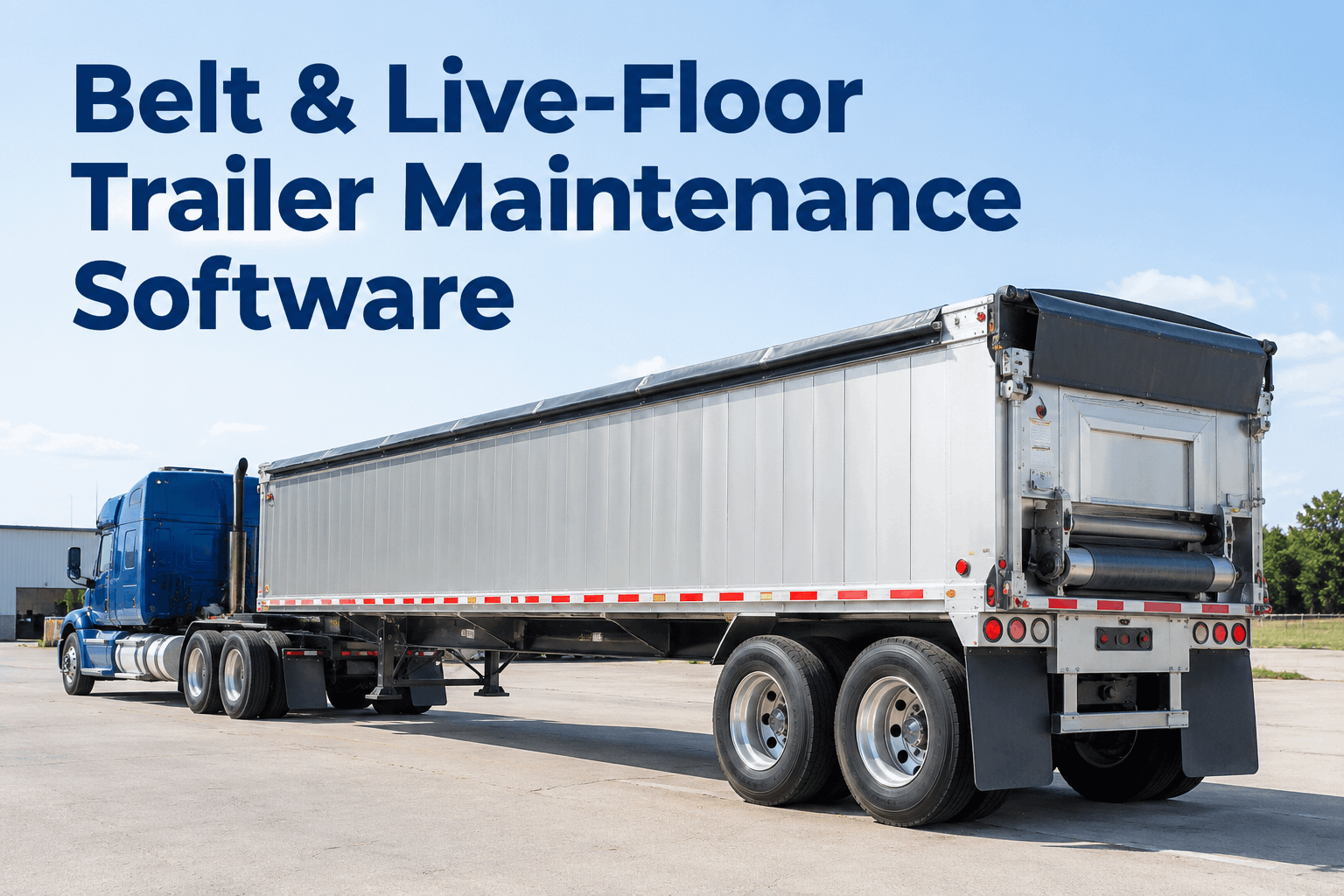
On a live-floor trailer, the floor is the engine — those hydraulic slats walking the load out the back are the one system that does the work and the one that strands you when a seal weeps or a cross-drive bearing goes. Belt and live-floor trailer maintenance software keeps that drive system on a schedule and every defect on a record, so a slow floor or a hydraulic leak a driver noticed at the tip becomes a tracked work order instead of a note nobody logged. Book a demo on your live-floor trailer fleet to see it on a real unit.
Keep the moving floor moving on every trailer you run
Digital inspections, floor-drive and hydraulic PM, defect-to-work-order tracking and a DOT-ready service history — per trailer, across your whole bulk-haul fleet.
Belt and live-floor trailers don't tip, so they skip the tip-over worry of a dump — but they trade it for a complex hydraulic drive that runs every single unload. That floor system is where the money and the downtime live, and it rarely fails without warning signs a driver could log. Here's how a connected record catches those signs before the floor quits mid-unload.
2 systemsBelt vs walking-floor trailer maintenance, side by sidetwo unload systems, two different maintenance focuses
Belt trailers and walking-floor trailers both move the load out without raising the body, but they wear in different places — so a single generic trailer form misses what matters. HVI lets you build a form per type, matched to the system your driver is actually inspecting.
- Conveyor belt floor — fast unload of free-flowing loads
- Watch belt tension, tracking, lacing & wear
- Drive rollers, bearings & hydraulic motor
- Hydraulic slats "walk" varied bulk materials out
- Watch slats, seals, cross drives & the drive unit
- Hydraulic pump, PTO & fluid condition
One account, a form per trailer type, every defect under the right unit. Book a demo of type-specific trailer inspections, or explore HVI's digital inspection toolkit.
The floor driveLive-floor trailer maintenance: the drive system that fails5 parts of the moving-floor system to watch at inspection
On a walking-floor trailer the whole job runs through one drive system, and almost every failure starts in one of these five parts. Each is observable at inspection before it quits on a loaded floor.
Drive unit
The hydraulic drive that reciprocates the slats — the heart of the system. Watch for leaks, noise and slow cycles.
Cross drives & bearings
Transfer motion across the floor. Worn bearings or binding cross drives show as uneven or jerky floor movement.
Slats & seals
The moving floor planks and their seals. Watch for worn slats, material packing and seals weeping fluid.
Hydraulic pump & PTO
Supplies the pressure. Check fluid level and condition, hoses, fittings and PTO engagement each service.
Structure & running gear
Frame, floor sub-structure, tires, brakes and bearings — the parts shared with any trailer, easy to overlook here.
Catch any of these at inspection and it's a scheduled repair; miss it and the floor quits with a load still on it. See HVI's daily operator reporting (DVIR) to close that gap.
The checklistWalking-floor trailer inspection checklist, built as a digital DVIRgrouped by system, with monthly and 6-month cadence
Here's the kind of live-floor trailer inspection your drivers and techs run inside HVI — each line observable, grouped by system, no vague "looks good." Load it once as a digital form; a failed line opens a work order on the spot, and deeper items get flagged on the 6-month torque-and-operation check.
- Floor runs smoothly both directions; no jerk or stall
- Drive unit & seals — no leaks or weeping fluid
- Hydraulic fluid level & condition; hoses sound
- PTO engages cleanly; pump quiet under load
- Slats / belt — no excess wear, packing or damage
- Cross drives & bearings — properly torqued, no play
- Belt tension & tracking correct (belt trailers)
- Fasteners torqued to spec across the drive
- Frame, floor sub-structure & welds — no cracks
- Rear door / seal operates & latches fully
- Tires, brakes, bearings & suspension within spec
- Lights, reflectors & coupling / landing gear secure
Want a broader starting point? Read our trailer maintenance & PM guide, then sign up free and load your live-floor checklist as a digital form.
PM that fitsLive-floor trailer preventive maintenance schedulingtrigger by calendar, mileage — or floor-drive hours
A live-floor trailer has no engine, but its floor drive racks up operating hours every unload — and that's what wears the hydraulics. Scheduling it on miles alone misses the real wear. HVI's preventive maintenance scheduling can fire on whichever of these lands first.
Monthly inspection and the 6-month torque-and-operation check by date — so nothing lapses on a trailer that sat.
Tires, brakes, bearings and suspension by miles towed — pulled from the tractor or logged.
Hydraulic and drive-unit service by hours of floor operation — the trigger that actually tracks drive wear.
Set each trigger once and the trailer file counts it down for you. Book a demo of hours-based floor-drive PM.
Why it paysThe case for live-floor trailer maintenance softwarewhy these trailers belong on the same system as your trucks
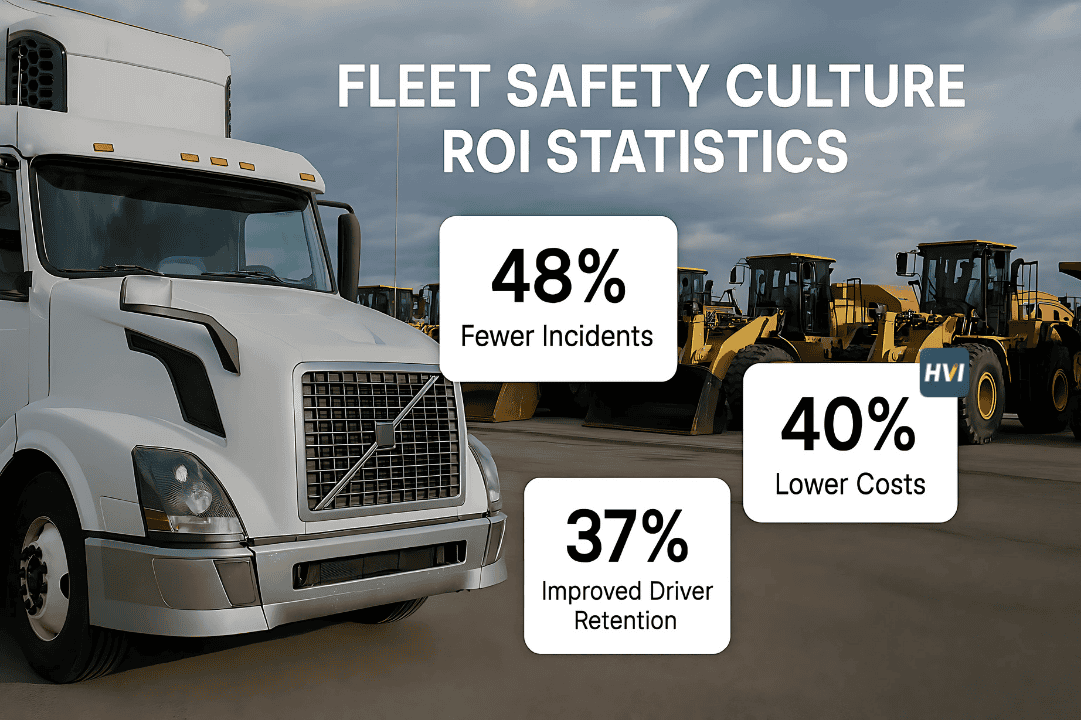
Lower annual maintenance cost reported by fleets that move inspections and PM onto one connected platform, with payback often inside three months.
The floor drive runs on every single unload — so its wear is continuous, and the one system most worth tracking by hours, not guesswork.
Vehicle Maintenance is one of the seven FMCSA BASIC categories in CSA — a clean per-trailer history keeps that score defensible at roadside.
Manufacturers like KEITH recommend a monthly inspection plus a 6-month torque-and-operation check on walking-floor systems — load both cadences into HVI so they trigger on the trailer file automatically instead of living on a wall calendar. Book a demo of recurring floor-drive checks.
From a bulk-haul fleet maintenance manager
We run walking-floor trailers hauling mulch and MSW, and the floor drive is the whole game — when it's down, the trailer earns nothing. Drivers would mention the floor felt sluggish and it'd get lost until a seal let go at the tip. Now the inspection logs floor-drive hours and flags the hydraulic service before it's due, and a sluggish-floor note opens a work order itself. We've had zero mid-unload floor failures since, which for us is the whole ROI.
Belt & live-floor trailer maintenance software — FAQs
Does HVI work for belt, live-floor and walking-floor trailers?
Yes. You build a form per type, so belt trailers get belt-and-roller checks and walking-floor trailers get slat, seal and drive-unit checks. All sit in one fleet view alongside your other trailers.
Can it schedule PM by floor-drive hours, not just miles?
It can. You set triggers by calendar, mileage or floor-operation hours, and PM fires on whichever hits first. Hours-based scheduling is what actually tracks hydraulic and drive-unit wear on a live-floor trailer.
How does it handle floor-drive and hydraulic defects?
A drive or hydraulic issue flagged at inspection opens a work order automatically, tagged to the trailer. Part, labor and sign-off are logged against the unit, so the repair and the inspection share one record.
Can it track both the monthly and 6-month manufacturer checks?
Yes. You load the monthly inspection and the 6-month torque-and-operation check as recurring PM, and HVI counts both down per trailer. Nothing lapses because it lived on a wall calendar.
Can I track these trailers alongside my trucks in one account?
Yes. Trailers and tractors live in the same fleet, each with its own inspection forms and PM schedule. You see the whole fleet in one place instead of tracking specialty trailers on a separate spreadsheet.
Put every belt and live-floor trailer on one maintenance record
See HVI run on your real trailers — type-specific inspections, hours-based floor-drive PM, automatic work orders from defects, and a DOT-ready history for every live-floor and belt trailer you own. Live in days, no hardware to install.
No credit card · No hardware · Trucks & trailers in one account