Importance of 6,000-Mile Vehicle Inspections
Regular Engine Protection
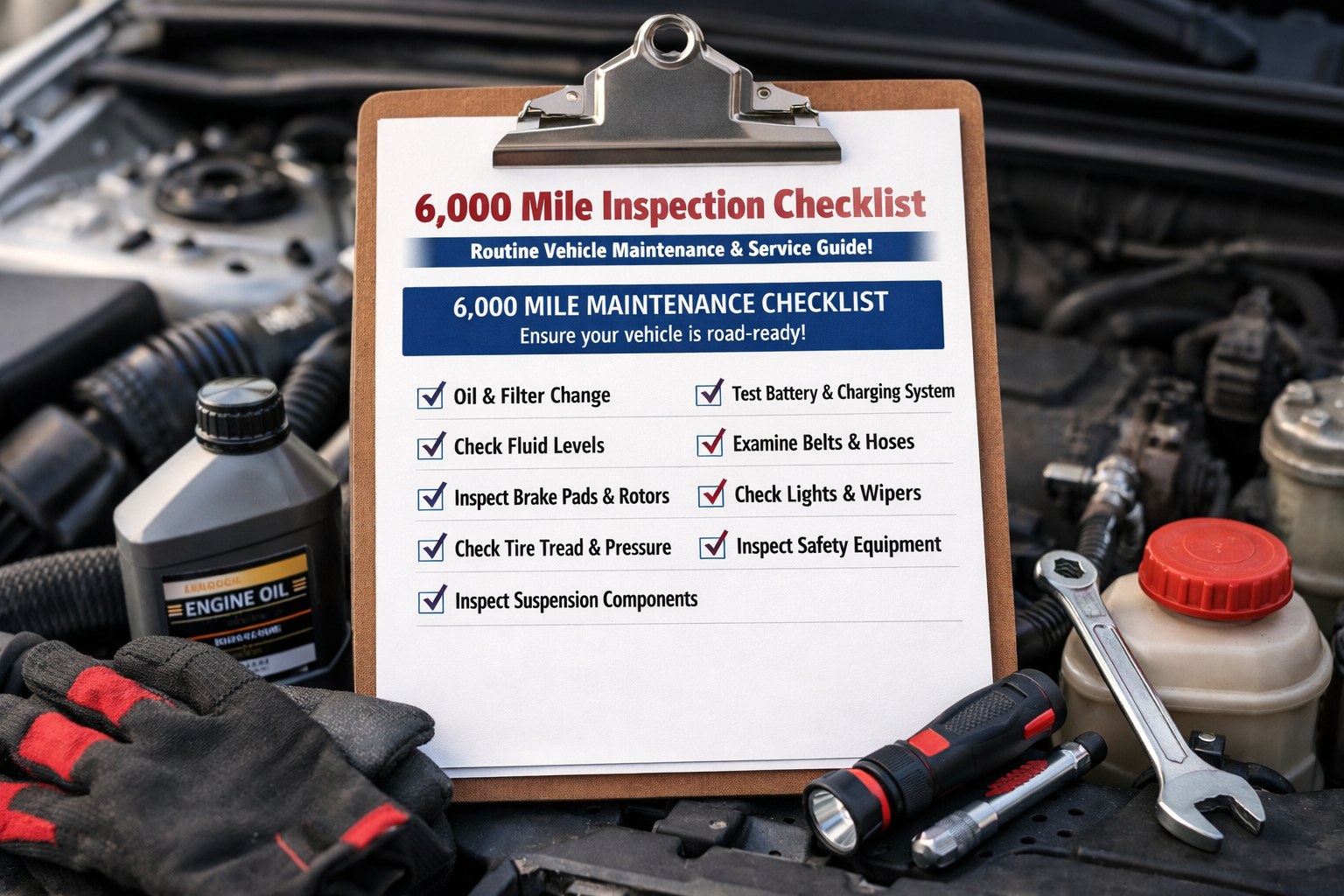
- The 6,000-mile interval ensures timely engine oil and filter service, maintaining proper lubrication and removing contaminants before they cause engine wear. Regular oil changes at this interval protect critical engine components and maintain fuel efficiency across commercial fleet operations. Sign up for free to automate 6K mile service reminders and track oil change intervals for your entire fleet.
Brake & Suspension Monitoring
- Frequent brake and suspension inspection at 6K intervals identifies developing wear patterns, verifies proper adjustment, and ensures safe operation. Regular monitoring of shock absorbers, springs, brake adjustment, and chassis lubrication prevents component failures and maintains vehicle handling characteristics.
HVAC System Maintenance
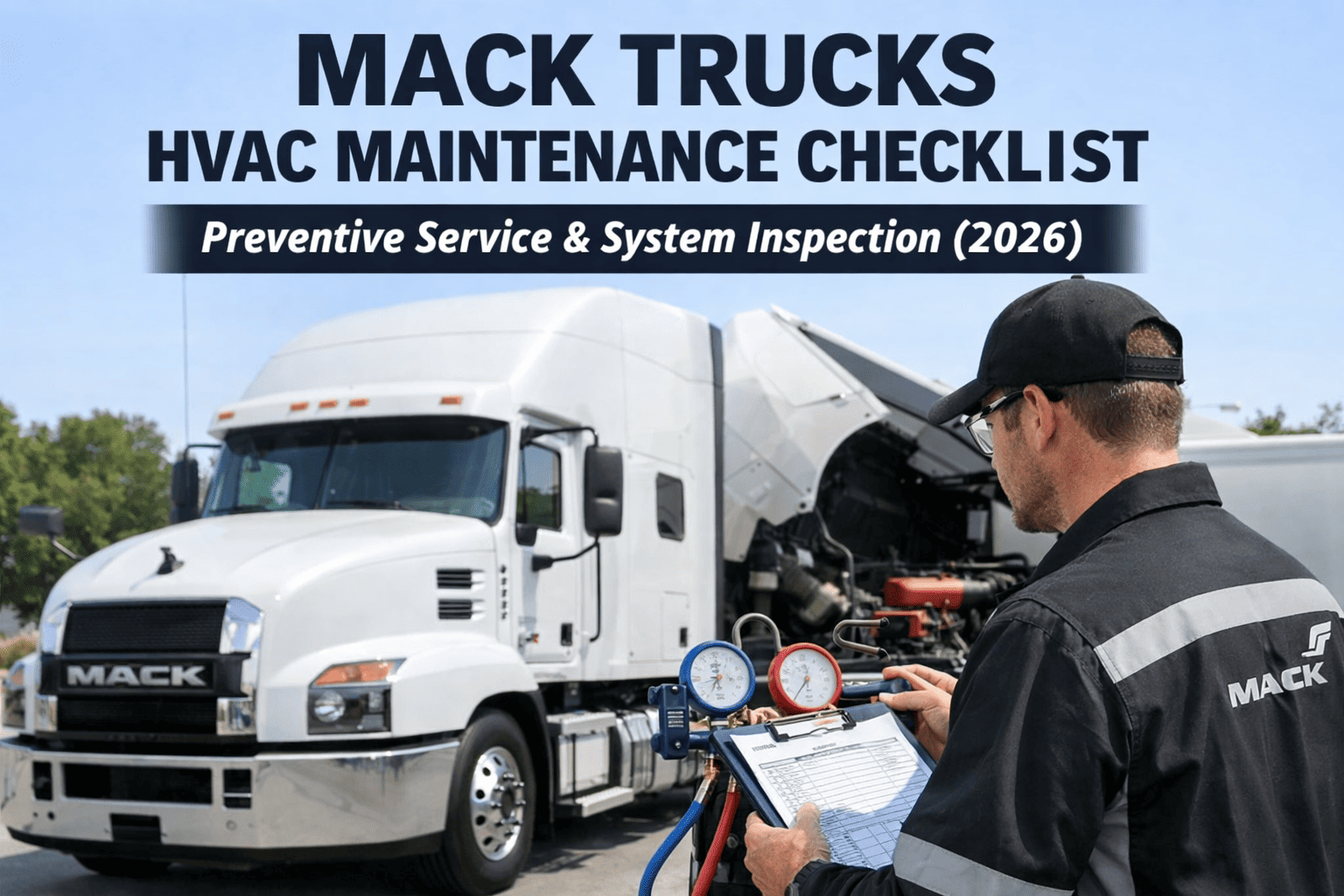
- Comprehensive HVAC inspection including compressor operation, refrigerant levels, and component condition ensures passenger comfort and driver visibility. Regular 6K service identifies developing leaks, verifies proper cooling and heating performance, and prevents costly climate control system failures.
Operational Reliability Verification
- Road testing at 6,000 miles validates all systems function correctly under actual operating conditions after service completion. This comprehensive verification ensures vehicles are truly roadworthy, identifying any performance issues requiring attention before they impact operations. Schedule a demo to see how digital inspection systems streamline 6K service and maintain comprehensive maintenance records.
1. Air System
Air system component inspection:
2. Brakes & Suspension
Brake and suspension system comprehensive inspection:
3. Coach Exterior
Exterior component and safety equipment inspection:
4. Coach Interior
Interior systems and passenger safety verification:
5. Front Axle
Front axle and steering system inspection:
6. Fuel System
Fuel system component inspection and maintenance:
7. Heating & Air Conditioning
HVAC system inspection and maintenance:
8. Heating & Air Conditioning (Continued)
Additional HVAC system inspection items:
9. Power Train
Power train component inspection and service:
10. Road -Test
Operational performance verification:
11. Suspension
Suspension system inspection and adjustment:
Why Use Digital Fleet Management?
HVI App Benefits for 6,000-Mile Vehicle Inspections:
- ✓ Automated 6K mile service reminders based on actual vehicle odometer readings
- ✓ Track engine oil and filter change intervals for every fleet vehicle
- ✓ Monitor HVAC system condition and refrigerant levels over time
- ✓ Document brake adjustment and chassis lubrication completion
- ✓ Generate automatic work orders for road test findings
- ✓ Maintain complete inspection history for warranty and compliance
Frequently Asked Questions About 6,000-Mile Inspections
1. Why is the 6,000-mile interval important for routine maintenance?
The 6,000-mile interval provides optimal frequency for engine oil and filter changes, brake system inspection, chassis lubrication, and HVAC performance verification. This service interval balances thorough preventive maintenance with operational efficiency, catching developing issues before they cause failures while avoiding excessive downtime from overly frequent servicing.
2. What HVAC system items are inspected at 6,000 miles?
HVAC inspection includes checking heater core for leaks, verifying auxiliary water pump operation, testing refrigerant (freon) level, checking compressor oil level, adjusting clutch operation, inspecting evaporator and condenser coils, performing pressure tests, verifying blower motor and condenser fan operation, checking hoses and compressor seal integrity, testing pressure safety switches, and verifying belt tension. This comprehensive evaluation ensures passenger comfort and system reliability.
3. How long does a typical 6,000-mile inspection take?
Standard 6,000-mile service typically requires 2-3 hours including oil and filter change, comprehensive HVAC inspection, brake and suspension checks, chassis lubrication, and road testing to verify all systems function properly. Additional time is needed if repairs or adjustments are identified during inspection.
4. Why is road testing included in 6K service?
Road testing verifies all systems operate correctly under actual driving conditions after service completion. Testing confirms oil pressure is adequate, transmission shifts smoothly, brakes respond properly, HVAC provides appropriate heating and cooling, steering operates normally, and no unusual noises or vibrations are present. Road tests identify performance issues that cannot be detected during stationary inspection. Start your free trial to document road test results and track vehicle performance trends.
5. What brake system items are checked at 6,000 miles?
Brake inspection includes checking and adjusting brake settings, verifying slack adjuster operation, checking air chambers for leaks, testing parking brake function, draining air tanks and carbon trap, inspecting shock absorbers, checking all hoses and lines for leaks or damage, and verifying proper brake pedal feel and travel. Regular 6K brake inspection maintains safe stopping performance.
6. How does digital tracking improve 6K service consistency?
Digital fleet management automatically schedules 6K service based on actual mileage preventing missed intervals, provides standardized checklists ensuring all inspection points are covered, tracks oil change history and filter replacement, monitors HVAC system performance trends, generates immediate work orders for identified deficiencies, documents road test results with performance data, and maintains searchable service records accessible for warranty claims or fleet analysis.
Take Action: Maintain Regular 6K Service
Download our FREE 6,000 Mile Inspection Checklist and establish systematic routine maintenance across your fleet. Digital inspection management ensures consistent service quality, complete documentation, and optimal vehicle reliability. Experience automated 6K mile tracking that maintains engine protection, monitors HVAC performance, verifies brake condition, and keeps your fleet road-ready through regular preventive care.
Essential 6K Service for Vehicle Reliability
Routine 6,000-mile inspection: engine oil & filter, HVAC system evaluation, brake adjustment, chassis lubrication, road test verification—all documented digitally for consistent fleet maintenance and optimal performance.