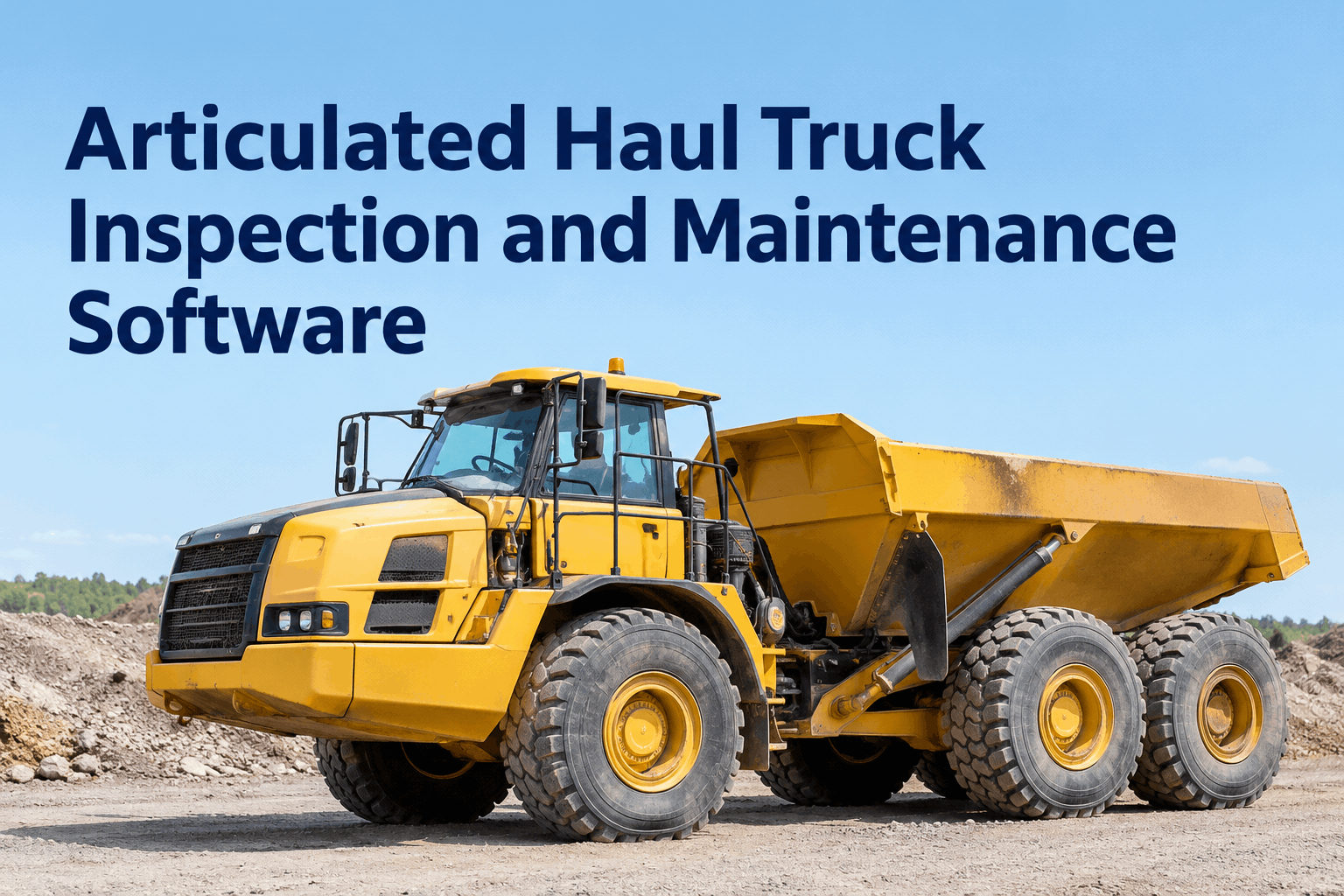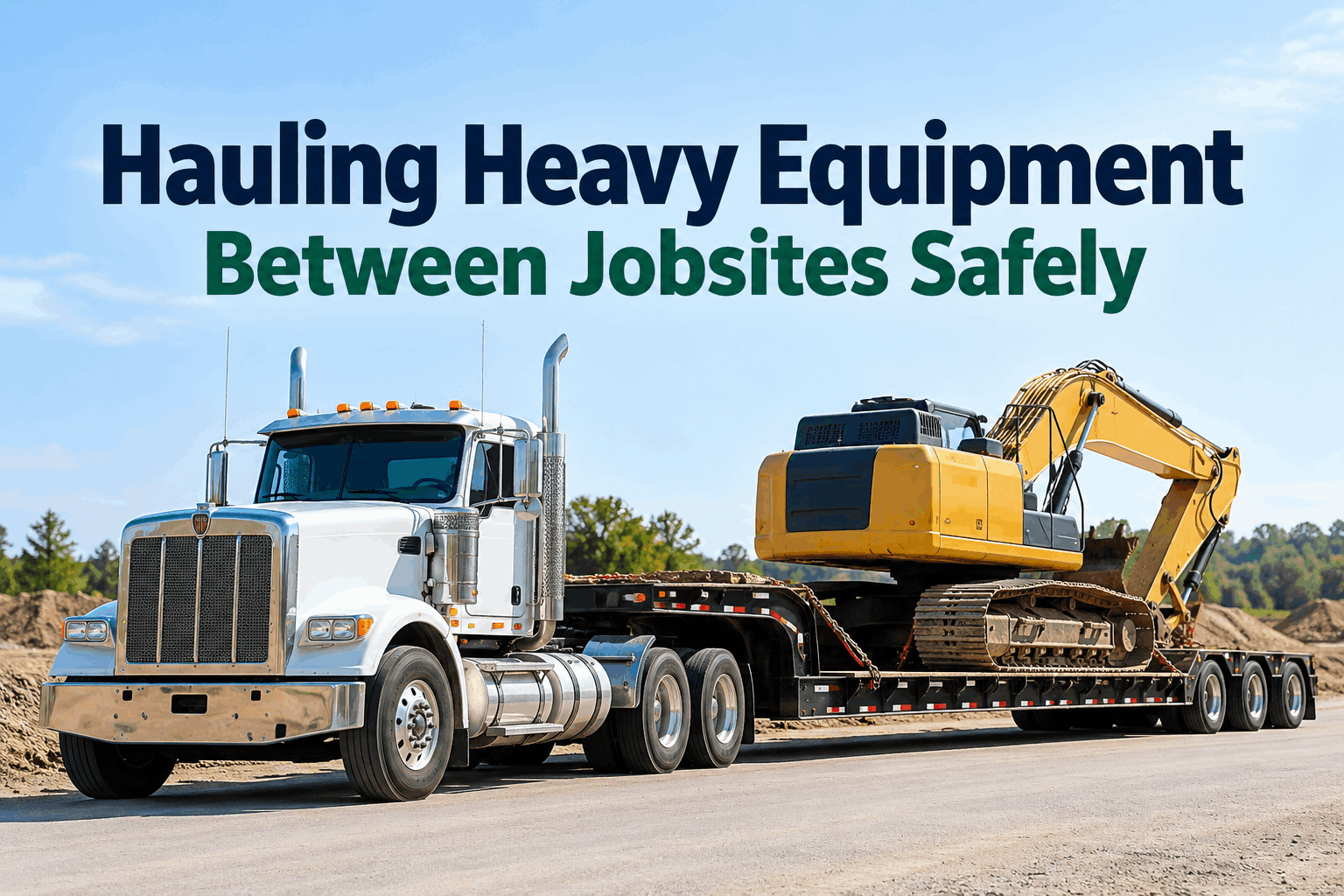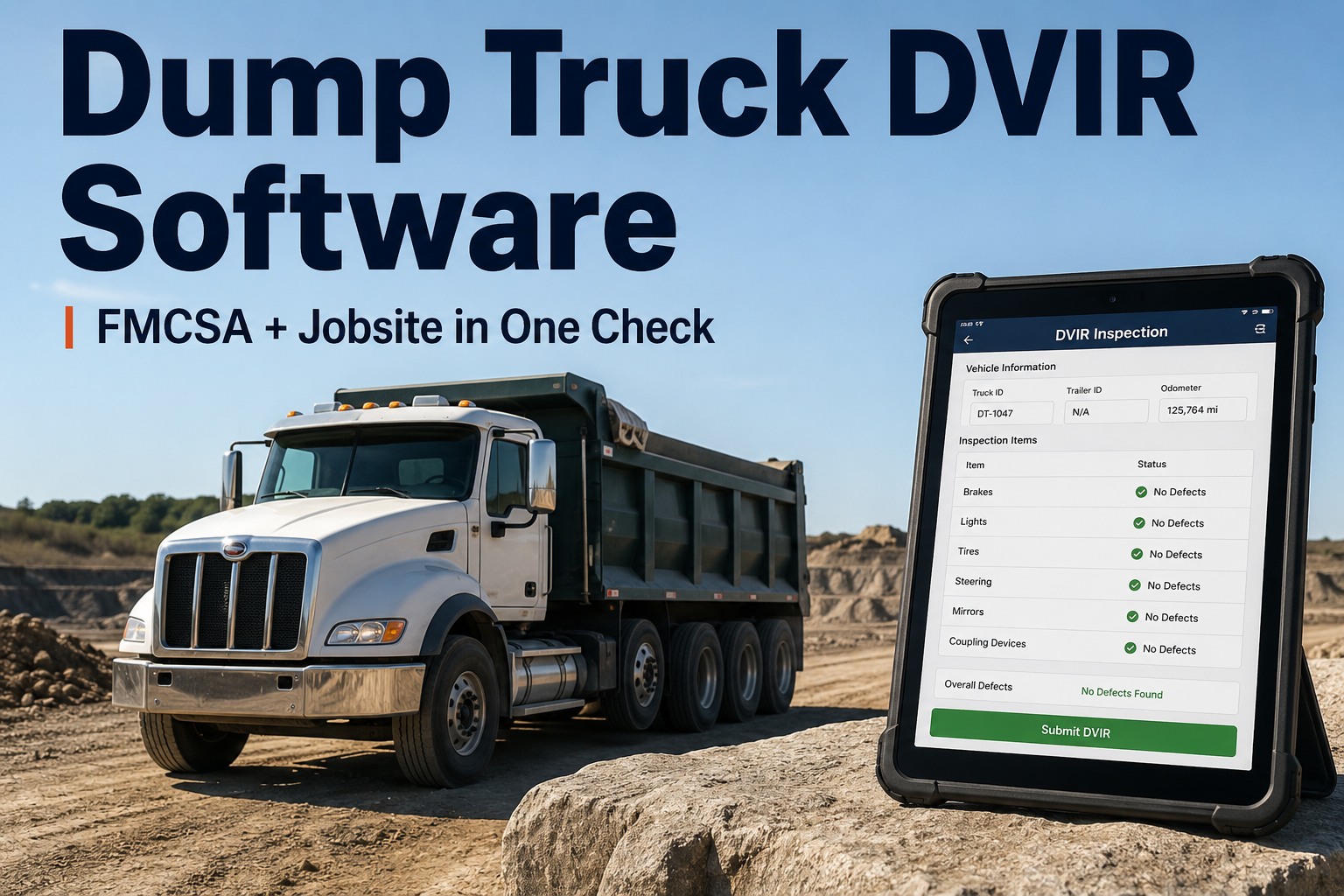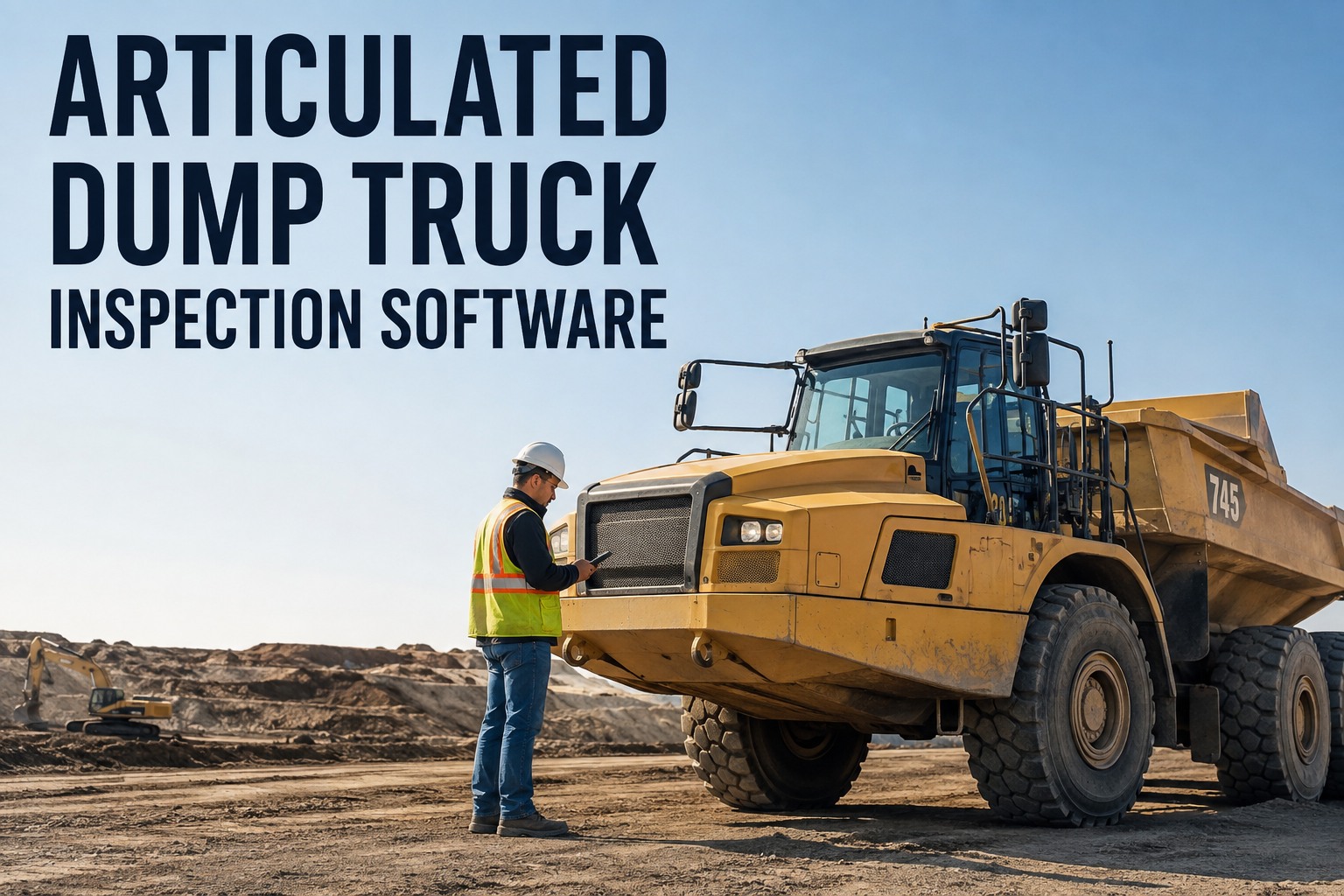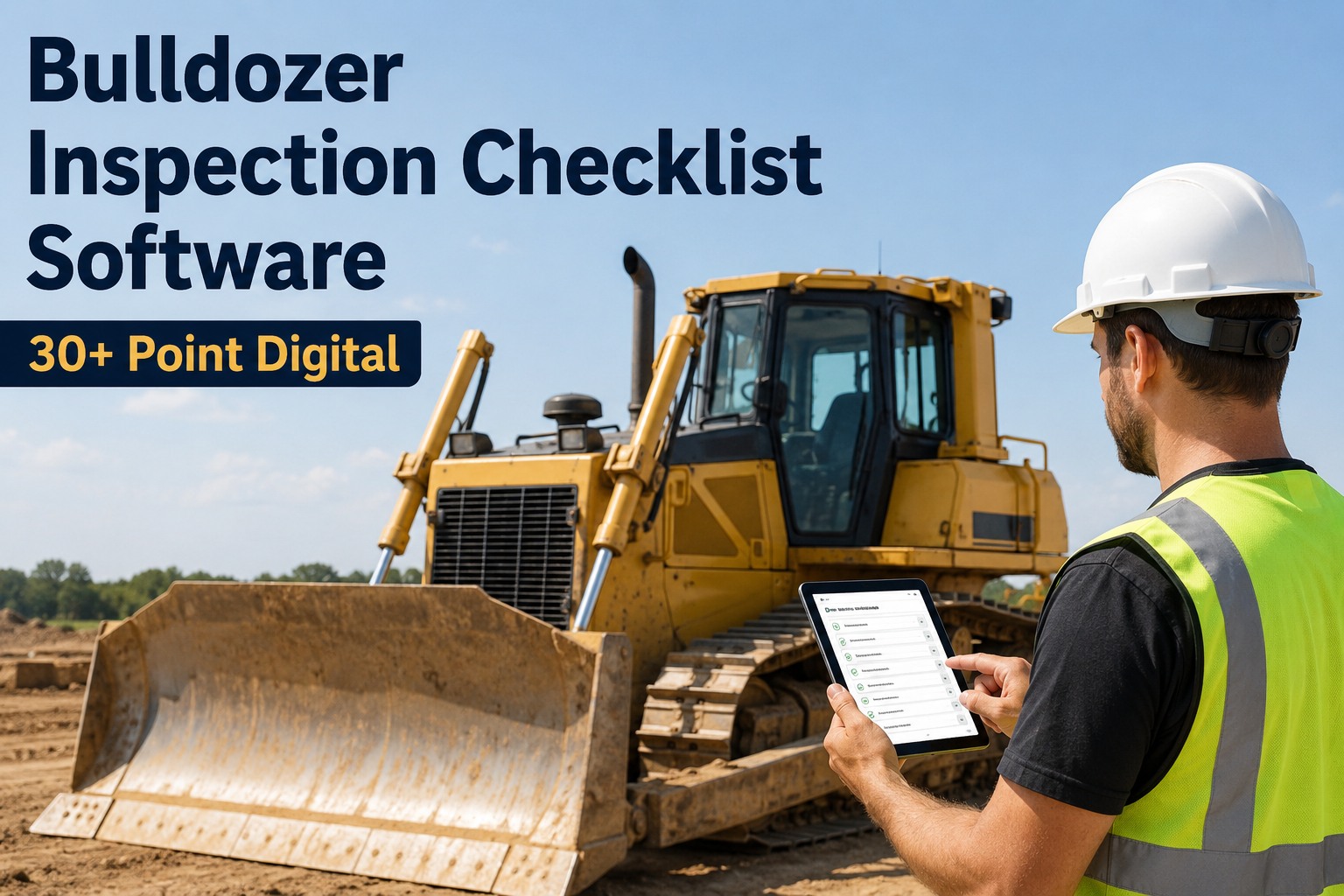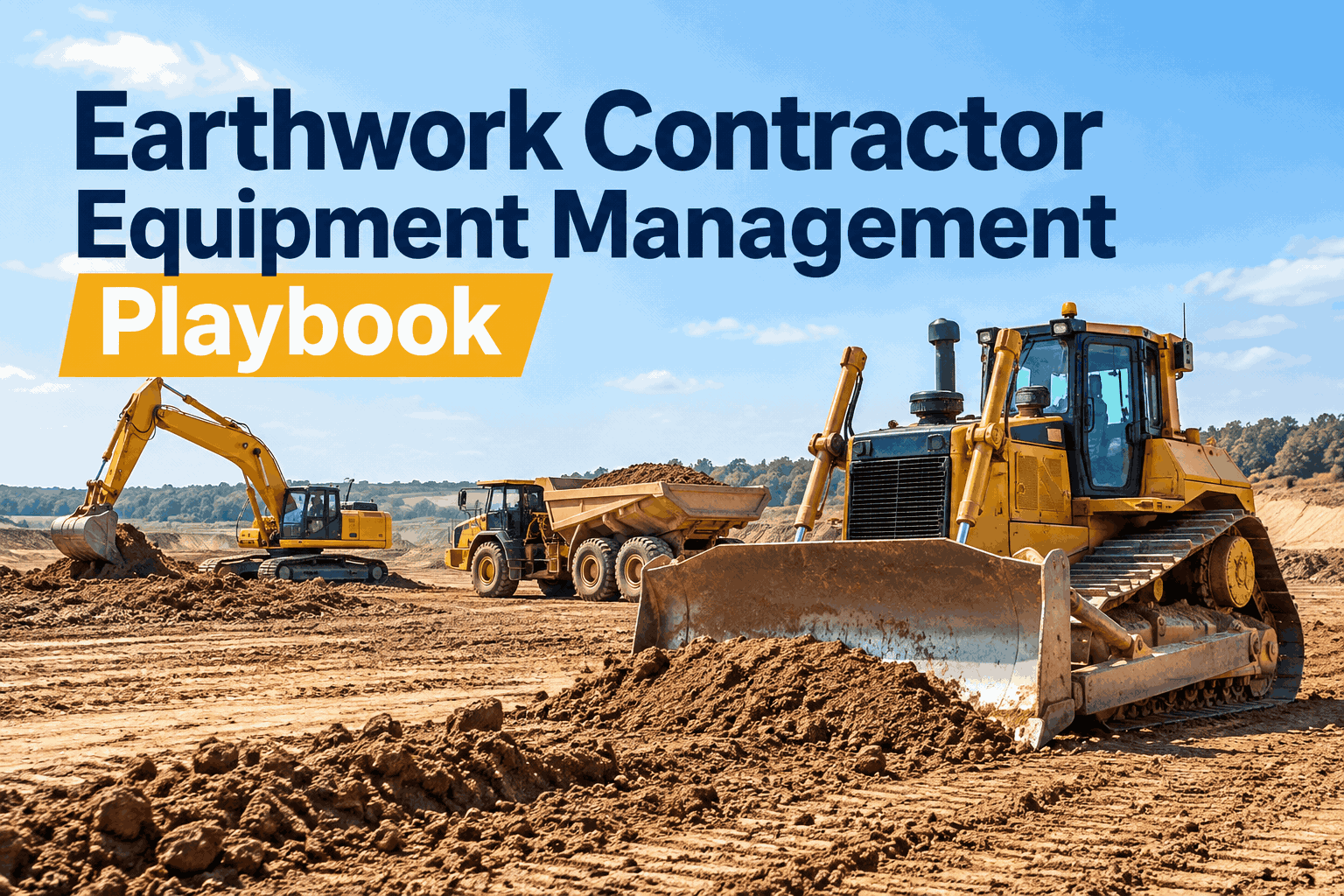
On an earthwork job, the dirt doesn't move itself — your iron does, and every hour that iron runs is priced. Earthwork contractor equipment management is the work of keeping dozers, scrapers, haul trucks and excavators cutting and filling on schedule, instead of parked while the wear bill quietly eats the bid. Book a demo of a live earthmoving fleet board and see where the hours are going.
Earthwork Contractor Equipment Management, Measured in Productive Hours
Every machine on a dirt job is a cost-per-hour unit with a wear clock running underneath it. The contractors who hit their cut-and-fill targets aren't the ones with the newest iron — they're the ones who know which machine is due, which is bleeding margin, and which is ready to run, all in one place.
Where the Maintenance Dollar Goesearthmoving equipment maintenance is mostly four wear items
On earthmovers, maintenance spend isn't spread evenly — a handful of wear items dominate the bill. Knowing which ones, and tracking them by the hour, is the core of earthmoving equipment management that actually protects margin.
Undercarriage alone can run close to half of a track machine's total repair cost over its life, according to Caterpillar's maintenance guidance — which is exactly why a dozer that's run in reverse too much or on the wrong track tension quietly burns money long before it breaks down. Book a demo of wear-item tracking, or read HVI on dozer undercarriage inspection for the per-machine detail.
One Machine Down, the Whole Target Slipswhy earthwork contractor fleet management is really schedule protection
A dirt job runs to a daily volume target, and the fleet is balanced to hit it. Pull one key machine out unplanned and the shortfall doesn't stay contained — it cascades through the rest of the day. That chain is what earthwork contractor fleet management exists to stop.
Dozer goes down
A final drive fails mid-shift — no warning on a paper log, no spare staged.
Scrapers back up
Nothing's spreading the fill, so the scraper cycle stalls and iron idles at the pad.
Volume target missed
The day's cut-and-fill falls short, and the schedule slips into tomorrow.
Liquidated damages risk
Enough slipped days and the completion date — and the retention — are on the line.
The fix isn't more spare iron sitting idle. It's catching the final-drive warning on a walkaround, turning it into a scheduled repair, and knowing the day before that the machine is a risk. Sign up free and build a daily earthmoving walkaround every operator runs before the shift.
The Hour-Band Service Ladderearthwork preventive maintenance is scheduled by the hour meter
Earthmovers don't drive public roads, so a calendar means little — they wear by run-hours. Good earthwork preventive maintenance stacks services into hour bands, each building on the last, so nothing is skipped and nothing is done twice.
Daily walkaround
Operator DVIR: fluids, leaks, undercarriage, GET wear, lights, horn, ROPS. Catches the warning before the failure.
Engine oil & filters
Oil and filter change, sampling, grease points, basic adjustments — the backbone interval on most machines.
Hydraulics & drivetrain
Hydraulic and transmission service, fuel filters, track-tension check, cooling system inspection.
Major service
Final drives, differentials, hydraulic oil change, undercarriage measurement, injector and valve work.
Exact intervals vary by machine and OEM, so each unit carries its own schedule off its own meter. Put them on a system and the next service surfaces automatically instead of living in a service manager's head. Book a demo of hour-band scheduling, and note this is separate from the per-machine how-to in HVI's guide to earthmoving equipment preventive maintenance — see also HVI meter-based preventive maintenance.
The Earthmoving Inspection Checklistone walkaround per asset family, each line observable
A usable earthmoving equipment inspection checklist is short and grouped by what the machine actually has — tracks on one, tires on another. Run it on a phone and every tick is time-stamped against the right unit.
- Track tension and shoe wear in spec
- Rollers, idlers, sprockets — no leaks or flat spots
- Cutting edge / teeth wear within limit
- Hydraulic hoses, rams, no weeping
- Coolant, engine oil, fuel level
- Tire pressure, cuts, tread and sidewall
- Bowl, apron and ejector — scraper wear
- Body, tailgate and hoist — ADT
- Brakes, steering, articulation joint
- Service and park brake function test
- ROPS/FOPS, seatbelt, backup alarm
- Lights, mirrors, cameras, horn
- Fire extinguisher present and charged
- Hour meter read and logged for PM
- Any defect raised as a work order
A paper version of the same list is lost in a cab by lunch. For how a checklist becomes a signed record, see HVI digital equipment inspections, or book a demo of the earthmoving walkaround on your own machines.
The Iron Boardearthmoving equipment tracking the morning of a shift
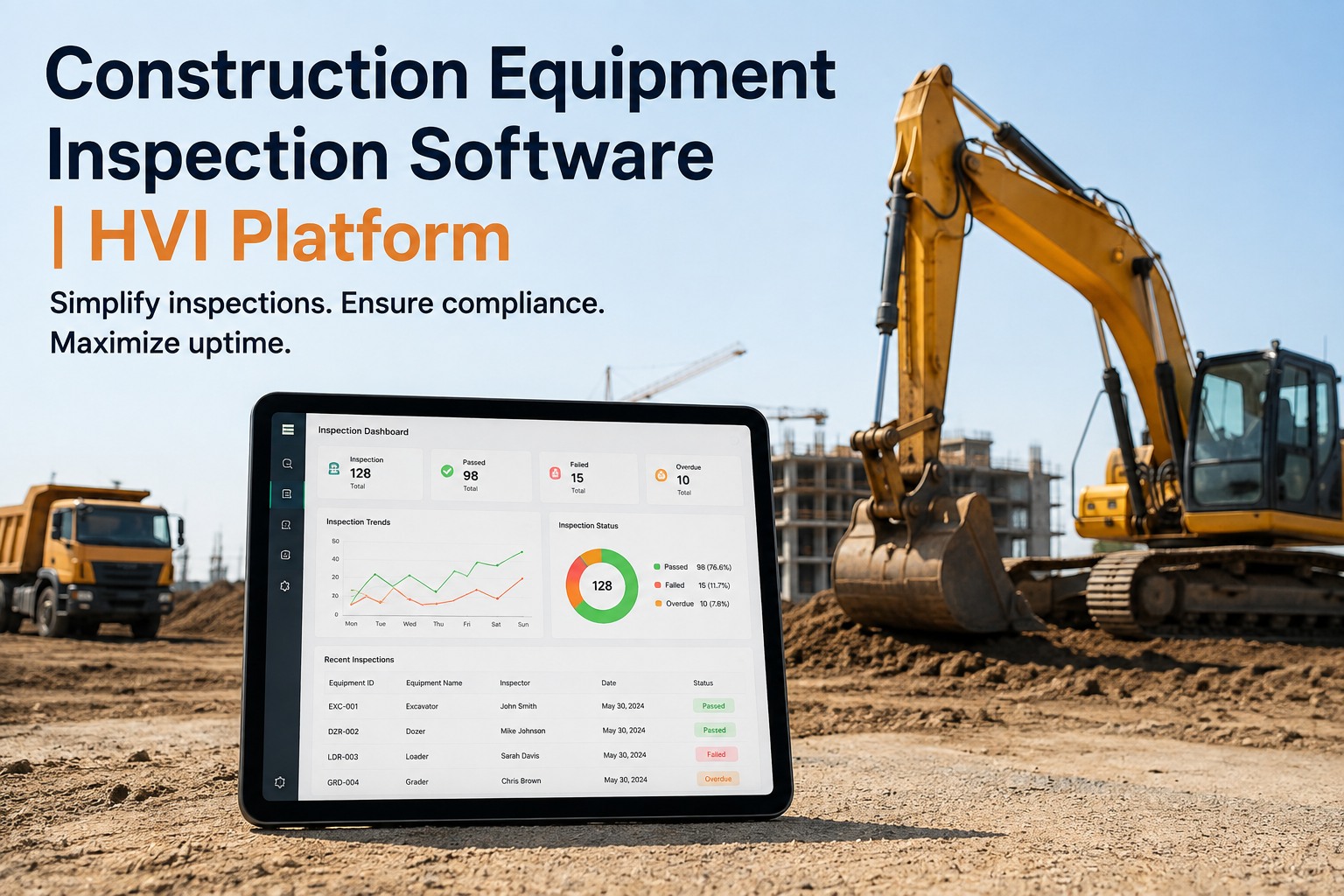
This is the view that replaces a clipboard and a service manager's memory — every machine flagged against its own hour meter, so the super knows what's dig-ready before the crew rolls out.
Everything that fails a check becomes a work order with the hours and parts attached, and the stored records answer an auditor or an equipment-finance review later. Explore HVI analytics and reporting for the cost-per-hour trend side.
From the Jobsitean equipment manager on what really drives earthmoving cost
The money on an earthwork fleet isn't the breakdown you see — it's the undercarriage you don't. A dozer running loose tracks for two months costs you a set of rails nobody budgeted. Once we put every machine on hours and made operators log the walkaround, the surprise rebuilds basically stopped. We plan them now instead of getting surprised.
Bringing It Togetherthe point of earthwork contractor equipment management
Earthwork contractor equipment management comes down to treating every machine as a cost-per-hour unit with a wear clock running, tracked on one board, with a failed check turning straight into a scheduled work order. Do that and the undercarriage spend stops surprising you, the daily volume target holds, and a down machine becomes a planned repair instead of a slipped completion date. Put the fleet on one screen and the morning starts with a status check, not a scramble.
Put your whole earthmoving fleet on one board
Dozers, scrapers, haul trucks and excavators — inspected, scheduled by operating hours, and flagged before the shift. HVI tracks wear items, work orders and PM across the whole fleet in one place, so a breakdown stops deciding whether you hit the dirt target.
No credit card · Hour-meter PM across every machine · Set up in days
Earthwork contractor equipment management: FAQs
What is earthwork contractor equipment management?
It's running a mixed earthmoving fleet — dozers, scrapers, haul trucks and excavators — as one tracked system aimed at hitting a daily cut-and-fill target. Because each machine is a cost-per-hour unit with wear items underneath it, the job is keeping every one inspected, scheduled by hours, and flagged before it goes down, all in one place.
Why track earthmoving equipment by hours instead of dates?
Earthmovers don't drive public roads, so a calendar doesn't reflect how hard they work — a dozer can log a month's wear in a week on a big dig. Operating hours track actual use, so services land when the machine has earned them. That's why hour bands (250, 500, 1,000+) are the backbone of earthwork preventive maintenance.
What's the biggest maintenance cost on an earthmoving fleet?
On track machines it's the undercarriage — tracks, rollers, idlers and sprockets — which Caterpillar's guidance puts at close to half of a dozer's total repair cost over its life. Tires carry the same weight on scrapers and haul trucks. Tracking wear by the hour is what keeps those costs planned instead of surprising you with a rebuild.
How does a CMMS reduce earthwork equipment downtime?
It turns operator walkarounds into signed records, flags defects as work orders before they become failures, and schedules PM off each machine's hour meter so nothing is skipped. Instead of finding out a final drive is going when it fails mid-shift, you catch it on a check and plan the repair — which is how downtime drops.
Can one system track dozers, scrapers and haul trucks together?
Yes — that's the main reason to use a CMMS like HVI instead of separate logs. It schedules every machine on its own hour meter and OEM intervals, keeps inspections and work orders for tracked and wheeled machines alike, and shows the whole fleet on one board. One system, every asset family on the job.