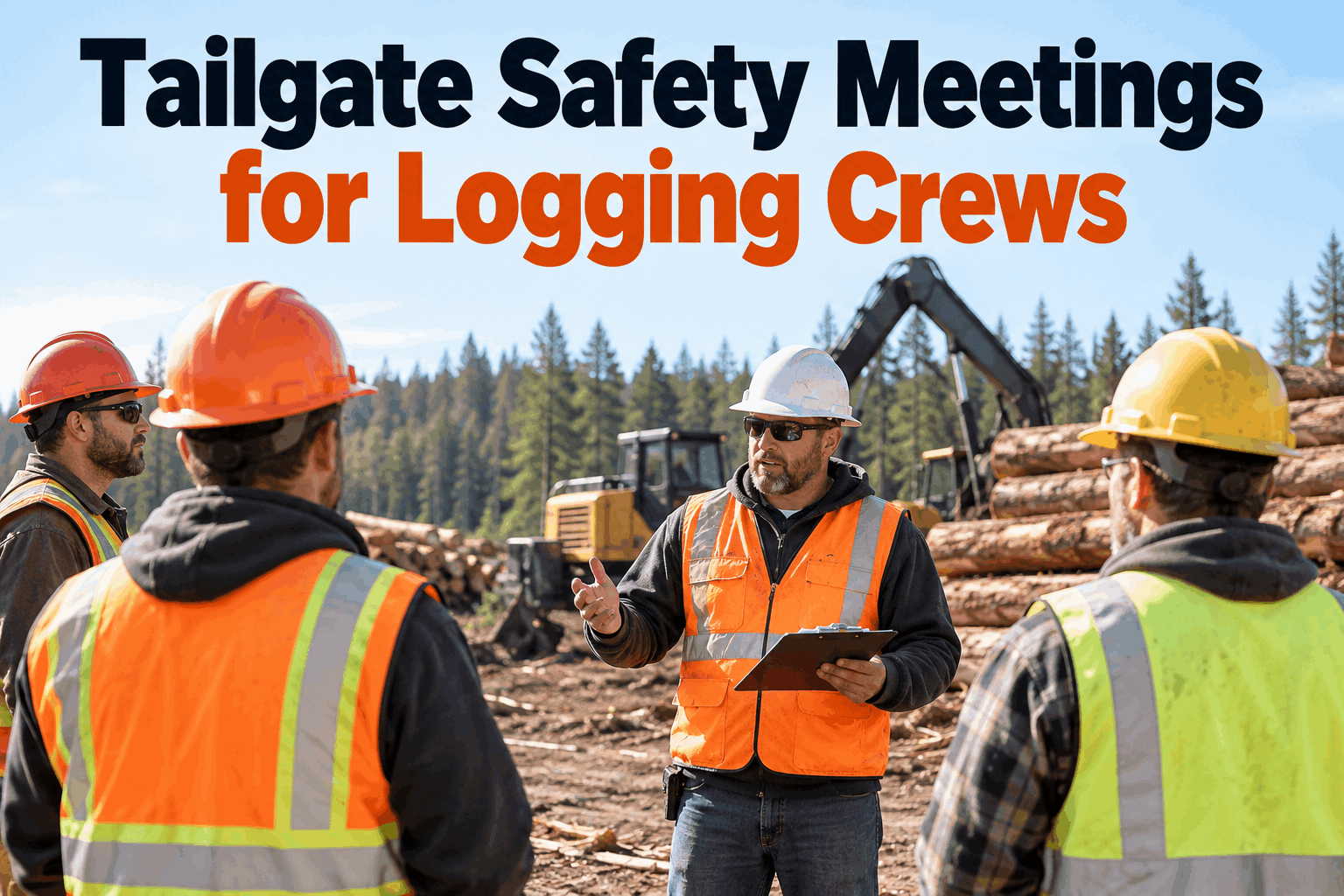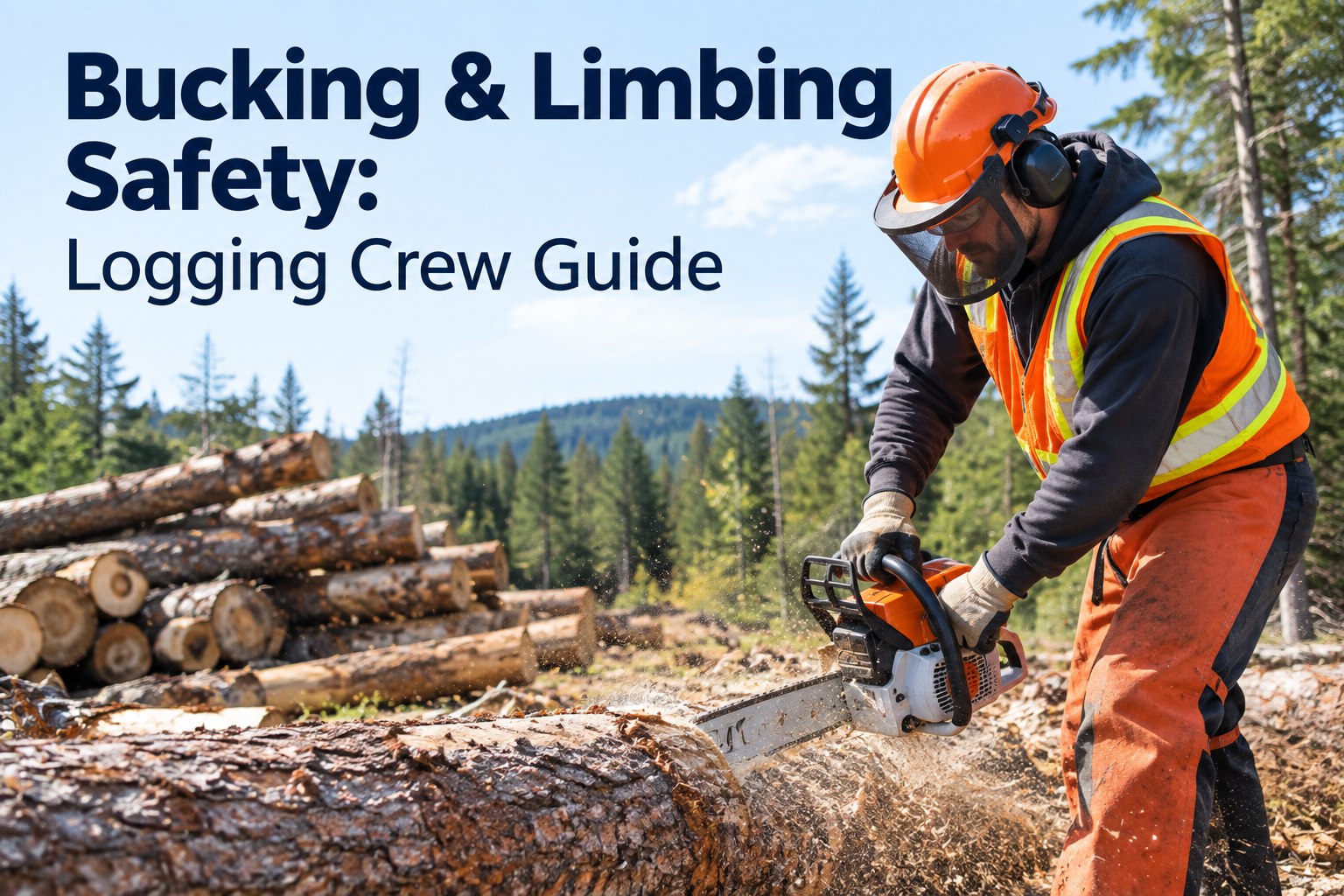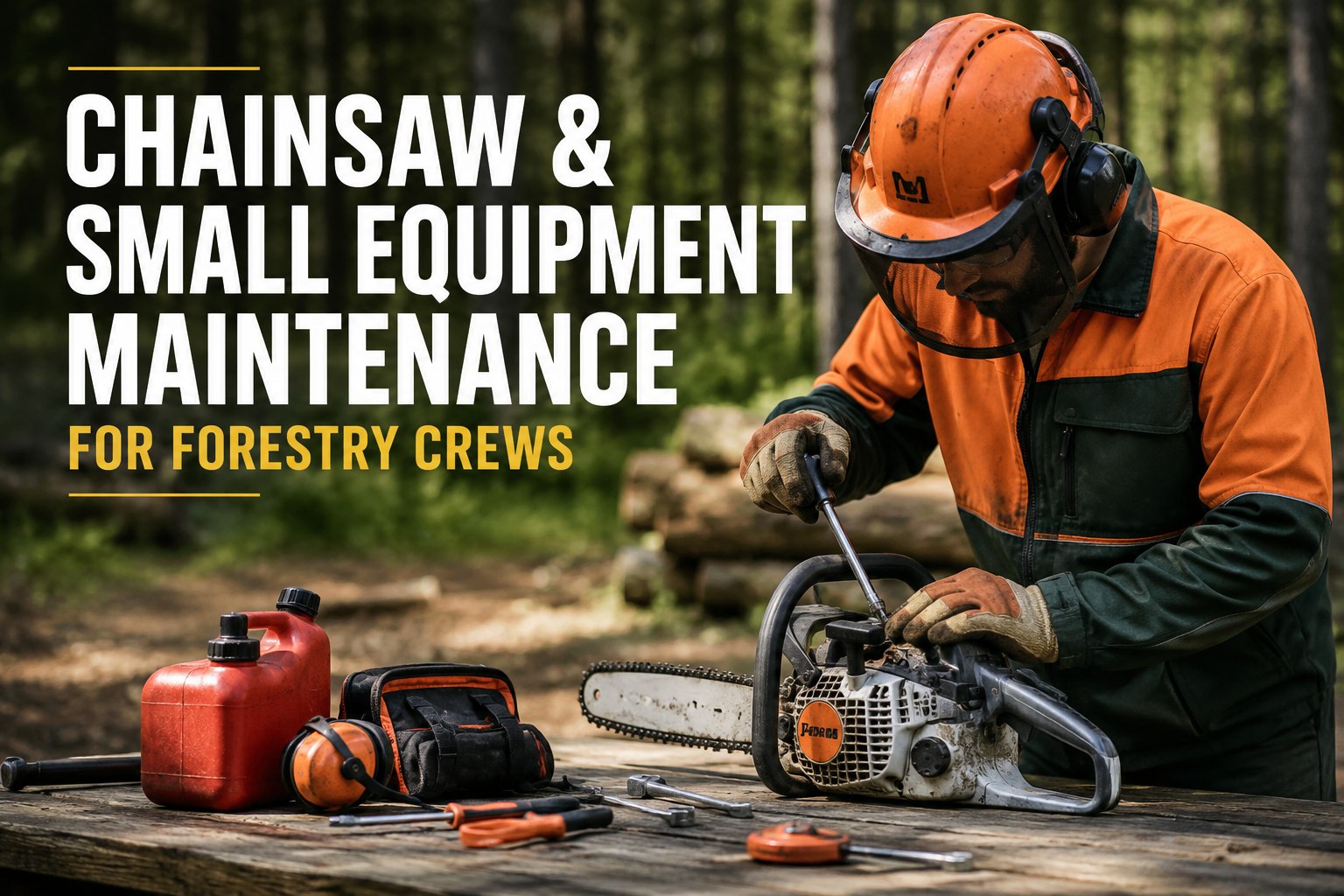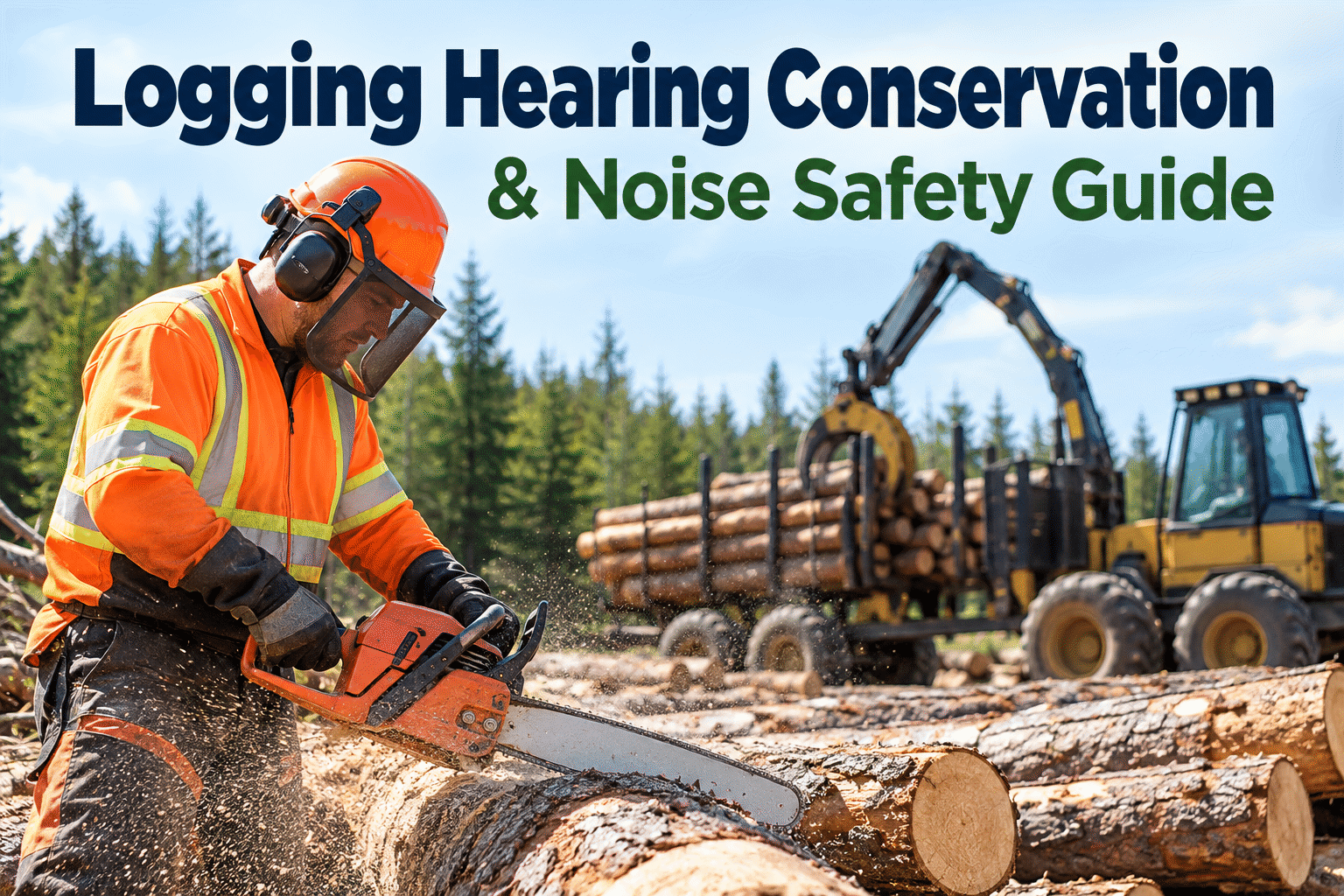
Logging hearing conservation begins with a simple problem: chainsaws, chippers, skidders and support equipment can expose crews to damaging noise during an ordinary shift. A practical program measures exposure, selects suitable controls, trains workers and follows up when equipment becomes unusually loud. This guide explains the safety process and shows how starting free with HVI can help organize the equipment inspection and repair records behind it.
Protect the crew's hearing. Keep noisy equipment in check.
A hearing conservation program combines exposure assessment, effective hearing protection and dependable equipment upkeep. Make every noise-related defect visible before it becomes another shift of avoidable exposure.
What logging hearing conservation actually covers Noise management is more than handing out earplugs
Hearing conservation combines industrial hygiene, work planning, personal protective equipment, worker training and follow-up. Equipment maintenance is one supporting control: it cannot replace professional noise measurement or a required audiometric program.
Assess exposure
Identify noisy tasks, workers and shift patterns. Use suitable sound-level or personal dosimetry methods to evaluate actual exposure.
Control noise
Consider quieter tools, maintenance, isolation, task planning and other feasible engineering or administrative controls.
Protect workers
Select appropriate hearing protection, train workers in use and care, and verify that protection fits the task and conditions.
Review results
Reassess exposure when processes or equipment change, and manage any required hearing tests and records separately.
Use an HVI demo to see equipment inspection records alongside your separately managed hearing conservation program.
The noise exposure decision path Measure first; do not assign a worker's exposure from a machine label
Equipment defects that can increase noise Turn abnormal sound into an inspection and repair action
Exhaust and muffler damage
Look for missing shields, exhaust leaks, loose mounting points and damaged mufflers. Follow the manufacturer's service procedure.
Cab seals and panels
Check door seals, window closures, damaged insulation and rattling covers on enclosed equipment.
Bearings and rotating parts
Investigate unusual grinding, vibration and whining rather than accepting a louder machine as normal.
Cutting and feed mechanisms
Inspect chainsaw cutting components and chipper feed systems for wear, damage and improper adjustment.
A reported noise change is a maintenance clue, not a calibrated exposure measurement. Start free to organize equipment defect checks.
A field-ready noise-related equipment checklist Use alongside—not instead of—exposure monitoring
Before operation
- Inspect exhaust and muffler condition.
- Check cab seals, covers and noise insulation.
- Verify guards and other safety components.
- Report unusual vibration, rattles or grinding.
- Confirm required hearing protection is available and used.
After a noise complaint
- Identify the asset and operating task.
- Describe when and where the noise occurs.
- Document defects and assign corrective work.
- Verify the repair and return-to-service condition.
- Arrange renewed exposure assessment when warranted.
For consistent inspection history, book a demo of HVI's maintenance workflow.
Choose hearing protection for the real task Fit, compatibility and training matter
Portable protection
Useful across changing tasks when correctly selected, inserted and maintained. Train workers on proper fitting.
Visible and reusable
Check cushion condition and seal. Eyewear, headgear and other PPE can affect the fit.
Check compatibility
Consider communication, warning signals, weather, helmets and the assessed exposure when selecting protection.
Noise reduction ratings are not a substitute for evaluating real-world attenuation and worker fit. Follow the applicable hearing conservation requirements and seek qualified occupational health advice for testing, selection and training.
Where HVI supports the maintenance side Keep equipment records distinct from occupational health records
Record abnormal noise or visible defects against the correct forestry asset.
Assign repair work, document actions and track open equipment issues.
Keep a record of what was repaired and when the equipment returned to service.
HVI supports equipment inspections and maintenance documentation. It does not perform sound-level measurement, personal dosimetry, audiometry, hearing protection fit testing or automatic OSHA compliance determination. For a practical look at the equipment side, book an HVI forestry maintenance demo.
Build a workable program in four stages Start with the highest-exposure work and most common defects
List noisy equipment, crew roles and representative work patterns.
Arrange appropriate exposure assessment and select practical controls.
Teach protection use and add noise-related defects to equipment checks.
Track repairs, exposure changes and any required program follow-up.
Logging hearing conservation FAQs
Why is hearing conservation important in logging?
Logging workers may encounter repeated high noise from chainsaws, chippers and heavy machinery. Exposure over time can cause permanent hearing loss. An effective program assesses exposure, reduces noise where feasible and provides appropriate hearing protection and training.
What OSHA noise rules apply to logging crews?
Relevant provisions can include OSHA's logging standard, 29 CFR 1910.266, and occupational noise requirements under 29 CFR 1910.95, depending on the operation and jurisdiction. Employers should confirm the applicable standards, exposure criteria, monitoring duties and program requirements for their workforce.
Can a machine's published decibel rating replace noise monitoring?
No. Published equipment values may help identify hazards, but individual exposure depends on duration, distance, operating conditions, nearby sources and the worker's actual tasks. Appropriate exposure assessment may be needed.
What equipment issues should a forestry inspection flag?
Damaged mufflers, exhaust leaks, deteriorated cab seals, loose covers, abnormal vibration and unusual bearing or cutting-system noise should be documented and assessed by maintenance personnel.
Does HVI measure noise or manage hearing tests?
No. HVI is positioned here for equipment inspections, defect documentation, maintenance work orders and service history. Noise monitoring, hearing testing and occupational health program administration require separate qualified processes.
Make equipment noise defects easier to find, fix and document.
Support your hearing conservation efforts with repeatable forestry equipment inspections, clearer repair follow-up and dependable service records.