Log truck brake wear becomes a serious maintenance concern when loaded timber trucks repeatedly descend steep, winding haul grades. Heat, long descents and abrasive road conditions can turn a small brake defect into a vehicle-out-of-service decision. This guide explains what to inspect, how to record defects and how to plan brake maintenance across a forestry fleet using consistent records and clear repair follow-through.
The load is secured. Are the brakes ready for the descent?
On steep logging roads, the most important brake finding is the one caught before the truck leaves the landing. Connect pre-trip inspections, DVIR defects and repair history—before the next loaded haul.
Brake wear is a route problem, not just a mileage problem
Two log trucks with similar odometers may face very different braking demands. A truck cycling through loaded descents, sharp switchbacks and muddy approaches deserves closer attention than mileage alone suggests.
Long loaded descents
Repeated service-brake use can build heat and accelerate lining or component wear. Correct gear selection and approved auxiliary braking practices matter.
Heat and fade exposure
Overheating can reduce braking effectiveness and damage components. Burning odor, smoke or abnormal behavior requires immediate safe response.
Mud, grit and moisture
Forest-road debris and water can affect exposed brake components and inspection visibility, making regular checks essential.
Missed defect follow-up
A driver flags a pull, air leak or warning light, but the next shift has no clear repair status. This is where inspection records must connect to maintenance action.
Manager's takeaway: Build brake inspection priorities around route exposure, reported symptoms and maintenance history—not a single fleetwide mileage threshold. Book an HVI Demo to Review Brake Inspection Records.
What to check before a steep-grade haul
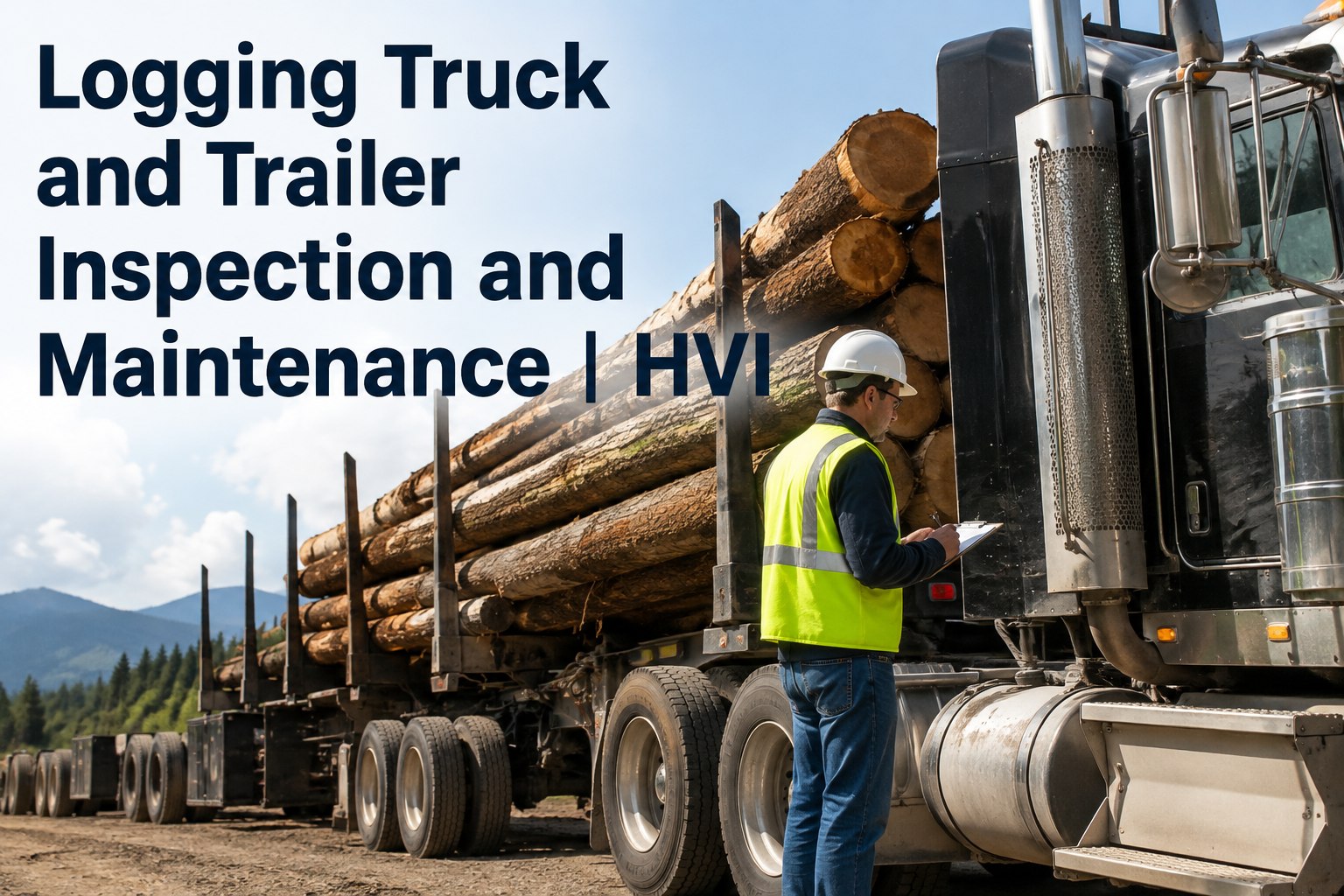
Use an equipment-specific inspection checklist before dispatch and after any abnormal braking event. Drivers record observable issues; qualified technicians evaluate brake measurements and repairs.
Air system and warnings
Check pressure build-up and retention as required, warning devices, audible leaks and any unusual air-system behavior.
Brake operation and response
Record pulling, delayed response, unusual vibration, excessive pedal travel or unexpected stopping behavior.
Visible components and condition
Look for accessible damage, leaks, loose hardware, contamination and signs of overheating without entering unsafe areas.
Service and defect status
Confirm outstanding brake defects are resolved and required repairs have been verified before the truck returns to service.
Schedule brake maintenance around real haul exposure
Preventive maintenance starts with manufacturer and regulatory requirements, then incorporates duty cycle, inspections and defect trends. The schedule should never substitute for immediate action on a safety-critical fault.
Set inspections and PM using manufacturer guidance, component type, operating conditions and applicable requirements.
Compare routes, loaded descent frequency, vehicle configuration and observed wear patterns.
Investigate abnormal symptoms immediately; record corrective action and verify before return to service.
What to review each week
- Open brake-related DVIR defects
- Repeat issues by vehicle and route
- Upcoming PM and inspections
- Repair completion and verification
- Roadside incidents or heat complaints
Close the loop from driver DVIR to verified repair
A logged defect is only useful when the next responsible person can see what happened and whether the vehicle is safe to release.
Report
Driver records symptoms, truck ID, route and inspection findings.
Assess
Authorized personnel evaluate severity and restrict use where needed.
Repair
Technician documents work, components and service details.
Verify
Confirm required checks and documented return-to-service decision.
Keep the complete history with the vehicle so repeat brake complaints can be investigated instead of treated as isolated events. Book an HVI Demo to See DVIR-to-Repair Tracking.
A brake-readiness register built for the morning dispatch meeting
Use a simple exception-focused review. The example below is illustrative—not a live HVI screen or an automated brake-condition prediction.
Brake inspection exceptions
| Truck | Latest finding | Maintenance action | Dispatch status |
|---|---|---|---|
| LOG-204Loaded grade route | Air leak reported | Inspection required | Hold |
| LOG-118Mountain spur | Brake PM approaching | Schedule service | Review |
| LOG-306Timber transfer | Previous defect repaired | Verification recorded | Released* |
*Example only. A real release requires appropriate inspection, repair and authorization; software status alone is not a safety clearance.
Log truck brake wear: frequently asked questions
Practical answers for logging fleet maintenance and safety teams.
Why do steep haul grades increase log truck brake wear?
Long loaded descents can require substantial braking effort, increasing heat and wear—particularly when braking technique, vehicle loading or equipment condition is unsuitable. Route exposure and actual component condition should inform inspection and maintenance decisions.
What should a log truck brake inspection checklist include?
Include required air-system checks, warning devices, observable leaks or damage, brake response, abnormal noises or odors, accessible component condition and any outstanding defects. Qualified technicians should perform required measurements and specialized brake inspections.
How often should logging truck brakes be inspected?
Follow applicable pre-trip, post-trip, periodic inspection and maintenance rules together with manufacturer guidance. Severe-duty operation may justify additional inspections based on documented risk and wear trends; there is no universal interval for every truck and route.
What should a driver do after noticing brake overheating or poor braking?
Follow the operator's emergency and safe-stopping procedures, stop in a safe location as conditions permit, report the issue and prevent unsafe operation until qualified personnel assess it. Never continue a loaded descent with suspected inadequate braking.
How can HVI help manage forestry fleet brake maintenance?
HVI can organize configurable vehicle inspections, DVIR defect records, preventive maintenance schedules, equipment history and repair tracking. It helps teams document and follow up on findings, but does not directly measure brake temperature or replace qualified inspections.