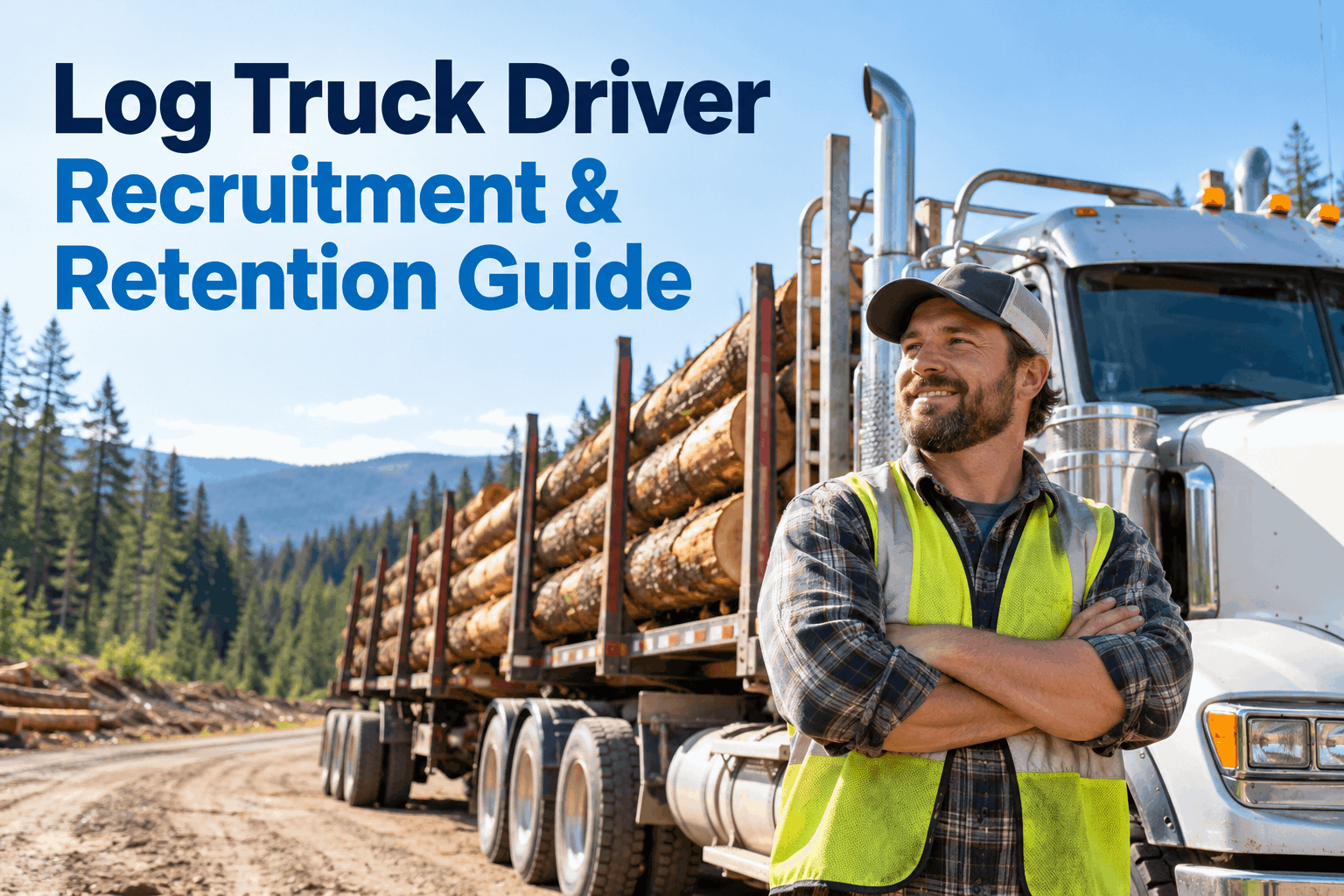
Log truck driver retention depends on more than a hiring advertisement or a pay increase. Forestry carriers compete for experienced drivers who can handle steep grades, changing forest roads, seasonal work and demanding delivery schedules. A practical recruitment and retention program combines fair employment terms, safe equipment, reliable maintenance, useful onboarding and regular driver feedback. This guide shows logging fleet managers where to focus—and how consistent inspection and maintenance records can support a better driver experience.
Keep experienced log truck drivers by making every shift worth returning to.
Build a stronger driver experience from first interview to daily dispatch: clear expectations, dependable trucks, faster defect follow-up and a crew that feels heard.
Why log truck drivers stay—or start looking elsewhere
Pay matters, but drivers also judge the everyday realities of a job. Forestry fleets should investigate these four controllable areas before assuming turnover is only a labor-market problem.
Predictable, fair work
Explain expected hours, seasonal variation, paid waiting time, haul routes and how loads are assigned. Avoid surprising new hires with conditions not disclosed during recruitment.
Equipment drivers trust
Resolve brake, tire, lighting and hydraulic defects promptly. Repeatedly dispatching unreliable trucks damages confidence and adds frustrating downtime.
Respectful supervision
Give drivers a clear route for raising road hazards, mechanical concerns and scheduling conflicts—and close the loop on what changed.
Growth and recognition
Offer structured mentoring, refresher training, fair performance conversations and recognition for careful inspections and safe operating decisions.
Hire for forestry realities, not just an available CDL
Log hauling requires practical judgment about variable road surfaces, securement, weight limits, mill queues and changing weather. Use a consistent hiring process that checks relevant qualifications without treating experience as a substitute for onboarding.
- Describe routes, road conditions, seasonality and home-time expectations accurately.
- Confirm required licenses, endorsements and employment eligibility for the operating jurisdiction.
- Use a job-relevant interview and supervised skills evaluation.
- Explain inspection, defect escalation and stop-work expectations.
- Introduce candidates to the dispatcher or driver mentor they will work with.
Recruitment materials should show the condition of the fleet and how drivers report defects—not merely promise a “safety-first culture.”
Turn daily inspections into visible driver support
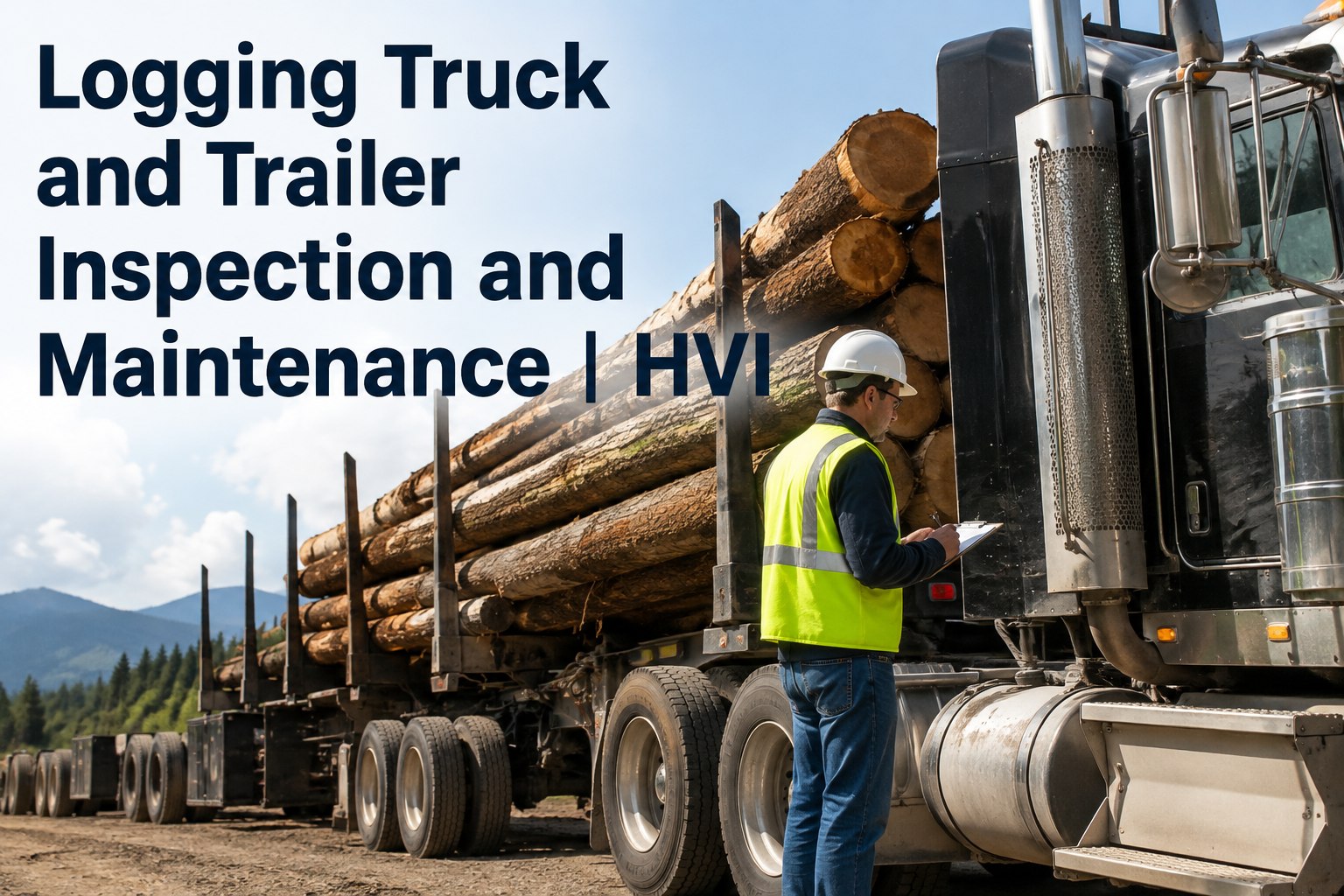
When drivers report a defect, they need to know whether it was reviewed, what happens next and whether the truck is fit for its intended work. HVI can support the inspection and maintenance recordkeeping side of that process.
What drivers notice
Fewer repeated faults, clearer repair status, less uncertainty at dispatch and evidence that reported concerns are taken seriously.
What fleet managers gain
Consistent inspection records, preventive maintenance visibility, work order history and better context for recurring equipment problems.
See how Book a Demo of HVI can help connect vehicle inspections with maintenance follow-up.
Example values only, not industry benchmarks or HVI dashboard screenshots. Define metrics consistently and protect employee privacy.
Use a retention scorecard that prompts action
Review trends monthly and compare like-for-like routes, seasons and job types. Avoid using individual driver data to create unfair rankings.
- Turnover: Separations divided by average driver headcount for the period.
- Early exits: New hires leaving in the first 30, 60 or 90 days.
- Maintenance disruption: Shifts affected by unplanned truck downtime.
- Defect response: Time to acknowledge, repair and communicate closure.
- Driver feedback: Common issues raised and percentage receiving follow-up.
Keep HR metrics in an appropriate personnel system. Use HVI for relevant vehicle inspection and maintenance evidence rather than implying it is a recruitment or payroll platform.
Give drivers confidence that reported truck problems are being addressed.
Use HVI to organize vehicle inspections, maintenance tasks and repair history across your logging fleet.
Build a 90-day improvement plan without overhauling everything
Start with the issues drivers can see, then establish consistent feedback and maintenance practices before expanding the program.
Listen and baseline
Hold confidential stay interviews, review recent exits, inspect recurring equipment complaints and document current onboarding steps.
Fix visible friction
Improve defect response communication, assign driver mentors, clarify dispatch expectations and address preventable maintenance delays.
Review and standardize
Compare turnover and downtime trends, follow up on driver feedback and publish clear responsibilities for ongoing improvement.
Retention risks that hide in daily operations
Recruiting before fixing chronic downtime
New drivers quickly experience the same unreliable trucks that frustrated previous employees.
Better: Review repeat defects and preventive maintenance backlogs before scaling hiring.Ignoring unpaid waiting and schedule uncertainty
Mill queues and unpredictable hours can undermine an otherwise competitive offer.
Better: Explain compensation terms and review controllable dispatch delays.Treating every departure as a pay issue
Exit reasons may also involve supervisor communication, safety concerns and onboarding.
Better: Combine confidential feedback with operational data.Log truck driver recruitment and retention FAQs
What is the best way to improve log truck driver retention?
Start by identifying why drivers leave. Common areas to investigate include pay clarity, schedule predictability, vehicle reliability, road safety, supervision and onboarding. Prioritize recurring issues and measure whether changes improve the driver experience.
How does truck maintenance affect driver retention?
Repeated breakdowns and unresolved defects can create delays, frustration and safety concerns. Consistent inspections, preventive maintenance and documented repair follow-up help fleets demonstrate that equipment concerns receive attention.
What should a log truck driver onboarding program include?
Include a realistic job preview, required qualification checks, site and route orientation, load securement practices, vehicle inspection procedures, hazard reporting, emergency protocols, mentored assignments and scheduled check-ins. Adapt the program to local laws and the equipment used.
Which metrics help track logging driver turnover?
Track monthly or quarterly turnover, early new-hire exits, maintenance-related downtime, defect response times and recurring feedback themes. Compare periods carefully because forestry operations can be seasonal.
Can HVI replace driver recruiting or HR software?
No. HVI is positioned here as a fleet inspection and maintenance management tool. It can help organize vehicle condition and service records that support the work environment, but it should not be presented as an applicant tracking, payroll or HR retention platform.
Support driver retention with reliable inspection and maintenance workflows.
Start organizing your truck records today, and see how HVI fits your forestry fleet operations.