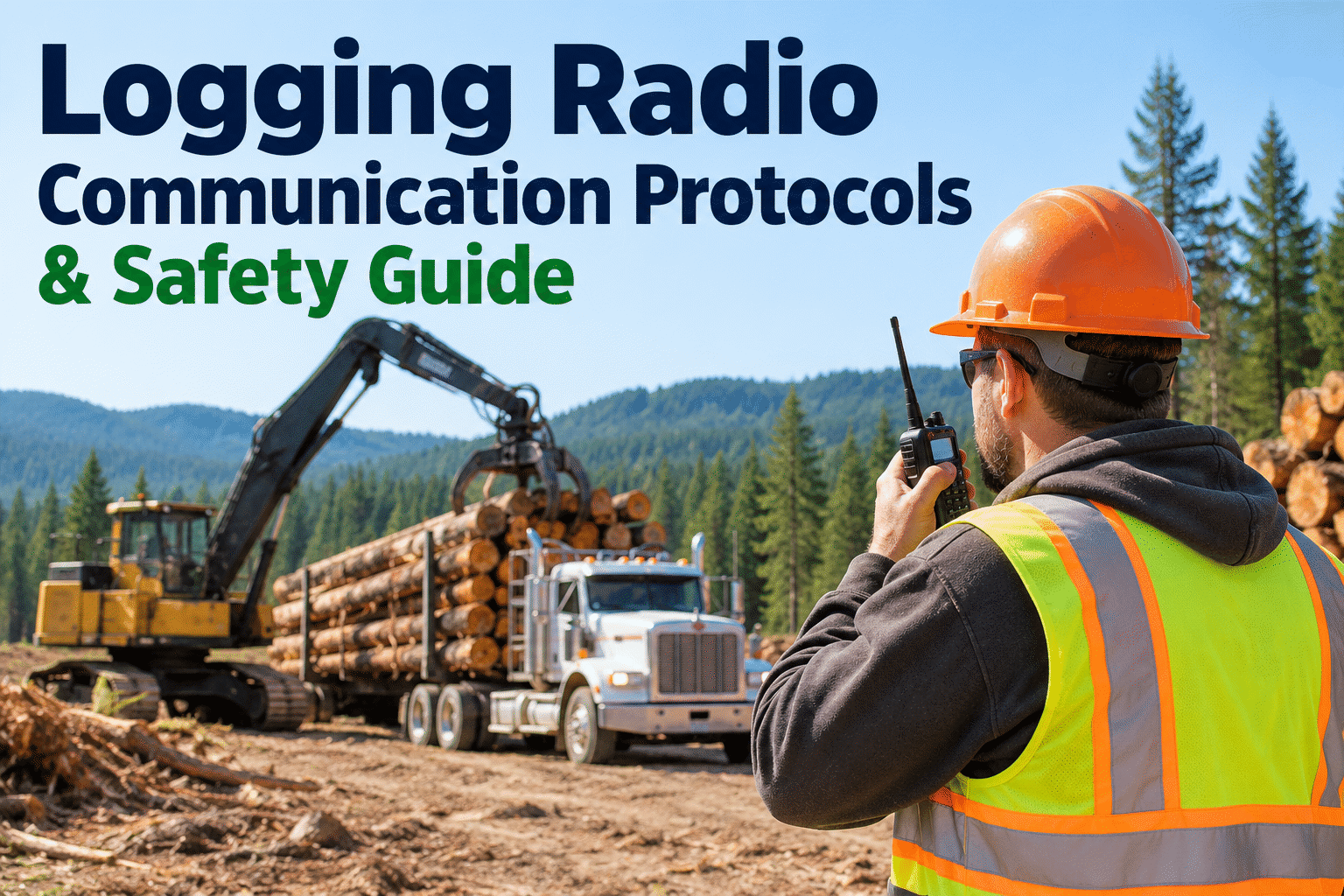
Logging radio protocol keeps timber trucks, machine operators and ground crews coordinated when visibility is limited and heavy equipment is moving. A missed call at a blind bend or an unclear instruction beside a loader can turn routine work into a serious hazard. This guide explains how to set up call signs, channels, acknowledgments and emergency procedures—and how to keep communication equipment inspection records organized with HVI's free signup.
When the road disappears around a bend, your radio becomes part of the safety system.
Make every movement call recognizable, every critical instruction acknowledged, and every radio failure a reason to stop and reassess.
A useful forestry radio procedure is not a list of phrases alone. It defines who communicates, which channel to use, when a movement requires clearance, how instructions are confirmed, and what happens when the signal fails. Radio discipline supports—but never replaces—physical separation, traffic controls, competent supervision and site-specific safety procedures.
Build the protocol around five predictable momentsUse the same communication pattern across crews and shifts.
Before entering the block
Confirm the assigned channel, test reception and identify who controls access to active work zones.
At blind road sections
Announce the vehicle ID, direction and designated marker before entering a controlled section.
Near loading equipment
Request clearance before approaching the loader or entering an equipment exclusion area.
During unusual movements
Use clear, direct calls for reversing, recovery, breakdowns and changing traffic patterns.
When the plan changes
Repeat critical changes, receive acknowledgment and update affected workers before restarting movement.
A daily vehicle inspection can include the radio, antenna, charging connection and mounting condition. Book an HVI demo to see equipment inspection workflows.
Channel plan and call signsA simple site radio board prevents avoidable confusion.
Make the call sign unmistakable
Use assigned identifiers such as “Truck 12,” “Loader 2,” and “Landing Control.” Avoid first names alone when several workers may share them.
Channel numbers here are examples, not assigned radio frequencies. Actual use must comply with licensing, equipment specifications and local communication arrangements.
The four-part message that avoids guessworkShort enough for daily use; precise enough for a high-risk movement.
“I'm coming through now.”
No identity, location or confirmed clearance.“Truck 07 at marker 6, requesting entry to the one-lane section.”
Wait for the responsible person's instruction and read it back.Use standard words such as hold, stop, clear and repeat only where the crew has agreed on their meaning. Do not treat silence as permission to proceed. When a message is broken or ambiguous, stop in a safe position and establish positive communication before continuing.
Haul-road communication: the critical handoffsDefine who controls the movement—not just who speaks first.
A truck call should never authorize entry into a felling zone, active machine swing radius or other restricted area by itself. The site supervisor must define safe separation and positive clearance requirements. When a radio message conflicts with observed conditions, workers should prioritize stopping and resolving the hazard.
What to do when radio communication failsUse a pre-agreed stop-work and escalation sequence.
1. Stop the affected movement
Pull into a designated safe area when possible. Do not enter controlled road or machine zones without required clearance.
2. Check the radio and repeat once safely
Verify channel, power, antenna, volume and signal conditions without distracting the operator from equipment control.
3. Use the approved backup
Follow the site's alternate radio, relay point or other documented contact method. Never improvise a risky movement to regain reception.
4. Restore and verify communication
Notify the supervisor, document defective equipment and confirm the communication method works before the operation resumes.
HVI can support the equipment-defect side of this process through inspections and work orders. Book a demo to review radio-related maintenance documentation.
Daily radio readiness checklistCheck equipment before trucks and machines leave the staging area.
Radio condition
- Radio powers on and holds charge
- Antenna and cables are secure
- Speaker and microphone are clear
- Mounting does not obstruct operation
Communication plan
- Correct channel is confirmed
- Call signs and control contacts assigned
- Blind-section markers reviewed
- Backup communication agreed
Crew understanding
- Movement call rules understood
- Critical instructions read back
- Emergency wording explained
- Radio failure stop-work rule understood
For the equipment portion, assign radio condition checks to the relevant vehicle or machine inspection. Report intermittent reception, loose wiring or broken controls as defects for follow-up. A checklist is not a substitute for verifying real communication coverage across the worksite.
Emergency calls need a separate protocolPractice the message before an actual incident.
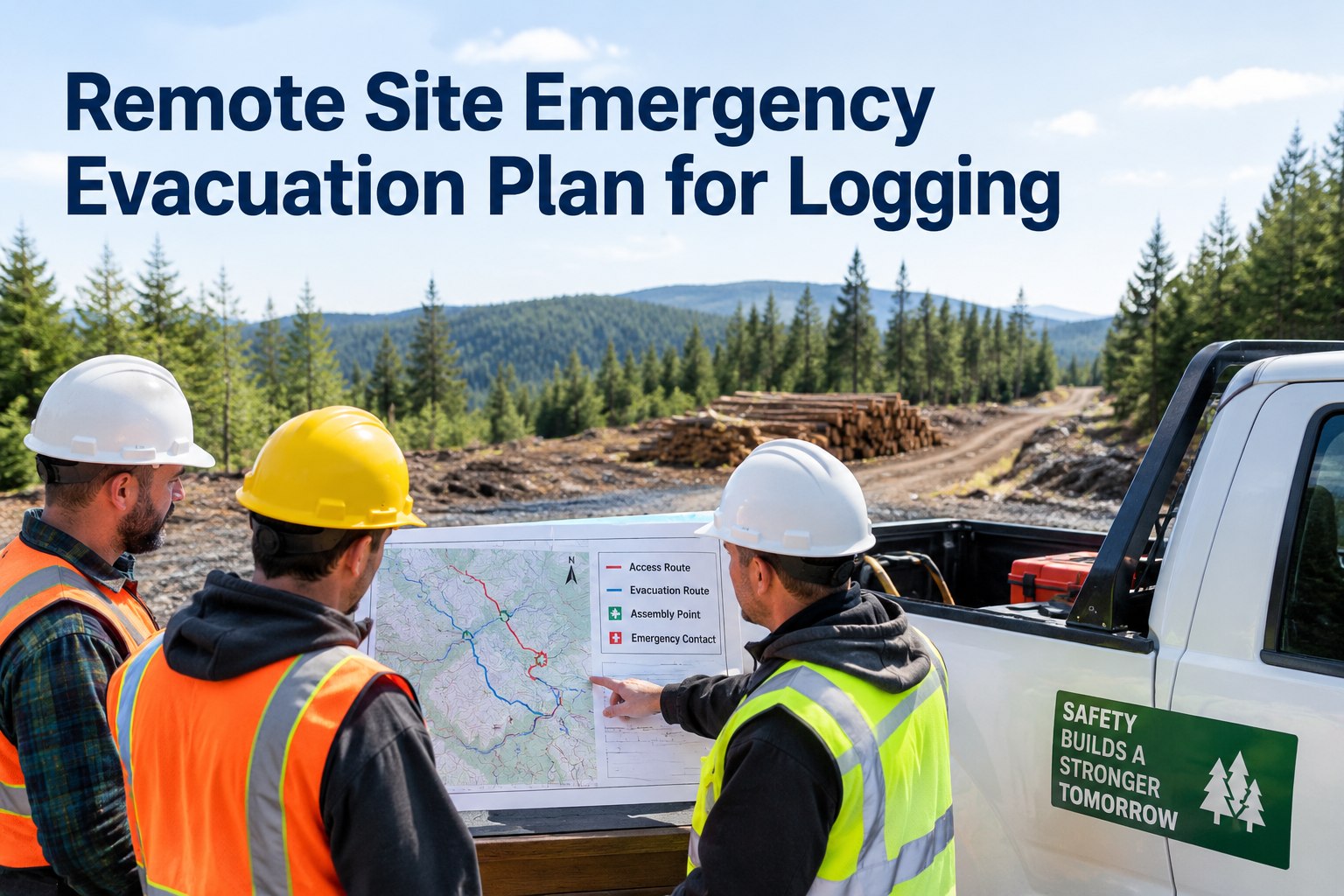
Emergency communications should specify who contacts outside responders, how a route is cleared, where crews assemble and what to do if the primary radio channel is unusable. Test the plan under actual terrain and coverage conditions. Radio calls must not delay urgent first aid or other immediate protective action.
Where HVI supports the communication safety programOrganize the equipment and team records around the protocol.
Team member information
Maintain organized team details that support supervisor coordination and operational records.
Digital equipment inspections
Add appropriate radio and communication-equipment condition checks to vehicle or machine inspection routines.
Defect and work order records
Document faulty radios, antenna damage or wiring issues and track corrective maintenance work.
Maintenance history
Keep repair and service records associated with the relevant vehicle or equipment asset.
HVI is not a live radio network, dispatch platform, emergency alert service or real-time crew tracking system. Start free to organize your forestry equipment inspection records.
Roll out a protocol crews can actually followKeep the first version clear, testable and site-specific.
Map the risk
Identify blind bends, single-lane roads, loading zones and known signal gaps.
Write the rules
Assign channels, call signs, movement clearance authority and backup procedures.
Practice on site
Run radio checks, read-back drills and communication failure scenarios.
Review and improve
Correct confusing phrases, inspect radios and update the plan as roads and crews change.
Revisit the communication plan whenever haul routes change, new contractors arrive, operating areas expand or incidents reveal gaps. Supervisors should verify applicable OSHA logging requirements, local rules and site-specific procedures rather than assuming one universal radio standard covers every operation.
Logging radio protocol — FAQs
What should a logging radio communication protocol include?
A practical protocol defines channel assignments, unique call signs, routine movement calls, acknowledgment and read-back rules, controlled-area clearance, emergency messages, radio checks and communication failure procedures. It should be tailored to the worksite's terrain, traffic and equipment.
Should logging truck drivers announce every blind corner?
Contractors should identify controlled sections and specific call points through a site risk assessment. Blind bends, narrow roads and shared access points may require prescribed calls and positive clearance. Radio announcements do not replace traffic controls or safe driving practices.
What if a worker does not acknowledge a radio instruction?
Do not assume the instruction was heard. Repeat the call using the agreed procedure and stop or hold the affected movement in a safe location until positive communication is established or an approved alternative is implemented.
How should emergency radio messages be structured?
Use the site's agreed emergency phrase, identify the exact location, describe the incident and assistance required, and obtain confirmation that the responsible contact received the message. Emergency response and backup communication procedures should be practiced.
Can HVI monitor forestry radio conversations or dispatch emergency responders?
No such capability is claimed here. HVI supports team information, equipment inspections, maintenance work orders and service history. Radio communications and emergency response require suitable dedicated systems and site procedures.
Keep your forestry equipment inspection program as clear as your radio calls.
Use HVI to document vehicle and equipment condition, track repair work and maintain service histories while your crews follow a separate, well-practiced radio communication plan.