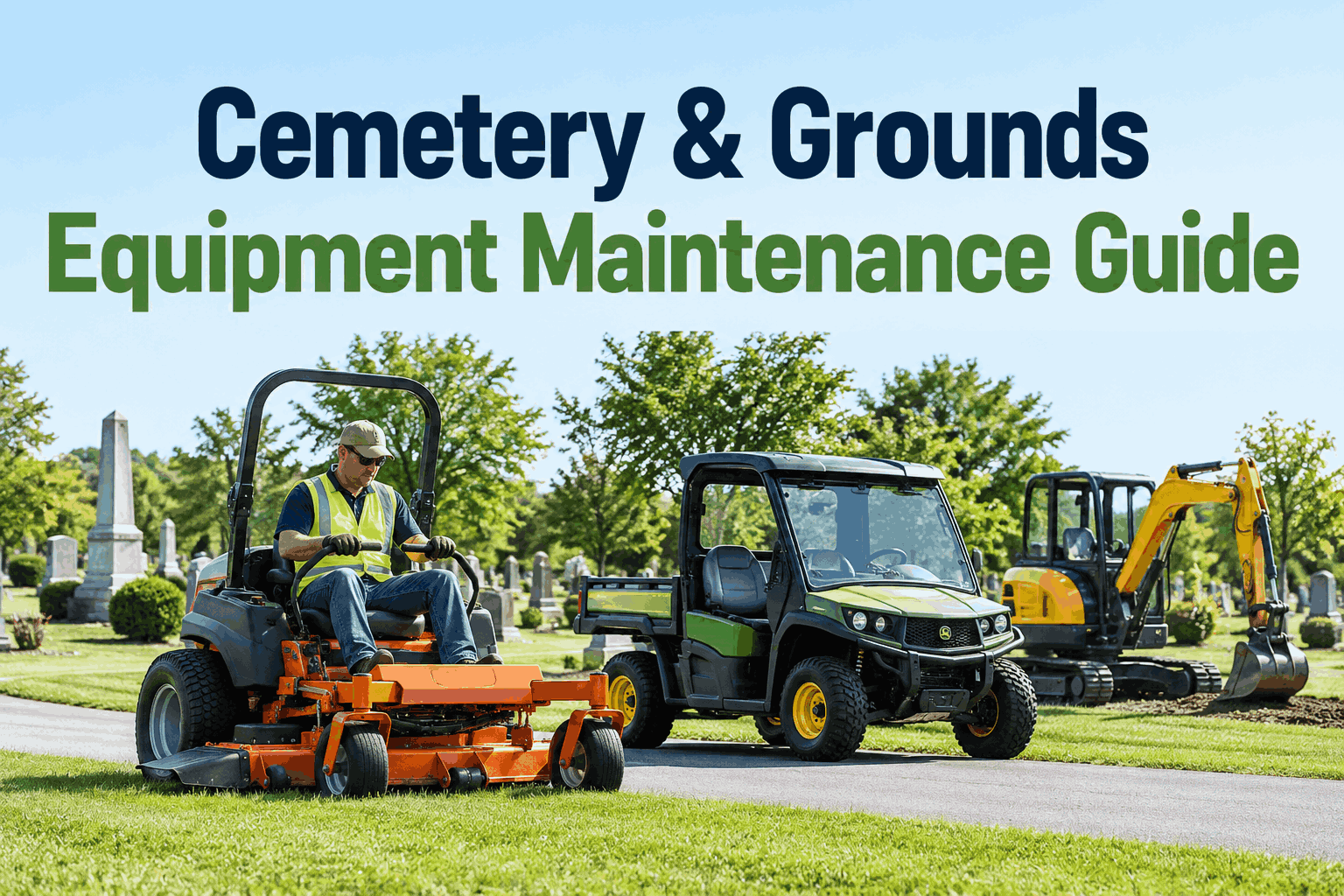
Cemetery equipment maintenance is easy to underestimate because the fleet often looks like a collection of smaller machines rather than one maintenance operation. Yet a failed mower can disrupt appearance standards, an unavailable utility vehicle can slow crews across large grounds, and a compact loader defect can interrupt burial preparation or material handling. Municipal teams need a practical way to inspect, service and document each equipment type without treating every asset the same.
Keep the Grounds Ready by Maintaining the Equipment Behind Every Zone
Organize inspections, preventive maintenance, defects and repair history across mowers, utility vehicles, compact equipment and attachments—all without forcing different machines into one generic maintenance schedule.
The best cemetery maintenance program starts by recognizing that mowing, crew transport, digging and material handling create different equipment demands. Daily condition checks can catch developing problems, while scheduled service should follow the applicable manufacturer instructions for each machine. The management challenge is connecting those activities so grounds managers know what is ready, what needs attention and what maintenance has already been completed.
A Cemetery Equipment Maintenance Checklist Should Change With the Machine
A zero-turn mower and a compact track loader may both work on the same municipal property, but their maintenance risks are very different. Grounds departments get better records when inspection forms follow the machine's actual systems instead of asking operators to complete the same broad checklist for every asset.
Every operator can follow the same inspect → report → repair process while the actual inspection points remain specific to the mower, utility vehicle, compact machine or attachment being used.
HVI's equipment inspection workflows can support different inspection forms for different asset classes while keeping records accessible through the same system. See how HVI can organize cemetery mower, utility-vehicle and compact-equipment inspections.
Move From Reactive Repairs to a Seasonal Grounds Equipment Maintenance Rhythm
Cemetery equipment demand is rarely flat throughout the year. Mowing intensity can rise quickly during growing seasons, landscaping creates additional equipment use, and compact machines may be called into service for excavation, material movement, storm cleanup or other grounds work. Maintenance planning should anticipate those changes instead of waiting for a heavily used machine to become unavailable.
Review service status, open defects, cutting components, batteries, tyres and equipment due for planned maintenance.
Capture operator findings, watch service triggers and resolve defects before they become larger interruptions.
Use accumulated inspection and repair history to identify machines needing deeper service before the next demand cycle.
Complete required service and follow manufacturer procedures for equipment entering reduced-use or storage periods.
Calendar time is only one maintenance trigger. Some equipment may also require service according to engine or machine hours, while condition findings can create work before a scheduled interval arrives. HVI's preventive maintenance tools help organize recurring service by asset. See how HVI can keep seasonal grounds equipment PM visible before peak-use periods begin.
Turn Operator Observations Into Maintainable Equipment Records
Grounds operators often notice developing problems before the fleet shop sees the machine. A mower begins vibrating differently. A utility vehicle develops a braking concern. A compact loader shows a hydraulic leak during the walk-around. The maintenance process needs an easy path from that field observation to a documented decision.
Mower M-14 develops unusual deck vibration during operation.
Create the appropriate maintenance action, document completed work and retain the record against the mower.
Not every reported condition means the equipment requires the same response. The value is in making the finding visible, evaluating it appropriately and keeping the resulting maintenance record connected to the asset. HVI's maintenance management workflow can connect equipment findings with repair activity and service history.
Use Service History to Make Better Grounds Equipment Decisions
A cemetery fleet can contain equipment with very different ages, annual use and repair patterns. Looking only at the latest work order makes it difficult to see whether a problem is isolated or recurring. An asset history gives managers context before they approve another repair, plan seasonal service or evaluate whether an older unit still fits the operation.
Past inspections and work orders provide context for recurring equipment concerns.
Review open work and recent service before equipment enters a heavier operating period.
A documented service trail helps managers understand the maintenance history behind the next decision.
That record becomes particularly valuable when operators change, equipment moves between crews or a fleet manager needs to review the condition of several grounds assets at once. HVI keeps inspections and maintenance activity connected to the equipment record instead of leaving history scattered across paper forms and individual spreadsheets.
A Simple Framework for Municipal Cemetery Equipment Maintenance
The goal is not to create more paperwork for grounds crews. A useful program should make the condition of equipment easier to understand and maintenance easier to act on. Start with the assets that most directly affect daily cemetery operations, then build the process around their actual maintenance requirements.
Identify maintainable mowers, utility vehicles, compact machines and important attachments.
Create equipment-specific checks using manufacturer requirements and operating needs.
Set applicable calendar, meter or other manufacturer-defined preventive maintenance triggers.
Move reported problems into maintenance action and retain the completed repair record.
The maintenance platform should support the process without pretending that every machine follows the same technical rules. Manufacturer documentation remains the source for model-specific service procedures and intervals. HVI provides the operational layer for organizing inspections, preventive maintenance, defects, work orders and asset records across the municipal grounds fleet.
Make Cemetery Equipment Maintenance Easier to See Before Work Begins
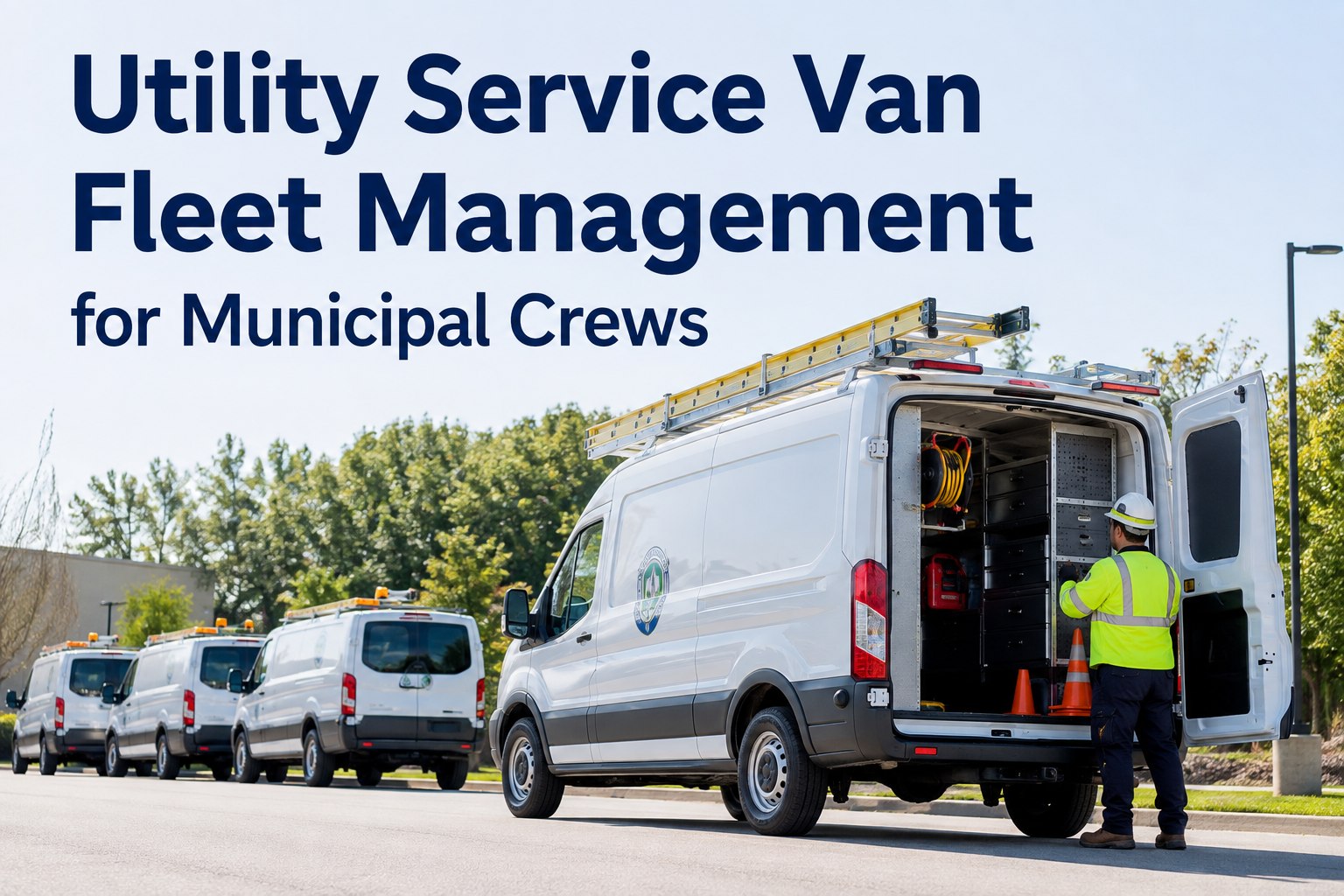
Municipal cemetery operations depend on more than mowers. Utility vehicles move people and supplies, compact equipment supports heavier grounds work, and attachments expand what each machine can do. When their records are scattered, small maintenance needs are easier to miss.
HVI helps grounds and fleet teams organize asset-specific inspections, preventive maintenance, defects, work orders and equipment history in one maintenance workflow. The result is a clearer view of what has been inspected, what requires service and what work has already been completed.
Cemetery & Grounds Equipment Maintenance FAQs
What equipment should be included in a cemetery equipment maintenance program?
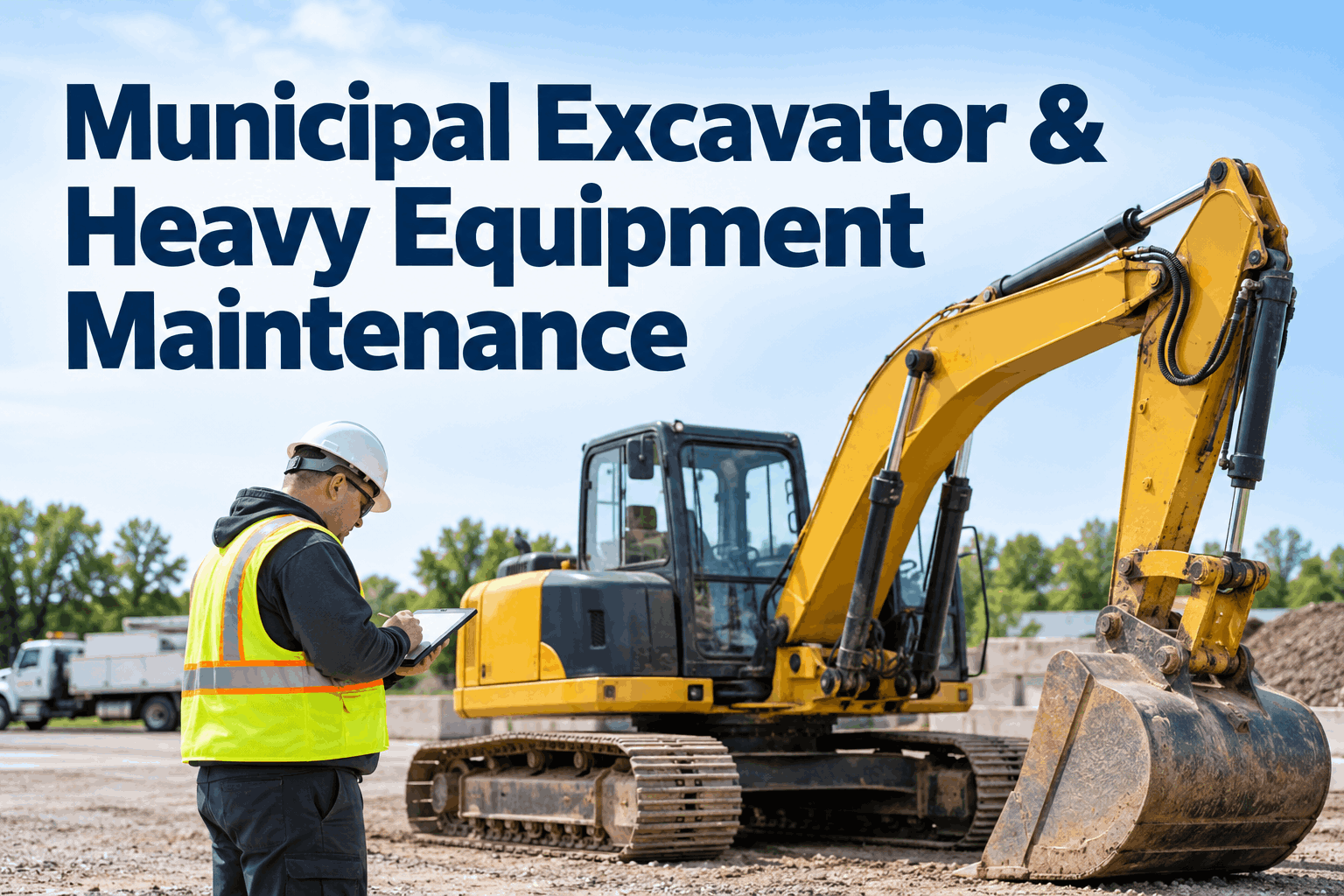
Include the maintainable assets that support cemetery and grounds work, such as commercial mowers, utility vehicles, compact loaders, mini excavators and important attachments. The exact inventory varies by municipality, but each asset should have an identifiable record, appropriate inspection process and applicable preventive maintenance schedule.
How often should cemetery grounds equipment be inspected?
There is no single inspection interval that fits every machine. Operator checks and scheduled inspections should follow the equipment manufacturer's instructions, applicable requirements and municipal procedures. Equipment used intensively or in demanding conditions may also need closer condition monitoring.
What maintenance areas are important on commercial grounds mowers?
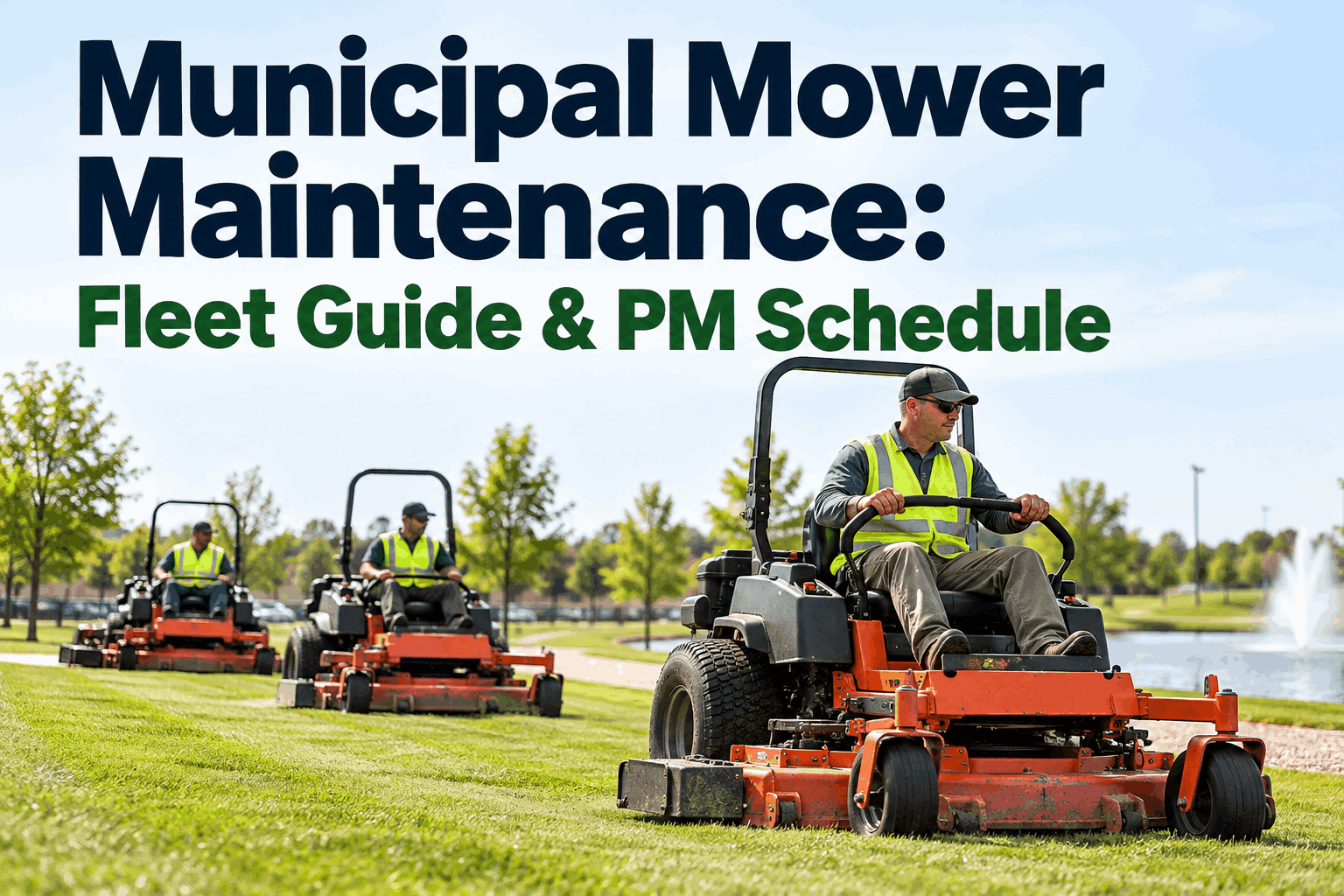
The exact checklist depends on the mower, but maintenance commonly involves the cutting system, blades, deck, belts, tyres, guards, lubrication points, engine systems, filters and fluids. Use the manufacturer's manual for the correct procedures, specifications and service intervals for each model.
How should municipalities manage skid steer and compact equipment maintenance?
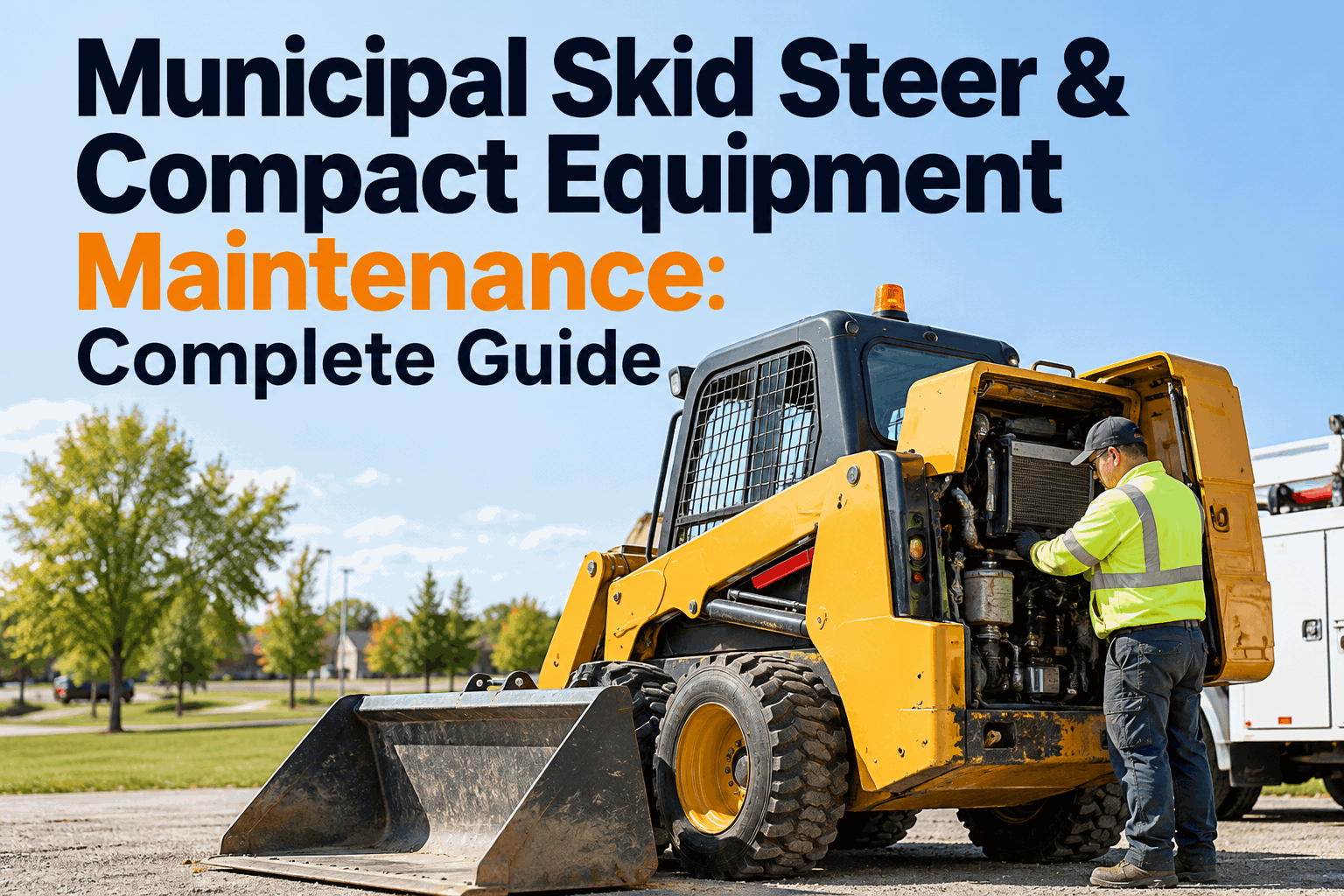
Keep compact equipment on its own inspection and preventive maintenance program. Daily walk-arounds can help identify leaks and visible condition concerns, while tyres or tracks, lubrication, filters, hoses, cooling systems and other components should be maintained according to the specific machine's manufacturer schedule.
How can HVI help with municipal grounds equipment maintenance?
HVI can help municipalities create equipment-specific digital inspections, schedule preventive maintenance, document defects, manage work orders and retain service histories across mowers, utility vehicles and compact equipment. It provides a common maintenance workflow while allowing different asset types to keep the checks and schedules appropriate to them.