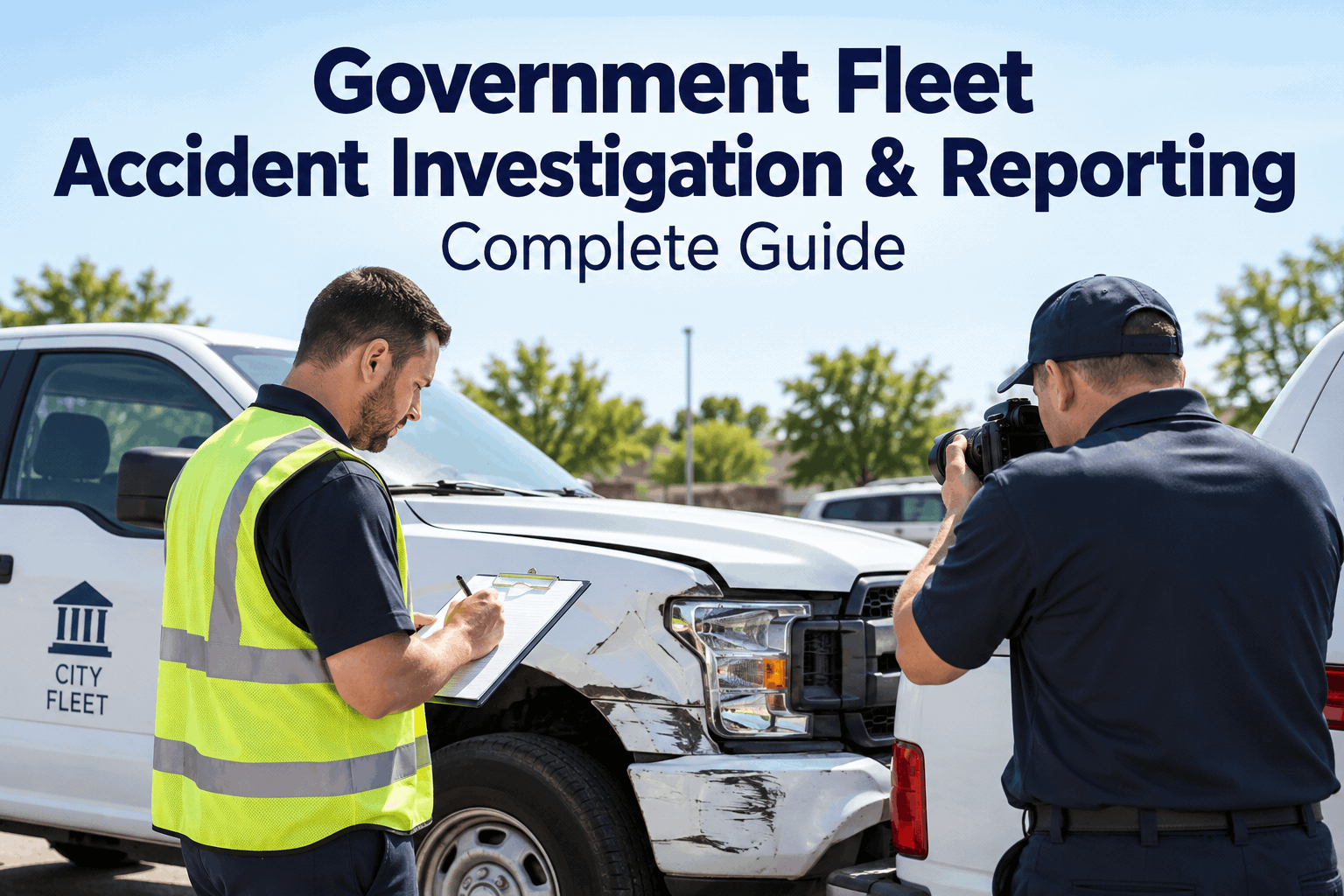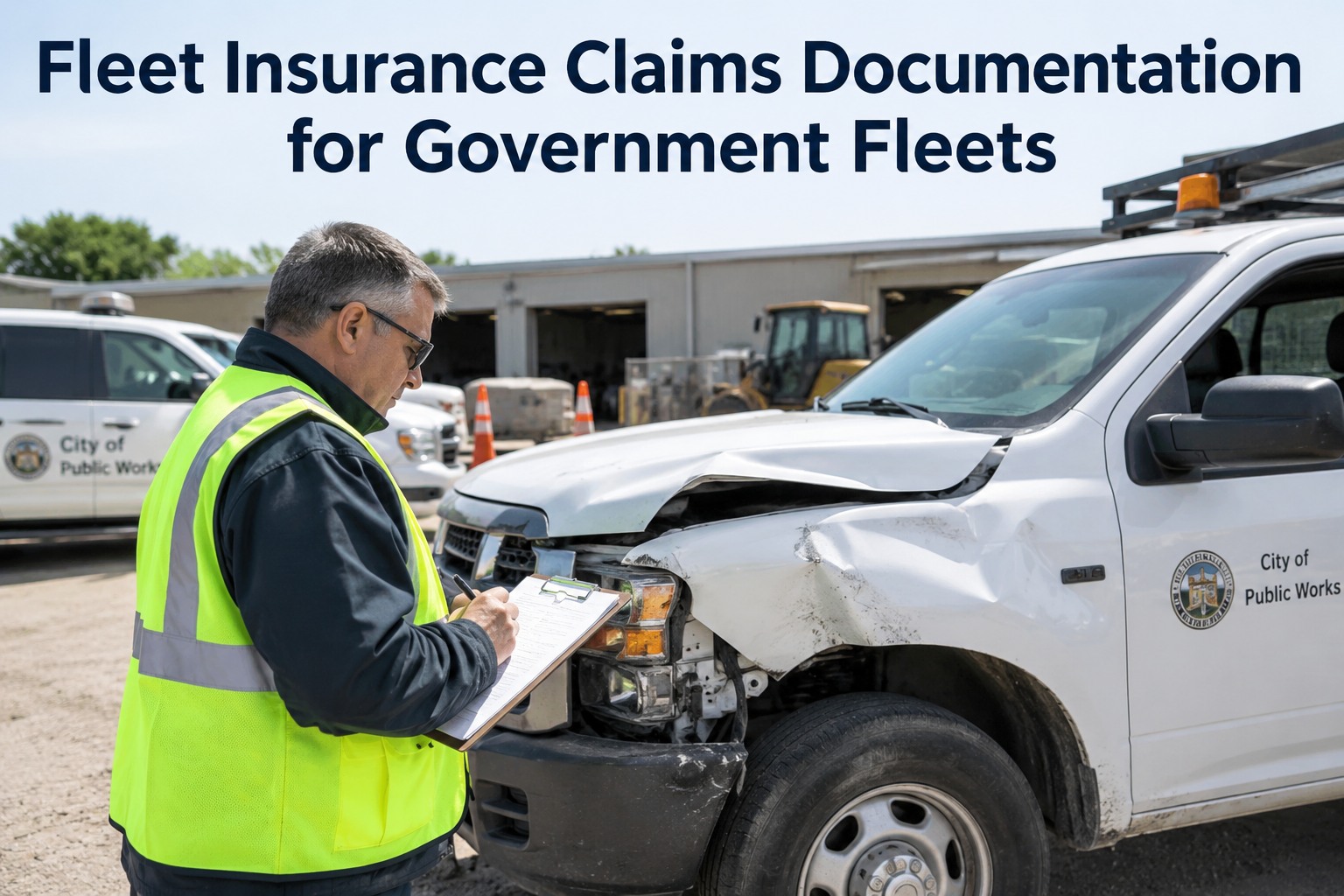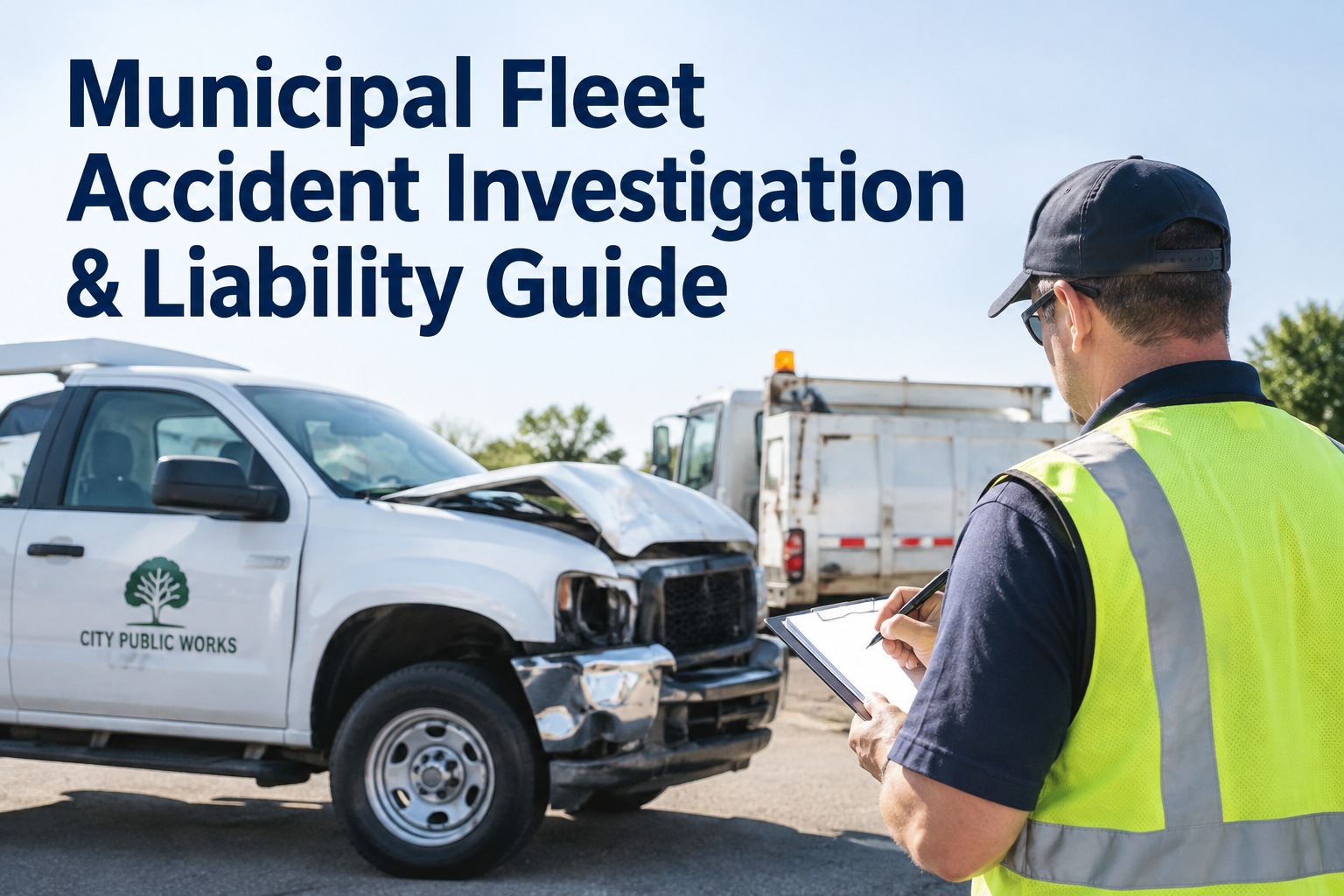
The crash report gets filed, the vehicle goes to the shop, and six months later a claim arrives asking what condition that truck was actually in before the collision — and whether the driver's license was even current that day. A municipal fleet accident investigation isn't finished when the scene is cleared; the harder half starts the moment someone needs to prove what was true before the accident happened. Book a Demo
A municipal fleet accident investigation is a race against several deadlines simultaneously
None of these windows wait for the others to close first.
Miss the record-keeping half of any of these windows and the investigation isn't wrong — it's just unable to prove what it concludes. Book a Demo
Investigating an accident and defending a municipality's liability position are two different jobs that happen to share the same evidence. The investigation asks what happened and why. The liability defense asks whether the record proves the municipality had already done everything reasonably expected of it — and that second question usually gets answered by paperwork nobody thought to preserve at the time.
What a Municipal Fleet Accident Investigation Actually Has to Establishroot cause, not blame — but root cause still needs evidence
A credible investigation isn't built to assign fault to a driver; it's built to identify the actual root cause across every contributing factor, so the same failure doesn't repeat. That means looking past the immediate cause to the conditions that allowed it.
Task
What the driver was actually doing, and whether the route, schedule, or job itself created pressure that contributed.
Equipment
The vehicle's mechanical condition at the time — brakes, tires, lights — and whether that condition was already documented before the incident.
Environment
Weather, road condition, lighting, and signage at the scene, captured while they're still verifiable.
Personnel
Driver qualification status, training currency, and whether fatigue or scheduling played any role.
Stopping at the immediate cause — "the driver didn't see the stop sign" — without asking why visibility, training, or vehicle condition let that happen is how the same incident quietly repeats a year later. HVI's post-accident first-24-hour checklist covers the immediate scene-preservation steps that feed directly into this analysis.
The Record That Existed Before the Accident Matters More Than the Report Written Afteran investigator's first questions are almost always about the past, not the crash itself
Every serious accident investigation opens with a version of the same questions, and each one has a specific record behind it — not a general assurance that "we're usually pretty careful about that."
| Question an investigator will ask | Record that actually answers it |
|---|---|
| Was this vehicle's brake and tire condition known before the crash? | Signed pre-trip and periodic inspection records, dated before the incident |
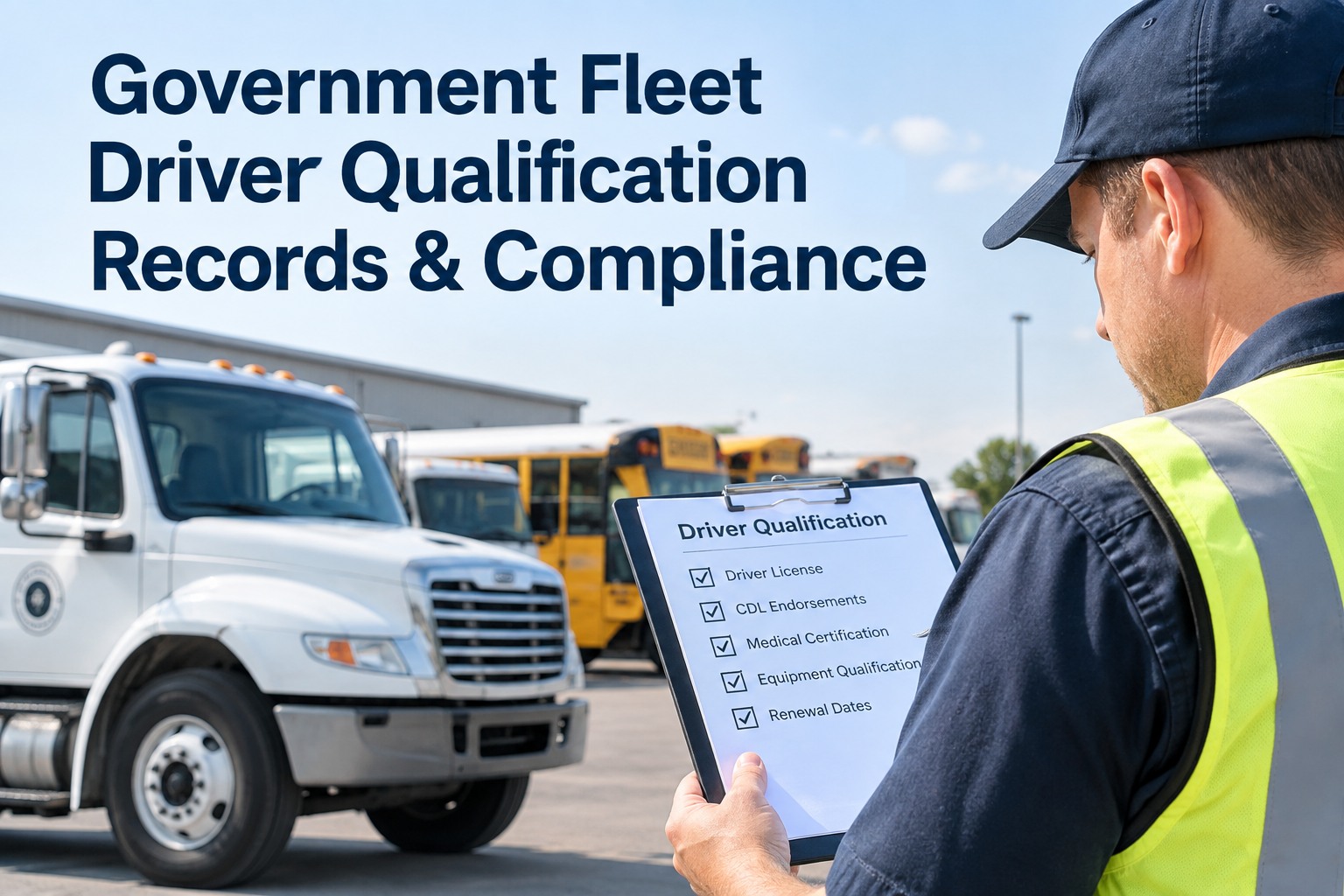
| Was the driver licensed and medically qualified that day? | Current qualification file with an alert history showing nothing had lapsed |
| Had this defect been reported before? | A defect-to-repair history for that specific asset, not a general shop log |
| Was scheduled maintenance actually performed on time? | A complete, timestamped maintenance history per vehicle |
| Did the driver receive the required training? | Signed training completion records, dated and retrievable |
None of these records need to say anything favorable to matter — a documented, promptly-repaired defect is a far stronger position than an undocumented one, even if the vehicle wasn't perfect. What actually hurts a municipality's position is the absence of a record, not an imperfect one. Book a Demo
Why Municipal Liability Doesn't Work Like Private Fleet Liabilityshorter clocks, different protections — confirm both for your jurisdiction
Notice-of-claim deadlines and governmental immunity vary by jurisdiction
Many U.S. states require a formal notice of claim to be filed against a municipality within a fixed, often short window — commonly somewhere in the range of 60 to 180 days, though the exact period and the consequence of missing it vary considerably by state. Several Canadian provinces impose their own notice requirements for claims against municipalities, on their own separate timelines. In both countries, government entities also frequently carry statutory immunity or liability caps that private fleets don't have, which changes how an investigation's findings ultimately get used.
None of these specifics are universal, and getting them wrong isn't a paperwork error — a missed notice deadline or a misunderstood immunity provision can determine whether a claim proceeds at all. Confirm the exact requirements with your municipality's legal counsel rather than assuming a timeline from a different jurisdiction applies.
This is also why the investigation and the records behind it need to move fast — a notice-of-claim window can close well before an internal investigation would otherwise wrap up on its own schedule.
From Scene to Closed Investigation: The Sequence That Holds Upskipping a step doesn't save time — it just moves the gap somewhere less convenient
Step five is where files quietly go missing years later — scattered across whoever happened to be safety manager at the time. Sign Up Free
From a risk manager who stopped reconstructing history from memory
We had a claim come in almost a year after a minor collision, and legal needed the truck's maintenance history and the driver's certification status on the date of the incident. It took us the better part of a week to reconstruct it from paper files and old spreadsheets, and I wasn't fully confident the reconstruction was complete.
Now that history is just there, attached to the vehicle and the driver, the day it happens. The last claim we had to respond to took an afternoon instead of a week, and I could actually hand over a complete record instead of my best reconstruction of one.
Janet's fleet didn't get safer overnight — it got a record that didn't depend on anyone's memory a year later. Book a Demo
Frequently asked questions
What should a municipal fleet accident investigation cover?
A thorough investigation examines the task the driver was performing, the vehicle's mechanical condition and documented maintenance history, environmental conditions at the scene, and personnel factors including driver qualification status and training currency. The goal is identifying the actual root cause across all of these factors, not simply the immediate cause or assigning fault to a single individual.
What records matter most for defending municipal fleet liability after an accident?
The records that matter most predate the accident: signed pre-trip and periodic inspection reports, a complete maintenance and defect-repair history for the specific vehicle, current driver license and medical certification records, and documented training completion. A promptly repaired, well-documented defect generally supports a municipality's position far better than an absence of any record at all, even if the underlying issue wasn't ideal.
How is municipal fleet liability different from private fleet liability?
Municipalities often benefit from statutory governmental immunity or liability caps that private fleets don't have, but they're also frequently subject to short, mandatory notice-of-claim deadlines — commonly in the range of 60 to 180 days in many U.S. states, with separate requirements under various Canadian provincial frameworks — that can bar a claim entirely if missed. The exact rules vary significantly by jurisdiction and should be confirmed with legal counsel rather than assumed from a general guide.
How quickly does an accident investigation need to happen?
Scene evidence such as photos, vehicle positions, and witness information should be captured immediately, within minutes if possible. Post-accident drug and alcohol testing, where required, typically operates on a narrow window of a few hours. The broader internal investigation, root cause analysis, and corrective action process generally take longer, but should move quickly enough to be complete well before any applicable notice-of-claim deadline could close.
How long should municipal fleet accident investigation records be retained?
Retention periods vary by jurisdiction and record type, but investigation files should generally be kept retrievable for as long as a related claim could reasonably arise, which in practice often extends well beyond the incident date given statute of limitations periods for personal injury or property claims. Confirm specific retention requirements with your municipality's records policy and legal counsel, since these periods differ by state, province, and claim type.
Make Your Next Municipal Fleet Accident Investigation a Retrieval, Not a Reconstruction
HVI keeps inspection records, maintenance history, and driver qualification status tied to every vehicle and driver, with signed PDF documentation and advance alerts — so when an investigation or a claim asks what was true before the accident, the answer is already on file. Live in under two weeks.
No credit card · Signed PDF records included · Audit-ready retrieval by vehicle and driver