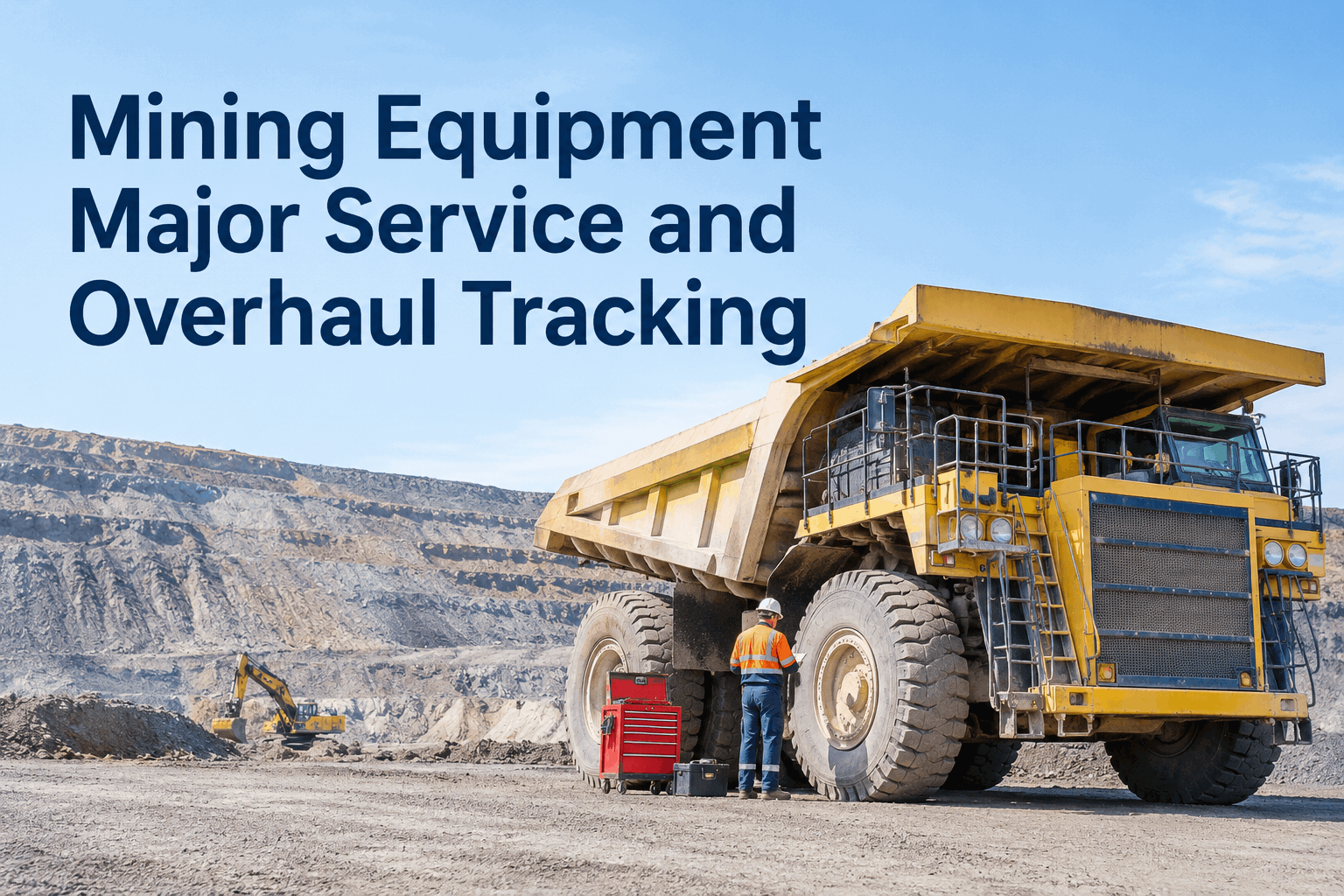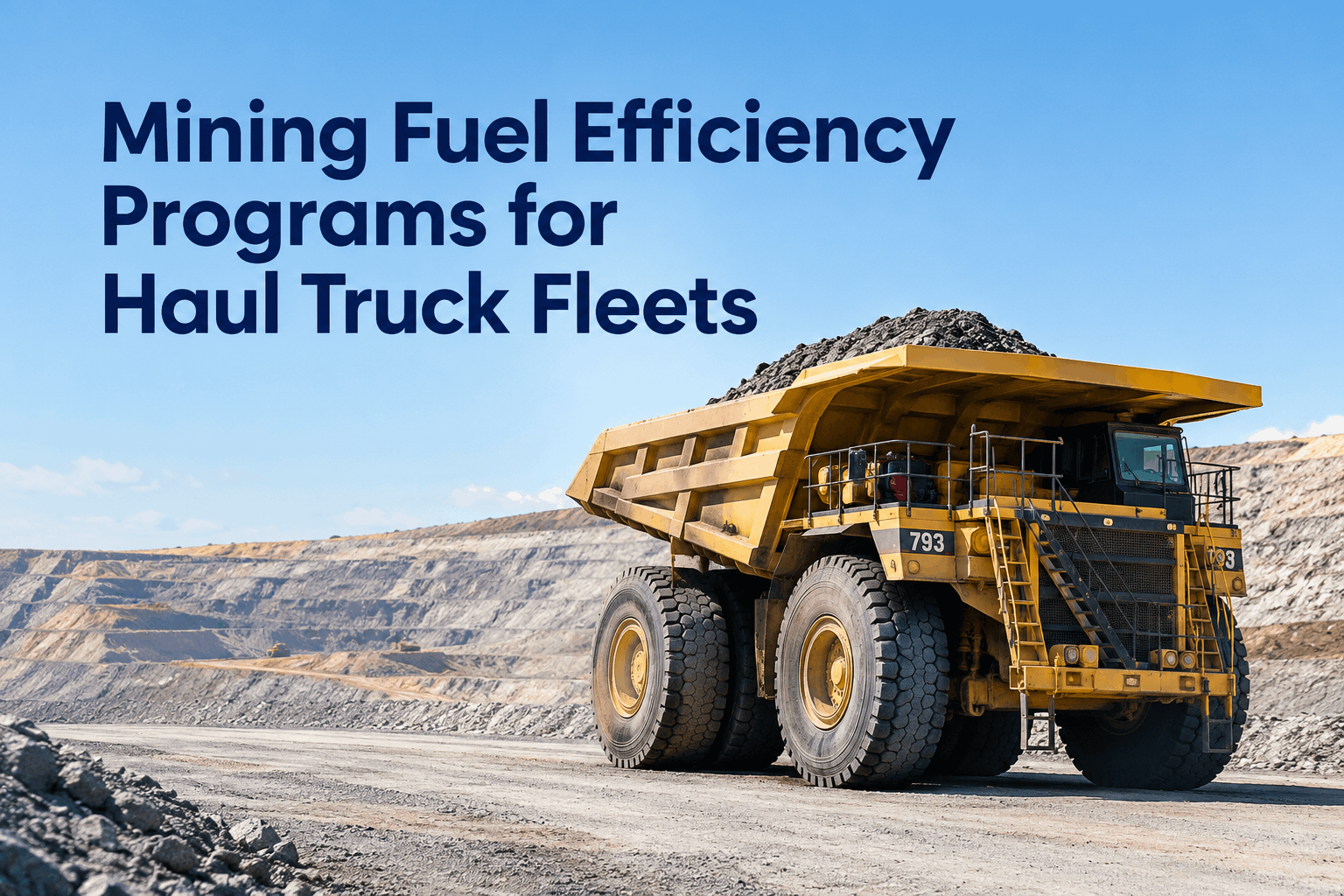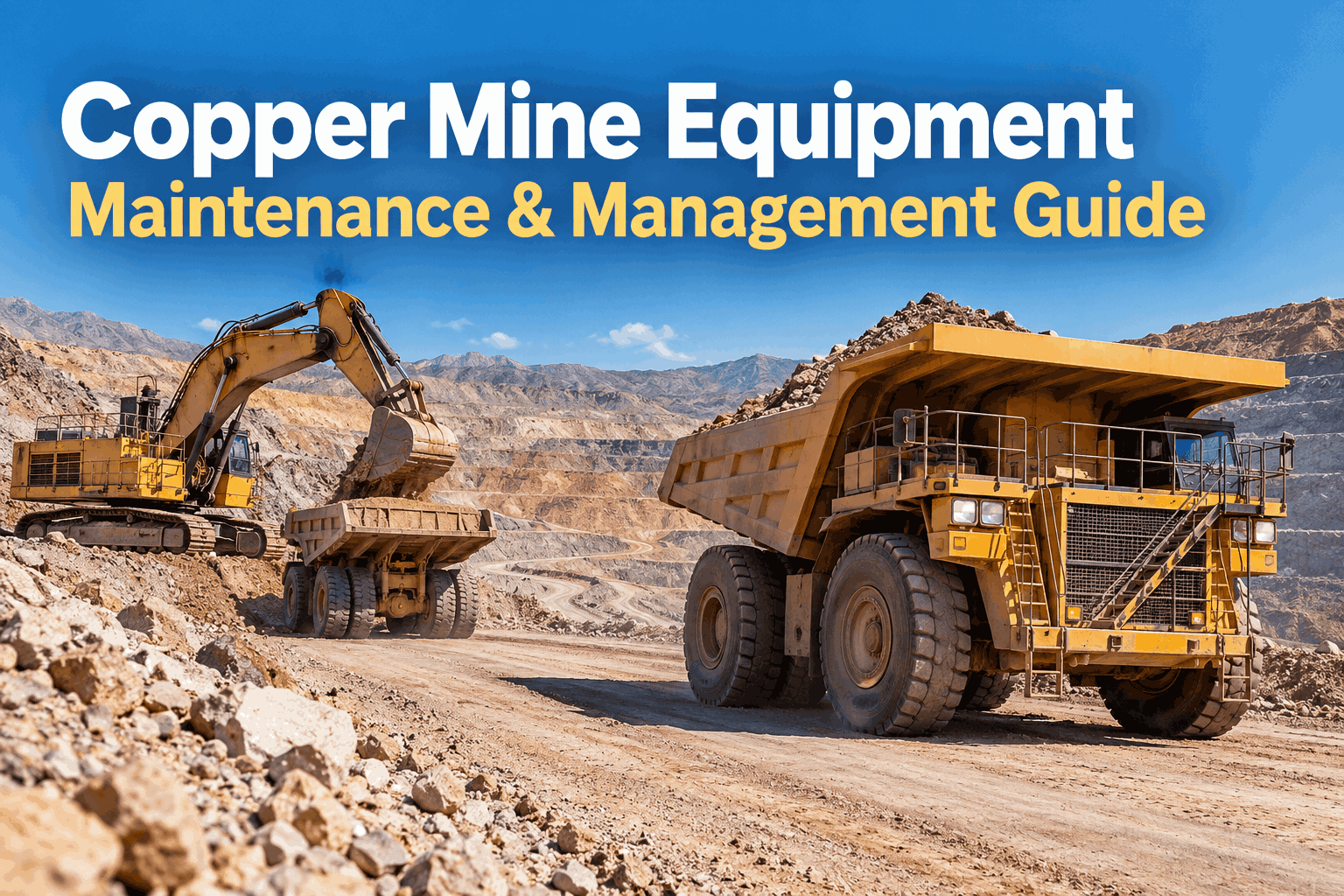
Copper mine equipment maintenance is a reliability problem across the entire material path: shovels load haul trucks, trucks feed crushers, and conveyors keep the concentrator supplied. A missed inspection or delayed repair at one bottleneck can disrupt several crews. This guide shows how to organize inspections, preventive maintenance and repair work orders around the equipment that keeps copper moving.
Keep Copper Moving from Pit to Plant
Build a maintenance program around the real operating chain—loading, haulage, crushing and concentration. Track defects before they become production interruptions.
Which Copper Mine Equipment Needs the Most Attention?Map maintenance by production dependency—not just by asset count
Open-pit and underground copper operations use different equipment mixes, and processing layouts vary. Start with the machines whose failure stops ore movement, then tailor service plans to duty cycle, OEM instructions, site hazards and operating environment.
Load
Electric rope shovels, hydraulic excavators and loaders
Structure · ropes/hoses · lubricationHaul
Haul trucks, support vehicles and road equipment
Tires · brakes · cooling · steeringCrush & Convey
Primary crushers, feeders, transfer points and belts
Wear liners · bearings · belt trackingConcentrate
Grinding, flotation and slurry-handling equipment
Pumps · seals · motors · vibrationFor each stage, connect the asset record to inspection findings, service due dates and open work orders. Book a Demo of HVI equipment maintenance tracking to review how those records can be organized.
Inspect by Failure Mode, Not a Generic ChecklistFocus checks on the components that create downtime or safety exposure
Build checks for each asset class
Shovels: inspect structural areas, lubrication, ropes or hydraulic systems as applicable.
Crushers: inspect liners, abnormal vibration, lubrication and guarding condition.
Conveyors: check belt alignment, rollers, spillage and accessible guarding.
Slurry pumps: monitor leakage, seals, vibration and wear.
Use manufacturer procedures and site safety requirements for inspection frequency, isolation and return-to-service decisions.
Turn Defects Into a Repair Queue the Shop Can Act OnSeparate unsafe equipment from production-sensitive repairs
HVI maintenance work orders can provide a consistent place to document the reported defect, asset, corrective action and repair history. The software supports recordkeeping; it does not determine whether equipment is safe to operate.
Schedule Service Around Duty Cycles and Shutdown WindowsCoordinate mobile equipment PM with fixed-plant availability
Hours-based intervals can help plan haul trucks and loading equipment, while fixed-plant assets may also need condition checks, running-hour triggers and shutdown coordination. The exact intervals should come from OEM guidance, component condition and the mine's maintenance strategy.
Keep service history and recurring inspections associated with the correct asset. Sign Up Free for preventive maintenance tracking to begin organizing those records.
Measure Whether Maintenance Is Improving AvailabilityUse a small set of actionable metrics instead of a wall of charts
Track time equipment is mechanically available relative to the defined measurement period.
Compare completed scheduled maintenance against work due in the period.
Review backlog age, safety holds and jobs awaiting parts or shutdown access.
Look for patterns by asset type: repeat defects on one truck, rising downtime at one crusher or recurring pump seal failures. HVI's inspection, work-order and maintenance records can support the review; confirm the reporting views available for your deployment during a Book a Demo of HVI fleet maintenance reporting.
A Practical 30-Day Copper Mine Maintenance SetupStart with high-consequence assets and expand from there
Map critical assets
Identify haulage, loading, crushing and plant equipment. Capture IDs, operating hours and maintenance owners.
Standardize inspections
Create asset-class checklists with defect severity and clear escalation rules.
Build PM & work orders
Enter service plans, recurring tasks, repair owners and verification steps.
Review recurring losses
Examine downtime causes, overdue PMs and repeat repairs; refine the plan.
Give your copper mine maintenance team one clearer workflow
Bring equipment inspections, preventive maintenance schedules and repair work orders together to support better maintenance decisions across the mine.
Frequently Asked Questions About Copper Mine Equipment
What equipment is used in copper mining?
Open-pit copper mines commonly use loading shovels, excavators, haul trucks, crushers and conveyors. Underground mines may also use loaders, underground haul trucks and development equipment. Concentrators use grinding, flotation and slurry-handling systems; the exact equipment depends on the mine and processing route.
What are the main copper mining equipment maintenance challenges?
Common challenges include abrasive wear, heavy-duty cycle loading, dust, component overheating, hydraulic leaks, tire and brake condition, crusher wear and fixed-plant downtime. Inspection plans should reflect the asset's specific duty and operating environment.
How often should copper mine equipment be inspected?
Inspection frequency depends on the equipment, manufacturer guidance, regulatory obligations, site procedures and operating risk. Pre-use checks, periodic detailed inspections and condition monitoring may all be appropriate. A generic interval should not replace site-specific requirements.
How does preventive maintenance help copper mine fleets?
Preventive maintenance helps teams schedule service, replace wear items and address developing issues before unplanned failures. Recording work by asset also helps identify repeat problems and adjust service plans.
How can HVI support copper mine equipment maintenance?
HVI can help organize equipment records, digital inspections, preventive maintenance tasks and repair work orders. Teams can use those records to review service history and open maintenance activity. A demo can confirm which workflows fit your mine's needs.