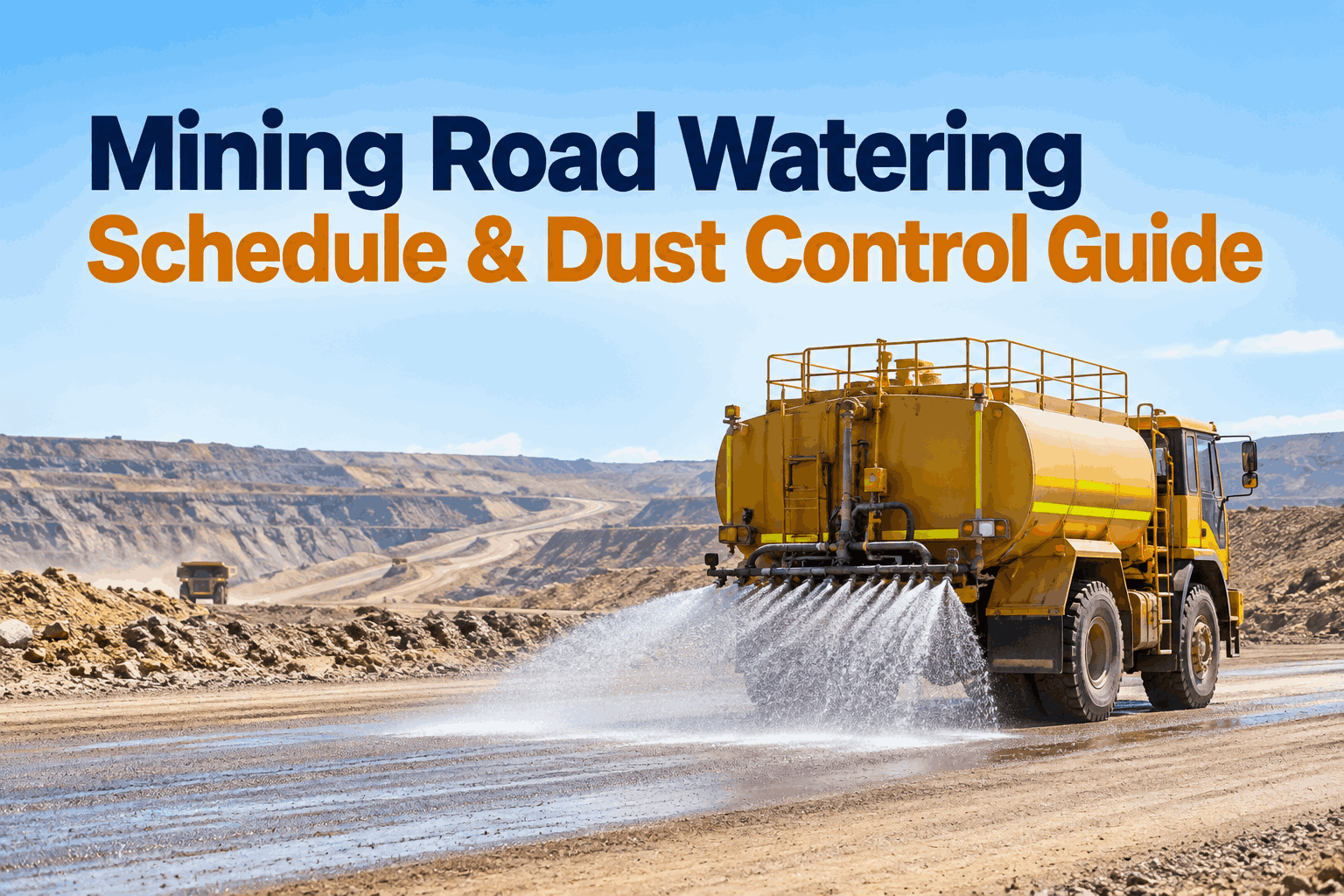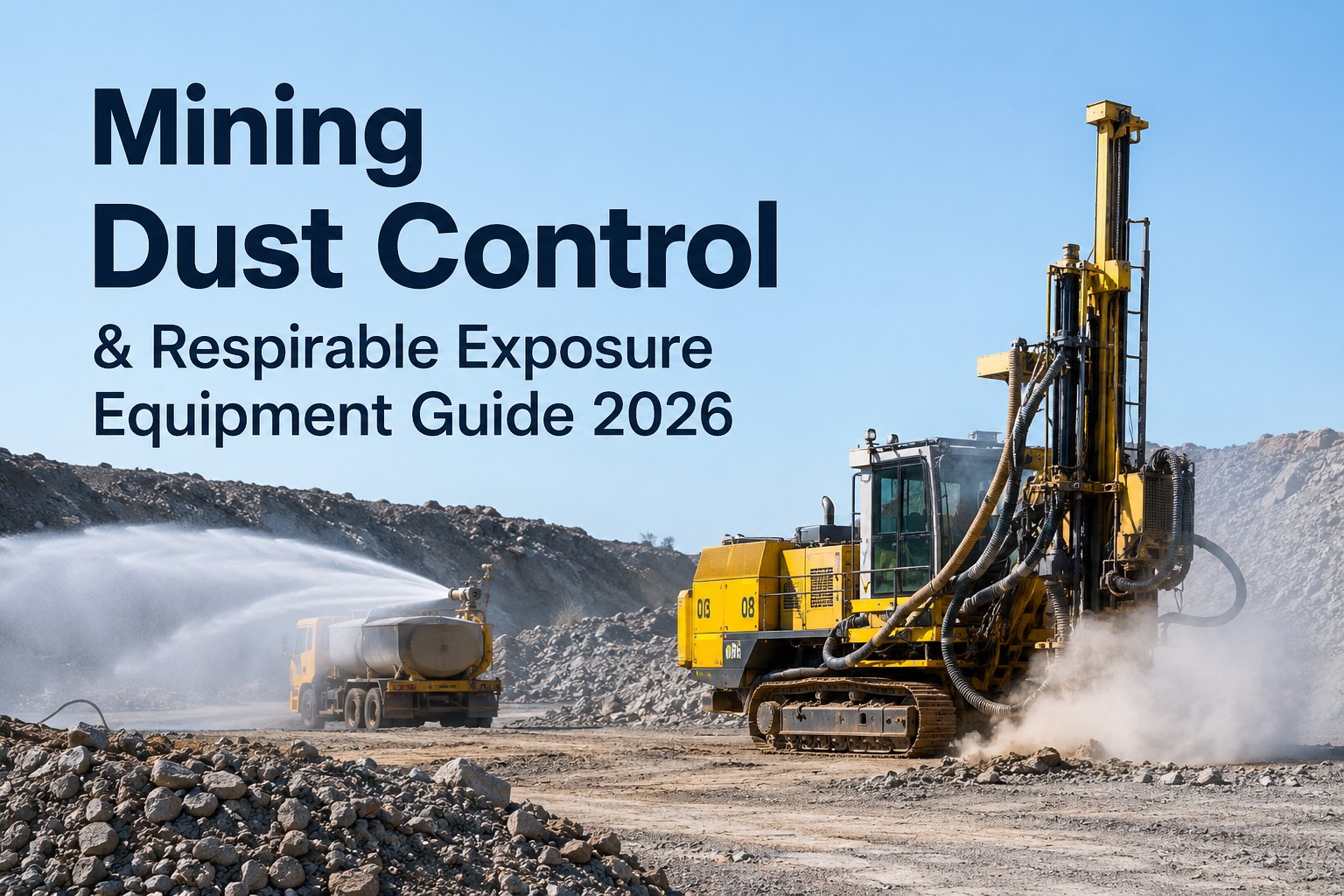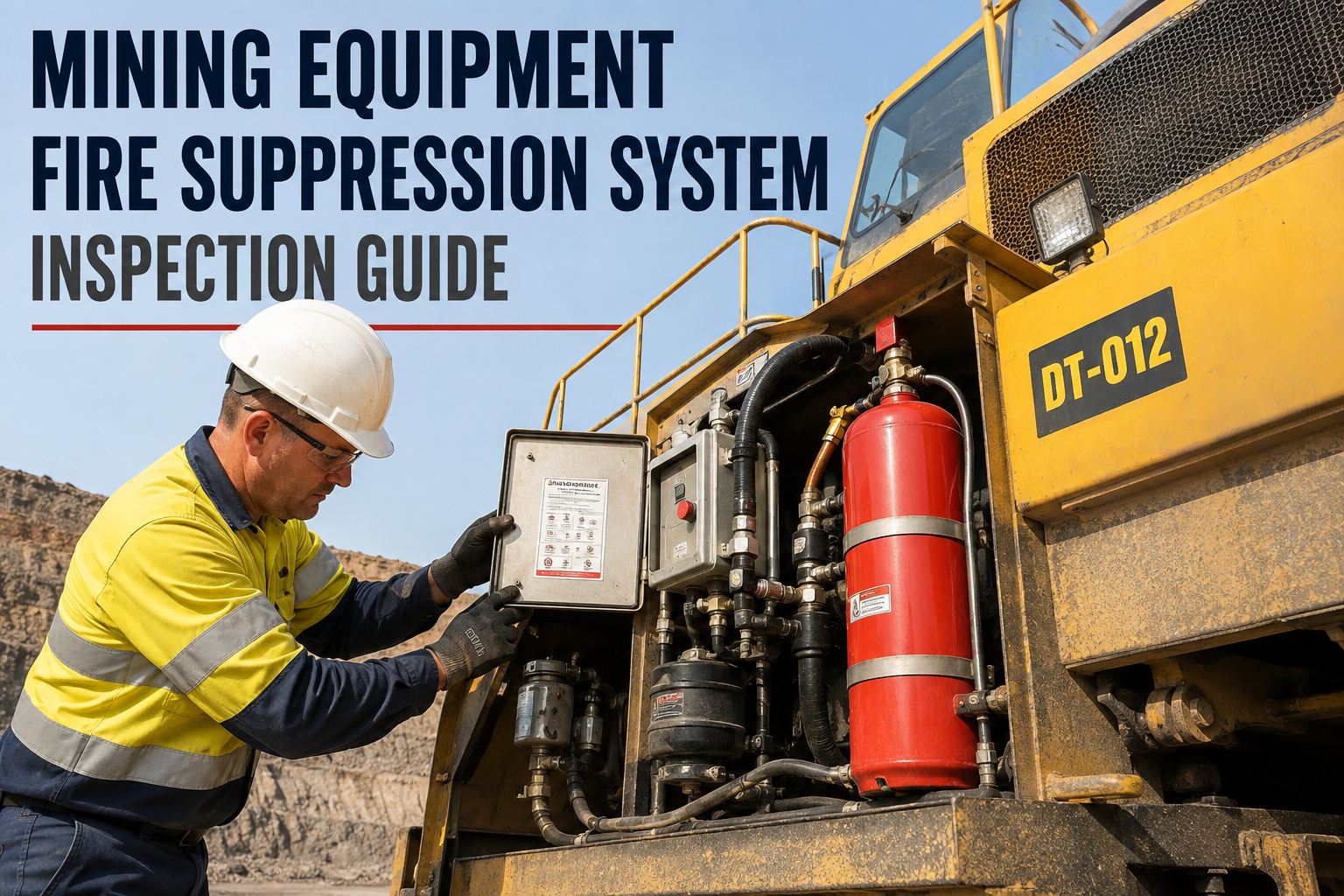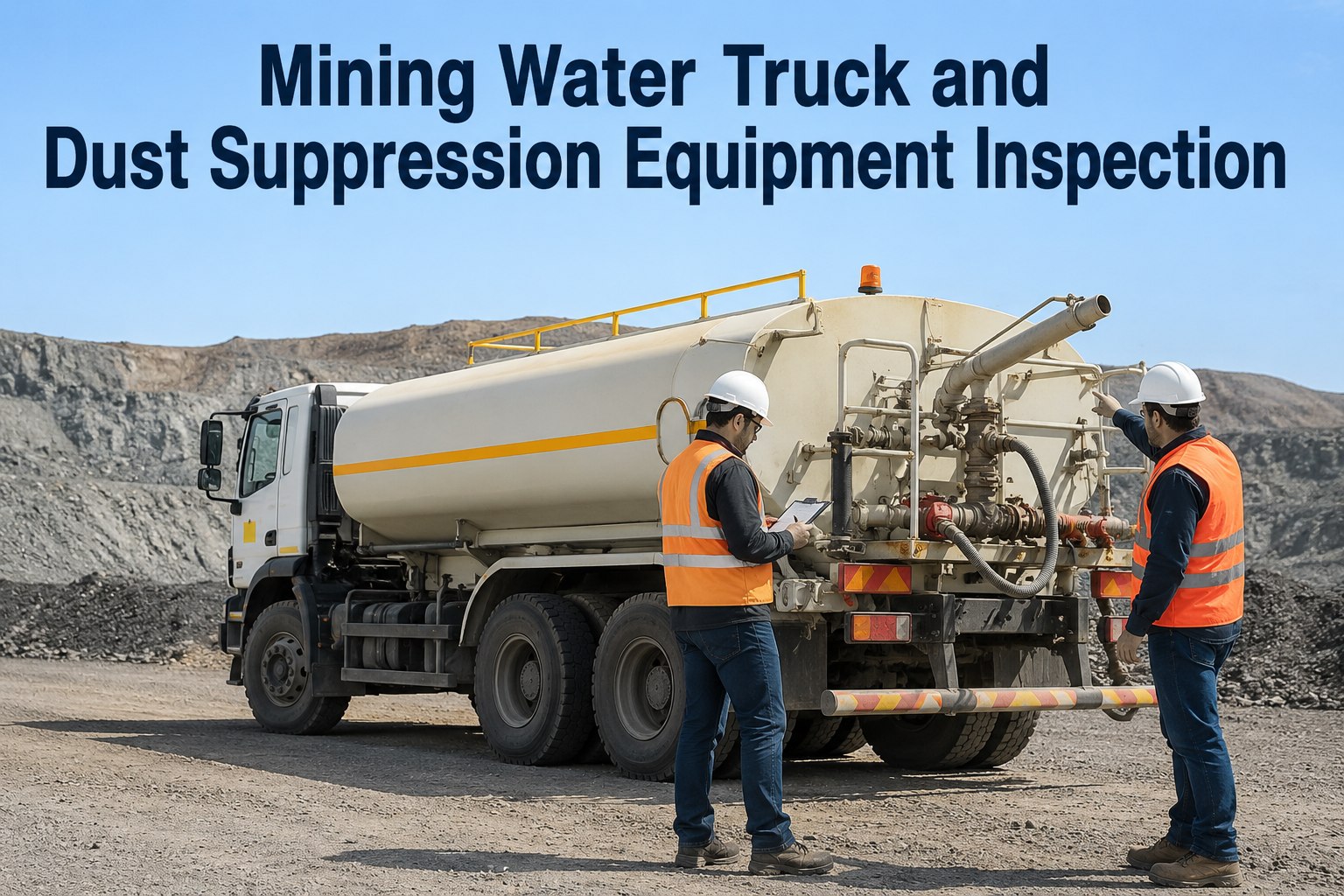
A dust suppression program is easy to describe and hard to prove. On a mine site you've got water trucks on haul roads, sprays at the crusher, chemical on the ramps and speed limits everywhere — but when an auditor or MSHA inspector asks for the records, can you show that every one of those controls actually ran, got checked, and got fixed when it didn't? Here's how to run it as an auditable system — or book a dust-program demo to see it on your own site.
A dust program you can prove, not just describe.
Dust control on a mine site is many methods across many zones — and compliance hinges on evidence that each one is running and checked. Put the whole program on digital checklists, inspections and records, so the proof is built as the work happens instead of reconstructed before an audit.
First, the honest part: HVI doesn't measure dust, monitor PM10 or model where a plume drifts — that's your air-monitoring equipment and your dust plan. What HVI does is run the management side of the program: recurring compliance checklists, equipment inspections, daily operator reports and a complete record of what was checked, when, and what got fixed. It's the companion to your hands-on controls — the detailed water truck and dust suppression equipment inspection and the haul road watering schedule both plug into it. Book a demo of the whole program on one system.
Dust suppression is a program, not a water truckthe methods a mine site dust control program has to manage
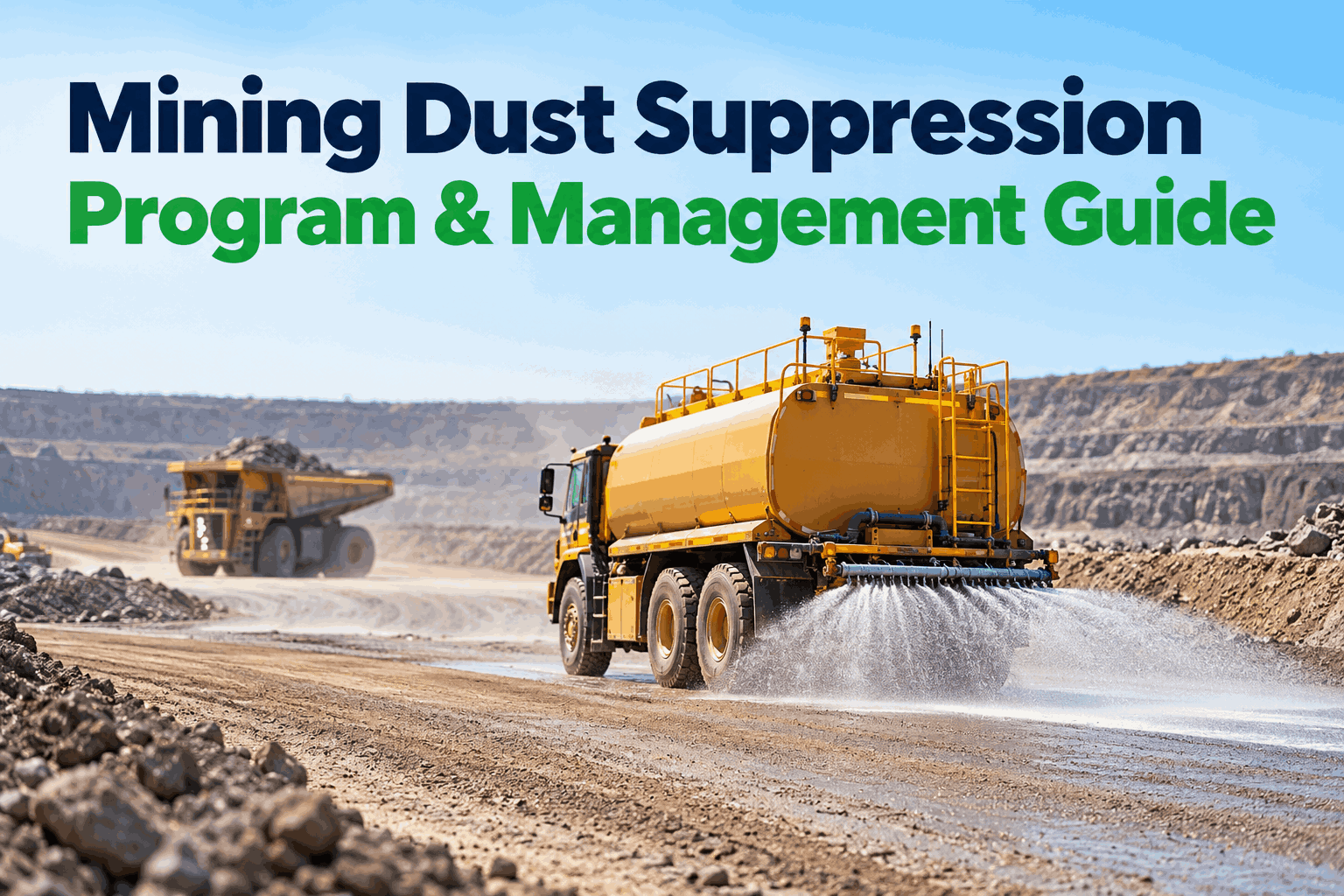
The haul road water truck is the visible part, but a real program runs several controls at once — each in a different zone, each with its own thing to verify. Lose track of any one and that's where the dust, and the finding, shows up.
Water trucks & road spraying
Haul roads, ramps, pit
Verify: trucks running, passes on schedule
Sprinklers, foggers & sprays
Crushers, screens, transfer points
Verify: system on, nozzles clear, pressure
Chemical suppressants
Roads, hardstands, long-term surfaces
Verify: reapplied on schedule, surface sealed
Covers & enclosures
Conveyors, transfer chutes
Verify: covers intact, skirting sealed
Wind & stockpile controls
Stockpiles, exposed faces
Verify: barriers sound, sprays working
Speed & traffic control
Site-wide
Verify: limits posted and observed
That's six things to keep running, not one — and a checklist that covers all of them, on schedule, is the difference between a managed program and a hopeful one. Book a demo of recurring dust checklists.
Why the program is really a compliance problemwhat mine site dust control costs when the records aren't there
Dust is regulated on two fronts — worker health and the environment — and both come down to evidence. When an inspector or an auditor arrives, the controls being in place isn't enough; you have to show the program ran. A paper binder almost never survives that moment.
A paper log is behind, illegible or missing the week in question.
Nobody recorded the date, the coverage or who did it.
The fault was noticed but never logged or turned into a repair.
No shift-level record ties the watering to the day and the truck.
Respirable crystalline silica compliance under MSHA and fugitive-dust obligations to environmental regulators both rest on this kind of record. Build it as you go and the audit is a non-event. Book a demo of daily dust reporting from the field.
Run the program on digital checklists and recordshow HVI supports dust suppression program management
Five features carry the management side of the program. None of them measure dust — they make sure the controls that do are running, checked and documented.
Audit Checklist Manager
Build recurring dust and environmental checklists that fire on schedule and log completion — your compliance backbone.
Digital inspections
Inspect water trucks, sprays, covers and barriers from a phone, with photos and faults flagged on the spot.
Daily operator reporting
Operators report dust conditions and equipment issues each shift, so the picture is current, not reconstructed.
Asset management
Every piece of suppression gear — trucks, pumps, sprinklers, foggers — on one list with status and history.
Preventive maintenance
Keep pumps, sprays and trucks serviced so a control doesn't fail silently and leave a gap in the program.
Together they turn daily operator reporting and scheduled inspections into one continuous compliance record.
What a dust-program checklist covers, by frequency
The Audit Checklist Manager lets you set each check at the right cadence so nothing is over- or under-done. A typical program looks like this:
- Water truck running & haul road damp
- Operator dust observations logged
- Any failed control reported
- Crusher & conveyor sprays on and clear
- Stockpile sprinklers working
- Open faults reviewed
- Chemical surface condition checked
- Wind fences & barriers inspected
- Suppression equipment inspection
- Suppressant reapplied & dated
- Area & coverage recorded
- Signed off by the applicator
Each completed check is a time-stamped record, and anything flagged becomes a work order automatically. Sign up free and build your dust-program checklist, tailored to your site.
What changes across the site
Audit-ready evidence
A complete, time-stamped record of every control, check and fix — on demand.
Fewer gaps & complaints
Recurring checks catch a failed control before it becomes a dust event or a finding.
Equipment that runs
Inspections and PM keep trucks, pumps and sprays working across every zone.
Clear accountability
Who checked what and when — no ambiguity when a regulator or manager asks.
Manage it all alongside the rest of your fleet through preventive maintenance and inspections built for mining. Sign up free and list your suppression equipment to get started.
From a mine environmental manager
Our dust controls were genuinely good — water trucks, sprays at the crusher, chemical on the main ramp. The problem was always proving it. Before an audit I'd lose two days chasing shift supervisors for paper logs, half of which were incomplete, and praying nobody asked about a week I couldn't account for.
Moving the program onto recurring digital checklists changed that completely. Every control gets checked on its own schedule, the operators log dust conditions from the field, and a failed spray becomes a work order instead of a note that disappears. When the regulator came through, I pulled 90 days of records in about five minutes. The controls didn't change — the evidence did, and that's what actually gets scored.
Dust suppression program — FAQs
Does HVI monitor or measure dust levels?
No — HVI doesn't measure dust, track PM10 or PM2.5, or model how a plume disperses. That's the job of your air-monitoring equipment and your dust management plan. HVI manages the program around those controls: recurring compliance checklists, equipment inspections, daily operator reports and a complete record of what was checked and fixed. It works alongside your monitoring, not instead of it.
What is a dust suppression program, exactly?
It's the full set of controls a site uses to keep fugitive dust down — water trucks and road spraying, sprinklers and foggers at crushers and transfer points, chemical suppressants on roads, covers on conveyors, wind barriers at stockpiles, and traffic speed control — plus the inspections, schedules and records that prove each one is running. The controls reduce the dust; the management layer proves the program is actually working.
How does it help with MSHA and environmental compliance?
Both worker-health rules for respirable crystalline silica and environmental fugitive-dust obligations come down to evidence that controls were in place and maintained. HVI builds that evidence continuously: every scheduled check is time-stamped and signed, failed controls become tracked work orders, and you can produce a full history on demand. It supports your compliance effort — it doesn't replace your legal or monitoring obligations.
Can it handle more than just the water trucks?
Yes — that's the point of treating it as a program. Water trucks are one method among several, and the checklist and asset management cover crusher and conveyor sprays, stockpile sprinklers, chemical reapplication, covers and barriers too. Each control sits on its own schedule with its own checks, so the whole program is managed in one place rather than the haul road getting all the attention.
How is this different from a haul road watering plan?
The watering plan is one piece — it covers keeping the haul roads damp with the water-truck fleet. The dust suppression program is the whole picture: every control across every zone, plus the compliance records that tie them together. If you're focused specifically on water-truck coverage, the haul road watering guide goes deeper on that; this program view sits above it and ties all the methods into one auditable system.
Turn your dust suppression program into an auditable system
Every control on a recurring checklist, every inspection and fault logged, every record time-stamped and ready — so the program proves itself and your next audit is a non-event. See it on your own site in 30 minutes.
Recurring checklists · Every method tracked · Time-stamped records · Audit-ready