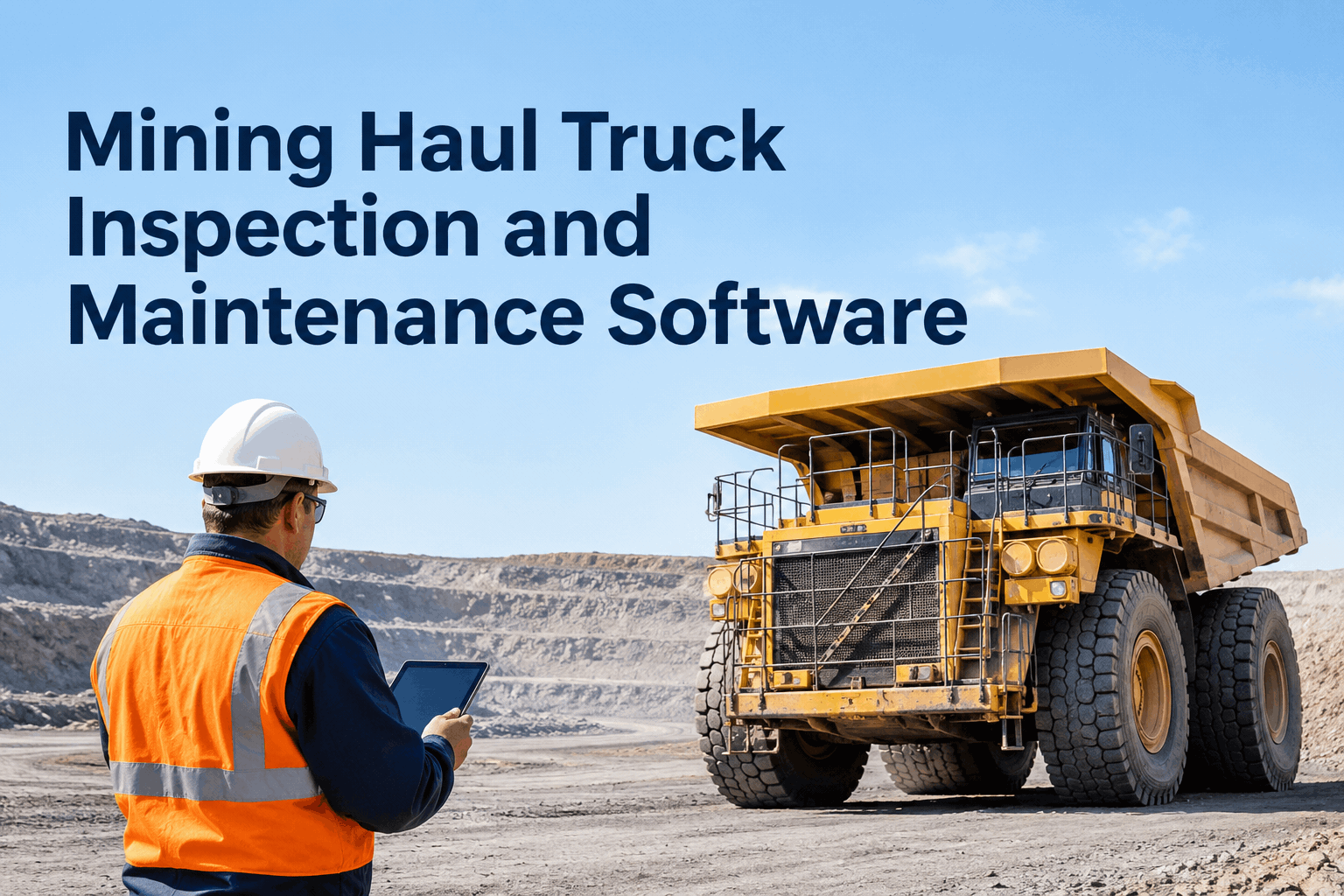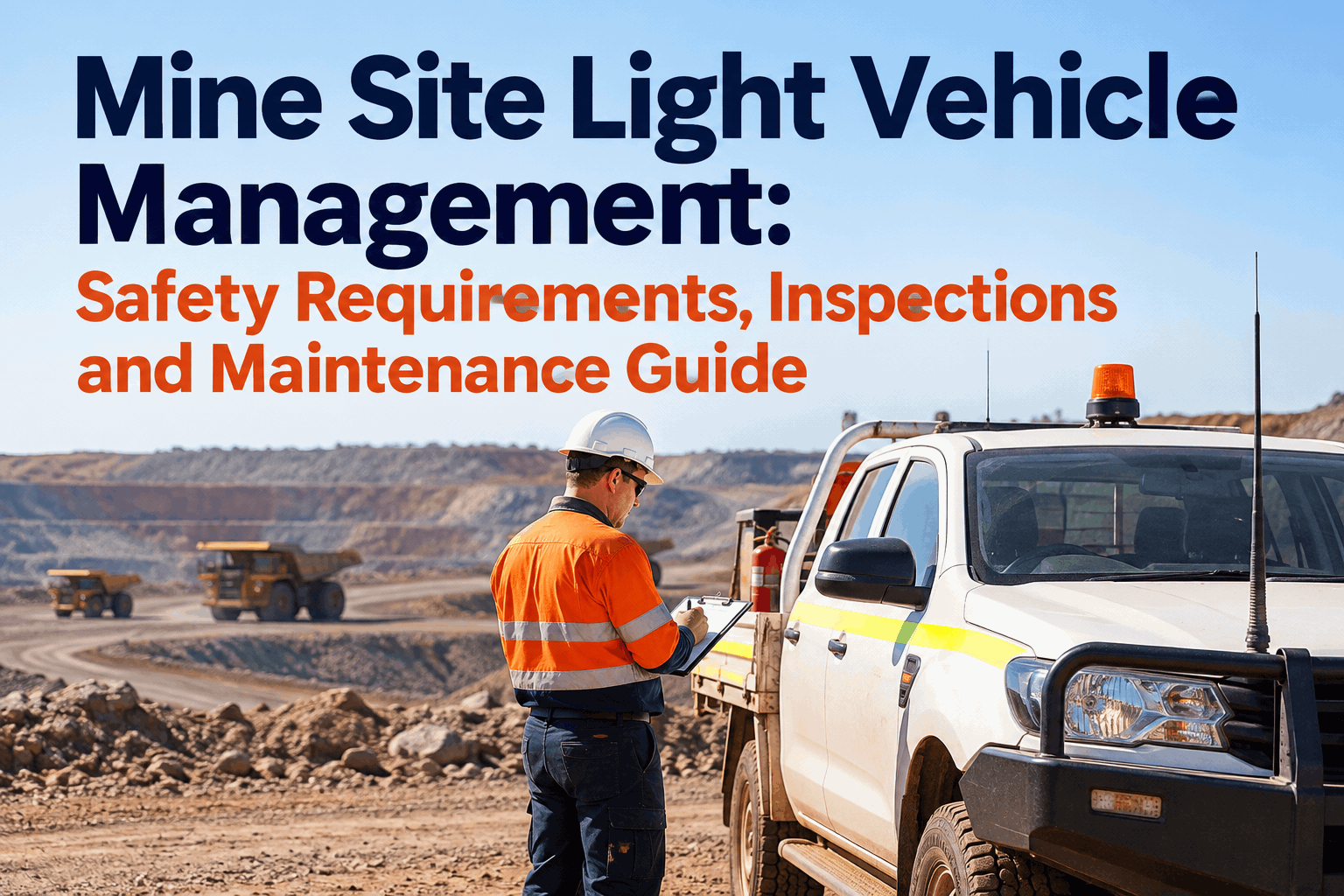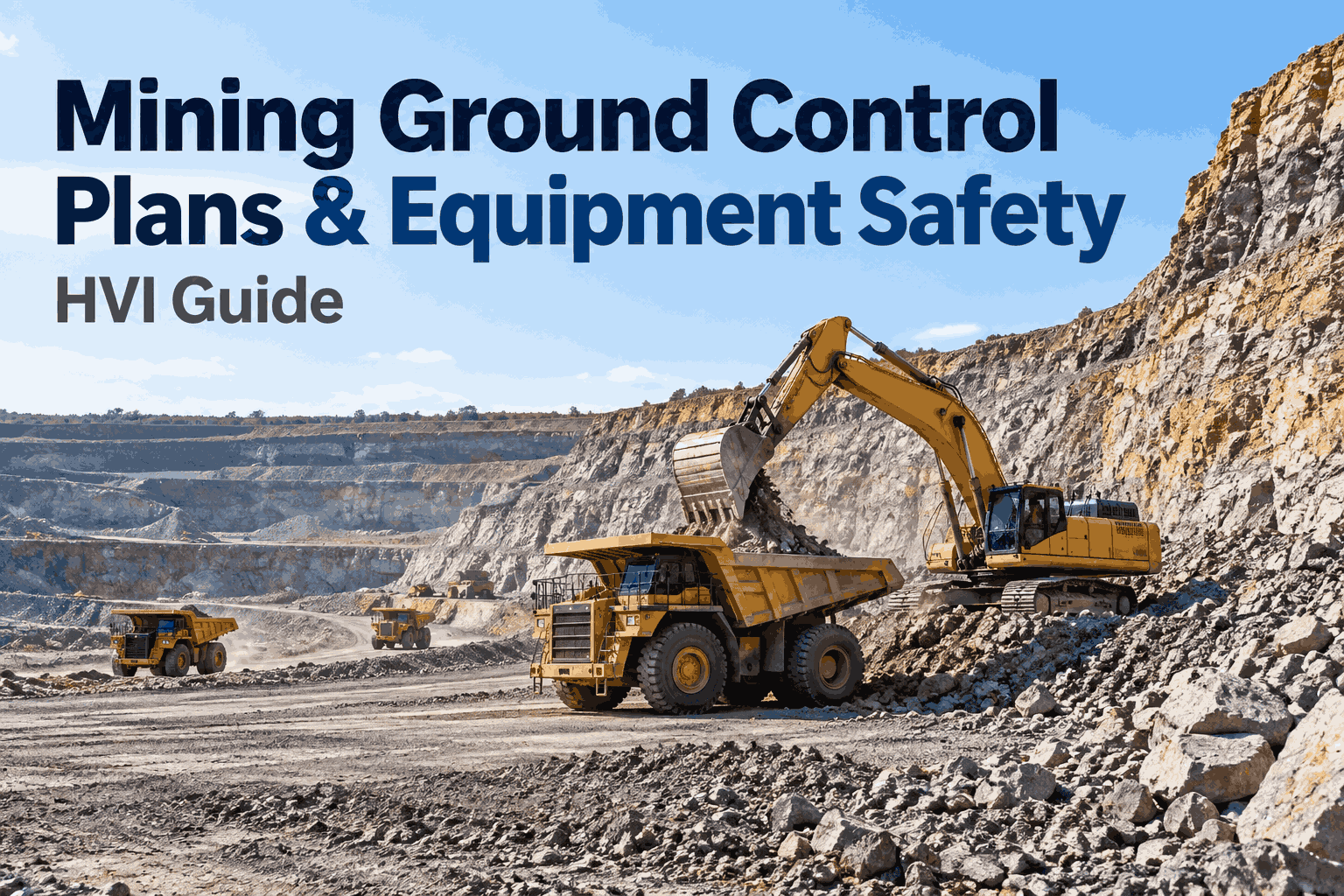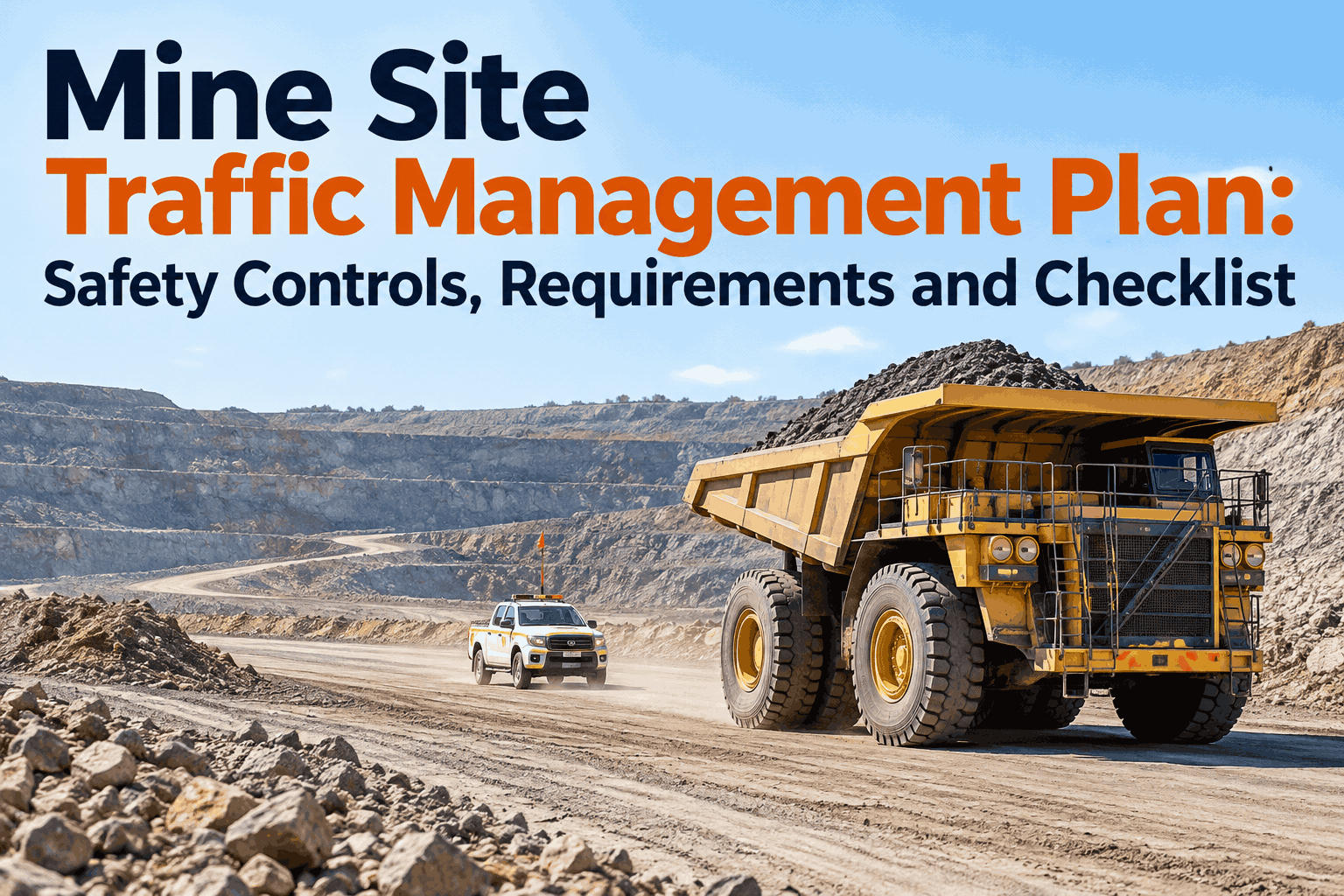
A haul truck is cleared for dispatch. A light vehicle enters the same intersection moments later, and neither operator has a reliable view of the other. A mine traffic management plan must prevent that interaction before anyone reaches the crossing. This guide explains how to map vehicle conflicts, choose effective controls, inspect haul roads and keep evidence that the plan is working.
Your traffic plan is only as strong as its highest-risk crossing.
Separate people, light vehicles and mobile equipment before a near miss becomes a collision. Build a site-specific plan—and keep the inspection and defect records needed to sustain it.
Start with the interaction, not the speed-limit sign
Where haul trucks, service vehicles and pedestrians meet, a rule alone is not a control.
Mine traffic management starts by identifying who travels where, which machines have restricted visibility, and what happens when routes intersect. Give priority to eliminating shared routes and physically separating traffic wherever practicable. Signs, radio calls and driver instructions support—but should not replace—stronger controls.
Operational takeaway: every mapped high-risk interaction needs a named control owner, inspection method and escalation rule. Book a demo to discuss digital inspection records for those controls.
What belongs in a mine traffic management plan?
A practical plan links site layout, operating rules, risk controls and evidence of inspection.
Core plan contents
- Scope and responsibilities: site boundaries, contractors, visitors, route owners and authorization.
- Traffic map: haul roads, one-way systems, intersections, pedestrian routes and restricted zones.
- Vehicle interaction controls: segregation, right-of-way rules, communication protocols and crossing permissions.
- Road design and conditions: grades, widths, sight distance, drainage, edge protection and weather response, as assessed by competent personnel.
- Operating procedures: parking, reversing, loading, dumping, breakdowns, towing and emergency access.
- Assurance: inspections, defect escalation, corrective action, review triggers and training records.
Control the five places collisions begin
Different mine traffic hazards demand different physical and procedural safeguards.
Blind crossings
Improve sightlines, define priority, consider positive access control and separate light vehicles from haul routes.
Run-off-road exposure
Inspect road edges, drainage, gradients and edge protection against site engineering requirements.
Hidden people and vehicles
Designate exclusion zones and approved spotter protocols; never rely solely on cameras or alarms.
Mobile equipment conflict
Establish approach, queuing and clearance rules; verify dump-point condition before use.
Dust, rain and darkness
Define reduced-visibility controls, inspections, route restrictions and stop-work thresholds.
A mine traffic risk assessment should consider vehicle mass, stopping performance, operator visibility and site-specific conditions. It should not assume a universal speed limit or berm dimension is safe for every road.
Mine traffic management plan checklist
Use this field-ready checklist as a starting point; adapt it to local law, mine design and risk assessments.
Route and infrastructure
- Current approved route map available to operators
- Intersection sightlines and signs checked
- Road surface, drainage and potholes reviewed
- Edge protection and road widths assessed
- Pedestrian and light-vehicle separation verified
Vehicle and people
- Pre-use inspections completed
- Brakes, lights, horns and warning devices checked
- Seat belts and visibility aids functional
- Authorized operators and visitor escorts confirmed
- Reversing and radio protocols understood
Exceptions and follow-up
- Unsafe routes isolated or restricted
- Defects recorded with responsible owners
- Temporary controls communicated to crews
- Corrective work verified before reopening
- Plan reviewed after changes or incidents
Make this checklist auditable: record the unit or location, inspector, time, observed condition, action owner and closure evidence. Start free to build configurable vehicle inspection checklists in HVI.
When a defect appears, the plan needs a response
Inspection records matter only when unsafe conditions trigger a clear operational decision.
Edge protection damaged after heavy rain
Inspector records the affected segment and photos. Operations restricts access under the site procedure. The road crew repairs the barrier, a competent person verifies the control, and the route is reopened by authorized personnel.
HVI can support the digital inspection and maintenance evidence for equipment-related issues. Site traffic restrictions, route approvals and engineered road controls must be managed under the mine's own safety systems.
Make every shift handover a traffic-control check
Road conditions and vehicle status can change faster than the written plan.
Leave a usable risk picture
Report road closures, new hazards, failed equipment checks, temporary diversions, visibility problems and outstanding corrective actions.
Confirm before dispatch
Review active restrictions, inspect changed conditions, verify affected vehicle readiness and brief operators before releasing traffic.
A simple weekly assurance review can track overdue vehicle defects, recurring inspection failures, road-related near misses and time to close corrective actions. Trends should drive a fresh risk assessment—not just another report.
Where HVI fits—and where it doesn't
Digitize inspection and maintenance evidence without mistaking software for a site-engineered traffic plan.
HVI can help teams manage
- Configurable vehicle safety inspection templates
- Inspection history and recorded defects
- Maintenance follow-up and equipment records
- Consistent documentation across shifts and units
Your mine still needs to own
- Traffic engineering, route design and separation
- Site-specific risk assessments and legal obligations
- Operator authorization, training and supervision
- Road closure and safe-reopening decisions
Mine traffic management plan FAQs
Answers for mine safety, operations and fleet management teams.
What is a mine traffic management plan?
It is a site-specific set of mapped routes, risk assessments, separation measures, operating procedures and verification activities intended to control interactions among heavy equipment, light vehicles and people.
What should a mine traffic management plan checklist cover?
Include road and intersection condition, visibility, separation, signage, edge protection, vehicle pre-use inspections, operator authorization, emergency access, changing conditions and defect closeout.
How often should haul roads and traffic controls be inspected?
Inspection frequency should follow the mine's risk assessment, applicable regulations and site procedures. High-risk areas and conditions changed by weather, blasting or roadworks may need checks before use or more frequently.
Are signs and speed limits enough to manage mine traffic risks?
No. Signs and limits are administrative controls. Where practicable, use stronger measures such as route separation, engineered intersections, barriers, exclusion zones and controlled access, supported by training and monitoring.
How can HVI support a mine traffic management plan?
HVI can help record vehicle safety inspections, equipment defects, maintenance activity and related evidence. It does not replace mine traffic engineering, risk assessment, road inspections by competent personnel or site-specific operating authorization.
Give your mine safety plan an inspection record that follows every vehicle.
See how HVI helps document mobile equipment checks, track reported defects and maintain the evidence your operations and maintenance teams need to act.