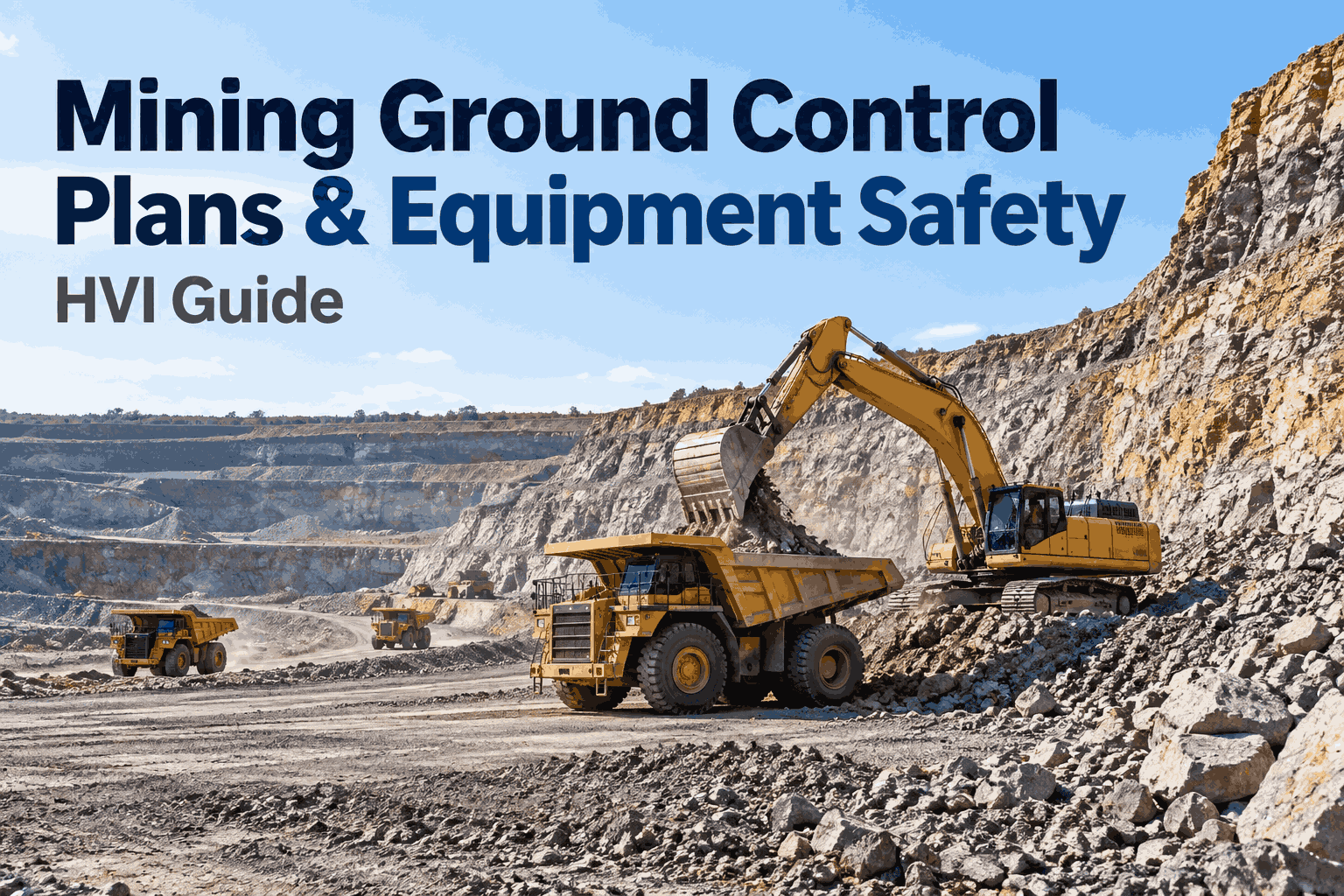
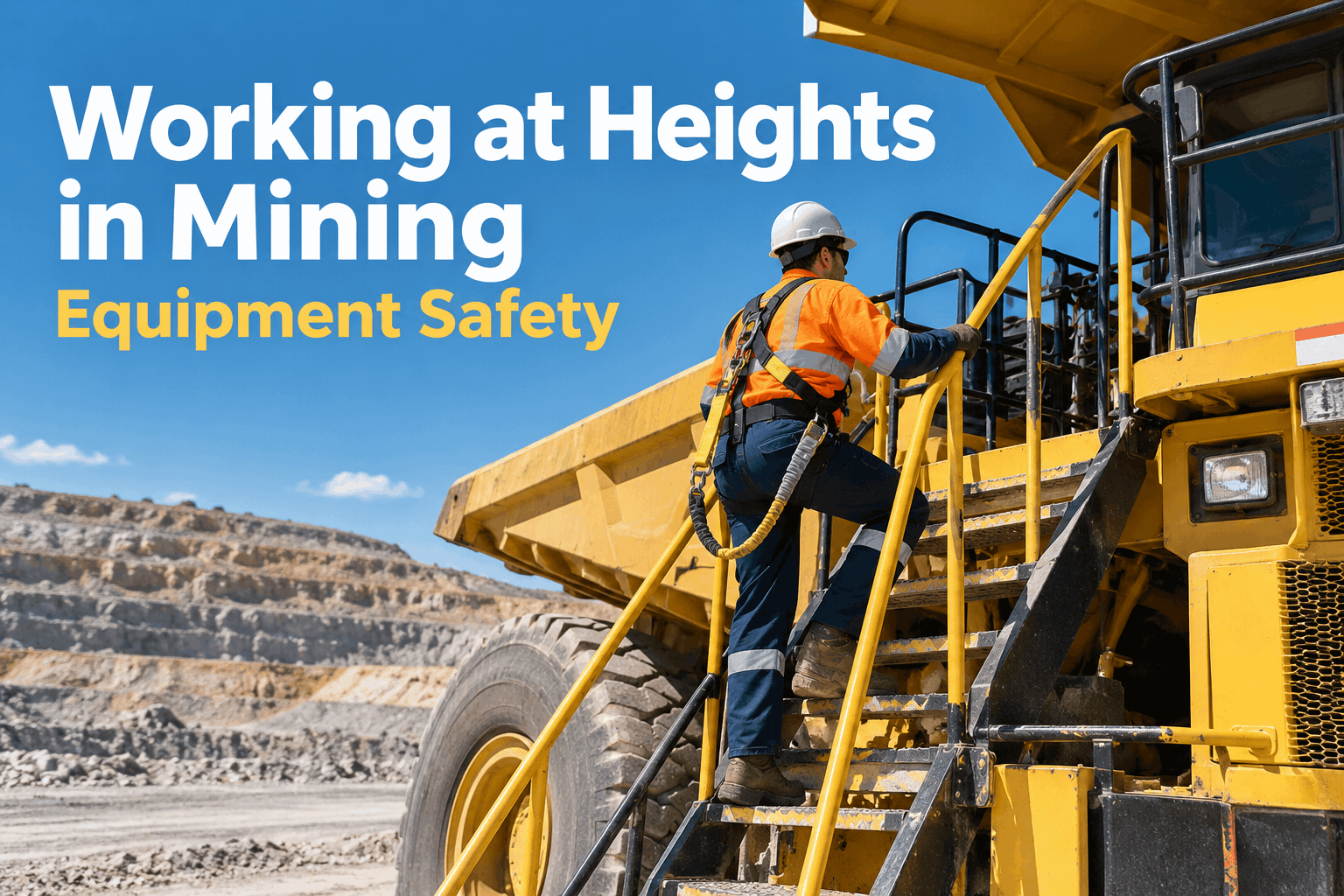
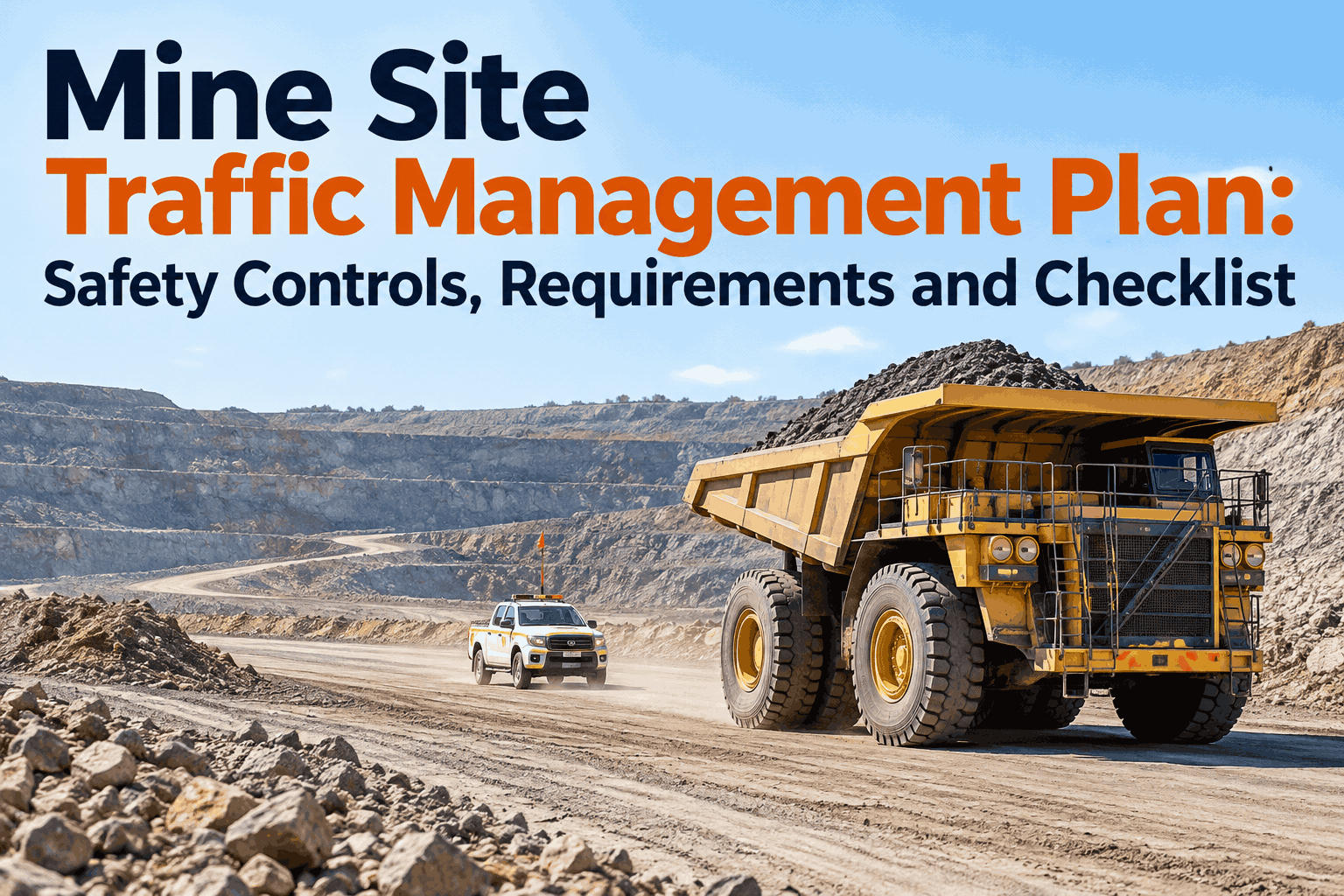
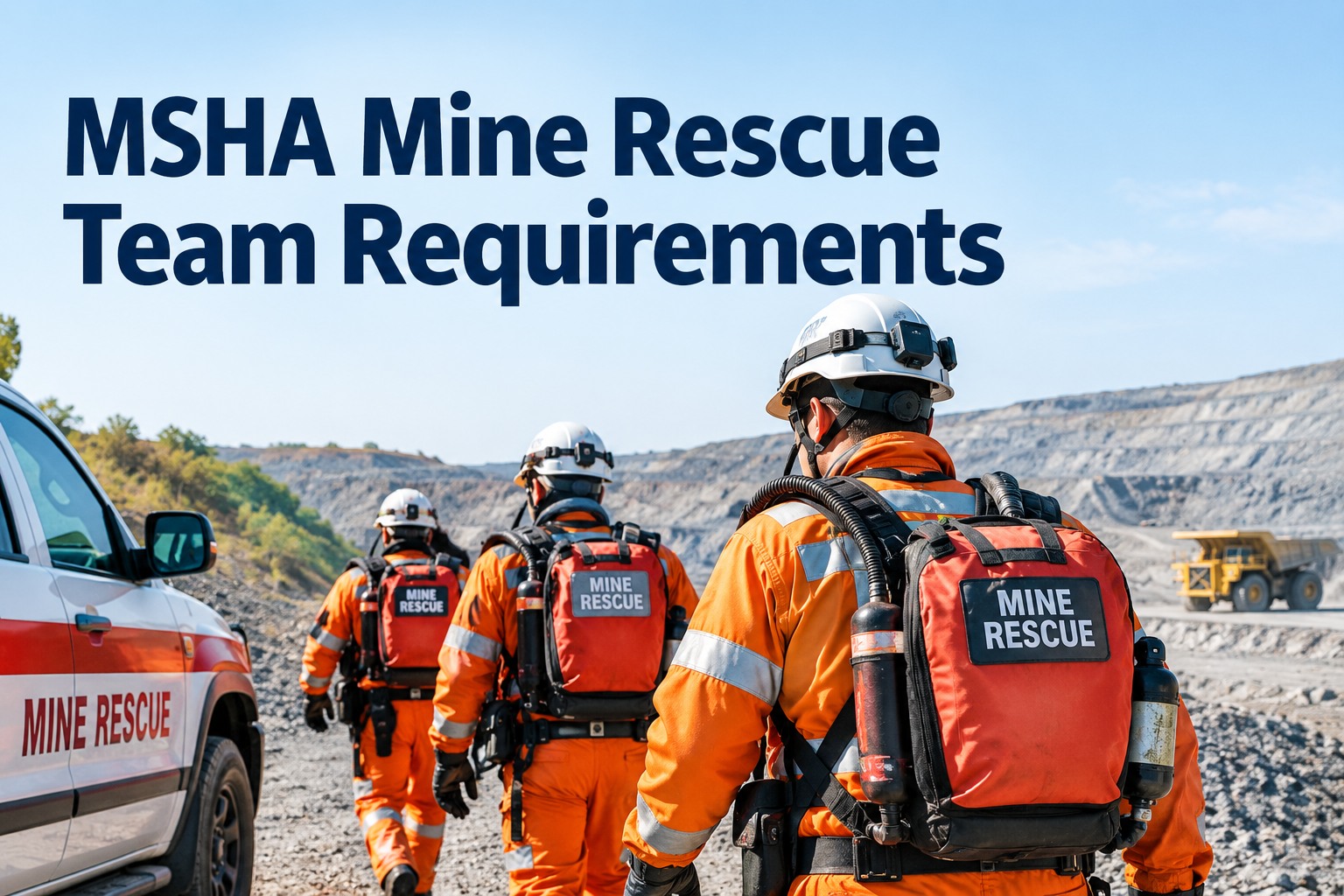
Mining Ground Control Plans & Equipment Safety | HVI Guide
By Riley Quinn on October 2, 2026
A ground control plan mining teams can use in the field must connect highwall conditions with equipment positioning, inspections and access decisions. This guide shows how surface mines can turn ground-control requirements into clear operating controls, documented examinations,and traceable corrective actions—without relying on a universal highwall-distance rule.
MINING SAFETY & COMPLIANCE
Ground Control Plans &
Equipment Safety
From highwall conditions to machine positioning, build a ground-control process crews can understand, supervisors can verify and safety teams can retrieve later.
The plan is only useful when it changes what happens in the pit
01See the ground
Examine highwalls, banks, benches, slopes and changing conditions.
02Define exposure
Understand which equipment, routes and work activities enter the affected area.
03Apply controls
Position, restrict, scale, barricade or modify work according to applicable controls.
04Leave evidence
Record the condition, decision, corrective action and verification.
FIELD VISUALIZATION
Read the work area as a ground-control map
Highwall ground control is not just about the wall. The practical question is how the wall, bench, working floor, equipment and travel route interact. This conceptual map shows the decisions a crew should connect before work proceeds.
Examination pointConfirm conditions before exposure.
ObserveCracks, loose material, water, movement and changing ground.
ControlRestrict or modify access when conditions require it.
ReleaseResume work under the applicable ground-control requirements.
Not a setback diagram.
The illustration is conceptual. It does not establish a universal safe distance from a highwall. Actual equipment positioning must follow the mine's applicable ground-control plan, site conditions, engineering controls, equipment limitations and applicable requirements.
MSHA GROUND CONTROL
Start with the rule set that applies to the mine
Coal and metal/nonmetal operations should not be compressed into one generic ground-control procedure.
SURFACE COAL30 CFR Part 77
§77.1000
Ground control plan
Operators must establish and follow a ground-control plan for safe control of applicable highwalls, pits and spoil banks, consistent with prudent engineering design and safe working conditions.
§77.1004
Inspection after changing weather
Highwalls, banks, benches and terrain sloping into working areas are examined after every rain, freeze or thaw before miners work in those areas. Unsafe conditions must be corrected promptly or the area posted.
METAL / NONMETAL30 CFR Part 56
§56.3130
Wall, bank & slope stability
Mining methods must maintain stability where people work or travel. When benching is necessary, bench dimensions are tied to the equipment used for cleaning or scaling.
§56.3401
Examination of ground
Experienced designated persons examine applicable ground before work, after blasting and as conditions warrant. Highwalls and banks adjoining travelways are examined weekly or more often when changing conditions warrant.
!
Do not invent one universal highwall setback.
Ground conditions, mine design, equipment, work activity and the applicable plan determine the controls required for a particular operation.
EQUIPMENT POSITIONING
One highwall. Four machines. Four different exposure questions.
Equipment positioning near a highwall should be treated as a task-specific decision rather than a single distance printed on a generic checklist.
01
DRILLNear crest or face
FIELD QUESTION
Has the ground around the drilling position, crest and access path been examined for conditions that could affect the task?
FOCUSGround + position
02
EXCAVATORBelow the wall
FIELD QUESTION
Could loose or changing ground above the machine expose the operator or equipment during digging, loading or cleanup?
FOCUSOverhead exposure
03
DOZERNear edge or slope
FIELD QUESTION
Do edge stability, material condition, visibility and the planned dozing direction support the intended work position?
FOCUSEdge + slope
04
HAUL TRUCKAlong travelway
FIELD QUESTION
Could conditions on an adjoining wall or bank affect the travel route, stopping area or normal movement of haul equipment?
FOCUSRoute exposure
READ THE CHANGE
Ground conditions rarely announce a problem with one perfect warning sign
The inspection process should help crews recognize combinations of conditions and changes—not simply tick “highwall OK.”
Translate the plan into rules a crew can actually use
A written plan becomes operational when each requirement answers a practical field question.
AWhere does the rule apply?
Identify the pit, highwall, bench, bank, spoil area, slope, travelway or specific work location.
BWhat creates the exposure?
Connect the condition to drilling, loading, dozing, scaling, cleanup, haulage or another activity.
CWhat control is required?
Define applicable positioning, access, posting, scaling, benching or other site controls.
DWhat triggers another decision?
Establish when weather, blasting, movement or another change requires renewed examination or escalation.
EWhat proves it happened?
Preserve the examination, observations, action owner, restrictions, corrective work and verification.
BETTER INSPECTION RECORDS
Replace “highwall OK” with a record the next shift can understand
Useful ground-control records explain what was observed and what happened because of that observation. This creates continuity between examinations, supervisors and shifts.
A useful ground-control record should tell the next supervisor what changed, where it changed, what equipment was exposed and what control was applied—not simply that an inspection was completed.
Practical mine-safety management perspective
GROUND CONTROL + HVI
One operational record from inspection to closeout
HVI helps mining teams connect field inspections with hazards, corrective actions and historical records instead of scattering the process across paper forms, messages and spreadsheets.
Can crews answer these six questions before exposure?
01What ground-control requirements apply here?
02Has the affected ground been examined as required?
03What equipment and work will enter the area?
04Have conditions changed since the last examination?
05Does the area require restriction or corrective action?
06Can the decision and follow-up be retrieved later?
GROUND CONTROL FAQ
Common questions about mine ground control plans
What is a ground control plan in mining?
A ground control plan establishes how applicable ground hazards will be controlled to support safe working conditions. For surface coal mines covered by 30 CFR 77.1000, operators must establish and follow a plan for the safe control of applicable highwalls, pits and spoil banks. The plan should translate into practical controls for the mine's actual conditions and mining methods.
Does MSHA specify one safe distance from a highwall for equipment?
The ground-control provisions discussed here do not establish one universal equipment-to-highwall setback for every mine and machine. Equipment positioning should be determined from the applicable ground-control requirements, mine design, current ground conditions, equipment and task, engineering controls and other relevant site requirements.
When should ground conditions be examined?
Requirements depend on the mine type. Surface-coal requirements in 30 CFR 77.1004 address examinations after every rain, freeze or thaw before miners work in affected areas. For surface metal/nonmetal mines, 30 CFR 56.3401 requires examination before work, after blasting and as conditions warrant, and requires highwalls and banks adjoining travelways to be examined weekly or more often when changing conditions warrant.
What should a ground control inspection record include?
A useful operational record identifies the location, examiner, observed condition, relevant changes, affected work or equipment, hazards identified, controls or corrective actions and follow-up status. Recordkeeping should always follow the specific requirements and procedures applicable to the operation.
How can HVI support ground control and mine safety records?
HVI can help teams standardize field inspections, document hazards and observations, assign corrective actions, track follow-up activity and retain searchable safety histories across sites. It supports the documentation workflow but does not replace the mine's ground-control plan, engineering judgment or applicable MSHA requirements.
MAKE THE PLAN VISIBLE IN THE FIELD
Ground control works better when every decision leaves a record
Turn your ground control plan mining process into repeatable inspections, clear corrective actions and searchable safety documentation with HVI.